
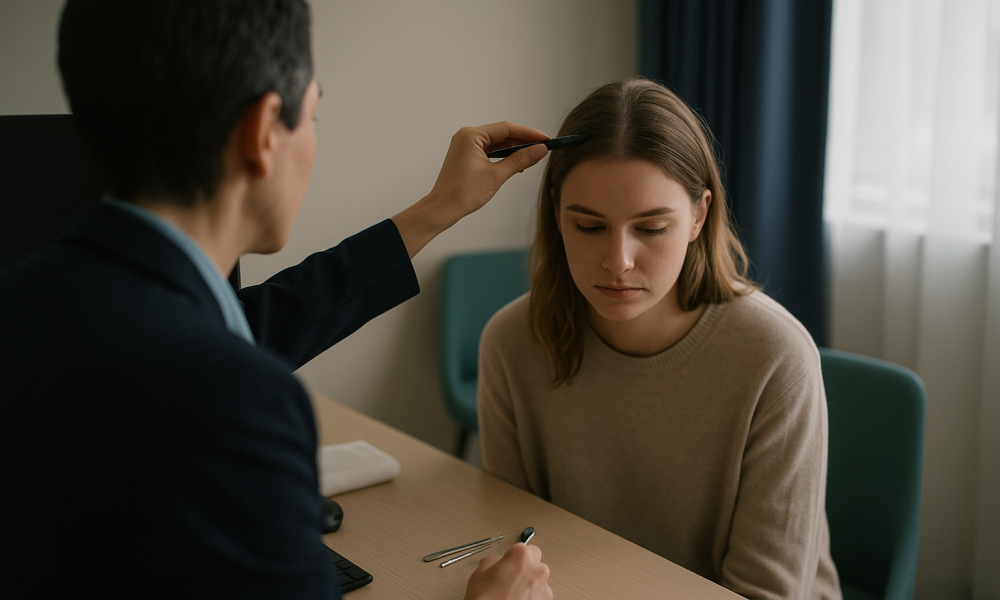
What Hair Transplant Repair is and who it is for
Hair transplant repair is a specialised procedure aimed at correcting unsatisfactory results from previous hair transplants. This includes addressing issues such as unnatural hairlines, poor hair density, or visible scarring from prior surgeries. The procedure is typically sought by individuals who have undergone hair restoration surgeries that did not meet their expectations either aesthetically or functionally.
In Turkey, a leading destination for medical tourism, hair transplant repair is performed by highly skilled surgeons using advanced techniques. The procedure often involves methods such as Follicular Unit Extraction (FUE) or Follicular Unit Transplantation (FUT), each with specific applications depending on the nature of the initial surgery and the extent of the repair needed. Turkey’s reputation for providing quality hair restoration at competitive prices makes it an attractive option for international patients.
Common issues that necessitate hair transplant repair include unnatural hairline placement, which can occur if the initial transplant did not consider the natural flow and gradient of hair growth. Similarly, insufficient density may result from inadequate graft survival or suboptimal placement techniques. Scarring, particularly from older FUT procedures, can also be a concern, as it may be visible through thinning hair or if the scalp is shaved.
Hair transplant repair aims not only to improve the aesthetic outcome but also to enhance patient confidence and satisfaction. The process generally involves an initial consultation to assess the extent of the problem and to tailor a personalised treatment plan. Surgeons in Turkey are known for their meticulous attention to detail and patient-centred approach, ensuring that each repair procedure is customised to the individual’s needs.
It’s important to note that while hair transplant repair can significantly improve previous outcomes, it does not guarantee perfection. Patients are advised to have realistic expectations and to understand that the procedure may require multiple sessions to achieve the desired result. The goal is to create a natural look that integrates well with the patient’s existing hair and facial features.
Are you a good candidate?
Determining whether you are a suitable candidate for hair transplant repair involves several considerations. This procedure is typically recommended for individuals who have had previous hair transplants with unsatisfactory results, as well as those experiencing issues such as unnatural hairlines, low density, or visible scarring. Here are key criteria to evaluate if you might benefit from hair transplant repair:
- Previous Transplant History: Individuals who have undergone one or more hair transplant procedures but are unhappy with the results.
- Unnatural Hairline: Those with hairlines that appear too straight, too high, or otherwise unnatural looking.
- Density Issues: Patients experiencing sparse hair growth or patchy areas due to poor graft survival or placement.
- Visible Scarring: Presence of noticeable scars from earlier FUT or FUE procedures that need to be camouflaged or corrected.
- Realistic Expectations: Candidates should have a clear understanding of what hair transplant repair can achieve, including the possibility of multiple sessions.
- Good Health: Overall good health is essential to undergo surgery safely, and candidates should not have any conditions that impede healing.
- Adequate Donor Hair: Sufficient healthy donor hair is necessary for successful repair, usually assessed during the initial consultation.
To be considered for hair transplant repair, a thorough evaluation by a qualified surgeon is crucial. This typically involves a detailed medical history review, scalp examination, and discussion of the patient’s goals. The surgeon will assess the quality and availability of donor hair, the condition of the recipient area, and the potential for achieving natural-looking results.
It’s also essential for candidates to be informed about the recovery process and potential risks associated with the procedure. Understanding the timeline for visible results and the commitment involved in post-operative care is important for setting realistic expectations. By carefully considering these factors, potential patients can make informed decisions about pursuing hair transplant repair in Turkey.
The procedure, step by step
Undergoing a hair transplant repair procedure in Turkey is a detailed process that involves several carefully orchestrated steps. Here’s a comprehensive breakdown of what you can expect during the procedure:
- Consultation and Planning: Prior to the procedure, a thorough consultation is conducted with your surgeon. This involves assessing the existing hair transplant results, understanding your goals, and planning the repair strategy. The surgeon will discuss various techniques, such as Follicular Unit Extraction (FUE) or Follicular Unit Transplantation (FUT), depending on your specific needs.
- Pre-Operative Preparation: On the day of the procedure, you will undergo pre-operative preparation. This includes cleaning and marking the donor and recipient areas. You may be given a mild sedative to help you relax.
- Harvesting Grafts: If additional grafts are needed, the donor area, typically the back of the scalp, is numbed with a local anaesthetic. Depending on the method chosen, grafts are extracted using a micro-punch tool (FUE) or a thin strip of skin is removed (FUT). The number of grafts can vary, but a typical repair might involve 500 to 2,000 grafts.
- Preparation of Follicular Units: The harvested grafts are carefully dissected and prepared under a microscope to ensure their viability. This step is crucial for achieving a natural look and involves preserving the integrity of each follicle.
- Creating Recipient Sites: The surgeon will create tiny incisions in the recipient area where the new follicles will be implanted. The angle, depth, and density of these incisions are meticulously planned to ensure a natural appearance.
- Implantation of Grafts: The prepared grafts are then implanted into the recipient sites. This step requires precision and can take several hours, depending on the number of grafts. The surgeon will ensure that the grafts are placed in a way that mimics natural hair growth patterns.
- Post-Operative Care: Once the procedure is complete, you will receive detailed instructions on post-operative care. This includes information on how to wash your hair, medications to reduce swelling and prevent infection, and guidelines for avoiding activities that might disrupt the grafts.
The entire procedure can take 4 to 8 hours, depending on the complexity and the number of grafts involved. It is performed under local anaesthesia, and patients typically experience minimal discomfort.
Recovery timeline
Recovering from a hair transplant repair procedure involves several stages. Here’s a detailed timeline of what you can expect:
| Period | What to expect | Care notes |
|---|---|---|
| Day 1-3 | Initial healing phase begins. You may experience some swelling and redness in both donor and recipient areas. | Avoid touching or scratching the grafts. Use prescribed pain relief and anti-inflammatory medication as needed. |
| Day 4-7 | Scabs begin to form around the grafts. Swelling typically subsides. | Gently wash your hair with a special shampoo provided by your clinic. Follow specific washing techniques to avoid disturbing grafts. |
| Week 2-3 | Most scabs will fall off, and the transplanted hair may start to shed. This is normal and part of the hair growth cycle. | Continue gentle hair care. Avoid strenuous activities that might increase blood pressure in the scalp. |
| Month 1-3 | Shedding continues. New hair growth usually begins at the end of this period. | Maintain a healthy diet and lifestyle to support hair growth. Follow up with your surgeon if you have concerns. |
| Month 4-6 | Visible hair growth begins. Hair will be thin but will start to thicken over time. | Patience is important. Hair growth rates vary. Continue with any prescribed topical treatments. |
| Month 7-12 | The transplanted hair continues to grow and thicken. Final results can be observed by the end of this period. | Regular check-ins with your surgeon are recommended to assess progress and address any concerns. |
Full recovery and the final appearance of your hair transplant repair can take up to a year. It’s important to follow your surgeon’s instructions closely to ensure the best possible outcome.
What it costs: Turkey vs Europe
When considering hair transplant repair, cost is a significant factor for many patients. Turkey has become a popular destination for this procedure due to its competitive pricing and high standards of care. It is important to note that the figures provided are indicative and can vary depending on the specifics of the treatment, the clinic, and the surgeon’s expertise.
Below is a comparative table of typical price ranges for hair transplant repair procedures in Turkey versus various European countries:
| Country | Indicative Price Range (GBP) | Typical Inclusions in Packages |
|---|---|---|
| Turkey | £1,500 – £3,500 | Consultation, surgery, post-operative care, accommodation, airport transfers |
| United Kingdom | £4,000 – £8,000 | Consultation, surgery, post-operative care |
| Germany | £5,000 – £9,000 | Consultation, surgery, post-operative care |
| France | £4,500 – £8,500 | Consultation, surgery, post-operative care |
| Spain | £3,500 – £7,500 | Consultation, surgery, post-operative care |
As shown in the table, the cost of hair transplant repair in Turkey is generally lower than in many European countries. This affordability is often due to lower operational costs in Turkey, including lower wages and living costs, which allow clinics to offer competitive prices without compromising on quality.
Packages in Turkey often include additional services such as accommodation and airport transfers, which can further reduce the overall cost for international patients. In many cases, patients find that even after factoring in travel expenses, the total cost of undergoing a hair transplant repair in Turkey remains significantly lower than in their home countries.
However, it is crucial for patients to carefully evaluate what each package includes and to ensure that there are no hidden costs. Prospective patients should verify that the quoted price covers all necessary aspects of the procedure, including any required medications and follow-up appointments.
Risks and how accredited providers manage them
Hair transplant repair, like any surgical procedure, carries certain risks. Understanding these risks and how they are managed by accredited providers in Turkey is essential for making an informed decision.
Common risks associated with hair transplant procedures include:
- Infection: Although rare, infections can occur if the surgical site is not properly cared for post-procedure. Accredited clinics in Turkey adhere to strict hygiene protocols to minimise this risk, including the use of sterilised equipment and clean surgical environments.
- Scarring: Some scarring is inevitable, but experienced surgeons aim to minimise visible scarring by using advanced techniques such as Follicular Unit Extraction (FUE). Clinics often provide post-operative care instructions to support optimal healing.
- Uneven Hair Growth: This can occur if grafts are not placed uniformly. Skilled surgeons use precise methods to ensure even distribution and natural-looking results.
- Shock Loss: Temporary hair loss can occur in the donor or recipient areas. This is typically a transient effect and hair generally regrows over time.
- Unsatisfactory Results: There is always a possibility that the results may not meet expectations. Accredited providers offer thorough consultations to set realistic expectations and discuss potential outcomes with patients.
Accredited providers manage these risks through various strategies:
- Pre-Operative Assessment: Comprehensive evaluations help identify any potential contraindications or underlying conditions that could affect the surgery.
- Experienced Surgeons: Clinics employ surgeons with specialised training and extensive experience in hair transplant repair.
- Patient Education: Patients receive detailed instructions on how to care for their scalp post-surgery, which is critical in preventing complications.
- Follow-Up Care: Scheduled follow-up appointments allow for monitoring of the healing process and address any concerns promptly.
Choosing an accredited clinic in Turkey ensures that these risks are effectively managed. Accreditation often involves rigorous standards and regular audits, which help maintain high levels of patient safety and care quality. Patients are encouraged to verify the accreditation status of their chosen clinic and to discuss any concerns with their healthcare provider before proceeding with the surgery.
How to choose the right provider
Choosing the right provider for a hair transplant repair in Turkey is a crucial step towards achieving satisfactory results. The first consideration should be the accreditation of the clinic. Look for clinics that are accredited by international bodies such as the Joint Commission International (JCI) or the International Society of Hair Restoration Surgery (ISHRS). These accreditations ensure that the clinic adheres to global standards of safety and quality.
Surgeon experience is another vital factor. It is advisable to select a surgeon with extensive experience in hair transplant repairs specifically, as these procedures can be more complex than initial transplants. Surgeons with a track record of successful outcomes in repair cases are more likely to achieve the desired results. You can often find this information by reviewing the surgeon’s portfolio and asking for before-and-after photos of previous patients.
Another crucial element is the aftercare provided by the clinic. Post-operative care is essential for a successful recovery and optimal results. Ensure that the clinic offers comprehensive aftercare services, including follow-up consultations and access to medical advice as needed. Some clinics may provide online consultations for international patients, which can be particularly beneficial if you live far away.
Be wary of red flags when choosing a provider. Avoid clinics that offer unrealistic guarantees, such as promises of full hair restoration or life-long results, as these are not attainable. Similarly, be cautious of clinics that offer significantly lower prices than others, as this could indicate compromised quality or hidden costs. It is equally important to ensure that the clinic provides transparent information about the procedure, including potential risks and realistic outcomes.
In summary, selecting the right provider involves careful consideration of accreditation, surgeon experience, aftercare services, and avoiding red flags. By conducting thorough research and asking pertinent questions, you can make an informed decision that maximises the chances of a successful hair transplant repair.
Planning your trip
Planning your trip for a hair transplant repair in Turkey involves several important steps. Start with a timeline before travel. It is generally recommended to begin the planning process at least three months in advance. This allows ample time to research and select a suitable clinic and surgeon, arrange consultations, and book travel and accommodation.
Next, ensure you have all necessary documents. You will need a valid passport with at least six months’ validity from your date of entry into Turkey. Depending on your nationality, a visa may also be required. Many European citizens can obtain an e-Visa online, which is a straightforward process. Additionally, keep copies of your medical records and any correspondence with the clinic, as these may be needed during your consultations.
The length of stay in Turkey will depend on the specifics of your procedure and the clinic’s recommendations. Typically, patients are advised to stay for a minimum of 7 to 10 days. This duration allows time for the procedure itself, initial recovery, and any necessary follow-up appointments. It is important to follow the clinic’s advice regarding the length of stay to ensure a smooth recovery process.
Finally, consider the follow-up at home after returning from Turkey. Many clinics offer remote follow-up services, such as online consultations, to monitor your progress and address any concerns. It is also advisable to have a local healthcare provider who can assist with any immediate post-operative care needs. Ensure you understand the aftercare instructions provided by the clinic and adhere to them closely to maximise the success of your hair transplant repair.
In conclusion, careful planning of your trip, including a well-structured timeline, proper documentation, understanding the length of stay, and organising follow-up care, is essential for a successful experience in Turkey.
Frequently Asked Questions
What should I consider when choosing a clinic for hair transplant repair?
When selecting a clinic for hair transplant repair, consider accreditation, surgeon experience, aftercare services, and avoid red flags such as unrealistic guarantees or significantly low prices. Ensure the clinic is accredited by international bodies like JCI or ISHRS, and the surgeon has a proven track record in repair procedures. Comprehensive aftercare and transparent communication about risks and realistic outcomes are also crucial.
How much does hair transplant repair typically cost in Turkey?
The cost of hair transplant repair in Turkey can vary widely depending on the complexity of the case and the clinic's reputation. Generally, prices range from £1,500 to £4,000. It is important to consider that the cheapest option might not provide the best results, so focus on the quality and experience of the provider rather than just the cost.
Is hair transplant repair in Turkey safe?
Hair transplant repair in Turkey is generally safe when performed by qualified and experienced professionals in accredited clinics. Ensure the clinic follows international safety standards and the surgeon has a strong track record. It is essential to conduct thorough research and choose a provider with proven expertise in hair transplant repairs to minimise risks.
What are the main risks associated with hair transplant repair?
The main risks associated with hair transplant repair include infection, scarring, and unsatisfactory aesthetic outcomes. Choosing a reputable clinic with experienced surgeons can significantly reduce these risks. Patients should follow all pre- and post-operative care instructions carefully to ensure the best possible result and minimise complications.
How long should I plan to stay in Turkey for the procedure?
It is generally recommended to stay in Turkey for at least 7 to 10 days. This timeframe allows for the procedure, initial recovery, and any necessary follow-up appointments. The exact duration may vary based on the clinic's advice and the complexity of your procedure, so it is important to plan accordingly.
What kind of aftercare is required following hair transplant repair?
Aftercare following hair transplant repair typically involves gentle washing of the scalp, avoiding strenuous activities, and taking prescribed medications to prevent infection and promote healing. Clinics usually provide detailed aftercare instructions and may offer remote follow-up consultations to monitor progress. Adhering to these guidelines is crucial for optimal results.
Can I return to work immediately after the procedure?
Most patients are advised to take at least a few days off work following a hair transplant repair. The initial recovery period involves some swelling and redness, and it is essential to avoid physical exertion. Depending on the nature of your work, you might need to take additional time off to ensure proper healing and comfort.
Will I need a visa to travel to Turkey for the procedure?
Visa requirements for Turkey vary depending on your nationality. Many European citizens can obtain an e-Visa online, which is a simple process. It is important to check the specific visa requirements for your country well in advance of your planned travel dates to ensure a smooth entry into Turkey.
How soon can I see the results of my hair transplant repair?
The results of a hair transplant repair can take several months to become fully apparent. Initial hair shedding is common, and new growth typically begins within 3 to 4 months. Full results are usually visible after 12 to 18 months, as the transplanted hair continues to grow and thicken over time.
What documents should I bring for my hair transplant repair trip?
Ensure you have a valid passport with at least six months' validity, any required visa documentation, and copies of your medical records. Bring all correspondence with the clinic, including treatment plans and payment confirmations. Having these documents readily available will facilitate a smooth process during consultations and the procedure.
Are there any red flags to watch out for when choosing a clinic in Turkey?
Yes, be cautious of clinics offering unrealistic guarantees, significantly lower prices, or lacking transparent information about procedures and costs. Ensure the clinic is accredited, and the surgeon is experienced in hair transplant repairs. Avoid clinics that pressure you into making quick decisions without thorough consultations.
What is the typical recovery time after a hair transplant repair?
The typical recovery time after a hair transplant repair varies, but most patients can return to normal activities within a week. However, full recovery and optimal hair growth may take several months. Patients should follow the clinic's aftercare instructions closely to ensure a smooth recovery and the best possible results.