
What PRP for Hair Loss is and who it is for
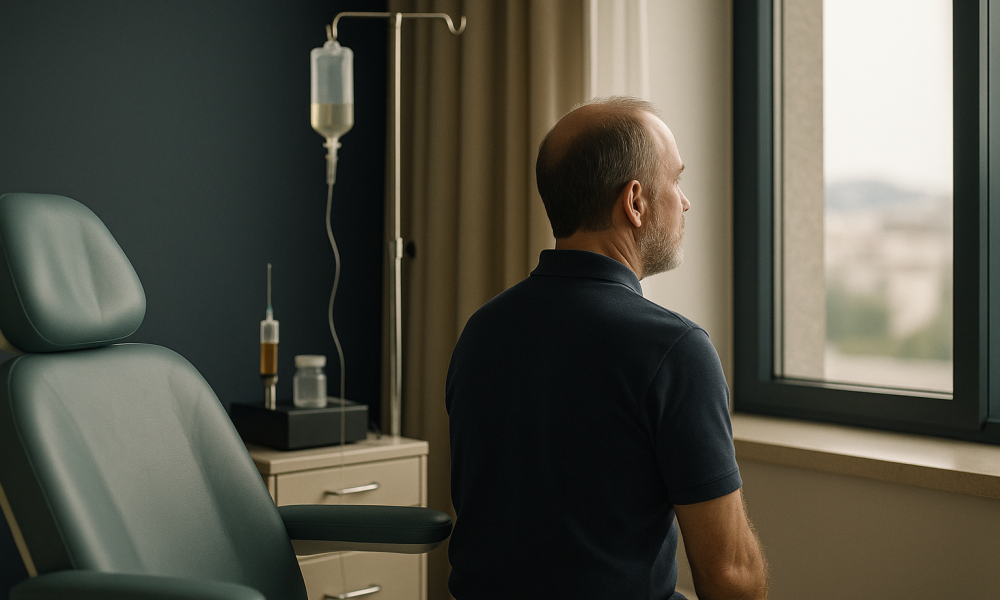
Platelet-Rich Plasma (PRP) therapy is a non-surgical treatment designed to promote hair growth and improve hair density. This procedure harnesses the natural growth factors in a patient’s blood to stimulate hair follicles and encourage regrowth. The process begins with the extraction of a small amount of blood from the patient, which is then placed in a centrifuge machine. This machine spins at high speed, separating the blood into its various components. The platelet-rich plasma is then extracted and injected into the scalp in areas where thinning or hair loss is evident.
PRP therapy is particularly appealing to those looking for a natural approach to hair restoration, as it uses the body’s own cells, reducing the risk of allergic reactions or complications. The procedure is minimally invasive and typically performed in an outpatient setting, allowing patients to resume their daily activities immediately after. This makes it a convenient option for individuals who cannot afford significant downtime.
PRP is often chosen by individuals experiencing androgenic alopecia, commonly known as male or female pattern baldness. It is suitable for both men and women who are noticing thinning hair or a receding hairline. While PRP is not a cure for baldness, it can help to slow the progression of hair loss and, in some cases, stimulate new hair growth.
It is important to note that the effectiveness of PRP therapy can vary from person to person. Factors such as age, the extent of hair loss, and individual health conditions can influence the outcome. Generally, PRP is most effective when combined with other hair restoration treatments, such as medications or hair transplant surgery. Patients should also be aware that multiple sessions are often required to achieve optimal results, with follow-up treatments recommended every 4 to 6 months.
Given the advanced healthcare infrastructure and the availability of experienced professionals, Turkey has become a popular destination for PRP therapy. Many clinics in Turkey offer competitive pricing, making it an attractive option for international patients. However, it is crucial to conduct thorough research and choose a reputable clinic that adheres to international standards of care.
Are you a good candidate?
Determining whether you are a suitable candidate for PRP therapy involves considering several factors. The ideal candidate for PRP hair restoration is someone who is experiencing early stages of hair thinning or hair loss. The treatment is most effective for individuals who still have functioning hair follicles, as the therapy relies on the stimulation of these follicles to promote hair growth. Here is a checklist to help assess your candidacy:
- Type of Hair Loss: PRP is particularly beneficial for those with androgenic alopecia, a genetic condition that causes hair thinning and loss.
- Health Status: Candidates should be in good overall health, as certain medical conditions can affect the efficacy of the treatment.
- Age: Younger individuals, typically under 50, tend to respond better to PRP therapy, but older patients may also see benefits.
- Extent of Hair Loss: Those with diffuse thinning or early-stage hair loss are ideal candidates, while individuals with severe baldness might not achieve significant results.
- Expectations: It is important to have realistic expectations; PRP can improve hair density but is unlikely to restore a full head of hair.
- Commitment to Multiple Sessions: As PRP usually requires several treatments over a period of time, candidates should be prepared for ongoing therapy.
- No Contraindications: Individuals with certain conditions, such as platelet dysfunction syndromes, chronic liver disease, or those on anticoagulation therapy, may not be suitable for PRP.
It is advisable to consult with a qualified healthcare professional who can evaluate your specific situation and provide personalised advice. They will assess your scalp condition, review your medical history, and discuss the potential benefits and limitations of PRP therapy with you. Understanding these factors will help you make an informed decision about whether PRP is the right option for your hair restoration journey.
The procedure, step by step
Platelet-Rich Plasma (PRP) therapy for hair loss is a minimally invasive procedure that leverages the body’s natural healing processes to stimulate hair growth. Here is a step-by-step breakdown of what you can expect during the PRP procedure in Turkey:
- Initial Consultation: Prior to the procedure, you will have a consultation with a qualified medical professional. During this session, your medical history will be reviewed, and a scalp examination will be conducted to determine your suitability for PRP therapy. This is also an opportunity to discuss your expectations and any concerns you may have.
- Blood Collection: The procedure begins with drawing a small amount of your blood, typically around 10 to 20 millilitres, which is similar to a routine blood test. This step is crucial as the PRP is derived from your own blood.
- Centrifugation: The collected blood is then placed in a centrifuge, a device that spins at high speed to separate the blood into its various components. This process takes approximately 10 to 15 minutes. The goal is to isolate the platelet-rich plasma, which is rich in growth factors that aid in hair follicle regeneration.
- Preparation of PRP: Once the centrifugation process is complete, the PRP is carefully extracted. The concentration of platelets in the plasma is increased to three to five times that of normal blood, enhancing its therapeutic potential.
- Local Anaesthesia: To ensure comfort during the injection process, a local anaesthetic is applied to the scalp. This typically involves a topical numbing cream or a local anaesthetic injection, which takes a few minutes to take effect.
- PRP Injection: The prepared PRP is then injected into the areas of the scalp where hair thinning or loss is most prominent. This is done using a fine needle and is generally well-tolerated by patients. The injection process can take around 30 to 45 minutes, depending on the size of the treatment area.
- Post-Procedure Care: After the injections, you will be provided with aftercare instructions. It’s important to avoid washing your hair for at least 12 hours post-treatment and to refrain from using any harsh hair products for a few days.
- Follow-Up Sessions: PRP therapy for hair loss typically involves multiple sessions for optimal results. Patients usually undergo three to four sessions spaced four to six weeks apart. Maintenance treatments may be recommended every six months to a year.
Throughout the procedure, the medical staff will ensure that you are comfortable and informed, making the experience as smooth as possible.
Recovery timeline
Recovering from PRP treatment for hair loss is generally straightforward, with minimal downtime. Here is a detailed recovery timeline to help you understand what to expect and how to care for your scalp post-procedure:
| Period | What to expect | Care notes |
|---|---|---|
| Day 1 | Immediately after the procedure, you may experience mild swelling, redness, or tenderness at the injection sites. These effects are typically short-lived. | Avoid washing your hair or applying any hair products for at least 12 hours. Rest and avoid strenuous activities. |
| Day 2-3 | Any initial discomfort should begin to subside. You may notice some mild bruising or sensitivity in the treated areas. | Continue to avoid harsh hair products. You can return to normal activities but should still avoid direct sun exposure on the scalp. |
| Week 1 | The scalp should feel normal, with most side effects resolved. Some patients notice a slight shedding of hair, which is a normal part of the hair growth cycle. | Avoid colouring or chemically treating your hair. Gentle washing and care are recommended. |
| Week 2-4 | Hair growth may not be noticeable yet, but the scalp will be in the healing phase. Any shedding should diminish. | Maintain a healthy diet and follow any specific aftercare advice provided by your clinician. |
| Month 1-3 | Initial signs of hair growth may become visible. Patients often report improvements in hair texture and thickness. | Regular follow-up sessions as scheduled. Maintain any prescribed hair care regimen. |
| Full Recovery | By this stage, most patients observe significant improvements in hair density and quality. Continued hair growth is expected with maintenance treatments. | Consider maintenance sessions every six to twelve months for sustained results. |
Overall, the recovery process is gradual, and patience is key. It is essential to follow all post-procedure care instructions provided by your healthcare provider to maximise the benefits of your PRP treatment.
What it costs: Turkey vs the United Kingdom
When considering Platelet-Rich Plasma (PRP) therapy for hair loss, cost is a significant factor for many patients. The financial aspect of the treatment can vary greatly depending on the location, provider, and specific services included in the treatment package. This section provides an indicative comparison of costs between Turkey and the United Kingdom, as well as what is typically included in these packages.
In Turkey, the cost of PRP therapy for hair loss typically ranges from £150 to £350 per session. This range reflects the competitive pricing available due to the high volume of clinics offering the treatment. Most packages in Turkey include the consultation, the PRP procedure itself, and sometimes post-treatment care or follow-up consultations.
In contrast, the cost in the United Kingdom is generally higher, ranging from £400 to £750 per session. This higher pricing is often due to the increased operational costs and regulatory requirements in the UK. Packages in the UK may include similar services as those in Turkey, but at a premium rate.
| Location | Price Range (per session) | Typical Package Inclusions |
|---|---|---|
| Turkey | £150 – £350 | Consultation, PRP procedure, post-treatment care |
| United Kingdom | £400 – £750 | Consultation, PRP procedure, follow-up consultations |
It is important to note that these figures are indicative and actual prices may vary based on the specific clinic, the expertise of the practitioner, and any additional services provided. Patients are encouraged to conduct thorough research and directly contact clinics to obtain precise quotations tailored to their individual needs. Additionally, some clinics in Turkey might offer discounted rates for multiple sessions, which can be beneficial for patients requiring a series of treatments.
Overall, Turkey presents a more cost-effective option for PRP therapy, particularly for those considering multiple sessions. However, prospective patients should weigh these financial considerations against other factors such as travel costs, accommodation, and personal preferences for treatment locations.
Risks and how accredited providers manage them
Like any medical procedure, PRP therapy for hair loss carries certain risks. However, these risks are generally low and manageable, especially when the treatment is performed by accredited and experienced providers. This section addresses the potential risks associated with PRP therapy and how accredited clinics in Turkey manage them to ensure patient safety and satisfaction.
The primary risks associated with PRP therapy include infection, injury to blood vessels or nerves, calcification at the injection points, and allergic reactions to the anaesthetic used during the procedure. There is also a risk of pain or discomfort during and after the injections, as well as temporary swelling or bruising in the treatment area.
Accredited providers in Turkey implement several strategies to mitigate these risks. Firstly, they ensure that all procedures are conducted in sterile environments to minimise the risk of infection. This involves using sterilised equipment and maintaining strict hygiene protocols throughout the procedure.
Experienced practitioners are trained to use precise injection techniques to avoid injury to surrounding tissues. They are adept at identifying the optimal injection sites and angles, thereby reducing the likelihood of complications such as nerve or blood vessel damage. Additionally, they employ high-quality centrifuges to prepare the platelet-rich plasma, ensuring the concentration of platelets is both safe and effective for treatment.
To address potential allergic reactions, accredited clinics conduct thorough pre-treatment consultations. During these consultations, they assess the patient’s medical history and any known allergies. This proactive approach helps in tailoring the anaesthetic and other materials used during the procedure to each patient’s specific needs, thereby reducing the risk of adverse reactions.
Post-procedure, accredited providers offer comprehensive aftercare instructions to help patients manage any discomfort and ensure optimal healing. This typically includes advice on avoiding sun exposure, applying cold compresses to reduce swelling, and guidance on when to seek medical attention if necessary.
In summary, while PRP therapy for hair loss carries some risks, these are generally well-managed by accredited providers in Turkey through rigorous standards and practices. Patients are encouraged to choose clinics that are recognised for their adherence to international medical standards and that have a proven track record of successful outcomes. As always, open communication with your healthcare provider and a clear understanding of the procedure can further enhance your safety and satisfaction with the treatment.
How to choose the right provider
When considering PRP treatment for hair loss in Turkey, selecting the right provider is crucial to ensure quality and safety. Start by checking the accreditation of the clinic. Look for internationally recognised certifications, such as the Joint Commission International (JCI) or ISO accreditation, which indicate adherence to global healthcare standards.
Next, evaluate the experience of the medical team. A reputable clinic should have experienced dermatologists or trichologists who specialise in PRP treatments. Inquire about the surgeon’s background, including their education, years of practice, and number of PRP procedures performed. It’s beneficial to choose providers who have at least five years of experience in hair restoration procedures.
Consider the aftercare services offered by the clinic. Comprehensive aftercare is essential for monitoring your recovery and ensuring the success of the treatment. Clinics should provide detailed post-treatment instructions, regular follow-up appointments, and easy access to medical staff for any concerns.
Be aware of red flags that may indicate a less reputable provider. Avoid clinics that make unrealistic promises, such as guaranteed results or extremely low prices that seem too good to be true. Be cautious of providers who do not offer a thorough consultation process, as this is essential for assessing your suitability for PRP treatment. Additionally, ensure the clinic uses high-quality equipment and products, as these are vital for a safe and effective procedure.
Finally, consider seeking reviews and testimonials from previous patients. Online forums, healthcare review websites, and social media can provide insights into the experiences of others. Look for consistent themes in feedback, especially regarding patient satisfaction, professionalism, and outcomes.
Planning your trip
Planning your trip to Turkey for PRP treatment involves several important steps to ensure a smooth experience. Begin by establishing a timeline for your travel. It’s advisable to schedule your treatment at least one month in advance to allow for adequate preparation and coordination with the clinic.
Ensure you have all necessary documents in order. This includes a valid passport with at least six months’ validity, a visa if required (UK citizens can often obtain an e-visa online), and any medical records that may be relevant to your treatment. It’s also wise to carry a copy of your treatment plan and contact information for the clinic.
Consider the length of stay required for your treatment. Typically, patients should plan to stay in Turkey for about 3-5 days. This allows time for an initial consultation, the PRP procedure, and a follow-up appointment to assess your immediate recovery. Ensure your accommodation is comfortable and conveniently located near the clinic.
Think about follow-up care once you return home. Your clinic should provide a detailed aftercare plan, including advice on hair care and any necessary medications or supplements. It’s important to have a local dermatologist or GP in the UK who can assist with any concerns or follow-up appointments. Some clinics offer remote consultations via video call to monitor your progress.
Lastly, consider travel insurance that covers medical procedures abroad, as this can provide peace of mind in case of unforeseen circumstances. Travel insurance typically costs around £30-£50 for a short trip, but ensure it includes medical cover.
By carefully planning each aspect of your trip, you can maximise the success of your PRP treatment in Turkey and enjoy a stress-free experience.
Frequently Asked Questions
How much does PRP treatment for hair loss cost in Turkey?
The cost of PRP treatment for hair loss in Turkey typically ranges from £200 to £500 per session. This cost can vary based on the clinic's location, the expertise of the medical team, and additional services offered. It's important to compare the inclusions in the price, such as consultation fees and aftercare support, to ensure you're getting good value.
Is PRP treatment for hair loss safe?
PRP treatment is generally considered safe when performed by experienced and qualified professionals. It involves using your own blood, which reduces the risk of allergic reactions or disease transmission. However, as with any medical procedure, there are potential risks such as infection or injury at the injection site. Choosing a reputable clinic with proper accreditation can help mitigate these risks.
How many PRP sessions are needed for hair loss?
The number of PRP sessions required can vary depending on the individual's condition and response to treatment. On average, patients may need 3-6 sessions, spaced about 4-6 weeks apart, to achieve optimal results. Your healthcare provider will assess your progress and recommend the appropriate number of sessions for your specific needs.
What are the qualifications of practitioners who perform PRP for hair loss?
Practitioners performing PRP for hair loss should be qualified medical professionals, such as dermatologists or trichologists, with specific training in PRP procedures. They should have a solid understanding of hair loss conditions and experience in hair restoration techniques. It's advisable to verify their credentials and ask about their experience with PRP treatments.
Will I need a visa to travel to Turkey for PRP treatment?
UK citizens typically require an e-visa to enter Turkey, which can be easily obtained online before travel. The process is straightforward and involves filling out an application and paying a fee, usually around £15. It's important to apply for the e-visa before your trip to avoid any travel disruptions.
What should I expect during a PRP treatment session?
During a PRP treatment session, a small amount of your blood is drawn and placed in a centrifuge to separate the plasma. The concentrated plasma, rich in growth factors, is then injected into your scalp. The procedure usually takes about 60-90 minutes, and you may experience some discomfort or mild swelling at the injection sites, which typically subsides within a few days.
How soon can I see results from PRP treatment for hair loss?
Results from PRP treatment for hair loss can vary, but most patients begin to notice improvements in hair thickness and texture after the third session. Full results may take 3-6 months to become apparent, as hair growth is a gradual process. It's important to have realistic expectations and follow your clinician's recommended treatment plan for the best outcomes.
Can I travel immediately after a PRP session?
Yes, you can typically travel immediately after a PRP session, as there is no significant downtime required. However, it's advisable to rest and avoid strenuous activities for at least 24 hours post-treatment to minimise any potential swelling or discomfort. Ensure you follow any specific aftercare instructions provided by your clinic.
What is the success rate of PRP for hair loss?
The success rate of PRP for hair loss can vary based on several factors, including the patient's age, the extent of hair loss, and the underlying cause. Many patients report noticeable improvements, but results can differ. It's important to discuss your expectations with your healthcare provider, who can provide a more personalised assessment of potential outcomes.
What should I pack for my trip to Turkey for PRP treatment?
When packing for your trip to Turkey for PRP treatment, consider bringing comfortable clothing, all necessary travel documents, any prescribed medications, and a hat or scarf to protect your scalp after treatment. It's also useful to carry a power adapter and a mobile phone with international roaming, as well as any personal care items you might need during your stay.
Are there any side effects of PRP treatment for hair loss?
PRP treatment is generally well-tolerated, but some patients may experience side effects such as mild pain, redness, or swelling at the injection sites. These effects are typically temporary and resolve within a few days. In rare cases, patients may experience dizziness or nausea, but these are uncommon. Discuss any concerns with your practitioner before undergoing treatment.
How do I care for my hair after PRP treatment?
After PRP treatment, it's important to follow your clinic's aftercare instructions. Generally, you should avoid washing your hair for at least 12-24 hours post-treatment. Use a gentle shampoo and avoid harsh chemicals or heat styling for a few days. Protect your scalp from direct sunlight and ensure you're following any additional care recommendations given by your provider.