
What PRP for Hair Loss is and who it is for
Platelet-Rich Plasma (PRP) therapy is an innovative treatment gaining popularity for addressing hair loss. Utilising components from your own blood, PRP aims to stimulate natural hair growth by increasing blood supply to the hair follicle and enhancing the thickness of the hair shaft. This non-surgical procedure is particularly attractive for individuals seeking a less invasive solution compared to traditional hair transplants.
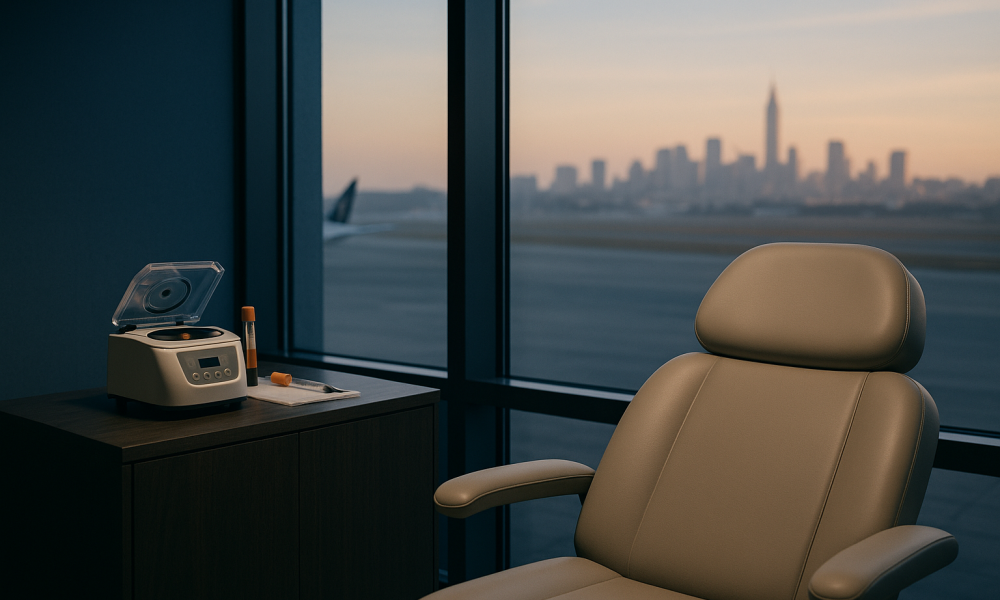
PRP therapy involves drawing a small amount of blood from the patient, typically from the arm. This blood is then processed in a centrifuge to isolate the platelet-rich plasma, which is rich in growth factors. These growth factors are believed to promote healing and tissue regeneration, making them effective in encouraging hair regrowth and slowing hair loss.
The treatment is suitable for both men and women experiencing hair thinning or early stages of hair loss. It is commonly used to treat androgenetic alopecia, which is the most common form of hair loss in both genders. Additionally, PRP may be beneficial for those who have undergone hair transplant surgery, as it can enhance the results and speed up the recovery process.
In Turkey, PRP therapy for hair loss is offered by a number of reputable clinics, often at a fraction of the cost compared to the United States. Patients can expect to pay between $400 and $800 per session, with most requiring multiple sessions to achieve optimal results. The affordability, combined with high standards of medical care in Turkey, makes it a popular destination for international patients.
It is important to note that while PRP therapy can be highly effective for some, results can vary based on individual conditions and genetic factors. Therefore, it is crucial to have realistic expectations and consult with a qualified healthcare provider to determine if this treatment is right for you.
Are you a good candidate?
Determining whether you are a suitable candidate for PRP therapy for hair loss involves a comprehensive evaluation of your hair condition, medical history, and treatment goals. Here are several criteria that can help you assess your eligibility:
- Type of Hair Loss: PRP is most effective for those with androgenetic alopecia or thinning hair, rather than complete baldness.
- Health Status: Candidates should be in good overall health, as certain medical conditions and medications can affect the success of the treatment.
- Age: While there is no strict age limit, younger patients often respond better to PRP therapy as they may have a larger number of active hair follicles.
- Non-Smokers: Smoking can impede the healing process and affect the efficacy of PRP, making non-smokers better candidates.
- Realistic Expectations: Understanding that PRP is not a miracle cure and that results can vary is crucial for patient satisfaction.
- Commitment to Multiple Sessions: PRP typically requires a series of treatments, often spaced a month apart, to achieve desired results.
- Not Pregnant or Breastfeeding: Women who are pregnant or breastfeeding are generally advised to avoid PRP therapy.
Before proceeding with PRP treatment, a consultation with a medical professional is essential. They will conduct a thorough scalp examination and review your medical history to ensure that PRP is a suitable option for you. Additionally, discussing your hair restoration goals and any previous treatments you have undergone will provide valuable context for the healthcare provider, helping them to tailor the treatment to your specific needs.
In summary, PRP therapy for hair loss in Turkey can be an excellent option for the right candidate. By evaluating the criteria listed above, you can better understand if this treatment aligns with your personal circumstances and expectations.
The procedure, step by step
Platelet-Rich Plasma (PRP) therapy for hair loss is a multi-step procedure that harnesses the healing and regenerative properties of platelets found in your blood. Here is a detailed step-by-step guide of what you can expect when undergoing PRP treatment for hair loss in Turkey:
- Consultation and Assessment: The process begins with a thorough consultation where a specialist evaluates your medical history and the current state of your hair loss. This assessment helps determine if you are a suitable candidate for PRP therapy and sets realistic expectations for the outcomes.
- Blood Collection: Once eligibility is confirmed, a small amount of blood, typically between 20 to 60 millilitres, is drawn from your arm using a sterile needle and vial. This step is similar to a standard blood test and takes only a few minutes.
- Preparation of PRP: The collected blood is placed in a centrifuge, a device that spins at high speeds to separate the blood into different components. This process usually takes about 10 to 15 minutes. The goal is to isolate the platelet-rich plasma from the red blood cells and other components.
- Activation of PRP: Before application, the PRP is often activated with calcium chloride or thrombin to enhance its regenerative properties. This step is crucial as it prepares the plasma to release growth factors that stimulate hair follicles.
- Scalp Preparation: The area of the scalp that will receive the PRP treatment is cleaned and numbed with a topical anaesthetic. This ensures minimal discomfort during the injection process.
- PRP Injection: Using a fine needle, the activated PRP is carefully injected into the scalp at the level of the hair follicles. The injections are strategically placed across the thinning or balding areas. The entire injection process usually takes about 30 to 60 minutes.
- Post-Procedure Care: After the injections, you may receive instructions on how to care for your scalp, including avoiding washing your hair for a specific period and refraining from using harsh hair products. The specialist may also recommend a schedule for follow-up sessions to maximise results.
Overall, the PRP procedure is considered minimally invasive with no need for surgical incisions, making it an attractive option for those seeking a non-surgical solution for hair loss.
Recovery timeline
Recovering from a PRP treatment for hair loss is generally straightforward, with most patients experiencing minimal downtime. Here is a detailed timeline of what you can expect during the recovery process:
| Period | What to expect | Care notes |
|---|---|---|
| Day 1 | Mild discomfort and redness may be present at the injection sites. The scalp might feel tender. | Avoid washing your hair and refrain from touching or rubbing the treated areas. |
| Day 2-3 | Redness and swelling should begin to subside. Any bruising will start to fade. | Continue to avoid harsh hair products and excessive sun exposure. Gentle hair washing with a mild shampoo is permissible. |
| Day 4-7 | Most swelling and discomfort should have resolved. The scalp may feel slightly itchy as it heals. | You may resume your normal hair care routine but avoid any treatments that involve chemicals or heat for at least a week. |
| Week 2 | Any residual tenderness or minor bruising should be fully resolved. Hair might appear slightly fuller due to the initial inflammatory response. | Maintain a healthy diet and consider supplements that support hair health as advised by your specialist. |
| Week 4-6 | Initial results may start to become noticeable, with some patients observing new hair growth or thickening of existing hair. | Follow-up sessions may be scheduled to assess progress and determine the need for additional treatments. |
| Full Recovery (3-6 months) | The most significant improvements are typically seen, with increased hair density and reduced hair loss. | Regular follow-ups and possibly maintenance sessions every 6-12 months may be recommended to sustain results. |
While individual experiences may vary, following the care instructions provided by your specialist will help ensure a smooth recovery and optimise the results of your PRP treatment.
5. What it costs: Turkey vs the United States
When considering Platelet-Rich Plasma (PRP) therapy for hair loss, cost is a significant factor for many prospective patients. It’s important to understand that prices can vary widely depending on the provider, the specific package offered, and the country where the treatment is received. Below, we provide a comparison of indicative cost ranges for PRP hair loss treatment in Turkey versus the United States. Please note that all figures are indicative and subject to change.
| Country | Indicative Cost Range (per session) | Typical Package Inclusions |
|---|---|---|
| Turkey | $200 – $400 |
|
| United States | $500 – $1,500 |
|
In Turkey, the cost of a single PRP session for hair loss typically ranges from $200 to $400. This price often includes a comprehensive package that covers an initial consultation with a specialist, the PRP session itself, and a follow-up consultation. Some packages may also include additional support such as local anaesthesia, which can enhance patient comfort during the procedure.
In contrast, the cost of PRP therapy in the United States is generally higher, with prices ranging from $500 to $1,500 per session. Similar to Turkey, packages in the US usually include a specialist consultation, the PRP session, and a follow-up visit. However, the higher cost may reflect the differences in healthcare pricing structures, operational costs, and regulatory environments.
Prospective patients should also consider additional expenses such as travel and accommodation when planning to receive treatment abroad. Nevertheless, even when factoring in these costs, many find that the overall expense of receiving PRP treatment in Turkey remains significantly lower than in the United States.
Ultimately, while cost is an important consideration, it should not be the sole factor in deciding where to receive treatment. Prospective patients are encouraged to thoroughly research their options, considering factors such as the credentials of the provider, the quality of the facilities, and the level of care and support offered throughout the treatment process.
6. Risks and how accredited providers manage them
Like any medical treatment, PRP therapy for hair loss carries potential risks and side effects. It is crucial for prospective patients to be informed about these risks and to choose accredited providers who are well-equipped to manage them effectively.
Common side effects of PRP therapy include mild pain or discomfort at the injection site, temporary swelling, redness, and bruising. These symptoms are generally short-lived and resolve within a few days. Rarely, patients may experience infection, allergic reactions, or tissue damage. Accredited providers in Turkey follow stringent protocols to minimise these risks.
Accredited clinics in Turkey typically ensure that all procedures are performed by licensed and experienced medical professionals. These experts are trained to use sterile techniques and high-quality equipment, significantly reducing the risk of infection or complications. Furthermore, they conduct thorough pre-treatment assessments to identify any potential contraindications, such as allergies or existing medical conditions that could increase the risk of adverse reactions.
Another critical aspect of risk management is patient education. Accredited providers take the time to explain the procedure, potential risks, and expected outcomes to their patients. This includes advising patients on post-treatment care, such as avoiding direct sunlight and refraining from using harsh hair products immediately after the procedure.
Additionally, these clinics are often equipped with emergency protocols to handle any immediate adverse reactions effectively. They maintain close contact with patients after the procedure to monitor their recovery and address any concerns promptly. Follow-up consultations are typically included in treatment packages, providing an opportunity for patients to discuss any issues or questions with their healthcare provider.
Choosing a provider accredited by recognised international bodies, such as the Joint Commission International (JCI), adds an extra layer of assurance regarding the quality and safety of care. These accreditations indicate that the clinic adheres to international standards of healthcare quality and safety.
In conclusion, while PRP therapy for hair loss is generally considered safe, it is not without risks. Prospective patients should conduct thorough research and select accredited providers who demonstrate a commitment to patient safety and quality care. By doing so, patients can minimise risks and enhance the likelihood of a positive treatment experience.
How to choose the right provider
Choosing a provider for PRP (Platelet-Rich Plasma) therapy in Turkey is a crucial step in ensuring a safe and effective treatment experience. Begin by confirming the clinic’s accreditation. Look for facilities that are accredited by recognised international healthcare accreditation organisations, such as the Joint Commission International (JCI) or the International Society for Quality in Health Care (ISQua). These accreditations indicate adherence to international standards of care and patient safety.
Next, evaluate the experience and qualifications of the medical team. A qualified dermatologist or hair restoration specialist with substantial experience in PRP therapy is essential. Inquire about their training, years in practice, and the number of PRP procedures they have performed. A reputable clinic should be transparent about their practitioners’ credentials and willing to share patient testimonials or case studies.
Aftercare is another important consideration. Effective aftercare can significantly impact the success of PRP therapy. Ensure the provider offers comprehensive post-treatment support, including detailed aftercare instructions, follow-up consultations, and access to healthcare professionals for any queries or complications. Some clinics may provide remote follow-up options, which can be particularly useful for international patients.
Be vigilant for red flags that may indicate subpar facilities or practices. Avoid providers that make unrealistic promises, such as guaranteed results or exact timelines for hair regrowth. Be wary of clinics that offer significantly lower prices than the typical range of $400 to $800 per session, as this may reflect lower quality materials or lack of expertise. Additionally, ensure that the clinic adheres to strict hygiene and safety protocols, particularly in light of ongoing global health concerns.
Finally, consider the provider’s communication and responsiveness. A reputable clinic should be responsive to inquiries, provide clear and thorough information, and offer consultations to discuss your individual needs and expectations. By carefully selecting a provider based on these criteria, you can enhance your chances of a successful and satisfying PRP treatment experience in Turkey.
Planning your trip
Proper planning is essential for a smooth and stress-free medical trip to Turkey for PRP therapy. Begin by establishing a timeline. It is advisable to start planning at least 6 to 8 weeks before your intended travel date. This allows ample time to research clinics, secure consultations, and arrange necessary travel documents.
Ensure that your passport is valid for at least six months beyond your planned departure date. Depending on your nationality, a visa may be required to enter Turkey. U.S. citizens can apply for an e-Visa online, which is typically processed within 24 to 48 hours. Keep a printed copy of your visa approval for immigration purposes.
Plan for a stay of at least 3 to 5 days in Turkey to allow for pre-treatment consultation, the procedure itself, and initial recovery. Although PRP therapy is minimally invasive, some patients may experience mild side effects such as swelling or tenderness, which typically subside within a few days.
Consider booking accommodation close to the clinic to minimise travel stress. Many clinics offer packages that include airport transfers, accommodation, and local transportation. These packages can provide added convenience and peace of mind, especially for first-time visitors.
Post-treatment, follow-up care is crucial. Discuss with your provider the options for follow-up consultations. Some clinics offer virtual follow-ups, which can be convenient for international patients. Additionally, clarify what aftercare products or medications may be needed and whether these can be purchased locally or need to be sourced from Turkey.
Finally, ensure you have comprehensive travel insurance that covers medical treatment abroad. This can protect against unforeseen circumstances and provide additional support during your trip. By planning your trip meticulously, you can focus on your treatment and recovery without unnecessary stress.
Frequently Asked Questions
How much does PRP therapy for hair loss cost in Turkey?
The cost of PRP therapy for hair loss in Turkey typically ranges from $400 to $800 per session. Prices may vary based on the clinic's location, the expertise of the medical team, and the number of sessions recommended for optimal results. It's important to consider these factors when budgeting for your treatment.
Is PRP treatment for hair loss safe?
PRP therapy is generally considered safe for hair loss, as it uses the patient’s own blood, minimising the risk of allergic reactions. However, it's crucial to choose a reputable clinic with experienced professionals to ensure proper procedure and hygiene standards. Discuss any medical conditions or medications with your doctor beforehand to avoid complications.
How many PRP sessions are typically needed for hair loss treatment?
Patients usually require between 3 to 6 sessions of PRP therapy for effective hair loss treatment, spaced about 4 to 6 weeks apart. The exact number of sessions depends on individual hair loss patterns and the desired outcome. Your provider will tailor a treatment plan based on your specific needs and progress.
What should I expect during a PRP session?
During a PRP session, a small amount of your blood is drawn and processed to separate the platelet-rich plasma. This plasma is then injected into your scalp using fine needles. The procedure typically takes about 60 to 90 minutes, and most patients experience minimal discomfort, akin to light pinpricks.
Are there any side effects of PRP therapy for hair loss?
PRP therapy is minimally invasive with few side effects. Some patients may experience mild swelling, tenderness, or redness at the injection site, which usually resolves within a few days. Serious complications are rare, but discussing potential risks with your provider is important before starting treatment.
How soon can I see results from PRP therapy?
Results from PRP therapy vary among individuals. Some patients may notice initial improvements in hair texture and thickness within 3 to 6 months, while more significant changes in hair density may take up to a year. Consistent follow-up treatments and adherence to aftercare recommendations can optimise results.
What documents do I need to travel to Turkey for PRP treatment?
To travel to Turkey for PRP treatment, you need a valid passport with at least six months of validity beyond your planned stay. U.S. citizens should also obtain an e-Visa, which can be applied for online. Ensure you have printed copies of your visa and travel insurance documents available.
How can I verify a clinic's accreditation and the qualifications of its staff?
You can verify a clinic's accreditation by checking its certification with recognised international bodies like JCI or ISQua. For staff qualifications, request detailed information about their training, experience, and any specific certifications related to PRP therapy. Reputable clinics will readily provide this information.
What is the typical recovery time after a PRP session?
Recovery time after a PRP session is minimal. Most patients can resume normal activities immediately, but it's advisable to avoid strenuous exercise and hair styling products for about 24 hours post-treatment. Mild side effects like swelling or tenderness usually resolve within a few days.
Can I combine PRP therapy with other hair loss treatments?
Yes, PRP therapy can often be combined with other hair loss treatments such as topical minoxidil or oral finasteride for enhanced results. It's important to discuss combination treatments with your provider to ensure they are appropriate for your specific hair loss condition and goals.
How do I arrange follow-up care after returning home?
Discuss follow-up care options with your provider before leaving Turkey. Many clinics offer remote consultations via video calls to monitor progress and address any concerns. Ensure you have clear aftercare instructions and know any necessary products or medications to continue treatment at home.
What should I do if I experience side effects after returning home?
If you experience side effects after returning home, contact your healthcare provider or the clinic in Turkey for guidance. Most mild side effects, such as swelling or redness, can be managed with recommended aftercare measures. For severe or persistent issues, seek immediate medical attention locally.