
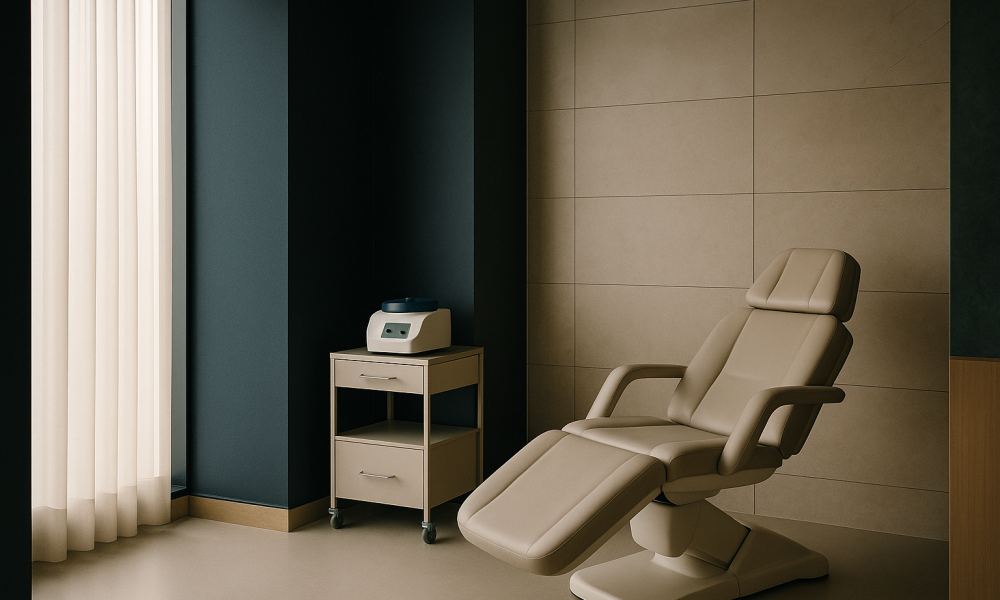
What PRP for Hair Loss is and who it is for
Platelet-Rich Plasma (PRP) therapy is a treatment that leverages the body’s natural healing processes to address hair loss. PRP involves drawing a small amount of the patient’s blood, processing it to concentrate the platelets, and then injecting the platelet-rich plasma into the scalp. This concentration of platelets is believed to stimulate hair follicle activity and promote hair growth. In Turkey, PRP therapy has gained popularity due to its non-surgical nature and the expertise of medical professionals in the country.
The process begins with a standard blood draw, typically from the arm. The blood is then placed in a centrifuge, which spins at high speed to separate the plasma from other blood components. The resulting PRP is then injected into the scalp at the level of the hair follicles. The treatment is generally performed in a clinical setting by a qualified healthcare professional and does not require hospitalisation.
PRP therapy is considered suitable for individuals experiencing thinning hair or mild to moderate hair loss, particularly those with androgenetic alopecia, commonly known as male or female pattern baldness. It is also used as an adjunct therapy to enhance the results of hair transplant procedures. While PRP is not a cure for baldness, it can be an effective method to improve hair density and thickness, particularly when other treatments have been unsuccessful.
Patients often choose Turkey for PRP therapy due to the competitive pricing and the high standard of care available. The cost in Turkey typically ranges from £300 to £700 per session, which is considerably lower than prices in Australia or other Western countries. Additionally, many clinics in Turkey offer packages that include multiple sessions, which can be more cost-effective for patients requiring ongoing treatment.
Are you a good candidate?
Determining whether you are a good candidate for PRP therapy involves several factors. Firstly, it is essential to have a proper diagnosis of the cause of hair loss. PRP is most effective for individuals with androgenetic alopecia and may not be suitable for those with hair loss due to other medical conditions, such as thyroid disorders or autoimmune diseases. Consultation with a healthcare professional is necessary to ensure the underlying cause of hair loss is addressed.
- Diagnosis: Confirmed androgenetic alopecia or thinning hair.
- Overall health: Good general health without significant underlying conditions.
- Non-smoker: Smoking can impair the healing process and affect results.
- Realistic expectations: Understanding that results vary and are not guaranteed.
- Commitment: Willingness to undergo multiple sessions if needed.
- No blood disorders: Absence of platelet dysfunction syndromes or chronic liver disease.
PRP may not be suitable for individuals with a history of heavy smoking, drug or alcohol misuse, or those suffering from certain medical conditions that affect the blood or platelets, such as thrombocytopenia. It’s also important to have realistic expectations; while PRP can stimulate hair growth and improve hair thickness, it does not completely restore hair loss or prevent future hair thinning.
Another factor to consider is the commitment to follow-up treatments. PRP therapy often requires multiple sessions to achieve optimal results, with treatments spaced about one month apart initially, and maintenance sessions every 3 to 6 months thereafter. Patients should be prepared for this ongoing commitment to maintain results.
In conclusion, PRP therapy can be an effective option for many individuals experiencing hair loss, but it is not universally suitable. A thorough consultation with a medical professional is crucial to determine candidacy and ensure the best possible outcomes.
The procedure, step by step
Platelet-Rich Plasma (PRP) therapy for hair loss is a minimally invasive procedure that is gaining popularity among patients seeking treatment in Turkey. Understanding the step-by-step process can help demystify the treatment and set realistic expectations.
- Initial Consultation: The journey begins with an initial consultation, usually conducted either virtually or in person. During this session, a qualified medical professional will assess your hair loss condition, review your medical history, and discuss your expectations. This step is crucial for determining if you are a suitable candidate for PRP therapy.
- Pre-Procedure Preparations: Once deemed suitable, you may be advised to avoid certain medications like blood thinners or anti-inflammatory drugs a week before the procedure. It’s also recommended to wash your hair thoroughly on the day of the treatment and avoid using hair products.
- Blood Collection: The actual procedure begins with a blood draw from your arm. Typically, around 20-30 ml of blood is collected. This process is similar to a standard blood test and takes only a few minutes.
- PRP Preparation: The collected blood is then placed in a centrifuge, a machine that spins rapidly to separate the blood components. This process takes approximately 10-15 minutes and results in the isolation of platelet-rich plasma, which is rich in growth factors.
- Scalp Preparation: While the PRP is being prepared, your scalp will be cleaned and numbing cream or local anaesthetic may be applied to minimise discomfort during the injections.
- PRP Injection: The prepared PRP is loaded into a syringe and injected into the target areas of your scalp. This is done using a fine needle, and the number of injections varies depending on the extent of the area being treated. The injection process generally takes about 30-45 minutes.
- Post-Procedure Care: After the injections, you’ll receive guidelines for post-treatment care. This may include avoiding washing your hair for a certain period, steering clear of strenuous activities, and refraining from alcohol consumption for at least 24 hours.
Overall, the entire PRP procedure can take approximately 1.5 to 2 hours. It’s important to note that multiple sessions, typically spaced about four weeks apart, may be necessary to achieve optimal results.
Recovery timeline
Recovery from PRP therapy for hair loss is typically quick, allowing patients to resume normal activities with minimal downtime. However, understanding the recovery timeline can help manage expectations and ensure proper care post-treatment.
| Period | What to expect | Care notes |
|---|---|---|
| Day 1 | You may experience mild discomfort and swelling in the treated areas. It’s common to notice some redness and slight sensitivity on the scalp. | Avoid washing your hair on the first day. Keep the scalp clean and avoid touching the treated areas unnecessarily. |
| Days 2-3 | Swelling and redness should begin to subside. You might start noticing tiny scabs forming at the injection sites. | You can wash your hair gently with a mild shampoo. Avoid using harsh hair products or styling tools. |
| Week 1 | Most side effects should have resolved. The scalp may feel slightly itchy as part of the healing process. | Continue to avoid strenuous activities and exposure to direct sunlight. Use a gentle shampoo and conditioner. |
| Weeks 2-4 | The scalp should feel normal, and any scabs should have fallen off. Some patients may begin to notice early signs of hair growth. | Resume normal hair care routine, but continue to protect your scalp from excessive sun exposure. |
| Full Recovery (4-6 weeks) | The scalp is fully healed, and hair growth can be more noticeable. Consistent PRP sessions may be advised. | Follow up with your practitioner to evaluate progress and determine if additional sessions are needed. |
It’s crucial to follow your practitioner’s advice throughout the recovery period to ensure the best possible outcome. While some patients may see improvements sooner, others might require additional sessions for optimal results.
What it costs: Turkey vs Australia
One of the key considerations for many patients seeking Platelet-Rich Plasma (PRP) therapy for hair loss is the cost. The price of PRP treatment can vary significantly depending on the location, clinic, and specifics of the treatment package. Here, we compare the typical costs you might expect to encounter in Turkey versus Australia. Please note that all figures provided are indicative and can vary based on individual circumstances, including the clinic’s reputation and any additional services provided.
| Country | Indicative Price Range (per session) | Typical Package Inclusions |
|---|---|---|
| Turkey | £150 – £300 |
|
| Australia | £350 – £700 |
|
The lower cost of PRP treatment in Turkey is largely attributed to the lower overhead costs for clinics, which can translate into more affordable care for international patients. Moreover, many Turkish clinics offer comprehensive packages that include additional services such as transport and translation, which can enhance the overall experience for foreign patients. However, it is crucial to thoroughly research and select a reputable clinic to ensure that the lower costs do not come at the expense of quality or safety.
When comparing costs, it is also important to consider travel expenses. While the treatment itself may be more affordable in Turkey, patients should factor in the costs of flights, accommodation, and any potential time off work. However, many find that even with these additional expenses, the overall cost of treatment abroad can still be more economical than domestic options.
Risks and how accredited providers manage them
As with any medical treatment, PRP therapy for hair loss carries certain risks and potential side effects. Understanding these risks and how accredited providers in Turkey manage them is crucial for prospective patients.
Common risks associated with PRP treatment include:
- Infection: Although rare, there is a risk of infection at the injection site. Accredited clinics mitigate this risk by adhering to strict sterilisation protocols and using disposable, single-use equipment.
- Allergic reactions: PRP is derived from the patient’s own blood, which significantly reduces the risk of allergic reactions. However, clinics still conduct thorough pre-treatment assessments to ensure patient safety.
- Bruising and swelling: These are common and typically mild side effects that resolve within a few days. Clinics often provide post-treatment care instructions to help manage these symptoms effectively.
- Pain or discomfort: Some patients may experience mild pain or discomfort during the procedure. Providers usually offer numbing creams or local anaesthetics to minimise discomfort.
Accredited providers in Turkey take several steps to manage these risks effectively:
- Pre-treatment consultation: Comprehensive consultations are conducted to evaluate the patient’s suitability for PRP treatment and to discuss potential risks and benefits.
- Qualified staff: Treatments are administered by experienced and qualified medical professionals, often with specialists overseeing the procedures.
- State-of-the-art facilities: Reputable clinics are equipped with modern facilities that meet international healthcare standards, ensuring a safe treatment environment.
- Patient education: Patients are provided with detailed information on what to expect during and after the procedure, including signs of potential complications that require medical attention.
- Follow-up care: Accredited clinics offer follow-up appointments to monitor the patient’s progress and address any concerns promptly.
While no medical procedure is entirely without risk, choosing an accredited provider with a strong track record can significantly enhance the safety and efficacy of PRP treatment. Patients are encouraged to research clinics thoroughly, seeking those with international accreditations and positive patient reviews.
How to choose the right provider
Choosing the right provider for PRP (Platelet-Rich Plasma) therapy in Turkey involves several critical considerations to ensure a safe and effective treatment experience. Accreditation is one of the foremost factors. Look for clinics accredited by reputable international healthcare organisations. Accreditation ensures that the clinic adheres to stringent standards of medical care, safety, and ethics. Another key factor is the experience of the surgeon or specialist performing the treatment. A practitioner with a proven track record in PRP therapy, especially for hair loss, can significantly impact your treatment’s success. Ask about their years of experience, number of procedures performed, and any specialised training they have undertaken.
Aftercare is another essential element. Effective aftercare can influence the overall success of your treatment and your recovery experience. A good provider will offer comprehensive aftercare support, which may include follow-up consultations, advice on post-treatment care, and accessibility to answer any queries you might have once you return home. It is crucial to discuss what aftercare services are included in the treatment package.
Being aware of red flags can help you avoid problematic providers. Be cautious of clinics that offer significantly lower prices than typical ranges, as this can often indicate corners being cut in service quality or safety standards. Also, be wary of providers that make unrealistic promises or guarantees about treatment outcomes, as these are often misleading. Transparency regarding the procedure, potential risks, and expected results is a sign of a reputable clinic.
- Accreditation: Look for international accreditation.
- Experience: Choose experienced practitioners with a strong track record.
- Aftercare: Ensure comprehensive post-treatment support is available.
- Red Flags: Avoid clinics with unusually low prices or unrealistic promises.
Planning your trip
Effective planning is crucial for a smooth and successful PRP treatment journey in Turkey. Start by considering the timeline before travel. Ideally, begin your research and consultations at least three to four months before your intended travel date. This allows ample time to choose the right clinic, confirm your treatment plan, and make necessary travel arrangements. Required documents typically include a valid passport, and depending on your nationality, you may need a visa to enter Turkey. Check the latest visa requirements well in advance to avoid last-minute surprises.
The length of stay in Turkey will depend on your treatment plan. For PRP therapy, patients might need to stay for a few days to a week. This duration allows for initial consultations, the procedure itself, and a follow-up appointment to ensure everything is progressing well before you return home. It’s advisable to plan for some flexibility in your schedule to accommodate any unexpected changes.
Consider the logistics of your trip, such as accommodation and transportation. Many clinics offer packages that include these services, which can simplify your arrangements. However, if you prefer to organise these independently, ensure your accommodation is conveniently located relative to the clinic.
Post-treatment follow-up is another critical aspect of planning. Establish a clear plan with your healthcare provider for follow-up care once you return to Australia. This may include remote consultations or coordination with local healthcare professionals to monitor your progress. Having a structured follow-up plan can help address any concerns promptly and ensure the success of your treatment.
- Timeline: Start planning 3-4 months in advance.
- Documents: Check passport and visa requirements.
- Length of Stay: Plan for a few days to a week.
- Follow-Up Care: Arrange post-treatment follow-ups at home.
Frequently Asked Questions
What is the typical cost range for PRP therapy in Turkey?
The cost of PRP therapy in Turkey can vary based on the clinic's location, the practitioner's expertise, and the treatment package. Typically, prices range from £300 to £700 per session. It's important to confirm what is included in the price, such as initial consultations and aftercare services, to fully understand the total cost.
Are there any hidden costs I should be aware of?
Before committing to a treatment plan, inquire about any additional costs that may not be included in the initial quote. Some clinics may charge extra for consultations, aftercare, or medications post-procedure. Ensure you receive a detailed breakdown of all costs to avoid unexpected expenses.
How safe is PRP therapy for hair loss?
PRP therapy is generally considered safe, as it uses your own blood components, reducing the risk of allergic reactions. However, as with any medical procedure, there are potential risks, including infection, injury to blood vessels, or nerve damage. Choosing an experienced and accredited provider can help minimise these risks.
How long does a PRP session take?
A typical PRP session for hair loss lasts about 60 to 90 minutes. This includes the time for blood collection, processing to isolate the platelets, and the actual injection process. The procedure is usually performed on an outpatient basis, allowing you to return to your normal activities shortly afterward.
How soon will I see results from PRP treatment?
Results from PRP therapy for hair loss are not immediate. Most patients start to see improvements within three to six months, with continued benefits over time as the hair follicles become healthier and stronger. Multiple sessions may be recommended to achieve the best results.
What should I do to prepare for my PRP treatment?
Preparation for PRP treatment typically involves avoiding anti-inflammatory medications, alcohol, and smoking for a few days before the procedure, as they can affect the healing process. Your provider will give you specific guidelines tailored to your health and treatment plan.
Can I combine PRP with other hair loss treatments?
Yes, PRP therapy can often be combined with other hair loss treatments, such as medications or hair transplant surgery, to enhance results. Discuss with your healthcare provider to determine the most effective combination based on your individual needs and treatment goals.
Is there any downtime after the procedure?
There is minimal downtime after PRP therapy. Most patients can resume normal activities immediately. However, it's recommended to avoid strenuous activity and washing your hair for at least 24 hours post-procedure to ensure optimal healing and results.
Will I need multiple PRP sessions?
Multiple sessions are often recommended to achieve optimal results. Typically, a series of three to six treatments spaced a month apart is suggested, followed by maintenance sessions every six to twelve months. Your provider will tailor the treatment plan based on your specific needs.
Is PRP therapy painful?
PRP therapy involves injections, which may cause some discomfort. However, most patients report only mild pain during the procedure. Local anaesthesia or numbing creams are often used to minimise discomfort. Discuss any pain concerns with your provider prior to the treatment.
How do I know if I'm a good candidate for PRP therapy?
Ideal candidates for PRP therapy are individuals in the early stages of hair thinning or loss. A thorough consultation with a healthcare professional can determine if PRP is suitable for you, considering factors such as your overall health, hair loss pattern, and treatment goals.
What follow-up care is required after PRP treatment?
Follow-up care typically includes avoiding hair washing and vigorous activities for 24 hours after the procedure. Regular follow-up consultations with your provider are important to monitor progress and adjust the treatment plan if necessary. Adhering to any specific post-care instructions given by your provider is crucial for optimal results.