
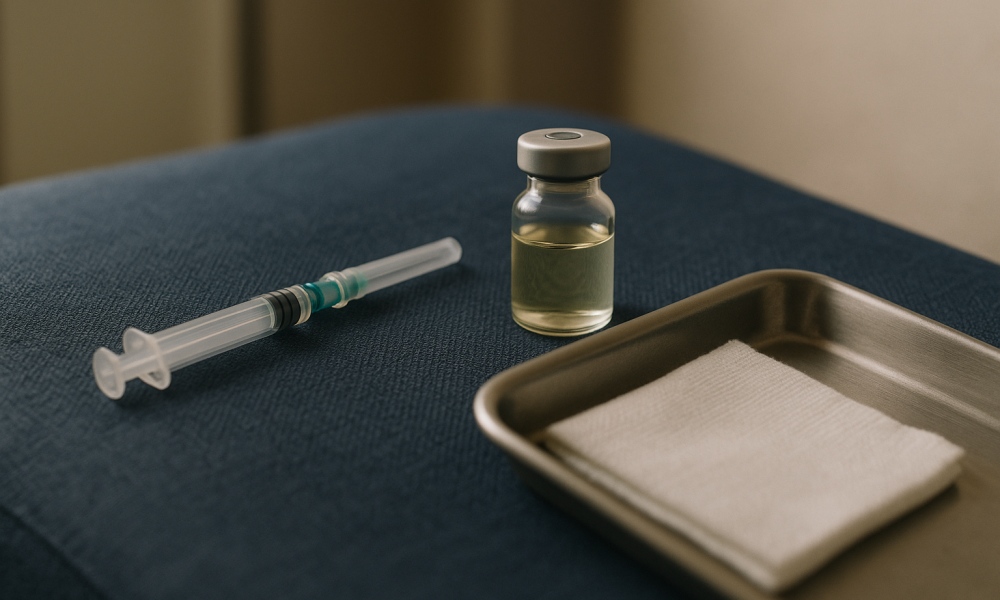
What Hair Mesotherapy is and who it is for
Hair mesotherapy is a minimally invasive procedure aimed at addressing hair loss and promoting hair growth by delivering essential nutrients directly to the scalp. This treatment involves micro-injections of a carefully curated mixture of vitamins, minerals, amino acids, and other active ingredients into the mesoderm, the middle layer of the skin where hair follicles reside. The goal is to stimulate blood circulation, enhance cell metabolism, and encourage the natural growth of hair.
Originally developed in France in the 1950s, mesotherapy has been adapted for various medical and cosmetic uses, including dermatology and trichology. In the context of hair restoration, it is particularly popular for individuals experiencing thinning hair or early stages of hair loss. The procedure is suitable for both men and women, offering a non-surgical alternative to more invasive hair restoration techniques.
During a typical session, which lasts between 30 to 45 minutes, a practitioner uses a fine needle to administer the solution into the scalp. The number of sessions required can vary depending on the individual’s condition and desired outcomes, but generally, a course of 8 to 12 sessions is recommended, initially spaced weekly, then monthly for maintenance. Patients often report minimal discomfort, akin to a slight tingling or pinching sensation.
Hair mesotherapy is often sought after in Turkey due to the country’s reputation for high-quality medical services at competitive prices. The cost for each session typically ranges from £50 to £150, making it an attractive option for international patients. While the procedure is available globally, Turkey’s combination of experienced practitioners and modern healthcare facilities makes it a preferred destination for many.
It is crucial to note that hair mesotherapy is not a cure-all for all types of hair loss. The treatment is most effective for those with androgenetic alopecia, commonly known as male or female pattern baldness, and for individuals experiencing telogen effluvium, a temporary condition often triggered by stress or hormonal changes. However, it is less effective for those with complete baldness or advanced hair loss, where other interventions such as hair transplant surgery might be more appropriate.
Are you a good candidate?
Determining whether hair mesotherapy is the right treatment for you involves understanding your specific type of hair loss and overall health status. This treatment is generally safe for most adults, but certain criteria can help identify the best candidates for optimal results.
Ideal candidates for hair mesotherapy are those who:
- Experience early-stage hair thinning or mild to moderate hair loss.
- Have realistic expectations and understand that results may vary.
- Are in good overall health and do not suffer from chronic scalp conditions such as psoriasis or severe dermatitis.
- Do not have complete baldness or large areas of scalp devoid of hair.
- Are not pregnant or breastfeeding, as hormonal changes during these periods can affect treatment effectiveness.
- Do not have a history of allergic reactions to the ingredients used in the mesotherapy solution.
- Have consulted with a healthcare professional to rule out underlying medical conditions that may contribute to hair loss, such as thyroid disorders or nutritional deficiencies.
Before considering hair mesotherapy, a thorough consultation with a qualified dermatologist or trichologist is essential. This evaluation will typically involve a detailed medical history review, a scalp examination, and possibly some blood tests to ensure that there are no contraindications to the treatment.
The effectiveness of hair mesotherapy can also depend on lifestyle factors. Candidates who maintain a healthy diet, manage stress effectively, and avoid harmful hair practices such as excessive heat styling or harsh chemical treatments often see better results. Additionally, those who are willing to commit to the recommended treatment schedule and follow through with any suggested maintenance sessions tend to achieve more satisfactory outcomes.
In summary, while hair mesotherapy can be an effective solution for many experiencing hair loss, it is not suitable for everyone. Understanding your specific needs and consulting with an experienced professional in Turkey can help you make an informed decision about pursuing this treatment.
The procedure, step by step
Hair mesotherapy is a non-surgical treatment designed to promote hair regrowth and improve scalp health. This procedure is carried out using a series of microinjections that deliver a tailored cocktail of vitamins, minerals, and medications directly to the scalp. Here is a step-by-step guide to what you can expect during the procedure:
- Initial Consultation: This is the first step where you will meet with a qualified dermatologist or trichologist to discuss your hair concerns and medical history. The practitioner will assess your scalp and hair condition to determine if mesotherapy is suitable for you. They will also explain the potential benefits, risks, and expected outcomes.
- Customising the Treatment Plan: Based on the initial assessment, the practitioner will develop a personalised mesotherapy cocktail tailored to your specific needs. This may include vitamins such as biotin, minerals like zinc, amino acids, and medications such as minoxidil.
- Preparation: On the day of the procedure, your scalp will be thoroughly cleaned to minimise the risk of infection. A topical anaesthetic may be applied to reduce any discomfort during the injections.
- Performing the Injections: The practitioner will use a specialised mesotherapy gun or fine needles to inject the custom solution into the mesoderm, which is the middle layer of the skin. The injections are usually spaced about 1 cm apart to cover the affected area comprehensively. The entire session typically lasts between 30 and 60 minutes.
- Post-Procedure Care: After the injections, your scalp might be slightly red or swollen. The practitioner will provide specific aftercare instructions to follow, which may include avoiding hair washing for a day or two and keeping the scalp clean and dry.
- Follow-up Sessions: Hair mesotherapy is often performed in a series of sessions to achieve the best results. A typical treatment plan might involve 6 to 10 sessions, spaced 1 to 2 weeks apart, but this can vary depending on individual needs and responses to the treatment.
Throughout the procedure, the focus is on ensuring minimal discomfort and maximising the potential for hair regrowth. It is important to follow the aftercare advice given by your practitioner to support the healing process and enhance the effectiveness of the treatment.
Recovery timeline
Understanding the recovery timeline for hair mesotherapy is crucial for managing expectations and ensuring optimal results. While individual experiences may vary, the following table provides a general guideline of what you can expect during the recovery period from day 1 to full recovery.
| Period | What to expect | Care notes |
|---|---|---|
| Day 1 | Immediately after the procedure, you may experience mild redness and swelling on the scalp. This is a normal reaction to the injections. | Avoid washing your hair and refrain from applying any products to your scalp. Keep the area clean and dry. |
| Days 2-3 | Redness and swelling should begin to subside. Some patients may notice slight itching as the scalp starts to heal. | You can gently wash your hair with a mild shampoo. Avoid scratching or rubbing your scalp. |
| Week 1 | The scalp should return to its normal appearance. Hair shedding might occur as part of the natural cycle. | Continue to use gentle hair care products. Avoid exposure to direct sunlight and heat treatments. |
| Weeks 2-4 | Early signs of hair regrowth may become noticeable, although this varies among individuals. | Maintain a healthy diet and follow any specific recommendations from your practitioner. |
| Full Recovery (1-3 months) | Most patients experience noticeable improvements in hair density and quality. Full results are typically observed after a few months. | Continue regular follow-up sessions as advised. Stay consistent with any prescribed topical treatments or supplements. |
It is important to remember that hair mesotherapy results can vary based on individual factors such as age, hair condition, and adherence to aftercare instructions. Patience and consistency are key to achieving the desired outcomes.
What it costs: Turkey vs Canada
When considering hair mesotherapy, cost is a significant factor, especially for international patients. Typically, the cost of hair mesotherapy in Turkey is more affordable than in Canada. However, prices can vary based on the clinic, the expertise of the practitioner, and the specific needs of the patient. Below is a comparison table that provides indicative price ranges for hair mesotherapy in both countries. Please note that these figures are indicative and can vary depending on various factors including location, clinic reputation, and package inclusions.
| Country | Indicative Price Range (per session) | Typical Package Inclusions |
|---|---|---|
| Turkey | £50 – £150 |
|
| Canada | £100 – £300 |
|
In Turkey, many clinics offer comprehensive packages that include not only the treatment itself but also additional services aimed at making the experience more convenient for international patients. These may include airport transfers, accommodation, and language support services. In contrast, Canadian clinics typically focus on the treatment, with fewer additional services included in the base price. This difference in service offerings can be a significant consideration for patients who are travelling from abroad.
It is also important to consider the overall cost-effectiveness of the treatment in Turkey. While the upfront cost of each session may be lower, patients should also factor in travel expenses, accommodation, and any additional costs for extended stays. Nevertheless, many patients find that the total cost remains competitive compared to local treatment options in Canada, especially when taking into account the quality of care and the expertise available in Turkish clinics.
Risks and how accredited providers manage them
As with any medical treatment, hair mesotherapy carries certain risks, though they are generally considered to be minimal when performed by qualified practitioners. Understanding these risks and how they are managed by accredited providers in Turkey can help patients make an informed decision.
Common risks associated with hair mesotherapy include mild pain or discomfort at the injection site, temporary redness or swelling, and minor bruising. These side effects are usually short-lived and resolve on their own without the need for further treatment. However, more serious complications, although rare, can include infection, allergic reactions, or prolonged inflammation.
Accredited providers in Turkey take several measures to minimise these risks. Firstly, they ensure that all treatments are conducted by experienced and qualified practitioners who have undergone rigorous training in mesotherapy techniques. Practitioners use sterile equipment and maintain strict hygiene standards to prevent infection. Moreover, they conduct thorough pre-treatment consultations to identify any potential allergies or contraindications that could increase the risk of adverse reactions.
Many clinics in Turkey are also internationally accredited, adhering to standards set by global healthcare accreditation bodies. This ensures that they follow best practices in patient safety and care. Patients are encouraged to verify the accreditation status of their chosen clinic to ensure high standards of treatment.
In addition to preventive measures, accredited providers offer robust aftercare support. This includes detailed post-treatment instructions to help manage any side effects and ensure optimal recovery. Patients are typically advised on how to care for their scalp after the procedure, what signs of complications to watch for, and when to seek further medical advice if needed.
Furthermore, many clinics offer follow-up consultations to monitor the patient’s progress and address any concerns that may arise. This ongoing support is an integral part of the treatment process, providing reassurance and helping to achieve the best possible outcome.
Ultimately, while risks exist, choosing an accredited provider in Turkey can significantly mitigate these risks. By adhering to stringent safety protocols and offering comprehensive care, these providers ensure that hair mesotherapy is both a safe and effective option for international patients.
How to choose the right provider
Choosing the right provider for hair mesotherapy in Türkiye is a crucial step in ensuring a successful treatment experience. Start by verifying the accreditation of the clinic. Look for clinics that are accredited by international healthcare bodies such as the Joint Commission International (JCI) or other reputable organisations. Accreditation ensures that the clinic adheres to international standards of care, safety, and hygiene.
Another important factor is the experience and qualifications of the medical professionals performing the procedure. Research the surgeon’s or dermatologist’s background, including their education, years of experience, and any specialised training in hair restoration techniques. It may be beneficial to choose a provider who has a track record of performing hair mesotherapy specifically, as this indicates familiarity with the nuances of the treatment.
Aftercare is an integral part of the treatment process. Ensure the provider offers comprehensive aftercare services, including follow-up consultations and support in case of any complications or questions after the procedure. Ask about the availability of English-speaking staff, as clear communication is essential for understanding the post-treatment care instructions.
Be vigilant for red flags that may indicate a less reputable provider. These include overly aggressive marketing tactics, promises of guaranteed results, or significantly lower prices than typical ranges. For hair mesotherapy in Türkiye, indicative cost ranges are generally between £150 and £300 per session, depending on the clinic’s location and reputation. Be wary of clinics that lack transparency about the credentials of their staff or the specifics of their treatment plan.
Lastly, consider reviews and testimonials from previous patients. While online reviews can provide insight into the experiences of others, look for detailed feedback that discusses the quality of care, the professionalism of the staff, and the overall satisfaction with the treatment outcome. Joining forums or social media groups dedicated to medical tourism can also offer valuable recommendations and warnings from fellow patients.
Planning your trip
Planning your medical trip to Türkiye for hair mesotherapy involves several key steps to ensure a smooth experience. Start by developing a timeline that begins at least three months before your intended travel date. This allows ample time for research, consultation, and preparation.
First, ensure your passport is valid for at least six months beyond your planned return date. Check if you require a visa to enter Türkiye; Canadian citizens can often obtain an e-Visa online, which is a straightforward process taking just a few days.
Consult with your chosen clinic to schedule your treatment dates. Typically, a stay of about 3 to 5 days is recommended for hair mesotherapy. This duration allows for initial consultation, the treatment sessions, and a short recovery period. Keep in mind that you may need to return for follow-up sessions, depending on your treatment plan.
Arrange for accommodation near the clinic to facilitate easy access. Many patients opt for hotels or serviced apartments that offer amenities conducive to recovery, such as room service and comfortable bedding.
Prepare a list of documents to bring with you, including your medical records, treatment confirmation from the clinic, travel insurance, and any medications you may need. Travel insurance is particularly important as it can cover unexpected issues such as travel delays or medical emergencies.
Plan for follow-up care once you return to Canada. Discuss with your healthcare provider how to manage post-treatment care and any necessary adjustments to your lifestyle. This may include avoiding certain activities or using prescribed topical treatments to enhance results.
Budgeting is another critical aspect; while treatment costs in Türkiye are often lower than in Canada, factor in travel expenses, accommodation, and daily living costs. A typical budget might range from £1,000 to £2,000, covering all necessary expenses.
Frequently Asked Questions
What is the typical cost of hair mesotherapy in Türkiye?
The typical cost of hair mesotherapy in Türkiye ranges from £150 to £300 per session. This price can vary based on the clinic's location, the reputation of the medical staff, and the specifics of the treatment plan. It's important to factor in additional expenses such as travel, accommodation, and any follow-up care that may be required.
How many sessions of hair mesotherapy will I need?
The number of sessions required for hair mesotherapy can vary depending on individual needs and the extent of hair loss. Typically, patients may need between 6 to 10 sessions, spaced approximately one week apart, to achieve optimal results. A thorough consultation with your healthcare provider will help determine the exact number of sessions needed for your case.
Is hair mesotherapy a safe procedure?
Hair mesotherapy is generally considered a safe procedure when performed by qualified and experienced medical professionals. The treatment involves injecting vitamins, minerals, and medications directly into the scalp, which carries a low risk of side effects. However, some patients might experience mild discomfort, redness, or swelling at the injection site, all of which typically resolve quickly.
What should I expect during a hair mesotherapy session?
During a hair mesotherapy session, a series of micro-injections are administered into the scalp using a fine needle. The procedure is usually well-tolerated, with minimal discomfort. Sessions typically last 30 to 45 minutes, and most patients can resume normal activities immediately afterwards. Your provider will offer specific aftercare instructions to ensure the best possible results.
How long do the effects of hair mesotherapy last?
The effects of hair mesotherapy can last several months, with many patients noticing improvements in hair density and quality. Maintenance sessions may be required to sustain results, typically every 6 to 12 months, depending on individual response and lifestyle factors. Discussing a long-term care plan with your provider can help maximise the benefits of the treatment.
Can I combine hair mesotherapy with other treatments?
Yes, hair mesotherapy can often be combined with other hair restoration treatments such as PRP (Platelet-Rich Plasma) therapy or topical minoxidil to enhance results. Combining treatments may provide synergistic effects, improving overall hair growth and health. It's important to consult with your healthcare provider to design a customised treatment plan that suits your needs.
What are the potential side effects of hair mesotherapy?
Potential side effects of hair mesotherapy are generally mild and may include temporary redness, swelling, or bruising at the injection site. Some patients might experience a mild headache or scalp tenderness following the procedure. These side effects typically resolve within a few days. Serious complications are rare when the procedure is performed by experienced professionals.
How soon can I wash my hair after the procedure?
It is generally recommended to wait at least 24 to 48 hours before washing your hair following a hair mesotherapy session. This allows the injected nutrients and medications ample time to be absorbed into the scalp. Your provider will give you specific aftercare instructions, including when and how to wash your hair to ensure optimal results.
What should I bring with me to Türkiye for my treatment?
When travelling to Türkiye for hair mesotherapy, bring essential documents such as your passport, visa (if required), medical records, treatment confirmation, and travel insurance. Also, pack any personal medications and comfortable clothing. It's advisable to have a list of emergency contacts, including your healthcare provider and local embassy information.
How do I find reviews of clinics in Türkiye?
You can find reviews of clinics in Türkiye through several online platforms, including medical tourism websites, forums, and social media groups. Look for detailed reviews that discuss the quality of care, professionalism of the staff, and patient satisfaction. Personal recommendations from friends or family who have undergone similar treatments can also be valuable.
Will my health insurance cover hair mesotherapy abroad?
Coverage for hair mesotherapy abroad varies significantly depending on your health insurance policy. Most standard health insurance plans do not cover elective cosmetic procedures abroad. However, some international or travel insurance policies might offer partial coverage. It's crucial to contact your insurance provider before your trip to understand your coverage options and any potential out-of-pocket expenses.
How can I ensure a smooth recovery after hair mesotherapy?
To ensure a smooth recovery after hair mesotherapy, follow your provider's aftercare instructions carefully. This typically includes avoiding direct sunlight, refraining from strenuous activities for a few days, and following a recommended hair care regimen. Staying hydrated and maintaining a healthy diet can also support the healing process and enhance treatment results.