
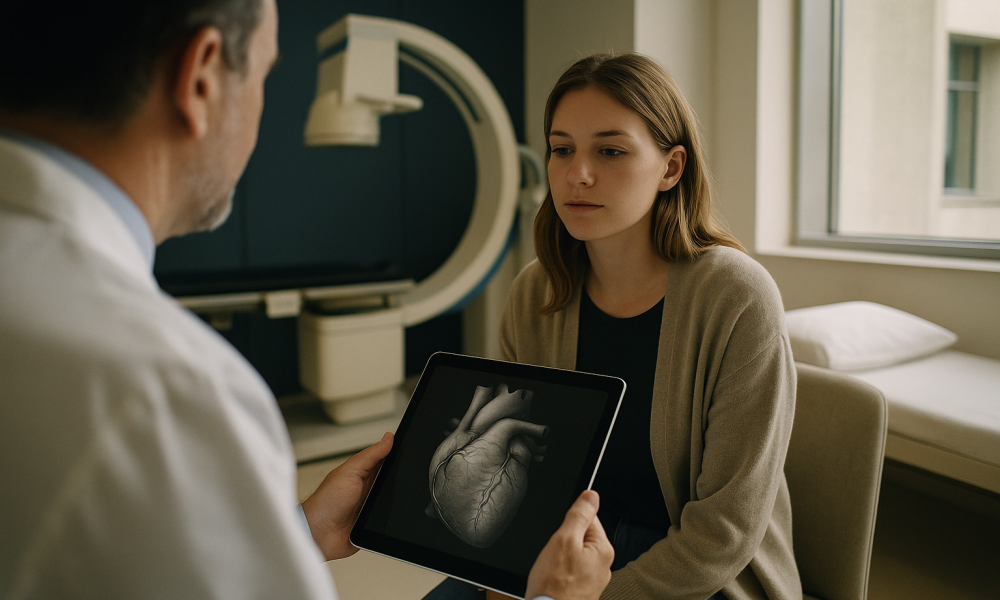
The Process: Cardiac Ablation Abroad in Turkey, step by step
- Enquiry: Initiate your journey by contacting a reputable medical tourism facilitator or directly reaching out to Turkish healthcare providers specializing in cardiac ablation. During this phase, you’ll provide your medical history and current health status to help the medical team understand your condition.
- Assessment: Once your enquiry is received, a multidisciplinary team will review your medical records. This assessment may include consultations with cardiologists to determine your suitability for cardiac ablation. You might be required to undergo preliminary tests such as ECGs or blood tests, which can often be conducted in your home country.
- Travel: Upon confirmation of your treatment plan, you’ll coordinate travel arrangements to Turkey. This includes securing a medical visa if necessary, booking flights, and arranging accommodation. Many clinics offer assistance with logistics, ensuring you have transportation and lodging sorted ahead of your arrival.
- Treatment Days: Arriving in Turkey, you will first meet with your medical team for a pre-procedure evaluation. The cardiac ablation procedure is typically performed in a state-of-the-art facility equipped with advanced technology. The procedure involves using catheters to correct abnormal heart rhythms by targeting problematic heart tissue.
- Discharge: Following the procedure, you will be monitored in the hospital for 1-2 days to ensure there are no complications. The medical staff will provide discharge instructions, including medication regimens and lifestyle recommendations to promote healing.
- Follow-up: After returning home, follow-up care is crucial. Your Turkish healthcare provider will coordinate with your local healthcare professional to monitor your recovery. Regular check-ups and possibly remote consultations will ensure that your heart health is maintained, and any concerns are addressed promptly.
What Cardiac Ablation Abroad is and who it is for
Cardiac ablation is a medical procedure used to treat certain types of arrhythmias, which are irregular heartbeats that can lead to serious complications if left untreated. This procedure is particularly beneficial for patients who have not responded well to medication or other forms of treatment. Cardiac ablation involves using catheters inserted through the veins to reach the heart tissue. Once in place, energy is used to create small scars in the heart tissue, which help to disrupt the electrical signals causing the arrhythmia.
Choosing to undergo cardiac ablation abroad, particularly in Turkey, offers several advantages. Turkey is renowned for its high-quality healthcare system and experienced medical professionals. The country boasts modern hospitals equipped with the latest technology, ensuring patients receive top-tier care. Moreover, the cost of cardiac ablation in Turkey is often significantly lower than in Western countries, making it an attractive option for international patients.
This treatment is suitable for individuals suffering from various types of arrhythmias, such as atrial fibrillation, atrial flutter, and supraventricular tachycardia. Candidates for cardiac ablation are typically those who experience symptoms like palpitations, dizziness, shortness of breath, or fatigue that impact their quality of life. It is crucial for potential patients to undergo a thorough evaluation to determine if they are ideal candidates for the procedure. Factors such as the type of arrhythmia, overall heart function, and general health will be considered.
For those considering cardiac ablation in Turkey, it is important to have a clear understanding of the process and what it entails. Patients should feel assured that they will receive comprehensive care from the initial enquiry through to post-procedure follow-up, ensuring a seamless and effective treatment journey.

Are you a candidate? Criteria and preparation
Cardiac ablation is a medical procedure used to correct heart rhythm problems, known as arrhythmias. Determining your candidacy for cardiac ablation is a critical step that involves a thorough evaluation by a cardiologist. The assessment typically includes a review of your medical history, a physical examination, and several diagnostic tests to ascertain the nature and severity of your arrhythmia. Here is a checklist of criteria and preparatory steps that can help determine if you are a suitable candidate for cardiac ablation:
- Medical Evaluation: You must undergo a comprehensive medical evaluation. This includes a detailed analysis of your cardiac history, current medications, and any underlying health conditions that may affect the procedure.
- Type of Arrhythmia: The specific type of arrhythmia you have will play a significant role in determining your candidacy. Common candidates for ablation include those with atrial fibrillation, atrial flutter, and certain types of supraventricular tachycardia (SVT).
- Previous Treatments: If you have not responded well to medications or other non-invasive treatments, ablation may be considered. Your cardiologist will evaluate the effectiveness and side effects of prior treatments.
- Age and Overall Health: While age is not a strict barrier, younger patients may be more likely to benefit from the procedure. Your overall health, including lung and kidney function, will also be assessed.
- Diagnostic Tests: You may need to undergo tests such as an electrocardiogram (ECG), echocardiogram, Holter monitor, or electrophysiology study to map the electrical pathways of your heart.
- Risk Assessment: Your cardiologist will conduct a risk assessment to weigh the benefits of the procedure against potential risks, which may include bleeding, infection, or heart damage.
- Patient Consent and Understanding: It is essential that you understand the procedure, its risks, and the possible outcomes. Informed consent is a critical component of the preparation process.
- Lifestyle Adjustments: You may be advised to make certain lifestyle changes before the procedure, such as quitting smoking, reducing alcohol intake, or managing stress.
By following this checklist and working closely with your healthcare team, you can ensure that you are adequately prepared for cardiac ablation and have the best chance of a successful outcome.
Techniques and options available in Turkey
Turkey offers a range of advanced techniques for cardiac ablation, leveraging the country’s well-established healthcare infrastructure and highly trained medical professionals. Cardiac ablation techniques in Turkey are designed to treat various types of arrhythmias, and the choice of technique is based on the specific needs and medical condition of the patient. Below are the primary techniques and options available for cardiac ablation in Turkey:
- Radiofrequency Ablation: This is the most common type of cardiac ablation performed. It involves using radiofrequency energy to heat and destroy small areas of heart tissue that cause arrhythmias. This technique is highly effective for treating conditions such as atrial fibrillation and atrial flutter.
- Cryoablation: In contrast to radiofrequency ablation, cryoablation uses extreme cold to freeze and destroy the problematic heart tissue. This method is often preferred for patients with arrhythmias located near critical structures of the heart, as it allows for more precise targeting with reduced risk of damage.
- Pulmonary Vein Isolation (PVI): This specialized form of ablation is primarily used for treating atrial fibrillation. It involves isolating the pulmonary veins from the left atrium to prevent erratic electrical signals from triggering arrhythmias.
- Catheter Ablation: This minimally invasive procedure involves threading a catheter through blood vessels to the heart, where it delivers energy to the specific areas causing the arrhythmia. Catheter ablation is suitable for a variety of arrhythmias and is known for its shorter recovery time.
- Laser Ablation: Although less common, laser ablation is another option available in some Turkish clinics. It uses laser energy to target and destroy arrhythmic tissue with precision.
- Hybrid Surgical Ablation: In cases where catheter ablation alone is insufficient, a hybrid approach may be considered. This combines catheter-based techniques with surgical methods to achieve comprehensive treatment, particularly for persistent or complex arrhythmias.
Turkey’s hospitals and clinics are equipped with state-of-the-art technology and adhere to international standards of care. The availability of diverse ablation techniques ensures that treatment can be tailored to the individual needs of patients, optimizing outcomes. Patients considering cardiac ablation in Turkey should consult with their healthcare provider to understand the most appropriate technique for their condition and the potential benefits and risks involved.
Recovery and aftercare timeline
Following cardiac ablation, the recovery process is crucial to ensure optimal outcomes and minimize complications. Patients typically stay in the hospital for observation, usually for one night, though this can vary based on individual cases and the type of ablation performed. Once discharged, patients should adhere to a structured recovery and aftercare plan, which is designed to monitor healing and prevent any potential issues.
| Period | What to expect | Care notes |
|---|---|---|
| First 24 hours | Patients may experience mild discomfort at the catheter insertion site and some fatigue. There might be minor bruising or swelling. | Rest and avoid strenuous activities. Pain relief can be managed with prescribed medications. Keep the insertion site clean and dry. |
| First week | Most patients resume light activities, though some fatigue and mild palpitations may persist. It’s important to avoid heavy lifting or intense physical exertion. | Attend follow-up appointments as scheduled. Monitor for any unusual symptoms, such as excessive bleeding or severe pain. |
| Two to six weeks | Gradual return to normal activities is encouraged. Fatigue should lessen, and heart rhythm should stabilize. | Continue with regular check-ups. Adhere to any medication regimen prescribed by your healthcare provider. |
| Six weeks and beyond | Most patients can return to full activity levels. The heart should function normally, and any previous symptoms should be significantly reduced or eliminated. | Maintain a healthy lifestyle, including a balanced diet and regular exercise. Continue to monitor heart health with periodic evaluations. |
Throughout the recovery period, patients should maintain open communication with their healthcare providers, especially if they experience any concerns or complications. The success of the recovery process is largely dependent on adherence to medical advice and a commitment to follow-up care.
Risks, safety and how accredited Turkish providers manage them
Cardiac ablation, while generally safe, carries inherent risks as with any medical procedure. Common risks include bleeding, infection at the catheter insertion site, damage to blood vessels, and, more rarely, complications such as stroke or heart puncture. The risk of these complications is minimized by the expertise of the medical team and the use of advanced technology.
Accredited Turkish healthcare providers adhere to stringent international standards to manage these risks effectively. Patients are subjected to thorough pre-operative evaluations to assess their suitability for the procedure, identifying any underlying conditions that may increase risk. During the procedure, sophisticated imaging technologies are employed to guide the catheter with precision, minimizing the likelihood of unintentional damage to the heart or surrounding structures.
Post-operatively, patients receive comprehensive monitoring to detect any immediate complications. This includes regular checks of vital signs and heart rhythm monitoring. In the event of any adverse symptoms, medical staff are trained to respond rapidly, employing advanced treatment protocols to address issues promptly.
Turkish medical facilities are equipped with state-of-the-art technology and staffed by experienced cardiac specialists. Many facilities are accredited by international bodies such as the Joint Commission International (JCI), ensuring adherence to global best practices in patient care and safety. These accreditations reflect a commitment to continuous improvement and rigorous quality control.
In addition to procedural safety, Turkish providers emphasize patient education as a key component of risk management. Patients are thoroughly informed about the procedure, potential risks, and signs of complications to watch for. This empowerment enables patients to play an active role in their recovery and to seek medical attention promptly if necessary.
Overall, the combination of expert medical care, advanced technology, and stringent safety protocols ensures that cardiac ablation in Turkey is performed with a high degree of safety and efficacy. Patients can be confident in the quality of care they will receive, supported by a robust framework of risk management strategies.
Choosing the right provider in Turkey
When selecting a provider for cardiac ablation in Turkey, it is crucial to consider several factors to ensure the highest quality of care. First and foremost, accreditation is a key indicator of a facility’s commitment to maintaining international healthcare standards. Look for hospitals and clinics that are accredited by recognized bodies such as the Joint Commission International (JCI) or the Turkish Ministry of Health. These accreditations confirm that the facility adheres to rigorous protocols for patient safety and care quality.
Surgeon experience is another critical factor. Opt for specialists who have extensive experience in performing cardiac ablation procedures. This can often be determined by the number of procedures they have conducted and their success rates. Many hospitals in Turkey provide detailed profiles of their medical staff, including their qualifications, years of experience, and areas of expertise, which can be invaluable in making an informed decision.
Be mindful of red flags that may indicate substandard care. These can include a lack of transparency in pricing, vague answers to questions about the procedure, or pressure tactics to make a quick decision. Reputable providers will offer clear, comprehensive information and allow patients ample time to consider their options. Additionally, reading reviews from former patients can provide insights into their experiences and satisfaction with the care received.
Furthermore, consider the level of post-procedure support offered by the facility. A comprehensive aftercare plan is essential for recovery, particularly for international patients who may need to travel soon after the procedure. Ensure that the provider offers robust follow-up care, including regular check-ups and access to medical professionals who can address any concerns that arise after the procedure.
Finally, consider the location and convenience of the facility. Turkey is a large country, and choosing a provider in a major city like Istanbul, Ankara, or Izmir can offer easier access to international airports, accommodation, and other amenities that may be necessary during your stay.
Cardiac Ablation Abroad Cost in Turkey
Understanding the cost of cardiac ablation abroad is essential for planning your medical journey. In Turkey, the cost of cardiac ablation can vary significantly based on several factors, including the facility’s location, the complexity of the procedure, and the specific needs of the patient. Generally, the indicative price range for cardiac ablation in Turkey is between $5,000 and $10,000 USD. This is considerably lower than the costs in countries such as the UK, US, Germany, Australia, and Canada.
| Country | Indicative Cost (USD) |
|---|---|
| Turkey | $5,000 – $10,000 |
| UK | $20,000 – $30,000 |
| US | $30,000 – $50,000 |
| Germany | $18,000 – $25,000 |
| Australia | $22,000 – $35,000 |
| Canada | $25,000 – $40,000 |
Many facilities in Turkey offer all-inclusive packages that can significantly ease the planning process. These packages often cover the cost of the procedure, hospital accommodation, pre- and post-operative consultations, and sometimes even travel arrangements and local transportation. It is important to clarify what is included in these packages to avoid unexpected expenses.
The price of cardiac ablation can be affected by several factors. The patient’s medical history, the duration of hospital stay, and any additional treatments or medications required can all influence the final cost. Furthermore, the technology and equipment used during the procedure may also affect pricing.
When reviewing quotes from different providers, ensure that you are comparing like for like. Some quotes may appear lower at first glance but may not include essential components such as aftercare or follow-up consultations. Always request a detailed breakdown of costs and services included to make an informed decision.
In summary, while the cost of cardiac ablation in Turkey is generally more affordable than in many Western countries, it is essential to conduct thorough research and communicate clearly with your chosen provider to understand the full scope of the expenses involved.
Frequently Asked Questions
What are the typical costs of cardiac ablation in Turkey?
The cost of cardiac ablation in Turkey typically ranges from $5,000 to $10,000 USD. This price can vary based on the facility, the complexity of the procedure, and the specific needs of the patient. It is advisable to request a detailed breakdown of costs from the provider to understand what is included.
How does the cost of cardiac ablation in Turkey compare to other countries?
Cardiac ablation in Turkey is generally more affordable than in countries like the US, UK, Germany, Australia, and Canada. For instance, while the procedure can cost between $30,000 and $50,000 USD in the US, it typically ranges from $5,000 to $10,000 USD in Turkey, offering significant savings for international patients.
Is cardiac ablation in Turkey safe?
Cardiac ablation in Turkey is considered safe, particularly when performed at accredited facilities with experienced surgeons. Many hospitals in Turkey adhere to international standards, and accreditation from bodies such as the Joint Commission International (JCI) ensures rigorous safety protocols are followed.
What should I consider when choosing a cardiac ablation provider in Turkey?
Key considerations include the facility's accreditation, the experience of the surgeons, transparency in pricing, and the level of post-procedure support offered. It is also helpful to read patient reviews and ensure the provider offers comprehensive aftercare services.
What is included in an all-inclusive cardiac ablation package in Turkey?
All-inclusive packages typically cover the procedure itself, hospital accommodation, pre- and post-operative consultations, and sometimes travel arrangements and local transportation. It is important to confirm what specific services are included with your provider.
Can the price of cardiac ablation in Turkey change after receiving a quote?
Prices can change based on factors such as the patient's medical history, additional treatments required, or extended hospital stays. It is advisable to discuss all potential costs with your provider upfront and obtain a comprehensive quote.
How can I verify the credentials of a cardiac ablation surgeon in Turkey?
You can verify a surgeon's credentials by checking their qualifications, years of experience, and the number of procedures they have performed. Many hospitals provide detailed profiles of their medical staff, which can be reviewed before making a decision.
Are there any risks associated with cardiac ablation?
As with any medical procedure, cardiac ablation carries some risks, including bleeding, infection, and damage to the heart or surrounding tissues. However, these risks are minimized when the procedure is performed by experienced surgeons in accredited facilities.
How long is the recovery period after cardiac ablation in Turkey?
Recovery time can vary, but most patients can resume normal activities within a few days to a week. It is important to follow the specific recovery plan provided by your healthcare team to ensure a smooth and safe recovery.
What follow-up care is necessary after cardiac ablation?
Follow-up care typically includes regular check-ups with your cardiologist to monitor heart function and ensure proper healing. It is crucial to adhere to the follow-up schedule and any recommended lifestyle changes or medications.
Can I travel immediately after cardiac ablation in Turkey?
Travel plans should be discussed with your healthcare provider, as recovery times can vary. Many patients are advised to stay in the local area for a short period post-procedure to ensure proper recovery and attend follow-up appointments.
How can I prepare for cardiac ablation in Turkey?
Preparation includes discussing your medical history with your healthcare provider, arranging travel and accommodation, and understanding the procedure and recovery process. It is also important to follow any pre-operative instructions given by your medical team.