
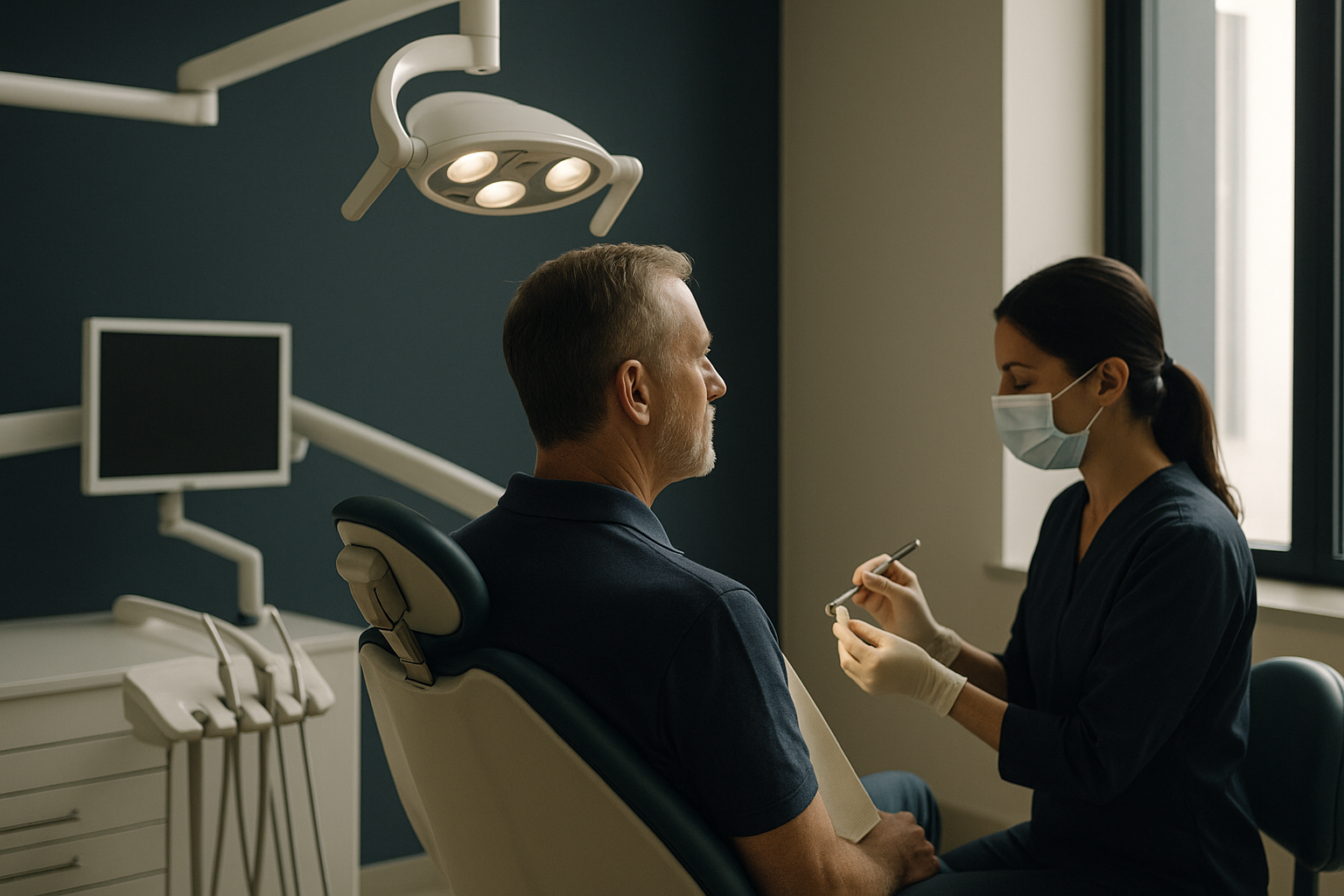
Dental veneers offer a transformative option for those looking to enhance their smile. Whether you’re considering this treatment in your home country or abroad, it’s crucial to understand the options, costs, and processes involved.
What Are Dental Veneers?
Dental veneers are thin, custom-made shells designed to cover the front surface of teeth. They are used to improve appearance by altering the color, shape, size, or length of the teeth. Typically made from porcelain or resin composite materials, veneers are bonded to the teeth to create a natural-looking smile. The choice between porcelain and resin veneers depends on several factors, including the desired aesthetic outcome, budget, and the condition of your natural teeth.
Porcelain veneers are often preferred for their stain resistance and light-reflecting qualities, which mimic the natural appearance of tooth enamel. They are generally more durable and can last between 10 to 15 years with proper care, although they require more enamel removal. On the other hand, resin veneers require less enamel removal and can be a more affordable option, making them suitable for minor cosmetic adjustments. Resin veneers typically have a lifespan of 5 to 7 years. Discussing with your dentist which material is best for your needs is essential, as they can provide personalized recommendations based on your dental health and aesthetic goals.
In addition to material choice, the procedure for getting dental veneers involves careful planning and precision. Your dentist will assess your oral health to ensure you are a good candidate for veneers. It’s important to address any underlying dental issues, such as cavities or gum disease, before proceeding. A detailed discussion with your dentist will cover the expected results, the number of veneers needed, and the overall treatment plan, including follow-up care and maintenance.
Is It Worth Going Abroad for Dental Treatment?
Many patients consider traveling abroad for dental treatment due to the potential cost savings. Countries like Turkey offer competitive dental implants prices, which can be significantly lower than those in the USA. On average, patients can save between 50% to 70% on dental procedures abroad, making it an attractive option for those facing high dental costs domestically. However, it’s important to weigh the benefits against potential risks associated with traveling for medical procedures.
Researching the dental clinic’s accreditation, reputation, and reviews is crucial to ensure you receive quality care. Look for clinics that are internationally accredited and have a track record of successful patient outcomes. Additionally, consider the qualifications and experience of the dental professionals who will be performing your treatment. It’s advisable to contact former patients and read testimonials to gain insights into their experiences.
Besides the cost of the procedure, factor in travel expenses, accommodation, and the possibility of needing follow-up visits. Some clinics offer packages that include accommodation and transportation, which can streamline the process. Patients must ensure they receive comparable quality care to what they would expect domestically. It’s also worth considering the potential need for emergency care if complications arise after returning home, which underscores the importance of choosing a reputable clinic.
How to Arrange Travel for Dental Treatment Abroad
Planning your travel for dental treatment abroad involves several key steps that ensure a smooth and successful experience. Start by consulting with the dental clinic to understand the procedure, recovery time, and any prerequisites. This initial consultation can often be conducted via video call, allowing you to discuss your needs and concerns directly with the dentist. It’s essential to have a clear understanding of the procedure timeline, including how many appointments are required and the duration of each visit.
Booking accommodations close to the clinic can ease stress and facilitate easy access, especially if multiple visits are necessary. Many patients choose to stay in hotels or vacation rentals nearby, ensuring that they can attend appointments without the added pressure of long commutes. Consider the amenities offered by local accommodations, such as in-room dining or transportation services, which can enhance your comfort during recovery.
Ensure you have sufficient time for recovery before returning home. Depending on the complexity of the procedure, you may need several days or weeks of recovery time. It’s also wise to arrange for medical travel insurance to cover unexpected complications, such as procedure-related issues or travel disruptions. Lastly, keep in communication with your dentist at home for post-procedure care, as they can provide ongoing support and monitor your progress once you return.
Why Is Dental Treatment Cheaper Abroad?
The lower cost of dental treatment abroad is often attributed to lower overhead expenses, including lower labour costs and less stringent regulatory requirements. This allows clinics in countries like Turkey to offer services at reduced prices compared to the USA. Additionally, the cost of living in many popular medical tourism destinations is lower, which translates to savings for both clinics and patients.
However, it’s crucial to ensure that cost savings do not come at the expense of quality. Verify the qualifications of the dental professionals and ensure the clinic adheres to international standards of hygiene and safety. Clinics that are accredited by recognized international bodies often uphold stringent quality standards. Patients should inquire about the materials used in procedures, as these can vary widely and impact both the durability and appearance of the final results.
Price transparency is another factor to consider. Request a detailed estimate that includes all potential costs, such as pre-procedure consultations, the procedure itself, materials used, and any post-procedure care. Be wary of deals that seem too good to be true, as they may hide additional costs or compromise on quality. While the promise of savings is appealing, the priority should always be on receiving safe and effective treatment.
Comparing Dental Veneers with Implants and Dentures
When considering dental enhancements, it’s important to compare veneers with other options like implants and dentures. Veneers are ideal for cosmetic improvements, offering a solution for teeth that are discolored, worn, chipped, or slightly misaligned. They provide a quick and effective way to achieve a uniform and aesthetically pleasing smile without invasive surgery. However, veneers are not suitable for severely damaged teeth or significant alignment issues.
Dental implants, on the other hand, provide a long-term solution for missing teeth. They involve surgically placing a titanium post into the jawbone, which acts as a root for a replacement tooth. Implants are known for their durability and can last over 20 years with proper care. They also help maintain jawbone integrity, which can be compromised when teeth are missing. However, the procedure is more invasive and requires a longer recovery time compared to veneers.
Dentures are removable alternatives to implants and are often more affordable. They are suitable for patients who have lost multiple teeth or require a full set of replacement teeth. Dentures can be custom-fitted to ensure comfort and functionality, but they may need adjustments over time as the shape of the mouth changes. They typically have a lifespan of 5 to 8 years. Each option has its benefits and considerations, and the choice should be made based on individual needs and budgets. Consulting with a dental professional can help determine the best course of action based on your oral health and aesthetic goals.
| Option | Purpose | Longevity |
|---|---|---|
| Veneers | Cosmetic enhancement | 10-15 years |
| Implants | Replace missing teeth | 20+ years |
| Dentures | Replace missing teeth | 5-8 years |
The Process of Getting Dental Veneers
The process of getting dental veneers typically involves several steps that require meticulous planning and execution to achieve the desired outcome. Initially, a consultation with your dentist will determine if veneers are suitable for you. During this appointment, your dentist will evaluate your dental health, discuss your aesthetic goals, and explain the procedure in detail. It’s an opportunity to address any concerns and understand the expected results.
Once deemed a suitable candidate, the next step is preparing the tooth surface by removing a small amount of enamel, typically about 0.5 millimeters, to accommodate the veneer. This step is crucial for ensuring that the veneer sits flush with the surrounding teeth and looks natural. Local anesthesia may be used to minimize discomfort during this process. After preparation, impressions of your teeth are made to create the custom veneers. These impressions are sent to a dental laboratory where skilled technicians craft the veneers to match your desired specifications.
Once ready, the veneers are bonded to your teeth using a special adhesive that is cured with a light beam to ensure a strong bond. Your dentist will make any necessary adjustments to ensure the fit and appearance are perfect. The process is generally completed over two to three appointments, allowing for any necessary adjustments and ensuring patient satisfaction. After placement, it’s important to follow your dentist’s advice on care and maintenance to maximize the lifespan of your veneers. Regular dental check-ups and good oral hygiene are essential to maintaining the appearance and function of your new smile.
Conclusion: Making an Informed Decision
Choosing dental veneers requires careful consideration of all available information. Whether opting for treatment at home or abroad, ensure you are informed about the procedures, costs, and follow-up care needed. A thorough understanding of your options will empower you to make decisions that align with your aesthetic goals, budget, and health considerations. It’s also important to set realistic expectations regarding the results and maintenance of veneers.
With the right preparation, dental veneers can offer a significant improvement in dental aesthetics and confidence. They provide an opportunity for a more radiant smile and can have a positive impact on personal and professional interactions. However, the commitment to care and maintenance cannot be understated. Regular dental visits and proper oral hygiene practices are essential to preserving the longevity and appearance of your veneers.
Ultimately, the decision to enhance your smile with veneers should be made with confidence and clarity. Consult with experienced dental professionals who can guide you through the process and help you achieve the results you desire. With informed choices and expert care, dental veneers can be a transformative investment in your smile and self-esteem.
Proven result
80 to 240 dental patients a month from France
High-volume dental clinic, Istanbul
Frequently asked questions
Is it worth going abroad for dental treatment?
Going abroad can offer significant cost savings, but ensure the clinic’s accreditation and quality standards meet your expectations.
How to arrange travel for dental treatment abroad?
Coordinate with the clinic, book local accommodations, allow recovery time, and obtain medical travel insurance.
Why is dental treatment cheaper abroad?
Lower operational costs and fewer regulatory burdens contribute to reduced prices abroad, but ensure quality is not compromised.
What are the different types of dental veneers?
Dental veneers are typically made from porcelain or resin composite, each offering different benefits and costs.
Related guides

Healthcare Content Compliance Guide for Growth
A high-performing treatment page can generate international patient inquiries within hours. It can also create material risk if…

Turkey Hospitals vs Local Hospitals Compared
A lower procedure quote can get a patient’s attention. It should not make the decision on its own.…

Patient Experience That Drives Trust and Growth
A patient who has already uploaded medical records, compared providers, and arranged time away from work is not…