
The Process: TrueBeam Radiotherapy Abroad in Turkey, step by step
- Initial Enquiry: Patients begin their journey by contacting a medical tourism facilitator or healthcare provider in Turkey. This initial contact involves sharing basic medical information and the specific type of cancer diagnosis. Patients may be asked to provide medical records, imaging reports, and any previous treatment details to facilitate a preliminary assessment.
- Assessment: Once the initial enquiry is made, a team of specialists reviews the patient’s medical history and current health status. This assessment includes a detailed review by oncologists and radiologists who are experienced in TrueBeam Radiotherapy. The aim is to determine the suitability of the patient for the procedure and to develop a personalised treatment plan. This step often involves virtual consultations to discuss the patient’s needs and expectations.
- Travel Arrangements: Upon confirmation of the treatment plan, patients can proceed to make travel arrangements to Turkey. This includes booking flights, arranging for accommodation, and planning for local transportation. Many healthcare providers offer assistance with these logistics to ensure a seamless experience. Patients are advised to travel with a companion, especially if they require assistance during their stay.
- Treatment Days: The TrueBeam Radiotherapy sessions are typically scheduled over several days or weeks, depending on the treatment plan. Each session lasts approximately 15-30 minutes and does not require anaesthesia. The advanced technology of the TrueBeam system allows for precise targeting of cancer cells, minimising damage to surrounding healthy tissue. Patients are closely monitored by a team of medical professionals to ensure optimal outcomes.
- Discharge: As TrueBeam Radiotherapy is an outpatient procedure, patients are usually able to leave the hospital shortly after each session. However, the complete course of treatment may require multiple visits. Patients are advised to follow any specific instructions provided by their healthcare team regarding post-treatment care and activities.
- Follow-up: After completing the radiotherapy sessions, patients will have follow-up consultations with their healthcare providers to monitor their recovery and assess the effectiveness of the treatment. This may involve additional imaging studies and discussions about any further treatment needs. Ongoing communication with the healthcare team is essential to address any concerns and to make necessary adjustments to the care plan.
What TrueBeam Radiotherapy Abroad is and who it is for
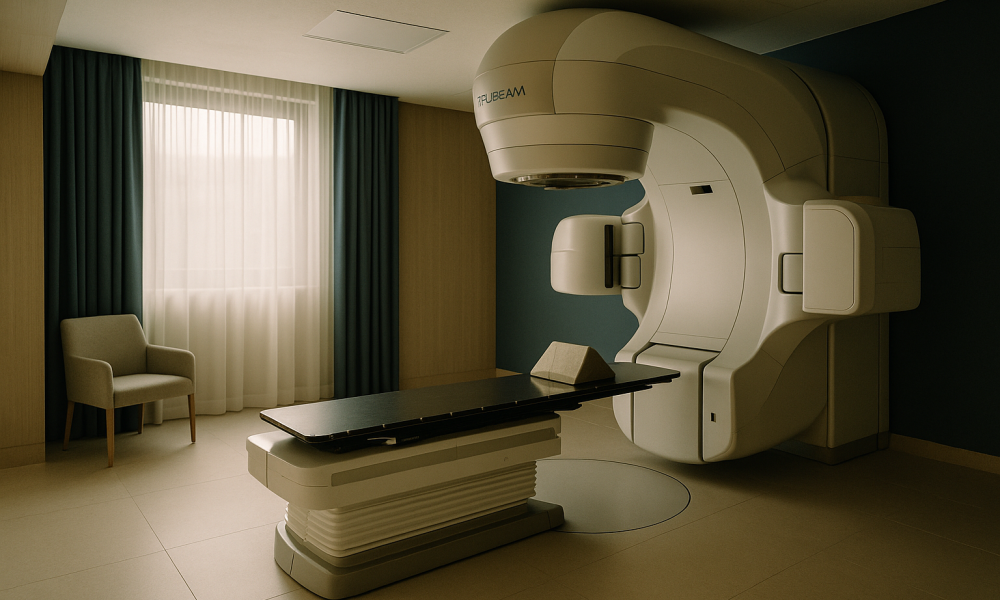
TrueBeam Radiotherapy is an advanced form of cancer treatment that uses high-energy radiation beams to target and destroy cancerous cells with precision. Developed by Varian Medical Systems, TrueBeam is designed to deliver radiation therapy quickly and accurately, reducing treatment times and improving patient comfort. It is particularly effective for treating a wide range of cancers, including those located in the brain, head and neck, lung, breast, abdomen, and pelvis.
This state-of-the-art technology integrates imaging, beam delivery, and motion management to ensure that the radiation dose is delivered with pinpoint accuracy. By adapting to the shape and movement of the tumour, TrueBeam allows for higher doses of radiation to be administered, effectively reducing the number of treatment sessions required. This precision not only enhances the treatment’s efficacy but also spares surrounding healthy tissues from unnecessary exposure.
TrueBeam Radiotherapy in Turkey offers international patients access to cutting-edge cancer care at competitive costs. Patients from around the world choose Turkey for their treatment due to the combination of advanced medical facilities, highly qualified specialists, and the opportunity to receive care in a country known for its hospitality and cultural richness.
TrueBeam is suitable for patients who require targeted radiotherapy and those who may have previously undergone surgery or chemotherapy. It is particularly beneficial for patients with tumours that are difficult to reach or are located near critical organs. The technology’s ability to adapt to tumour motion makes it ideal for treating cancers that are affected by breathing or other bodily movements.
In summary, TrueBeam Radiotherapy is a sophisticated solution for cancer patients seeking effective treatment abroad. With its focus on precision, speed, and patient comfort, it represents a significant advancement in the field of radiotherapy, offering hope and improved outcomes for many individuals battling cancer.
Are you a candidate? Criteria and preparation
Determining candidacy for TrueBeam radiotherapy involves a thorough evaluation by oncology specialists. This assessment considers various factors, including the type and stage of cancer, the patient’s overall health, and prior treatments. TrueBeam radiotherapy is suitable for patients with tumors in sensitive areas or those requiring high precision, such as brain, spine, lung, liver, and prostate cancers.
Before proceeding with TrueBeam treatment, potential candidates undergo a comprehensive diagnostic process. This includes imaging studies like CT, MRI, or PET scans to accurately map the tumor’s location and size. These imaging results are crucial for creating a tailored treatment plan that maximizes effectiveness while minimizing exposure to surrounding healthy tissues.
Patients should also have a detailed medical history review to identify any conditions that might impact treatment, such as cardiovascular issues or previous radiation therapy. An interdisciplinary team, often comprising oncologists, radiologists, and medical physicists, collaborates to ensure each patient’s suitability for TrueBeam technology.
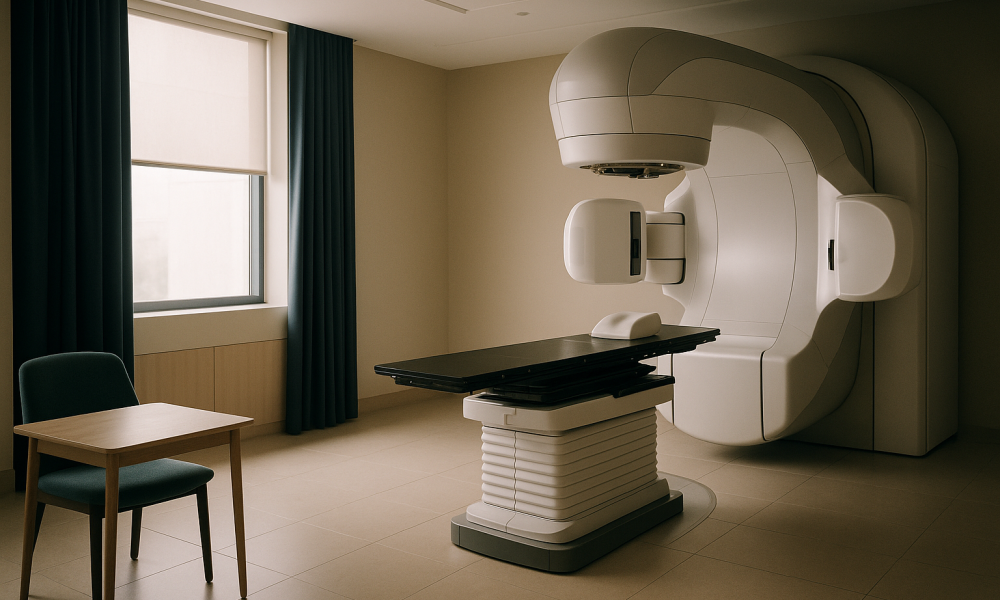
Preparation for TrueBeam radiotherapy involves several steps. Patients may need to undergo a simulation session to help the medical team plan the precise delivery of radiation. During this session, patients are positioned exactly as they will be during treatment, and immobilization devices may be custom-fitted to ensure consistent and accurate positioning.
Here is a checklist to help you prepare for TrueBeam radiotherapy:
- Consult with your oncologist to discuss the potential benefits and risks of TrueBeam radiotherapy.
- Complete all necessary imaging tests and ensure results are available for your medical team.
- Provide a comprehensive medical history, including any previous cancer treatments and current medications.
- Attend a simulation session to plan the treatment and get fitted for any necessary immobilization devices.
- Discuss any dietary or lifestyle adjustments recommended by your healthcare provider to optimize treatment outcomes.
- Arrange for transportation and accommodation in Turkey, considering the duration of the treatment program.
- Ensure you have adequate travel and health insurance coverage for your stay in Turkey.
Being well-prepared can significantly influence the treatment’s success and your overall experience. Patients are encouraged to maintain open communication with their healthcare team throughout the process.
Techniques and options available in Turkey
Turkey offers a range of advanced techniques and options for TrueBeam radiotherapy, reflecting its commitment to providing cutting-edge cancer treatments. TrueBeam technology itself is celebrated for its versatility and precision, capable of delivering various types of radiotherapy such as Intensity-Modulated Radiotherapy (IMRT), Image-Guided Radiotherapy (IGRT), and Stereotactic Body Radiotherapy (SBRT).
IMRT is a technique that allows for the radiation dose to be shaped precisely to the contours of the tumor. This is achieved by modulating the intensity of the radiation beams, enabling higher doses to be delivered to the tumor while sparing surrounding healthy tissues. IMRT is particularly beneficial for treating tumors located near critical structures, such as head and neck cancers.
IGRT enhances the precision of radiotherapy by utilizing imaging during treatment sessions. This ensures that the radiation is delivered accurately, even if there are slight movements in the patient or the tumor between sessions. IGRT is crucial for targeting tumors in areas subject to movement, such as the lungs or prostate.
SBRT is a highly precise form of radiotherapy that delivers large doses of radiation to a small, well-defined tumor area, typically in fewer treatment sessions. This approach is often used for treating small, early-stage tumors or those that have metastasized to the lung, liver, or other organs. The precision of SBRT minimizes damage to surrounding tissues and can significantly reduce the treatment duration.
In Turkey, the integration of these techniques with TrueBeam technology is supported by a robust healthcare infrastructure and skilled medical professionals. Patients benefit from comprehensive cancer care, which includes not only advanced radiotherapy but also supportive services such as nutrition counseling, psychological support, and rehabilitation programs.
Additionally, Turkey’s strategic location and investment in medical tourism make it an attractive destination for international patients seeking high-quality radiotherapy treatments. Many Turkish hospitals adhere to international accreditation standards, ensuring that patients receive care that meets global benchmarks for quality and safety.
Patients considering TrueBeam radiotherapy in Turkey can also expect a holistic approach to cancer care. This includes personalized treatment plans developed by multidisciplinary teams, incorporating the latest research and clinical trials to optimize outcomes. The availability of state-of-the-art facilities and technologies further enhances the effectiveness of treatment, making Turkey a premier choice for those seeking advanced cancer therapies.
5. Recovery and aftercare timeline
Undergoing TrueBeam Radiotherapy in Turkey involves a structured recovery and aftercare process designed to ensure optimal outcomes and patient safety. Understanding the timeline and what to expect at each stage can help patients manage their recovery effectively.
| Period | What to Expect | Care Notes |
|---|---|---|
| Immediate Post-Treatment (0-2 Days) | Patients may experience mild fatigue and localized skin reactions, such as redness or irritation, in the treated area. These symptoms are generally mild and temporary. | Rest is advised, and patients should avoid applying any creams or lotions to the treated area unless recommended by their healthcare provider. Hydration and a balanced diet are encouraged to support recovery. |
| Short-Term Recovery (3-14 Days) | Fatigue may persist, and some patients might notice continued skin sensitivity or dryness. It is important to monitor for any unusual symptoms and report them to the healthcare team. | Patients should continue to rest adequately and follow any specific skincare instructions provided by their radiotherapy team. Gentle skin care products may be recommended. |
| Medium-Term Recovery (2-6 Weeks) | Most acute side effects begin to subside. Energy levels typically improve, and skin reactions should diminish significantly. Patients may still experience some degree of tiredness. | Regular follow-up appointments are crucial during this period to monitor recovery and address any ongoing symptoms. Patients should follow any dietary or lifestyle modifications advised by their healthcare provider. |
| Long-Term Recovery (6 Weeks and Beyond) | By this stage, many patients return to their normal routines. Long-term skin changes, such as slight darkening or sensitivity, might persist but are usually manageable. | Continued follow-up care is essential to ensure no late-onset side effects develop. Patients are encouraged to maintain a healthy lifestyle to support their overall well-being. |
Throughout the recovery process, Turkish healthcare providers offer comprehensive support, with access to multidisciplinary teams to address any concerns or complications that may arise. Patients are encouraged to communicate openly with their healthcare team to ensure a smooth recovery journey.
6. Risks, safety and how accredited Turkish providers manage them
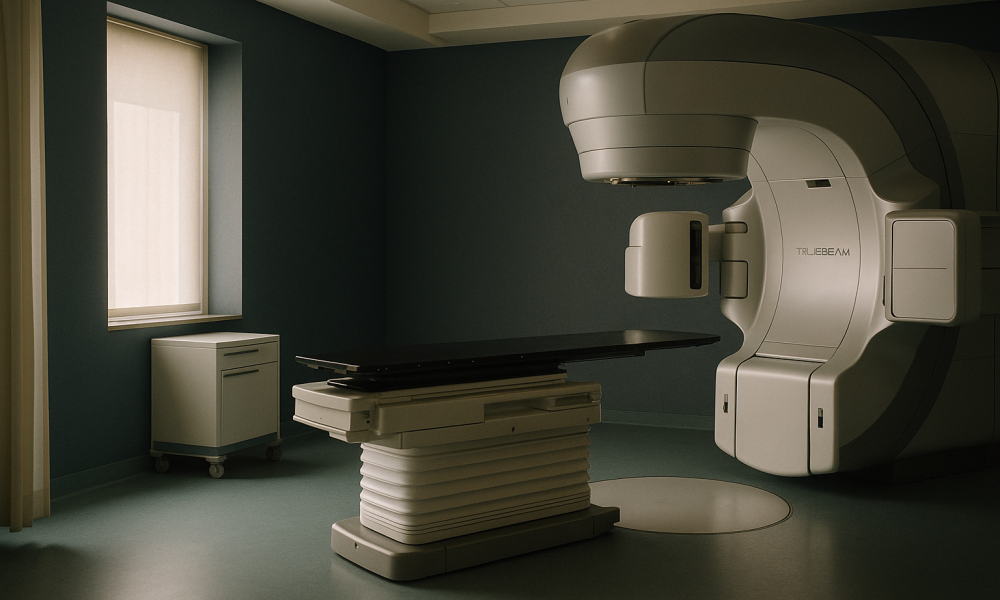
TrueBeam Radiotherapy, like all medical treatments, carries certain risks and potential side effects. However, the advanced technology and precision of the TrueBeam system significantly minimize these risks. Accredited Turkish providers prioritize patient safety through rigorous protocols and continuous monitoring.
Common risks associated with radiotherapy include fatigue, skin irritation, and localized discomfort. More serious risks, although rare, can include damage to surrounding healthy tissues and organs. Accredited facilities in Turkey utilize cutting-edge imaging and planning techniques to target only the cancerous tissues, thereby reducing exposure to healthy areas.
Turkish clinics adhere to international safety standards, ensuring that equipment is regularly calibrated and maintained to the highest specifications. The medical teams are highly trained, often with international experience, and undergo continuous education to stay abreast of the latest advancements in radiotherapy.
Before treatment, a comprehensive consultation is conducted to assess the patient’s overall health and suitability for TrueBeam Radiotherapy. This includes detailed imaging studies and a review of the patient’s medical history. The treatment plan is customized for each patient, taking into account the type, location, and stage of cancer, as well as the patient’s personal health considerations.
During treatment, real-time imaging capabilities of the TrueBeam system allow for precise adjustments to account for any patient movement, ensuring accurate delivery of radiation. This helps in minimizing the impact on surrounding healthy tissue and reducing the likelihood of side effects.
Post-treatment, Turkish providers offer robust follow-up care, including regular monitoring and support to manage any side effects. This comprehensive approach ensures that any complications are addressed promptly, maintaining the highest standards of patient care.
In summary, the risks associated with TrueBeam Radiotherapy are carefully managed by accredited Turkish providers through advanced technology, stringent safety protocols, and a patient-centered approach. This commitment to excellence in care provides international patients with confidence in choosing Turkey as their destination for radiotherapy treatment.
7. Choosing the right provider in Turkey
When considering TrueBeam Radiotherapy in Turkey, selecting the appropriate provider is crucial to ensure high-quality care and optimal outcomes. Accreditation from internationally recognised bodies, such as the Joint Commission International (JCI), is a strong indicator of a facility’s commitment to maintaining high standards of healthcare. These accreditations ensure that the clinic adheres to rigorous protocols concerning safety, patient care, and treatment efficacy.
Another essential factor is the experience and qualifications of the oncologists and medical team. A reputable facility will employ specialists with extensive experience in delivering radiotherapy treatments, particularly using advanced systems like TrueBeam. Prospective patients should inquire about the number of procedures performed annually by the clinic, as well as the specific training and certifications held by the medical staff.
Patients should be vigilant about potential red flags. Facilities that are unwilling to provide detailed information about their accreditation, the qualifications of their staff, or the specifics of their treatment protocols should be approached with caution. Additionally, a lack of transparency concerning treatment costs and the absence of clear communication channels can be indicative of subpar service.
Recommendations from previous patients, as well as independent reviews, can also provide valuable insights into the quality of care provided by a facility. Engaging with patient testimonials and healthcare forums can offer an unfiltered perspective on the experiences of others who have undergone TrueBeam Radiotherapy in Turkey. Ensuring that the facility has a comprehensive support system in place for international patients, including language assistance and logistical support, is also important for a smooth treatment journey.
- Verify accreditation from bodies like JCI.
- Check oncologist experience and qualifications.
- Be cautious of facilities lacking transparency.
- Seek patient reviews and testimonials.
- Ensure comprehensive international patient support.
8. TrueBeam Radiotherapy Abroad Cost in Turkey
The cost of TrueBeam Radiotherapy in Turkey is significantly lower than in many Western countries, making it an attractive option for international patients. The indicative price range for a full course of treatment in Turkey is typically between £3,000 and £6,000. This is in stark contrast to the UK, where costs can range from £10,000 to £20,000, and the US, where prices can soar to between £15,000 and £30,000. Germany offers treatment at approximately £12,000 to £22,000, while in Australia and Canada, costs can be similar to those in the UK and US.
| Country | Indicative Cost Range |
|---|---|
| Turkey | £3,000 – £6,000 |
| UK | £10,000 – £20,000 |
| US | £15,000 – £30,000 |
| Germany | £12,000 – £22,000 |
| Australia | £10,000 – £20,000 |
| Canada | £10,000 – £20,000 |
All-inclusive treatment packages in Turkey may cover consultations, the full radiotherapy course, accommodation, airport transfers, and sometimes even a dedicated patient coordinator. However, it is crucial to clarify what is included in the quoted price, as some packages may not cover additional costs such as follow-up care or unexpected complications.
Several factors can influence the overall cost, including the complexity of the individual case, the number of sessions required, and any additional treatments necessary. Patients should carefully review all quotes and ensure they understand the breakdown of costs. Transparency in pricing is a hallmark of reputable providers, and patients should not hesitate to ask for clarifications on any aspect of the cost structure.
When comparing quotes, look for detailed explanations of each cost component and consider the value of additional services offered, such as post-treatment follow-up or comprehensive support for international patients. Understanding these elements will help in making an informed decision about where to undergo treatment.
- Turkey: £3,000 – £6,000
- UK: £10,000 – £20,000
- US: £15,000 – £30,000
- Germany: £12,000 – £22,000
- Australia: £10,000 – £20,000
- Canada: £10,000 – £20,000
Frequently Asked Questions
How much does TrueBeam Radiotherapy cost in Turkey?
In Turkey, the cost of TrueBeam Radiotherapy typically ranges between £3,000 and £6,000. This price is significantly lower compared to other countries like the UK, US, and Germany. The cost may vary depending on the complexity of the case and the specific services included in the treatment package.
What factors affect the price of TrueBeam Radiotherapy?
The price of TrueBeam Radiotherapy can be influenced by several factors, including the number of treatment sessions required, the complexity of the patient's condition, and any additional treatments needed. It is essential to understand what is included in the initial quote, such as consultations, accommodation, and follow-up care.
Is TrueBeam Radiotherapy safe?
TrueBeam Radiotherapy is a highly advanced and precise treatment method designed to accurately target cancerous tissues while minimizing exposure to surrounding healthy tissues. Safety is a top priority, and facilities offering this treatment are typically accredited by international bodies, ensuring adherence to strict safety protocols and standards.
Are there any hidden costs in the treatment package?
Reputable clinics in Turkey typically offer transparent pricing with no hidden costs. However, it's important for patients to clarify what their package includes, such as accommodation, transfers, and follow-up care, to avoid unexpected expenses. Discussing these details upfront with the provider is always recommended.
What should I look for in a treatment package?
A comprehensive treatment package should ideally include the full course of radiotherapy, initial and follow-up consultations, accommodation, airport transfers, and a dedicated patient coordinator. Confirm all inclusions and ask for a detailed breakdown to ensure you understand what you are paying for.
How can I verify a clinic's accreditation?
You can verify a clinic's accreditation by checking if it is certified by internationally recognised bodies such as the Joint Commission International (JCI). Accreditation information is usually available on the clinic's website, or you can request this documentation directly from the facility.
What experience should the medical team have?
The medical team should have extensive experience in delivering radiotherapy treatments, particularly with advanced systems like TrueBeam. Look for specialists with relevant training, certifications, and a track record of successful treatments, as well as the number of procedures they perform annually.
Can I read reviews from previous patients?
Yes, reading reviews from previous patients can provide valuable insights into the quality of care and patient experience at a particular facility. Look for testimonials on the clinic's website and independent healthcare forums for balanced perspectives.
What support is available for international patients?
Many Turkish clinics offer comprehensive support for international patients, including language assistance, logistical help with travel arrangements, and a dedicated patient coordinator to guide you through the treatment process. Ensuring this support is in place can significantly enhance your treatment experience.
How do I interpret treatment quotes?
When reviewing treatment quotes, ensure they provide a detailed breakdown of all costs involved. Look for transparency in pricing and ask for clarifications on any ambiguous items. Consider the value of additional services such as post-treatment care and patient support when comparing quotes.
What is the typical duration of TrueBeam treatment?
The duration of TrueBeam Radiotherapy treatment can vary based on the individual case and the number of sessions required. Typically, a full course may last several weeks, with sessions held daily or weekly, depending on the treatment plan devised by your medical team.
Is follow-up care included in the treatment package?
Follow-up care may be included in some treatment packages, but it's important to confirm this with your provider. Understanding the scope of post-treatment support available is crucial for ongoing recovery and monitoring, especially when receiving treatment abroad.