
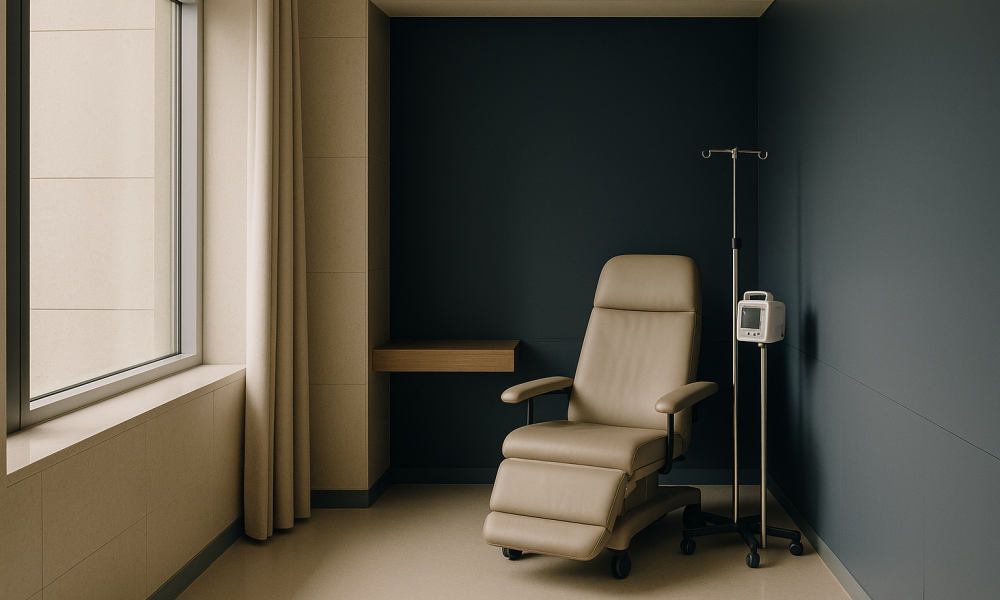
The Process: Immunotherapy Abroad in Turkey, step by step
- Enquiry: The journey begins with an initial enquiry, where you reach out to a healthcare facilitator or directly to a Turkish medical institution. During this stage, you will provide details about your medical history and current condition. The enquiry can be made via email, phone, or online consultation.
- Assessment: Upon receiving your enquiry, a team of specialists will review your medical records. This may include a detailed analysis of your previous treatments, current health status, and the specific type of cancer being treated. You may be asked to provide additional tests or imaging results to aid in the assessment.
- Travel Arrangements: Once you are deemed a suitable candidate for immunotherapy, travel arrangements are made. This includes securing a visa if necessary, booking flights, and arranging accommodation. Some healthcare providers offer packages that include these logistics to simplify the process for international patients.
- Treatment Days: Upon arrival in Turkey, you will have an initial consultation with your healthcare team to finalize your treatment plan. Immunotherapy is typically administered in an outpatient setting, and the number of sessions will depend on your individual treatment protocol. The sessions are scheduled with intervals to monitor your progress and response to the therapy.
- Discharge: After completing the initial phase of treatment, you will be discharged with a comprehensive care plan. This plan will include instructions for managing any side effects, medication schedules, and dietary recommendations. You will also receive contact information for your healthcare team should you have any questions or concerns upon returning home.
- Follow-up: Follow-up care is crucial to monitor the effectiveness of the treatment and manage any long-term side effects. This may involve periodic check-ins via telemedicine consultations or coordinating with your local healthcare providers. Your Turkish medical team will remain available to ensure ongoing support and guidance.
What Immunotherapy Abroad is and who it is for
Immunotherapy is an innovative approach to cancer treatment that utilizes the body’s immune system to fight cancer cells. Unlike traditional therapies such as chemotherapy and radiation, which directly target cancer cells, immunotherapy works by enhancing or restoring the immune system’s natural ability to combat the disease. This treatment is particularly effective in certain types of cancers, including melanoma, lung cancer, and some types of leukaemia and lymphoma.
For international patients considering immunotherapy abroad, Turkey offers a compelling option. The country is known for its advanced healthcare infrastructure, skilled medical professionals, and cost-effective treatment options. Patients who may benefit from immunotherapy include those who have not responded to conventional treatments, have specific genetic markers that make them suitable candidates for this type of therapy, or are seeking a complementary approach to their existing treatment regimen.
Before deciding on immunotherapy abroad, it is essential to understand the potential benefits and limitations. Immunotherapy can lead to long-lasting remissions and, in some cases, may result in fewer side effects compared to traditional treatments. However, not all patients will respond to immunotherapy, and it can take time to see the results. Therefore, a thorough evaluation by a qualified medical team is necessary to determine if this treatment is appropriate for you.
Turkey’s medical institutions are equipped with the latest technologies and adhere to international standards of care, making them a reliable choice for those seeking immunotherapy abroad. With a focus on patient-centered care, these facilities offer personalized treatment plans tailored to the unique needs of each patient, ensuring a supportive and comprehensive healthcare experience.

Are you a candidate? Criteria and preparation
Determining candidacy for immunotherapy is pivotal in ensuring the effectiveness and safety of the treatment. Immunotherapy is primarily used for conditions such as cancer, autoimmune diseases, and allergies. Before considering treatment abroad, including in Turkey, patients should undergo a comprehensive assessment by qualified healthcare professionals. This involves a detailed review of medical history, current health status, and specific disease characteristics.
Key criteria for immunotherapy candidacy include the type and stage of disease, previous treatment responses, and overall health status. For cancer patients, factors such as tumour type, genetic markers, and presence of specific proteins that may respond to immunotherapy are crucial. Autoimmune patients need to be evaluated for disease activity and potential risks of exacerbating symptoms. Allergy sufferers must be assessed for the severity and triggers of their allergic reactions.
Preparation for immunotherapy involves several critical steps to ensure readiness and optimize outcomes. Patients should engage in thorough discussions with their healthcare providers to understand the potential risks and benefits. This includes reviewing possible side effects, which can range from mild reactions to more severe immune-related adverse events. It is also essential to coordinate with a healthcare facility in Turkey to discuss the specifics of the treatment plan, including logistics and follow-up care.
- Consult with your primary healthcare provider to confirm the suitability of immunotherapy for your condition.
- Gather all relevant medical records, including past treatments and diagnostic tests, to share with specialists in Turkey.
- Discuss potential side effects and management strategies with your healthcare team.
- Ensure you have a clear understanding of the treatment timeline and necessary follow-up care.
- Verify that your health insurance covers treatment abroad or make financial arrangements if necessary.
- Prepare a list of questions and concerns to discuss during your initial consultation in Turkey.
- Consider additional travel arrangements, including accommodation and transportation to medical facilities.
By meeting these criteria and adequately preparing, patients can enhance the effectiveness of their immunotherapy treatment in Turkey.
Techniques and options available in Turkey
Turkey has become a prominent destination for immunotherapy due to its advanced medical infrastructure and skilled healthcare professionals. The country offers a broad spectrum of immunotherapy options tailored to various conditions, leveraging both established and innovative techniques. Patients can access treatments that are comparable to those available in Western countries, often at more competitive prices.
One of the primary techniques available is checkpoint inhibitor therapy, which targets proteins that regulate immune responses, thus enhancing the body’s ability to fight cancer cells. This method has shown success in treating various cancers, including melanoma, lung cancer, and renal cell carcinoma. Turkish clinics employ state-of-the-art technologies to administer these treatments, ensuring high standards of patient care and safety.
Another option is adoptive cell transfer, which involves modifying a patient’s immune cells to better attack cancer cells. This technique includes CAR T-cell therapy, a cutting-edge approach that has been effective in treating certain blood cancers. Turkish medical centres are equipped with the necessary facilities to perform these complex procedures, supported by teams of experienced oncologists and haematologists.
For autoimmune diseases, Turkey offers biologic therapies that target specific components of the immune system to reduce inflammation and disease activity. These treatments are available for conditions such as rheumatoid arthritis, psoriasis, and inflammatory bowel disease. Turkish specialists are adept at tailoring these therapies to individual patient needs, optimizing outcomes while minimizing side effects.
Allergy immunotherapy, also known as desensitization or hypo-sensitization, is another area where Turkish healthcare excels. This involves gradually exposing patients to increasing amounts of allergens to build tolerance and reduce allergic reactions. Clinics in Turkey use advanced diagnostic tools to identify allergens accurately and develop personalized treatment plans.
In addition to these treatments, Turkey offers supportive therapies that complement immunotherapy. These may include nutritional support, psychological counselling, and rehabilitation services to enhance overall patient well-being. The integration of these services into the treatment plan ensures a holistic approach to patient care.
Overall, the range of immunotherapy techniques available in Turkey, combined with the expertise of its healthcare professionals, makes it an attractive option for international patients seeking advanced treatment solutions.
Recovery and aftercare timeline
After undergoing immunotherapy treatment in Turkey, a well-structured recovery and aftercare plan is crucial for ensuring optimal outcomes. The timeline for recovery and aftercare may vary based on the type of immunotherapy, the specific condition being treated, and individual patient factors. Below is a generalised timeline that provides an overview of what patients can expect during their recovery process.
| Period | What to Expect | Care Notes |
|---|---|---|
| Immediate Post-Treatment (1-2 Days) | Patients may experience mild side effects such as fatigue, fever, or nausea. These are generally temporary and subside within a few days. | It is recommended to rest and stay hydrated. Patients should follow any specific instructions provided by their healthcare provider, including medication schedules. |
| Short-Term Recovery (1-2 Weeks) | Most side effects should diminish. Patients might notice gradual improvement in their symptoms as the immune system begins to respond to the treatment. | Regular follow-up consultations are important during this phase to monitor progress and manage any emerging side effects. Nutritional support and gentle physical activity may be advised. |
| Mid-Term Recovery (3-6 Weeks) | This period often marks the beginning of noticeable therapeutic effects. Patients may experience increased energy levels and improvement in their overall condition. | Continued monitoring through periodic check-ups is essential. Adjustments to treatment or supportive therapies might be made based on the patient’s response. |
| Long-Term Recovery (2-3 Months) | Patients may achieve significant improvements or stabilisation of their condition. Long-term side effects, if any, should be discussed with the healthcare provider. | Ongoing evaluation of treatment effectiveness and management of any chronic side effects are crucial. Lifestyle modifications and regular health assessments are recommended. |
| Beyond 3 Months | Patients often enter a maintenance phase where the focus is on sustaining treatment benefits and quality of life. | Regular communication with healthcare providers is important to adjust any long-term care plans. Patients should continue to adhere to healthy lifestyle practices. |
In conjunction with this timeline, patients are encouraged to maintain open communication with their healthcare team, report any unusual symptoms, and adhere to prescribed medications or therapies. The support of family and friends can also be beneficial during the recovery process.

Risks, safety and how accredited Turkish providers manage them
Immunotherapy, like any medical treatment, carries certain risks and potential side effects. However, accredited Turkish healthcare providers are committed to managing these risks through rigorous safety protocols and patient-centred care practices.
Common risks associated with immunotherapy include immune-related adverse effects such as skin rashes, gastrointestinal issues, and flu-like symptoms. More serious but less common risks might involve complications such as severe allergic reactions or autoimmune responses. Accredited providers in Turkey mitigate these risks by conducting thorough pre-treatment assessments to evaluate a patient’s suitability for immunotherapy.
Accredited clinics in Turkey adhere to international standards of care and safety, often holding certifications from globally recognised healthcare accreditation bodies such as JCI (Joint Commission International) and ISO (International Organization for Standardization). These certifications ensure that clinics maintain high standards in medical procedures, patient safety, and quality of care.
Before commencing treatment, patients undergo comprehensive evaluations that include medical history reviews, physical examinations, and necessary diagnostic tests. This thorough assessment helps identify any pre-existing conditions that may increase the risk of adverse reactions, allowing healthcare providers to tailor the treatment plan accordingly.
During treatment, Turkish providers employ advanced monitoring techniques to closely observe patient responses. This includes regular blood tests, imaging studies, and clinical evaluations to detect and address any adverse reactions promptly. In the event of any complications, immediate intervention strategies are in place, supported by a multidisciplinary team of healthcare professionals.
Post-treatment, the emphasis on safety continues with structured follow-up care. Patients receive detailed aftercare instructions, and follow-up appointments are scheduled to monitor progress and manage any long-term side effects. The use of electronic health records and telemedicine options facilitates ongoing communication between patients and healthcare providers, ensuring timely interventions whenever necessary.
Furthermore, patient education is a cornerstone of risk management. Turkish providers empower patients with knowledge about their treatment, potential side effects, and self-care strategies. This empowers patients to actively participate in their care, enhancing their ability to recognise and report any unusual symptoms promptly.
In summary, while immunotherapy involves inherent risks, accredited Turkish providers are equipped with the expertise and resources to manage these effectively. By prioritising patient safety and adhering to stringent international standards, they ensure that patients receive high-quality care with a focus on minimising risks and maximising therapeutic outcomes.
Choosing the Right Provider in Turkey
When considering immunotherapy treatment abroad, selecting the right provider in Turkey is crucial for ensuring a safe and effective experience. Accreditation is a key factor in this decision-making process. Patients should prioritize clinics and hospitals that have international accreditations such as those from the Joint Commission International (JCI) or the European Foundation for Quality Management (EFQM). These certifications indicate that the facility adheres to rigorous healthcare standards.
Another important consideration is the experience and qualifications of the medical team. Patients should seek out healthcare providers who have substantial experience in administering immunotherapy treatments. This includes specialists who are board-certified and have a proven track record in oncology and immunotherapy. It is advisable to inquire about the team’s involvement in research, publications, and any ongoing clinical trials, as these can be indicators of their expertise and commitment to innovation.
Recognizing red flags is also essential. Patients should be wary of providers that promise guaranteed outcomes or significantly lower prices than the industry standard, as these can be signs of subpar treatment quality or hidden costs. Additionally, clinics that are not transparent about their treatment protocols, follow-up care, or patient testimonials should be approached with caution. It is beneficial to read reviews from previous patients and seek recommendations from trusted sources or international patient facilitators.
Communication is another critical aspect. The selected provider should have a proficient level of English or offer professional translation services to ensure clear and effective communication throughout the treatment process. This includes pre-treatment consultations, during the treatment, and post-treatment follow-up care.
Ultimately, choosing the right provider involves thorough research and due diligence. Patients should feel comfortable asking questions and expect clear, detailed responses. By prioritizing accreditation, surgeon experience, and transparent communication, international patients can enhance their chances of a successful immunotherapy treatment experience in Turkey.
Immunotherapy Abroad Cost in Turkey
The cost of immunotherapy in Turkey can be significantly lower than in many Western countries, making it an attractive option for international patients. Below is a table comparing indicative prices for immunotherapy treatments across various countries:
| Country | Indicative Price Range (USD) |
|---|---|
| Turkey | $5,000 – $15,000 |
| United Kingdom | $20,000 – $40,000 |
| United States | $30,000 – $70,000 |
| Germany | $25,000 – $50,000 |
| Australia | $25,000 – $55,000 |
| Canada | $20,000 – $45,000 |
These indicative price ranges reflect the cost of treatment without additional expenses such as travel and accommodation. Many clinics in Turkey offer all-inclusive packages which can provide additional value. These packages typically cover the cost of treatment, hospital stay, pre-treatment consultations, post-treatment care, and sometimes even airport transfers and accommodation for the patient and a companion.
Several factors can influence the final cost of immunotherapy in Turkey. These include the specific type of immunotherapy used, the complexity of the patient’s condition, the length of hospital stay, and any additional treatments required. Patients may also incur additional costs for medications, diagnostic tests, and follow-up appointments.
When reading quotes from Turkish healthcare providers, it is important to understand what is included in the price. A comprehensive quote should list all aspects of the treatment and any additional services provided. Patients should clarify whether the quoted price includes taxes and if there are any potential hidden fees.
In summary, while the cost of immunotherapy in Turkey is generally lower than in countries like the US or UK, patients need to consider all associated costs and ensure they understand what is included in their treatment package. By doing so, they can make well-informed decisions and avoid unexpected expenses.
Frequently Asked Questions
What factors should I consider when choosing a provider for immunotherapy in Turkey?
When selecting a provider, consider their accreditation, the experience of the medical team, and the transparency of their communication. Look for international accreditations like JCI, and ensure the medical team has substantial experience in immunotherapy. Avoid providers that promise guaranteed outcomes or have unclear pricing structures.
How do the costs of immunotherapy in Turkey compare to other countries?
Immunotherapy in Turkey is generally more affordable than in countries like the US, UK, or Germany. Prices in Turkey range from $5,000 to $15,000, while in the US, it can range from $30,000 to $70,000. Patients should consider additional costs like travel and accommodation when comparing prices.
Are there all-inclusive packages available for immunotherapy in Turkey?
Yes, many Turkish clinics offer all-inclusive packages that cover treatment, hospital stay, pre-treatment consultations, post-treatment care, and sometimes accommodation and airport transfers. These packages can provide significant value, but it's important to clarify what is included to avoid unexpected expenses.
What changes the price of immunotherapy in Turkey?
The price of immunotherapy in Turkey can vary based on the type of immunotherapy, the patient’s condition complexity, hospital stay duration, and any additional treatments needed. Additional costs might include medications, diagnostic tests, and follow-up appointments.
How can I ensure the quality of care at a Turkish clinic?
Ensure the clinic is accredited by international bodies such as JCI. Research the qualifications and experience of the medical team, read patient reviews, and ensure the clinic provides clear communication. Avoid clinics that offer guaranteed outcomes or have opaque pricing.
What are some red flags to watch out for when choosing a clinic?
Be cautious of clinics that offer guaranteed outcomes or unusually low prices, as these can indicate lower quality care or hidden costs. Ensure the clinic is transparent about its treatment protocols, follow-up care, and patient testimonials. Lack of accreditation is another red flag.
How long will I need to stay in Turkey for immunotherapy treatment?
The length of stay in Turkey depends on the specific treatment plan and the patient’s condition. Typically, patients might need to stay for one to two weeks for the initial treatment and follow-up consultations. It’s essential to discuss this with your healthcare provider beforehand.
Is immunotherapy safe in Turkey?
Immunotherapy in Turkey is generally safe, especially at accredited clinics with experienced medical teams. It is important to choose a provider with international accreditation and a good track record in immunotherapy to ensure high safety standards are met.
What should I expect during the initial consultation for immunotherapy?
During the initial consultation, the medical team will review your medical history, discuss your condition, and explain the immunotherapy options available. This is also an opportunity to ask questions about the treatment process, expected outcomes, and costs.
How can I prepare for my immunotherapy treatment in Turkey?
Preparation involves gathering your medical records, understanding the treatment plan, and arranging travel and accommodation. It's important to discuss any pre-treatment requirements with your healthcare provider, such as medication adjustments or dietary restrictions.
Will there be language barriers during my treatment in Turkey?
Most accredited clinics in Turkey offer services in English, and many have professional translators available. It’s important to confirm this with your chosen provider to ensure clear communication throughout your treatment.
What follow-up care is available after immunotherapy in Turkey?
Follow-up care typically includes post-treatment consultations and regular monitoring of your condition. Many clinics offer remote follow-up care through telemedicine, allowing you to stay in contact with your medical team even after returning home.