

The Process: HoLEP Prostate Surgery in Turkey, step by step
- Enquiry: The journey begins with an initial enquiry, where patients can contact DGS Healthcare to express interest in HoLEP prostate surgery. Our dedicated team provides a preliminary consultation to discuss medical history, current symptoms, and treatment expectations. This step is crucial for understanding the patient’s needs and determining the suitability of the procedure.
- Assessment: Following the enquiry, patients undergo a detailed medical assessment. This involves submitting medical records and undergoing necessary tests, such as blood tests and imaging, to evaluate the prostate’s condition. A thorough assessment ensures that the patient is an ideal candidate for HoLEP and helps in tailoring the procedure to individual needs.
- Travel: Once the assessment confirms eligibility, our team assists with travel arrangements to Turkey. This includes guidance on flights, accommodation, and local transportation. We aim to make the journey as smooth as possible, providing information on visa requirements and travel tips.
- Treatment Days: Upon arrival in Turkey, patients are welcomed by our friendly staff and taken to the hospital. The first day involves a pre-operative consultation with the surgeon to discuss the procedure in detail. HoLEP surgery is performed under general anaesthesia and typically lasts 1-2 hours. The use of advanced laser technology ensures precision and minimal invasiveness.
- Discharge: After the surgery, patients are monitored in the hospital for 1-2 days to ensure a smooth recovery. Our medical team provides comprehensive post-operative care, including pain management and advice on activities to avoid. Patients receive detailed discharge instructions to aid in their recovery process.
- Follow-up: Post-discharge, patients have access to continuous follow-up care. This includes regular check-ins via telemedicine to monitor recovery progress and address any concerns. Follow-up care is essential to ensure optimal results and patient satisfaction, with full recovery expected within 4-6 weeks.
What HoLEP Prostate Surgery is and who it is for
Holmium Laser Enucleation of the Prostate (HoLEP) is a modern and minimally invasive surgical procedure designed to treat benign prostatic hyperplasia (BPH), a common condition in older men characterized by an enlarged prostate. This procedure utilizes advanced laser technology to remove obstructive prostate tissue, thereby relieving urinary symptoms and improving the quality of life for patients.
HoLEP is particularly beneficial for patients who have not responded to medication or who seek a long-term solution to their symptoms. It is suitable for men with a significantly enlarged prostate, offering advantages such as reduced bleeding risk, shorter hospital stays, and quicker recovery times compared to traditional surgical methods.
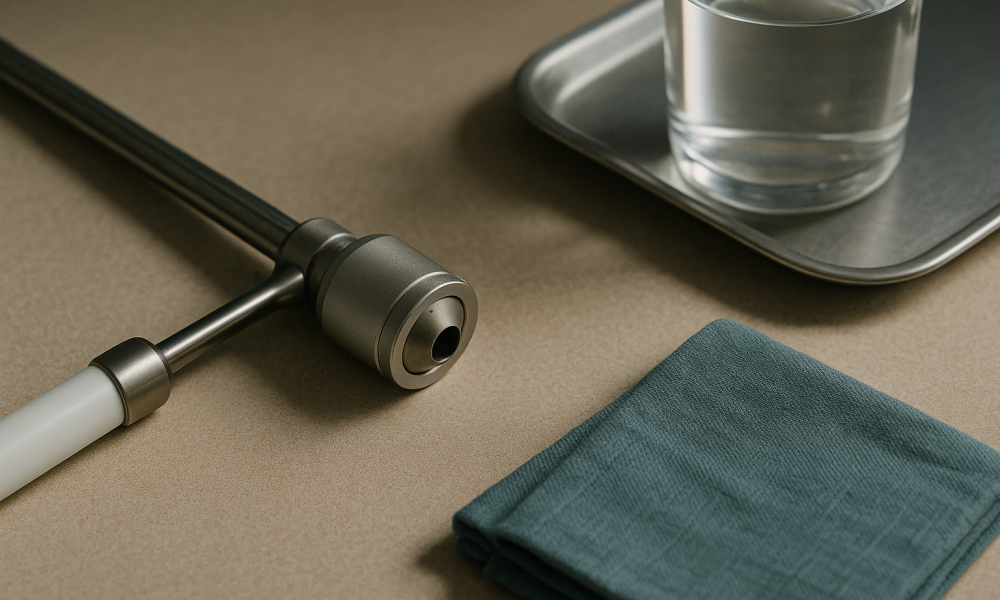
The procedure begins with the insertion of a resectoscope through the urethra, allowing the surgeon to access the prostate without external incisions. The holmium laser is then used to carefully excise the excess tissue, which is subsequently removed from the bladder. This technique provides excellent precision, minimizing damage to surrounding tissues and preserving sexual function.
HoLEP is renowned for its effectiveness, with immediate improvement in urinary flow post-surgery. It is a preferred option for patients seeking a durable solution with low retreatment rates. However, as with any medical procedure, a thorough evaluation by a qualified urologist is essential to determine the suitability of HoLEP for each individual patient.
In summary, HoLEP prostate surgery in Turkey offers international patients access to cutting-edge treatment with the expertise of experienced surgeons, all within a supportive and patient-centric healthcare environment. This procedure is ideal for those suffering from BPH, aiming to restore urinary function and enhance overall well-being.
Are you a candidate? Criteria and preparation
Determining whether you are a suitable candidate for Holmium Laser Enucleation of the Prostate (HoLEP) involves a thorough evaluation by a qualified urologist. The procedure is primarily indicated for patients with benign prostatic hyperplasia (BPH), particularly when the prostate is significantly enlarged and causing bothersome symptoms. Symptoms may include frequent urination, nocturia, difficulty starting urination, weak urine stream, or the feeling of incomplete bladder emptying. However, not all patients with these symptoms will be candidates for HoLEP.
The first step in evaluating candidacy involves a comprehensive medical history and physical examination. Your urologist will assess your overall health status, current medications, and any previous surgical history. Additionally, specific diagnostic tests may be conducted, such as:
- Prostate-Specific Antigen (PSA) Test: To rule out prostate cancer or other conditions.
- Digital Rectal Exam (DRE): To assess the size and shape of the prostate.
- Urinary Flow Test: To measure the strength and amount of your urine flow.
- Postvoid Residual Volume Test: To determine how much urine remains in your bladder after urination.
- Imaging Tests: Such as transrectal ultrasound or MRI to visualize the prostate.
Beyond the physical and diagnostic evaluations, specific criteria must be met. These typically include:
- The presence of moderate to severe urinary symptoms attributed to BPH.
- A prostate volume usually greater than 30 grams, although HoLEP is particularly beneficial for larger prostates.
- No contraindications for anesthesia or surgery, such as uncontrolled cardiovascular diseases or severe respiratory conditions.
- Absence of active urinary tract infections or severe neurogenic bladder dysfunction.
Once candidacy is established, preparation for HoLEP involves several steps. Patients may be advised to discontinue certain medications, such as blood thinners, to reduce the risk of bleeding. Preoperative instructions may include fasting for a certain period before surgery and arranging postoperative care and transportation. Understanding the procedure, potential risks, and realistic outcomes is crucial for informed consent and setting appropriate expectations.
Techniques and options available in Turkey
Turkey is renowned for its advanced healthcare infrastructure and skilled medical professionals, making it a preferred destination for HoLEP surgery. The procedure utilizes a high-energy laser to remove obstructive prostate tissue, offering a minimally invasive alternative to traditional surgical methods. In Turkey, several techniques and technologies are employed to enhance the precision and outcomes of HoLEP.
The cornerstone of HoLEP in Turkey is the use of holmium laser technology, which allows for precise cutting and coagulation, minimizing blood loss and reducing recovery time. Urologists in Turkey are trained in the latest advancements, ensuring that patients receive care that aligns with international standards. The procedure typically involves the use of a resectoscope, inserted through the urethra, to access the prostate. The laser is then used to enucleate the enlarged prostate tissue, which is subsequently removed through a process called morcellation.
One of the key advantages of undergoing HoLEP in Turkey is the availability of state-of-the-art medical facilities equipped with advanced diagnostic and surgical tools. Many hospitals offer comprehensive packages that include preoperative assessments, the surgical procedure, and postoperative care. These packages are designed to cater to international patients, with multilingual staff and patient coordinators to assist throughout the treatment journey.
Moreover, Turkish urologists often attend international conferences and training sessions, ensuring they remain at the forefront of emerging techniques and innovations in HoLEP. This commitment to continuous professional development translates to high success rates and patient satisfaction. Some clinics may also offer robotic-assisted HoLEP, which can further enhance surgical precision and outcomes, although this may vary between institutions.
In addition to the technical aspects, the cost-effectiveness of HoLEP in Turkey is a significant consideration for many international patients. While the exact cost can vary based on the specific clinic and surgeon’s expertise, indicative price ranges are often more affordable compared to Western countries. This affordability, coupled with high-quality care, makes Turkey an attractive option for those seeking effective treatment for BPH.
When selecting a clinic or surgeon in Turkey, it is crucial to consider factors such as the surgeon’s experience with HoLEP, the accreditation of the hospital, and the availability of comprehensive postoperative care. Many clinics provide virtual consultations to discuss individual cases, allowing patients to make informed decisions before traveling. Overall, the combination of advanced technology, skilled practitioners, and patient-centric care makes Turkey an excellent choice for HoLEP surgery.
5. Recovery and aftercare timeline
The recovery process following HoLEP (Holmium Laser Enucleation of the Prostate) surgery is generally smoother compared to traditional surgical methods. However, understanding the timeline and aftercare requirements is crucial for an optimal recovery.
| Period | What to expect | Care notes |
|---|---|---|
| First 24 hours | Immediately post-surgery, patients are monitored in the recovery room before being moved to their hospital room. A catheter is typically in place to help drain urine. | Rest is essential. Patients should follow their healthcare provider’s instructions regarding mobility and pain management. Nurses will assist with catheter care. |
| 1-3 days | The catheter is usually removed within this period, and patients may begin urinating on their own. Some discomfort or blood in urine is normal. | Increase fluid intake to help flush the bladder. Gradually resume light activities, but avoid strenuous exercise. |
| 1 week | Patients can typically return home if they have not already. Urination should be improving, though some frequency and urgency may persist. | Avoid lifting heavy objects or engaging in vigorous activities. Follow dietary recommendations to prevent constipation. |
| 2-4 weeks | Most patients notice a significant improvement in urinary symptoms. Energy levels begin to return to normal. | Continue with light exercises such as walking. Maintain hydration and a balanced diet. Attend follow-up appointments as scheduled. |
| 4-6 weeks | By this time, patients often resume normal activities, including work and light exercise. | Consult your healthcare provider before engaging in any high-impact activities. Continue to monitor urinary health and report any concerns. |
| 6+ weeks | Full recovery is expected, with most patients experiencing significant relief from previous symptoms. | Maintain regular check-ups to ensure ongoing health and address any late-onset concerns. |
Adherence to the recovery timeline and care instructions provided by your healthcare team is vital. While individual recovery experiences may vary, the outlined stages offer a general framework to guide expectations during the postoperative period.

6. Risks, safety and how accredited Turkish providers manage them
While HoLEP surgery is a minimally invasive procedure with a high success rate, it is not without potential risks. Understanding these risks, alongside the safety protocols implemented by accredited Turkish providers, can help patients make informed decisions.
Common risks associated with HoLEP include bleeding, infection, urinary incontinence, erectile dysfunction, and urethral stricture. However, complications are generally rare, and the benefits often outweigh the risks for most patients. Accredited Turkish medical facilities take several measures to mitigate these risks.
- Preoperative Assessment: Before surgery, patients undergo a comprehensive evaluation to assess their suitability for HoLEP. This includes a detailed medical history review, physical examination, and necessary diagnostic tests such as blood work and imaging. This careful screening helps identify any underlying conditions that could increase surgical risks.
- Surgical Expertise: Turkish healthcare providers are known for their skilled surgeons, many of whom have trained internationally and possess extensive experience in performing HoLEP. These professionals adhere to international standards and utilise advanced surgical techniques to minimise risks.
- Infection Control: Accredited hospitals in Turkey follow stringent infection control protocols. Sterilisation of surgical instruments, use of prophylactic antibiotics, and maintaining a sterile environment are standard practices to prevent post-surgical infections.
- Patient Monitoring: Postoperative monitoring is a critical component of care. Patients are observed closely for any signs of complications, and their recovery is supported by a multidisciplinary team, including urologists, nurses, and physiotherapists.
- Follow-up Care: After discharge, patients receive detailed aftercare instructions and are encouraged to attend follow-up appointments. These visits are crucial for monitoring recovery progress and addressing any emerging issues.
- Patient Education: Educating patients about the risks and benefits of HoLEP, as well as lifestyle modifications and self-care techniques, empowers them to participate actively in their recovery process.
Accredited Turkish providers are committed to maintaining the highest standards of patient safety and care. By combining advanced medical technology with comprehensive patient management strategies, they strive to ensure a safe and effective treatment experience for international patients.
Choosing the Right Provider in Turkey
When selecting a provider for HoLEP prostate surgery in Turkey, it is crucial to consider several factors to ensure a safe and successful procedure. Accreditation is a key indicator of a clinic’s commitment to maintaining high medical standards. Look for hospitals and clinics accredited by international bodies such as the Joint Commission International (JCI) or the European Foundation for Quality Management (EFQM). These accreditations demonstrate adherence to stringent safety and quality protocols.
The experience and expertise of the surgeon are equally important. Seek out surgeons who are board-certified and have extensive experience specifically in HoLEP procedures. A surgeon’s experience can significantly affect the success rate and recovery time of your surgery. You might want to inquire about the number of HoLEP surgeries they perform annually, as higher volumes often correlate with better outcomes.
Be vigilant for red flags when choosing a provider. Avoid clinics that make unrealistic outcome guarantees or do not provide clear information about potential risks. Transparency about the procedure, potential complications, and recovery expectations is essential. Additionally, pay attention to patient reviews and testimonials, but be cautious of overly positive reviews that lack detail, as they might not be genuine.
Another consideration is the facility’s technology and equipment. Ensure that the clinic is equipped with modern, well-maintained laser systems specifically designed for HoLEP surgery. The availability of comprehensive post-operative care is also a crucial factor. This includes follow-up consultations, access to physiotherapy, and management of any complications that may arise.
Finally, the level of communication and support provided by the clinic should be assessed. The ability to communicate effectively in your preferred language can greatly enhance your overall experience. Clinics that offer dedicated patient coordinators who help navigate the process, from initial consultation to post-surgery follow-ups, often provide a more seamless experience. By carefully evaluating these factors, you can choose a provider that aligns with your safety and quality expectations.
HoLEP Prostate Surgery Cost in Turkey
The cost of HoLEP prostate surgery in Turkey is often significantly lower than in many Western countries, making it an attractive option for international patients. The indicative price range for HoLEP surgery in Turkey typically falls between $3,000 and $6,000 USD. This is a fraction of the cost compared to countries like the UK, US, or Australia, where prices can soar beyond $20,000 USD.
| Country | Indicative Price Range (USD) |
|---|---|
| Turkey | $3,000 – $6,000 |
| UK | $15,000 – $25,000 |
| US | $18,000 – $30,000 |
| Germany | $14,000 – $22,000 |
| Australia | $20,000 – $28,000 |
| Canada | $16,000 – $24,000 |
Many clinics in Turkey offer all-inclusive packages that cover a wide range of services. These often include the surgery itself, hospital stay, pre-operative tests, post-operative care, medications, and sometimes even airport transfers and accommodation. Such packages can greatly simplify the logistics and reduce the stress associated with medical travel.
Several factors can influence the final cost of your surgery. The complexity of your case, the surgeon’s experience, and the clinic’s location are significant determinants. Additionally, the level of aftercare included in the package can vary. It is crucial to have a detailed breakdown of what is covered in your quote to avoid unexpected expenses.
When reviewing quotes, ensure they are comprehensive and transparent. A reliable provider will offer a detailed list of what is included in the price, such as the length of hospital stay, number of follow-up visits, and any additional services. Be wary of quotes that are significantly lower than the average range, as they may indicate corners being cut on essential aspects of care.
Ultimately, while cost is an important consideration, it should not be the sole factor in your decision-making process. The quality of care, surgeon expertise, and facility standards are equally vital to ensure a successful outcome and smooth recovery. By carefully evaluating both cost and quality, you can make an informed decision that meets your medical and financial needs.
Frequently Asked Questions
What is the typical cost of HoLEP surgery in Turkey?
The cost of HoLEP surgery in Turkey generally ranges from $3,000 to $6,000 USD. This is significantly lower compared to Western countries, where prices can exceed $20,000 USD. Turkish clinics often offer all-inclusive packages that cover various services, making it an economical choice for international patients.
Why is HoLEP surgery cheaper in Turkey?
HoLEP surgery is more affordable in Turkey due to lower operational costs, including labour and administrative expenses, compared to Western countries. The competitive market in Turkey also encourages clinics to offer attractive prices without compromising on quality, making it a popular destination for medical tourism.
Is HoLEP surgery in Turkey safe?
Yes, HoLEP surgery in Turkey is generally safe, especially when performed in accredited hospitals by experienced surgeons. Many Turkish clinics adhere to international medical standards and are equipped with modern technology. It is essential to choose a reputable provider with positive patient reviews and transparent practices.
What should I look for in a HoLEP surgeon?
When selecting a HoLEP surgeon, consider their accreditation, experience, and specialization in HoLEP procedures. Board certification and a high volume of annual surgeries are good indicators of a surgeon's proficiency. Patient reviews and recommendations can also provide valuable insights into their expertise.
Do Turkish clinics offer post-operative care for HoLEP surgery?
Yes, most Turkish clinics offer comprehensive post-operative care as part of their all-inclusive packages. This typically includes follow-up consultations, medication, and sometimes physiotherapy. It is important to confirm the specifics of post-operative care with your chosen provider before undergoing surgery.
How long is the recovery period after HoLEP surgery?
The recovery period after HoLEP surgery is usually short, with many patients resuming normal activities within a week. However, full recovery can take up to six weeks. Patients are advised to avoid strenuous activities and follow their surgeon's guidelines to ensure a smooth recovery.
Can I travel immediately after HoLEP surgery?
It is generally recommended to wait at least a week before flying after HoLEP surgery. This allows time for initial recovery and ensures any immediate post-operative complications are addressed. Always follow your surgeon's advice regarding travel after surgery.
Are there any risks associated with HoLEP surgery?
As with any surgical procedure, HoLEP surgery carries some risks, including bleeding, infection, and temporary urinary incontinence. However, these risks are minimized when performed by experienced surgeons in accredited facilities. Discuss potential risks with your surgeon during the consultation.
What is included in the all-inclusive packages for HoLEP surgery?
All-inclusive packages for HoLEP surgery typically cover the procedure, hospital stay, pre-operative tests, post-operative care, and medications. Some packages may also include airport transfers and accommodation. It is important to verify the details of what is included with your provider.
How can I verify a clinic's accreditation in Turkey?
You can verify a clinic's accreditation by checking if it is certified by recognized international bodies such as the Joint Commission International (JCI) or the European Foundation for Quality Management (EFQM). These accreditations ensure adherence to high safety and quality standards.
Will language be a barrier during my treatment in Turkey?
Language is generally not a barrier as many Turkish clinics catering to international patients have staff proficient in English. Some clinics also provide dedicated patient coordinators who assist with communication, ensuring a smooth experience throughout your treatment journey.
How do I prepare for HoLEP surgery in Turkey?
Preparation for HoLEP surgery involves a pre-operative assessment, which may include tests and consultations. Follow any instructions provided by your surgeon, such as dietary restrictions or medication adjustments. Arranging for assistance during your recovery period is also advisable.