
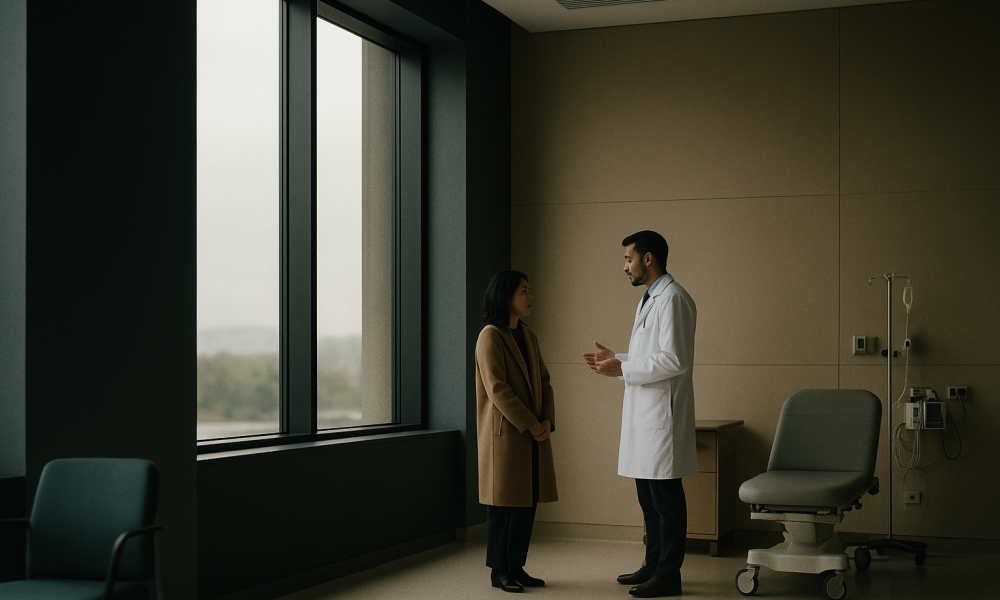
What Septorhinoplasty is and who it is for
Septorhinoplasty, a surgical procedure combining septoplasty and rhinoplasty, addresses both functional and aesthetic issues of the nose. Septoplasty focuses on correcting a deviated septum— the partition between the nostrils— which can cause breathing difficulties, while rhinoplasty reshapes the nose for aesthetic or structural improvements. This dual-purpose surgery is particularly beneficial for individuals experiencing nasal obstruction along with a desire for cosmetic enhancement.
The procedure is typically performed under general anaesthesia and can last between 2 to 3 hours. The surgeon makes incisions to access the bone and cartilage, reshaping them to improve airflow and achieve the desired nose profile. In some cases, cartilage grafts may be used to support the new structure. The incisions are usually made inside the nose, thus minimising visible scarring.
Septorhinoplasty is aimed at individuals who have functional issues such as breathing difficulties due to a deviated septum, alongside cosmetic concerns like a dorsal hump or a bulbous tip. It is an effective solution for those seeking to improve nasal function while achieving a harmonious facial appearance. This procedure is not limited by age, but candidates are generally advised to wait until nasal growth is complete, usually around age 16 for girls and 18 for boys.
In Turkey, septorhinoplasty is a well-established procedure, with surgeons experienced in both the functional and aesthetic aspects of nasal surgery. The country’s advanced medical facilities and competitive costs make it an attractive destination for international patients. It’s important to note that while outcomes can significantly improve quality of life and self-esteem, realistic expectations and an understanding of potential risks are crucial. Recovery involves several stages, with initial swelling subsiding within weeks, but full results typically visible after 3 to 6 months.
Are you a good candidate?
Determining candidacy for septorhinoplasty involves evaluating both medical and personal factors. Ideal candidates are those who experience breathing difficulties due to structural issues within the nose and are also interested in altering the nose’s appearance. Before considering surgery, it’s crucial to have a comprehensive consultation with a qualified surgeon to discuss your goals and medical history.
Key criteria for being a good candidate include:
- Physical health: Candidates should be in good overall health, with no serious medical conditions that could complicate surgery or recovery.
- Nasal structure: A deviated septum or other structural abnormalities contributing to breathing problems.
- Cosmetic goals: A desire to change the nose’s shape, size, or proportions, with realistic expectations for what surgery can achieve.
- Age considerations: Nasal growth should be complete, typically around 16 for girls and 18 for boys.
- Non-smoker: Smoking can impair healing, so candidates are advised to quit smoking well before surgery.
- Mental preparedness: Understanding the procedure, recovery process, and potential risks, with a commitment to following post-operative care instructions.
Prospective patients should also consider the emotional and psychological aspects of undergoing septorhinoplasty. It’s essential to have a clear motivation for surgery, whether functional, aesthetic, or both, and to ensure these motivations are self-driven rather than influenced by external pressures. A thorough evaluation by a surgeon will include discussions about your medical history, any previous nasal surgeries, and the specific outcomes you hope to achieve.
Ultimately, the decision to undergo septorhinoplasty should be made after careful consideration and consultation with experienced medical professionals who can provide guidance tailored to your individual needs. In Turkey, the availability of skilled surgeons and state-of-the-art facilities offers patients a viable option for achieving their desired results, with the added benefit of cost-effective treatment options.
The procedure, step by step
Undergoing a septorhinoplasty in Turkey is a meticulous process that typically involves several key stages, each designed to ensure the best possible outcome tailored to the patient’s individual needs. Here is a detailed step-by-step guide to what patients can expect during the procedure:
- Preoperative Consultation: Before the surgery, patients will have a thorough consultation with their surgeon. This involves a detailed discussion about the patient’s medical history, expectations, and specific anatomical considerations. Surgeons may use digital imaging to assist in planning the surgery and to help patients visualise potential outcomes.
- Anaesthesia: On the day of the surgery, the patient will be given anaesthesia. The choice between local anaesthesia with sedation or general anaesthesia will depend on the complexity of the procedure and the surgeon’s recommendation. Anaesthesia ensures the patient is comfortable and pain-free throughout the operation.
- Incision and Access: The surgeon will make precise incisions to access the nasal structure. These incisions are typically made inside the nose (closed technique) or across the columella (open technique), based on the specific requirements of the surgery. The open technique allows for greater visibility of the nasal structures, which can be beneficial for complex reconstructions.
- Correcting the Septum: The primary focus of septorhinoplasty is to correct the deviated septum. The surgeon carefully straightens and repositions the septum to improve airflow and nasal function. Any obstructive tissue or cartilage may be removed or repositioned.
- Reshaping the Nose: In addition to septal correction, the surgeon will address cosmetic concerns. This may involve reshaping the nasal tip, altering the nasal bridge, or adjusting the nostrils to achieve a balanced and aesthetically pleasing appearance. Grafts may be used to support or reshape the nose.
- Closure and Recovery: Once the necessary corrections are made, the surgeon will carefully close the incisions with sutures. Internal splints or soft packing may be placed to support the septum during initial healing. The entire procedure typically lasts between 2 to 4 hours, depending on its complexity.
- Postoperative Care: After the surgery, patients are monitored in a recovery area until the effects of anaesthesia subside. Surgeons provide detailed postoperative instructions, including medications to manage pain and swelling, and tips for optimal healing.
Recovery timeline
The recovery timeline for a septorhinoplasty is a gradual process that requires patience and adherence to postoperative care instructions to ensure a smooth and successful recovery. Below is a detailed timeline of what patients can expect during their recovery period:
| Period | What to expect | Care notes |
|---|---|---|
| Day 1-3 | Patients may experience swelling, bruising, and mild discomfort. Some bleeding and nasal congestion are common. | Keep head elevated, apply cold compresses to reduce swelling, and take prescribed pain medications as directed. |
| Day 4-7 | Swelling and bruising begin to subside. The nasal splint and any packing may still be in place. | Avoid strenuous activities, and follow the surgeon’s instructions regarding cleaning and maintaining nasal hygiene. |
| Week 2 | Most bruising should be gone. Swelling will continue to decrease, and patients may start to see preliminary results. | Surgeons usually remove the splint. Patients can resume light activities but should avoid heavy lifting or bending over. |
| Week 3-4 | Continued reduction in swelling. Breathing through the nose should start improving significantly. | Follow up with the surgeon for a postoperative check-up. Continue to avoid contact sports or activities that risk facial injury. |
| Month 2-3 | Most of the swelling is gone, and the nasal structure is more defined. Patients can return to normal activities. | Maintain regular follow-up visits. Protective measures should still be taken during physical activities. |
| Month 6-12 | Full recovery is typically achieved. The final shape of the nose becomes apparent. | Adherence to all postoperative guidelines ensures optimal results. Long-term follow-up may be recommended to monitor healing. |
Recovery times can vary based on individual healing rates and the specific details of the surgery. Patients are encouraged to maintain open communication with their healthcare provider throughout the recovery process to address any concerns or unexpected developments.
What it costs: Turkey vs the United States
When considering septorhinoplasty, cost is a significant factor for many patients. The price of the procedure can vary substantially between countries, and Turkey has become a popular destination for those seeking high-quality medical care at more affordable prices. The cost of septorhinoplasty in Turkey is generally lower than in the United States, but it is important to understand what these costs typically include.
In the United States, the cost of septorhinoplasty can range from $8,000 to $15,000, depending on factors such as the surgeon’s experience, the complexity of the surgery, and the geographical location of the clinic. These figures usually cover the surgeon’s fees, anaesthesia, and facility fees, but may not include additional costs like pre-operative consultations, post-operative care, and any necessary follow-up visits.
In contrast, the cost of septorhinoplasty in Turkey typically ranges from $3,000 to $6,000. These prices often include a comprehensive package that covers more than just the surgery itself. Many Turkish clinics offer packages that encompass pre-operative assessments, the surgical procedure, anaesthesia, post-operative care, and even accommodation and transportation for international patients.
| Country | Indicative Price Range | Typical Inclusions |
|---|---|---|
| United States | $8,000 – $15,000 | Surgeon’s fees, anaesthesia, facility fees |
| Turkey | $3,000 – $6,000 | Surgeon’s fees, anaesthesia, facility fees, pre- and post-operative care, accommodation, transportation |
It is essential to verify what is included in the quoted price when comparing costs between countries. Turkish clinics often bundle additional services, which can alleviate some of the logistical burdens of travelling for medical treatment. However, patients should always confirm the specifics with their chosen provider to ensure there are no unexpected expenses.
Ultimately, while the financial savings in Turkey are significant, it is crucial to balance cost with the quality of care. Prospective patients should research the credentials of the surgeons, the accreditation of the facilities, and the comprehensiveness of the care packages offered. By doing so, they can make informed decisions that prioritise both their health and their budget.
Risks and how accredited providers manage them
As with any surgical procedure, septorhinoplasty carries certain risks. It is essential for prospective patients to understand these risks and how they are managed to make informed decisions about their healthcare. Accredited providers in Turkey are well-equipped to handle the potential complications associated with septorhinoplasty, ensuring patient safety and well-being throughout the process.
Common risks associated with septorhinoplasty include bleeding, infection, adverse reactions to anaesthesia, and dissatisfaction with the cosmetic outcome. Additionally, there may be risks of breathing difficulties, scarring, and the need for revision surgery in some cases. Accredited providers in Turkey take these risks seriously and implement several strategies to mitigate them.
Firstly, thorough pre-operative assessments are conducted to evaluate the patient’s overall health and suitability for surgery. This includes medical history reviews, physical examinations, and sometimes laboratory tests. These assessments help surgeons identify any potential risk factors and plan the procedure accordingly.
During the surgery, highly trained anaesthesiologists and surgical teams work together to monitor the patient’s vital signs and ensure a safe anaesthetic experience. Advanced surgical techniques and equipment are employed to minimise bleeding and reduce the risk of infection. Surgeons in accredited facilities are often experienced in managing complex cases, which helps in reducing the likelihood of complications.
Post-operative care is another critical component in risk management. Accredited clinics provide comprehensive aftercare instructions, which may include guidance on medication, wound care, and activity restrictions. Regular follow-up visits are scheduled to monitor the patient’s recovery and address any concerns promptly. This ongoing support helps in identifying and managing any complications early, reducing the potential for more serious issues to develop.
Accredited facilities in Turkey adhere to international standards of care and are often subject to rigorous inspections to ensure compliance. These standards include maintaining sterile environments, using high-quality medical supplies, and ensuring that all staff are properly trained and certified. By choosing an accredited provider, patients can have confidence in the quality and safety of the care they receive.
While no surgical procedure is without risk, the measures taken by accredited providers in Turkey significantly enhance patient safety. By prioritising thorough pre-operative assessments, skilled surgical teams, and comprehensive post-operative care, these providers effectively manage the risks associated with septorhinoplasty. Patients are encouraged to discuss any concerns with their chosen provider to fully understand the potential risks and the steps taken to mitigate them.
How to Choose the Right Provider
Choosing the right provider for a septorhinoplasty in Turkey is a critical decision that requires careful consideration of several factors. Accreditation is a primary concern; ensure the hospital or clinic is accredited by internationally recognised bodies such as the Joint Commission International (JCI). This guarantees adherence to global healthcare standards and practices. Additionally, the facility should have a robust track record in handling international patients, reflecting a high level of professionalism and patient care.
Surgeon experience is equally vital. Look for surgeons who specialise in septorhinoplasty and have extensive experience in performing this specific procedure. It’s advisable to seek out those with at least 10-15 years of experience, as they are more likely to have encountered a wide range of cases and complications, thus enhancing their expertise. Request to see before-and-after photos of previous patients to gauge their skill and aesthetic style.
Aftercare is another crucial aspect. A comprehensive aftercare plan should be in place, detailing follow-up visits, emergency contact information, and guidelines for recovery. Some clinics offer virtual consultations post-surgery, which can be beneficial for international patients. Ensure that the facility provides clear instructions on what to expect during the recovery process, including any potential complications and how they will be addressed.
Be vigilant for red flags when choosing a provider. Avoid clinics that offer unusually low prices without clear justifications, as this can indicate a lack of quality or experience. Surgeons who promise guaranteed outcomes or downplay the risks involved are also concerning. Transparency is key; providers should openly discuss potential risks, realistic outcomes, and any additional costs that may arise during the treatment process.
Planning Your Trip
Planning your trip for a septorhinoplasty in Turkey involves several logistical steps and considerations to ensure a smooth experience. Begin by establishing a timeline at least three to six months before your intended travel date. This allows ample time to research providers, schedule consultations, and arrange necessary travel documents.
Ensure your passport is valid for at least six months beyond your planned return date. Depending on your nationality, you may need a visa to enter Turkey; check the latest requirements on the Turkish Ministry of Foreign Affairs website. It’s also wise to purchase comprehensive travel insurance that covers medical procedures abroad, including any unforeseen complications.
The typical length of stay for a septorhinoplasty procedure ranges from 7 to 14 days. This allows time for pre-operative consultations, the surgery itself, and initial recovery. Plan to arrive at least 2-3 days before the surgery to acclimate and meet with your surgeon for final assessments. Post-surgery, you should remain in Turkey for approximately one week to attend follow-up appointments and ensure there are no immediate complications.
Consider your accommodation options carefully. Choose a comfortable and reputable hotel or serviced apartment close to the clinic, as you’ll need rest and easy access to medical facilities during your recovery. Many clinics offer package deals that include accommodation and transportation, which can simplify logistics.
Finally, arrange follow-up care at home with a local ENT specialist or plastic surgeon who can monitor your healing process and address any concerns. Before leaving Turkey, ensure you have a detailed report of the procedure and any instructions for your local healthcare provider. This documentation will be crucial for seamless continuity of care once you return home.
Frequently Asked Questions
What is the typical cost of septorhinoplasty in Turkey?
The cost of septorhinoplasty in Turkey typically ranges from £2,500 to £4,500. This price often includes the surgeon's fees, anaesthesia, facility charges, and sometimes initial consultations and post-operative care. It's important to get a detailed breakdown of what is included in the price, as some clinics may offer package deals that encompass accommodation and transportation.
How safe is it to have septorhinoplasty in Turkey?
Septorhinoplasty in Turkey can be safe if performed by a qualified and experienced surgeon in an accredited facility. Turkey is known for its advanced medical infrastructure and skilled professionals. However, it's crucial to thoroughly research and select a reputable clinic, ensuring they follow international healthcare standards and have a strong track record with international patients.
How long will I need to stay in Turkey for the procedure?
You will typically need to stay in Turkey for 7 to 14 days for a septorhinoplasty. This duration allows for pre-operative assessments, the surgical procedure, and initial recovery. Most patients are advised to remain in the country for at least a week post-surgery to attend follow-up appointments and ensure proper healing before travelling back home.
What should I look for in a surgeon for septorhinoplasty?
When selecting a surgeon for septorhinoplasty, look for extensive experience in performing the procedure, ideally with 10-15 years in the field. Verify their qualifications, professional memberships, and patient reviews. It's also beneficial to view before-and-after photos of past patients to assess their aesthetic skills and outcomes. Ensure the surgeon communicates clearly about risks and realistic expectations.
Are there any hidden costs I should be aware of?
While many clinics offer comprehensive packages, it's essential to clarify all costs upfront to avoid surprises. Ask about potential additional charges such as post-operative medications, extended accommodation, or further consultations. Ensure you understand what is included in the quoted price and request a detailed breakdown of all expenses involved in the treatment.
What kind of follow-up care is needed after surgery?
After septorhinoplasty, follow-up care typically includes multiple post-operative visits to monitor healing and address any complications. Your surgeon will provide specific guidelines for care, including how to manage swelling and discomfort. It's crucial to arrange follow-up care with a local specialist once you return home, ensuring they have all the necessary information from your procedure in Turkey.
How should I prepare for my trip to Turkey?
Preparation should begin 3-6 months before your trip. Research and select a reputable clinic, ensure your passport is valid, check visa requirements, and purchase travel insurance. Plan for a stay of 7-14 days post-surgery and arrange accommodation near your clinic. It's also advisable to have a follow-up care plan with a local specialist once you return home.
What documents do I need to bring for my treatment?
Bring your passport, any necessary visa documentation, medical records, and any correspondence with your chosen clinic. It's also wise to carry your travel insurance details and a list of any medications you currently take. Having these documents organised will facilitate a smoother experience at the clinic and ensure all necessary information is readily available.
Can I combine my surgery with a holiday in Turkey?
While Turkey is a beautiful country with much to offer, it's important to prioritise your health and recovery post-surgery. If you wish to sightsee, consider doing so before your procedure, as you'll need to rest and limit physical activity afterwards. Discuss your plans with your surgeon to ensure they fit within a safe recovery timeline.
What are the risks of septorhinoplasty?
As with any surgery, septorhinoplasty carries risks such as infection, bleeding, and adverse reactions to anaesthesia. Specific risks include nasal obstruction, asymmetry, and dissatisfaction with cosmetic results. It's vital to discuss these with your surgeon, who should provide a comprehensive overview of potential complications and how they are managed.
Will my health insurance cover the procedure?
Most health insurance plans in the United States do not cover elective cosmetic surgeries like septorhinoplasty. However, if the surgery is deemed medically necessary to correct a nasal obstruction, partial coverage might be available. Check with your insurance provider to understand your policy's specifics and any potential reimbursement options.
How soon can I return to work after the surgery?
Recovery times vary, but most patients can return to non-strenuous work within 1-2 weeks post-surgery. Swelling and bruising are common, so some may prefer to wait until these subside. Your surgeon will provide personalised advice based on your recovery progress, ensuring you resume activities when it's safe to do so.