
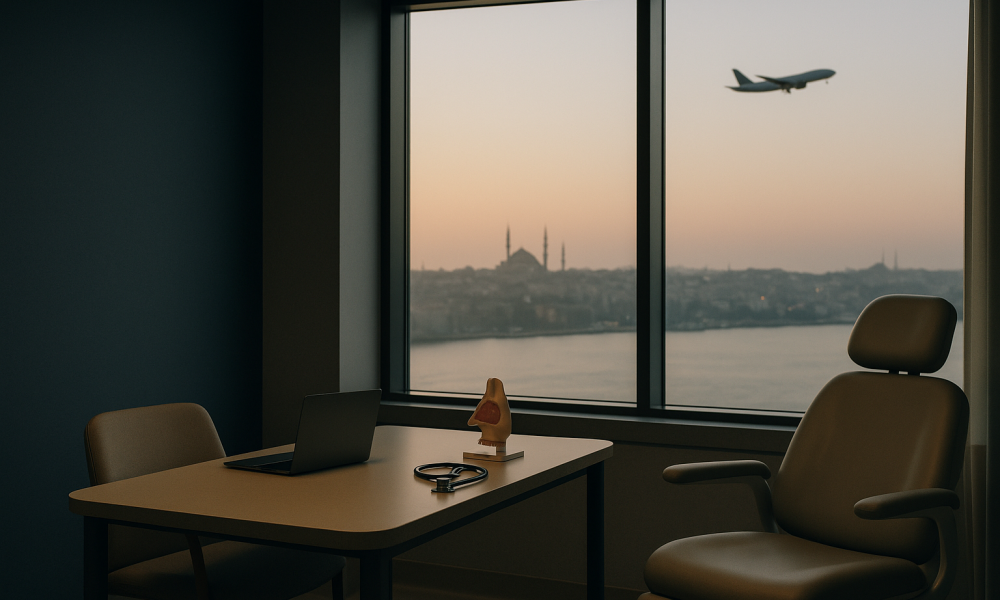
What Septorhinoplasty is and who it is for
Septorhinoplasty is a surgical procedure that combines septoplasty and rhinoplasty to correct both the functional and aesthetic aspects of the nose. Septoplasty focuses on correcting a deviated septum, which is the displacement of the bone and cartilage that divides the two nostrils. A deviated septum can cause breathing difficulties, nasal congestion, and snoring. Rhinoplasty, on the other hand, reshapes the nose to enhance facial harmony and appearance. By combining these two procedures, septorhinoplasty addresses both form and function, making it an ideal choice for individuals seeking comprehensive nasal correction.
In terms of demographics, septorhinoplasty is popular among both men and women, typically ranging from ages 18 to 45. However, it is crucial for candidates to have completed their facial growth, which usually occurs by age 18. The procedure is especially beneficial for individuals who have experienced nasal trauma, have congenital nasal deformities, or suffer from chronic nasal obstruction due to a deviated septum.
Septorhinoplasty is performed under general anaesthesia and usually takes about 2 to 3 hours, depending on the complexity of the case. The procedure involves making incisions either inside the nostrils or across the columella—the tissue between the nostrils—to access the underlying bone and cartilage. Surgeons then reshape the nasal structure and correct the septum, ensuring that both functional and aesthetic goals are met. Post-operative care includes wearing a nasal splint for about a week, managing swelling with cold compresses, and avoiding strenuous activities for several weeks.
In Turkey, septorhinoplasty is highly regarded due to the country’s experienced surgeons and state-of-the-art medical facilities. The cost of the procedure in Turkey typically ranges from £2,500 to £4,000, which is considerably lower than in Canada, making it an attractive option for medical tourists. Patients can expect a hospital stay of 1 to 2 nights, and most are able to return to work within two weeks, although full recovery and the final results may take up to 12 months to be fully visible.
Are you a good candidate?
Determining whether you are a good candidate for septorhinoplasty involves a comprehensive evaluation of both your physical health and personal goals. Ideal candidates are in good overall health, do not smoke, and have realistic expectations about the outcomes of the surgery. It is important to note that while septorhinoplasty can significantly improve nasal function and appearance, it cannot achieve perfection or completely alter one’s facial identity.
- Age: Candidates should be at least 18 years old to ensure that facial growth is complete.
- Health: Good physical health is essential. Candidates should not have any active infections or serious chronic illnesses that could complicate surgery or recovery.
- Smoking status: Non-smokers are preferred as smoking can impede healing and increase the risk of complications.
- Realistic expectations: Understanding the limitations and potential outcomes of the procedure is crucial.
- Nasal issues: Candidates should have functional concerns such as breathing difficulties due to a deviated septum, or aesthetic concerns they wish to address.
Before proceeding with surgery, a thorough consultation with a qualified surgeon is necessary. During this consultation, your medical history will be reviewed, and a physical examination of your nose will be conducted. Imaging studies, such as CT scans, might be recommended to assess the extent of septal deviation or other structural issues. Photographs of your nose will also be taken to aid in surgical planning and to set a baseline for post-operative results.
In addition to these criteria, psychological readiness is an often-overlooked aspect of candidacy. Candidates should be mentally prepared for the changes and the recovery process, which can be emotionally taxing. It’s advisable to discuss any concerns or questions with your surgeon to ensure that you are fully informed and comfortable with the decision to undergo septorhinoplasty.
The procedure, step by step
Septorhinoplasty is a surgical procedure that combines septoplasty and rhinoplasty to address both functional and aesthetic issues of the nose. Understanding the step-by-step process can help demystify the procedure for prospective patients from Canada considering treatment in Turkey.
- Pre-operative Consultation: Prior to the surgery, patients will have a thorough consultation with their surgeon. This usually involves a detailed discussion about the patient’s medical history, a physical examination of the nose, and often, imaging studies such as a CT scan to assess the nasal structure. The surgeon will discuss the patient’s goals, explain realistic outcomes, and plan the procedure accordingly.
- Anesthesia: On the day of the surgery, the patient will be administered either general anaesthesia or local anaesthesia with sedation, depending on the complexity of the procedure and the patient’s preference. General anaesthesia is more common, allowing the patient to be completely asleep during the surgery.
- Incision: The surgery typically begins with the surgeon making an incision. In an open septorhinoplasty, this involves a small incision on the columella, the tissue between the nostrils, and additional incisions inside the nose. A closed technique involves incisions only within the nostrils. The choice between open and closed techniques depends on the specific corrections needed.
- Reshaping the Nose: The surgeon then carefully lifts the skin covering the nasal bones and cartilage to access the underlying structures. Deviated portions of the septum are corrected, and any necessary reshaping of the nasal bones or cartilage is performed. This may involve removing or adding cartilage, which can be harvested from the septum, ear, or even rib, depending on the requirement.
- Closure: Once the necessary adjustments are made, the surgeon repositions the nasal skin and tissue and closes the incisions with fine sutures. If an open technique was used, the columella incision is also closed.
- Stabilisation: A splint is applied to the outside of the nose to support the new structure and protect it during the initial healing phase. Internal nasal packs or soft splints may be placed to stabilise the septum and control bleeding.
- Post-operative Care: After the procedure, patients are monitored in a recovery room until the anaesthesia wears off. This usually takes a few hours, after which they can be discharged with post-operative care instructions.
Patients are advised to arrange for someone to accompany them after the surgery as they will not be able to drive or travel alone due to the effects of anaesthesia and the initial recovery needs.
Recovery timeline
Understanding the recovery timeline for septorhinoplasty is crucial for patients to plan their post-operative care effectively. The recovery period can vary, but the following table provides a general guideline for what to expect and how to care for oneself during different phases.
| Period | What to expect | Care notes |
|---|---|---|
| Day 1-3 | Swelling and bruising around the eyes and nose are common. Mild discomfort and nasal congestion are expected. | Keep the head elevated, apply cold compresses to reduce swelling, and follow prescribed pain management. |
| Day 4-7 | Swelling begins to subside, but bruising may still be visible. Nasal splints and packing might be in place. | Avoid strenuous activities, and attend follow-up appointments for splint removal and evaluation. |
| Week 2 | Most of the bruising should have faded. The nasal structure begins to stabilize. | Continue to avoid heavy lifting and follow any specific instructions given by the surgeon. |
| Weeks 3-4 | Swelling continues to decrease. Patients often feel more comfortable resuming light activities. | Gradually return to normal activities but avoid contact sports or any activity that risks nasal injury. |
| Months 2-3 | Significant improvement in swelling and nasal shape. Breathing should improve as internal healing progresses. | Regular check-ups with the surgeon are advised to monitor healing progress. |
| Full Recovery (6-12 months) | Final results become apparent as all residual swelling dissipates. The nose achieves its final shape. | Continue to protect the nose from trauma. Adhere to all lifestyle and care recommendations provided by the healthcare provider. |
Patients should remember that healing is a gradual process and varies individually. Consistent follow-up with the healthcare team ensures the best possible outcome.
What it costs: Turkey vs Canada
When considering septorhinoplasty, one of the primary factors for many patients is the cost. Understanding the financial implications of undergoing surgery in Turkey compared to Canada can help you make an informed decision. It’s important to note that the figures provided here are indicative and can vary based on the complexity of the procedure, the surgeon’s expertise, and the specifics of the treatment package.
| Location | Indicative Price Range (CAD) | Typical Inclusions |
|---|---|---|
| Turkey | $3,500 – $6,000 |
|
| Canada | $8,000 – $15,000 |
|
In Turkey, the lower cost of living and favourable exchange rates often contribute to more affordable medical procedures without compromising quality. The indicative cost for septorhinoplasty in Turkey typically ranges between CAD $3,500 and $6,000. This usually includes not only the surgeon’s fees and hospital charges but also additional services such as accommodation, airport transfers, and interpreter services, which are particularly beneficial for international patients.
In contrast, the cost of septorhinoplasty in Canada is generally higher, with prices ranging from CAD $8,000 to $15,000. While Canadian packages include essential medical services such as surgeon and hospital fees, they often exclude accommodation and travel costs, which can add significantly to the overall expense for those who need to travel for treatment.
It is crucial for prospective patients to verify what each package includes and to consider any additional costs that might arise, such as medications, follow-up visits, or extended stays. Always ensure that you receive a detailed breakdown of costs from the provider before making any commitments. This financial clarity will help you budget effectively and avoid unexpected expenses.
Risks and how accredited providers manage them
Undergoing septorhinoplasty, like any surgical procedure, involves certain risks. It is important for patients to be aware of these risks and to choose accredited providers who adhere to international safety standards to minimise them. Commonly acknowledged risks associated with septorhinoplasty include infection, bleeding, scarring, and dissatisfaction with aesthetic outcomes.
Accredited providers in Turkey manage these risks with a series of stringent protocols. Firstly, they ensure that all surgical procedures are performed in facilities that meet or exceed international accreditation standards. This includes the use of state-of-the-art technology and maintaining high standards of hygiene and sterility in operating theatres.
Infection control is a top priority. Accredited clinics employ rigorous sterilisation procedures and use antibiotics prophylactically when appropriate to prevent post-operative infections. Surgeons and their teams are trained to monitor patients closely for any signs of infection during the recovery period, allowing for prompt intervention if necessary.
To address the risk of bleeding, surgeons conduct thorough pre-operative assessments to identify patients who may have an increased risk of bleeding due to medical history or current medications. They provide clear instructions on medications to avoid before and after surgery to minimise this risk.
Scarring is another consideration, and while some scarring is inevitable with any surgical incision, skilled surgeons in Turkey use techniques that aim to minimise visible scars. They also provide comprehensive post-operative care instructions to support optimal healing, including guidance on avoiding sun exposure and using recommended scar therapies.
Patient satisfaction is taken seriously, and accredited providers work to ensure realistic expectations are set from the outset. Detailed consultations are conducted to align on the desired outcomes and to discuss the limits of what can be achieved. This transparent communication helps in reducing the likelihood of dissatisfaction with the aesthetic results.
Finally, accredited providers in Turkey offer robust post-operative support, including regular follow-up appointments to monitor healing and address any concerns that may arise. This ongoing care is crucial in managing any complications promptly and effectively, thereby enhancing the overall success and safety of the procedure.
In summary, while risks are inherent in any surgical procedure, choosing an accredited provider in Turkey who follows international standards can significantly mitigate these risks, ensuring a safe and satisfactory experience for patients.
How to choose the right provider
Choosing the right provider for your septorhinoplasty in Turkey is a crucial step in ensuring a successful outcome. One of the first factors to consider is accreditation. Look for clinics that have international accreditations such as Joint Commission International (JCI) or ISO certifications. These accreditations indicate that the facility meets high standards of care and safety.
Surgeon experience is another critical factor. It is advisable to choose a surgeon with extensive experience in septorhinoplasty procedures. Ask about their training, qualifications, and the number of surgeries they have performed. A surgeon who has completed hundreds of successful procedures is generally more reliable than one who has only performed a few.
Aftercare is an essential component of any surgical procedure. Ensure that the clinic offers comprehensive aftercare services, including follow-up appointments and emergency contacts. Aftercare should include regular check-ups to monitor healing and address any complications promptly.
Be vigilant for red flags when assessing potential providers. Avoid clinics that make unrealistic promises or guarantee specific outcomes. Be wary of providers that do not offer clear information about costs or those that pressure you to make quick decisions. Transparency is key; a reputable clinic will provide detailed information about what to expect before, during, and after the procedure.
Finally, consider reviews and testimonials from former patients. While personal experiences can vary, consistently positive feedback is a good sign of reliable service. Additionally, consult forums and patient advocacy groups for unbiased opinions.
Planning your trip
Effective planning is essential for a successful medical trip to Turkey for septorhinoplasty. Begin by determining your timeline. It is advisable to schedule your surgery at least four to six weeks in advance to allow time for travel arrangements and necessary consultations.
Documentation is another key aspect. Ensure your passport is valid for at least six months beyond your planned return date. Check if you need a visa to enter Turkey; Canadian citizens can usually obtain an e-Visa online. Carry all medical records related to your nasal condition, as these will be valuable during consultations.
The typical length of stay in Turkey for a septorhinoplasty procedure is about 7 to 10 days. This duration allows for pre-operative consultations, the surgery itself, and initial recovery time. However, your surgeon may recommend a longer stay based on your individual needs.
Plan for follow-up care once you return to Canada. Establish a relationship with a local ENT specialist who can monitor your recovery and address any post-operative concerns. This continuity of care is vital for optimal healing and long-term satisfaction with your results.
Consider the financial aspect as well. While the cost of septorhinoplasty in Turkey can be significantly lower than in Canada, typically ranging from £2,500 to £5,500, ensure you budget for travel, accommodation, and potential unforeseen expenses. Travel insurance that covers medical procedures is also highly recommended.
Finally, familiarize yourself with Turkish culture and healthcare practices to ensure a comfortable stay. Understanding local customs and healthcare protocols can help you communicate more effectively with your medical team and enjoy a smoother overall experience.
Frequently Asked Questions
What is the typical cost of septorhinoplasty in Turkey?
The cost of septorhinoplasty in Turkey typically ranges from £2,500 to £5,500. This price is significantly lower than in many Western countries, including Canada. However, costs can vary based on the surgeon's expertise, the clinic's reputation, and the complexity of the procedure. It is essential to get a detailed quote from your chosen clinic, including all potential additional costs, to avoid surprises.
How safe is septorhinoplasty in Turkey?
Septorhinoplasty in Turkey is generally safe, especially when performed by experienced surgeons in accredited clinics. Turkey has a well-established medical tourism industry with many internationally accredited facilities. However, as with any surgery, there are risks involved. It is crucial to research your provider thoroughly, including their credentials and patient reviews, to ensure the highest safety standards.
What should I look for in a septorhinoplasty surgeon?
When selecting a septorhinoplasty surgeon, consider their qualifications, experience, and reputation. Look for a surgeon who is board-certified and has extensive experience in performing septorhinoplasty. It is also beneficial to review before-and-after photos of previous patients and read patient testimonials to gauge satisfaction levels. A reputable surgeon will be transparent about their success rates and potential risks.
How long should I plan to stay in Turkey for the surgery?
You should plan to stay in Turkey for approximately 7 to 10 days for a septorhinoplasty procedure. This duration includes time for pre-operative consultations, the surgery itself, and initial recovery. Your surgeon may recommend a longer stay depending on your specific medical needs and recovery progress, so it is advisable to discuss this in detail during your initial consultation.
Will I need a visa to travel to Turkey for surgery?
As a Canadian citizen, you will likely need a visa to enter Turkey for medical purposes. Fortunately, Turkey offers an e-Visa system that allows you to apply online. Ensure that your passport is valid for at least six months beyond your intended stay. It is advisable to check the latest visa requirements and apply well in advance of your travel date to avoid any complications.
What type of aftercare is available in Turkey?
Many clinics in Turkey offer comprehensive aftercare services as part of their septorhinoplasty packages. These services typically include follow-up consultations, 24/7 emergency contacts, and detailed post-operative care instructions. It is important to understand what is included in your aftercare package and to ensure that you have access to medical support both during your stay in Turkey and after returning home.
Are there any red flags I should watch out for when choosing a clinic?
Yes, there are several red flags to be aware of when selecting a clinic. Avoid clinics that guarantee specific outcomes or offer unusually low prices, as these may compromise on quality and safety. Be cautious of providers that pressure you to make quick decisions or do not provide clear, transparent information about costs and procedures. Always verify the clinic's accreditation and the surgeon's credentials.
How do I prepare for my septorhinoplasty consultation?
To prepare for your septorhinoplasty consultation, gather all relevant medical records, including any previous nasal surgeries or conditions. Prepare a list of questions regarding the procedure, recovery, and potential risks. It is also beneficial to have a clear idea of your aesthetic and functional goals to discuss with your surgeon. This preparation ensures a comprehensive and productive consultation.
What follow-up care is necessary after returning to Canada?
After returning to Canada, it is important to have follow-up care with a local ENT specialist who can monitor your recovery and address any issues. Regular check-ups will help ensure that your healing process is on track and that any complications are managed promptly. Your Turkish surgeon should provide detailed post-operative instructions and be available for remote consultations if needed.
How soon can I return to work after septorhinoplasty?
The recovery time after septorhinoplasty varies, but most patients can return to non-strenuous work within 10 to 14 days post-surgery. However, it is recommended to avoid heavy lifting and vigorous activities for at least four to six weeks. Your surgeon will provide specific guidance based on your individual recovery progress, so it is important to follow their advice to ensure optimal healing.
What risks are associated with septorhinoplasty?
As with any surgical procedure, septorhinoplasty carries certain risks. These may include infection, bleeding, scarring, and dissatisfaction with cosmetic results. In rare cases, there may be complications affecting breathing. It is crucial to discuss all potential risks with your surgeon and understand the steps they take to minimize these risks. Choosing an experienced and qualified surgeon significantly reduces the likelihood of complications.
Can I combine septorhinoplasty with other procedures?
Yes, it is possible to combine septorhinoplasty with other facial procedures, such as chin augmentation or eyelid surgery. However, this decision should be made in consultation with your surgeon, who will evaluate your overall health, aesthetic goals, and the feasibility of combining procedures. Combining surgeries can offer the advantage of a single recovery period, but it may also increase the complexity and risks of the overall treatment plan.