
What Cheek Implants is and who it is for
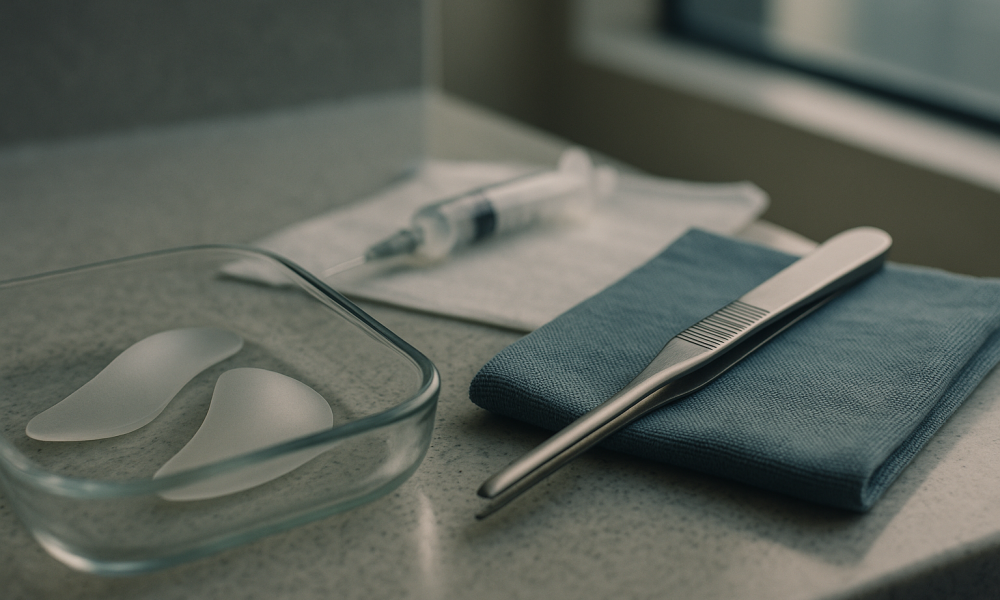
Cheek implants, also known as malar augmentation, is a cosmetic surgical procedure designed to enhance the prominence and definition of the cheeks. This procedure involves the insertion of synthetic implants, typically made of silicone or polyethylene, over the cheekbones. The goal is to create a fuller, more aesthetically pleasing facial contour, often desired by individuals seeking to restore youthful volume or balance facial features.
Cheek implants are suitable for a diverse range of individuals, including those who have naturally flat or underdeveloped cheekbones, as well as those who have experienced loss of volume due to aging or weight loss. The procedure is particularly popular among individuals looking to achieve a more defined facial structure without the need for frequent non-surgical filler treatments.
In Turkey, cheek implants have become a sought-after option for international patients, particularly from countries like Australia, due to the combination of high-quality medical care and cost-effectiveness. The procedure typically takes between one to two hours under general anaesthesia, and patients can expect an overnight stay in the hospital for monitoring. Recovery times vary, but many patients are able to return to work within one to two weeks and achieve full recovery within four to six weeks. The results of cheek implants are immediate, although some swelling and bruising may obscure the final outcome for a few weeks post-surgery.
When considering cheek implants, it’s crucial to choose a qualified and experienced surgeon to ensure the best possible results. Turkey is home to many internationally accredited clinics and specialists experienced in facial cosmetic surgery. Patients should expect to pay an indicative cost ranging from £2,500 to £4,000, depending on the complexity of the procedure and the specific requirements of the patient. This cost typically includes the surgery, anaesthesia, hospital stay, and follow-up consultations.
Are you a good candidate?
Determining whether you are a good candidate for cheek implants involves a thorough assessment of your facial structure, aesthetic goals, and overall health. While cheek implants can significantly enhance facial features, they are not suitable for everyone. Here are some key criteria to consider:
- Age: Candidates should generally be adults, typically over the age of 18, with fully developed facial structures.
- Health: Good physical health is essential. Candidates should not have any medical conditions that could impair healing or increase surgical risks.
- Realistic Expectations: It’s important to have realistic expectations about the outcomes. While cheek implants can enhance facial aesthetics, they cannot transform your appearance entirely.
- Non-Smoker: Smoking can impair healing and increase the risk of complications. Candidates should ideally be non-smokers or willing to quit before and after the surgery.
- Facial Structure: Individuals with flat or poorly defined cheekbones, or those seeking to restore volume lost due to aging or weight changes, are typically good candidates.
- Aesthetic Goals: Candidates should have clear cosmetic goals and be seeking to enhance their facial symmetry and contour.
Before proceeding with surgery, a comprehensive consultation with a qualified surgeon is necessary to discuss your goals, undergo a facial assessment, and review your medical history. This allows the surgeon to determine the most appropriate implant size and shape for your needs and to ensure that you are a suitable candidate for the procedure.
It is also important to discuss any previous facial surgeries or treatments during your consultation, as these can influence the outcome of cheek implants. Ultimately, the decision to undergo cheek implant surgery should be made in collaboration with a trusted healthcare provider, ensuring that it aligns with your personal health and aesthetic aspirations.
3. The procedure, step by step
Cheek implant surgery, also known as malar augmentation, is a procedure designed to enhance the facial structure by adding volume to the cheekbones. This surgical approach is popular among patients seeking a more defined facial contour. Here is a detailed step-by-step overview of what you can expect during the procedure:
- Consultation and Planning: Before the surgery, you will have a detailed consultation with your surgeon. During this session, your medical history will be reviewed, and a physical examination of your facial structure will be conducted. The surgeon will discuss your aesthetic goals and determine the most suitable size and shape of the implants. Imaging technology may be used to simulate potential outcomes, providing you with a clearer picture of the expected results.
- Anaesthesia: On the day of the surgery, anaesthesia will be administered to ensure your comfort throughout the procedure. Options typically include local anaesthesia with sedation or general anaesthesia, depending on the complexity of the surgery and your preference.
- Incision: The surgeon will make small incisions, usually inside the mouth at the upper gum line. This approach minimises visible scarring. In some cases, an external incision near the lower eyelid may be necessary, especially if the procedure is combined with other facial surgeries.
- Implant Placement: Once the incision is made, a pocket is created in the tissue over the cheekbone. The pre-selected silicone or other biocompatible material implant is then inserted into this pocket. The implant size and shape are meticulously adjusted to ensure symmetry and a natural appearance.
- Closure: After the implants are securely positioned, the surgeon closes the incisions with dissolvable sutures. If necessary, external sutures may be removed during a follow-up appointment.
- Post-operative Care: A compression garment or bandage may be applied to support the implants and reduce swelling. You will receive detailed instructions on how to care for the surgical site, manage discomfort, and recognize signs of potential complications.
The entire procedure typically lasts between one to two hours, depending on the individual case and whether additional procedures are performed simultaneously. Following surgery, you will be monitored in a recovery area until the anaesthesia wears off, which usually takes a few hours. Most patients are able to return home the same day, though arranging for someone to accompany you is recommended.
4. Recovery timeline
The recovery process following cheek implant surgery is crucial for achieving the best results and minimising complications. Understanding what to expect and how to care for yourself during this time can significantly influence your experience. Here is a detailed recovery timeline to guide you:
| Period | What to Expect | Care Notes |
|---|---|---|
| Day 1 | Swelling and bruising begin to develop around the cheeks and eyes. Some discomfort and tightness are common. | Rest with your head elevated to reduce swelling. Apply cold compresses as advised. |
| Days 2-3 | Swelling peaks, and bruising may become more pronounced. Pain should be manageable with prescribed medication. | Continue using cold compresses. Follow medication guidelines strictly. Avoid strenuous activity. |
| Week 1 | Swelling starts to subside, and bruising begins to fade. You may feel ready to engage in light activities. | Attend your follow-up appointment. Maintain a soft diet to prevent irritation of the incisions. |
| Weeks 2-3 | Noticeable reduction in swelling. Most bruising should be resolved. Incision sites may still be sensitive. | Gradually resume normal activities but avoid high-impact exercise. Continue to follow your surgeon’s care instructions. |
| 1 Month | Swelling significantly decreases, and results become more apparent. Most patients return to work and normal activities. | Continue to protect your face from trauma. Follow up with your surgeon if any concerns arise. |
| 3-6 Months | Final results are typically visible. Swelling is completely resolved, and the implants settle naturally. | Regularly check in with your surgeon to ensure proper healing. Maintain a healthy lifestyle to support long-term results. |
It is important to follow all post-operative care instructions provided by your surgeon to ensure a smooth recovery. This includes attending all follow-up appointments, adhering to dietary recommendations, and avoiding activities that could impact healing. Remember, individual recovery experiences may vary, and it is essential to communicate with your healthcare provider if you have any concerns or questions during your recovery period.
What it costs: Turkey vs Australia
When considering cheek implant surgery, cost is an important factor for many patients. The price of the procedure can vary significantly between countries, and Turkey is often cited as a more affordable option compared to Australia. However, it is important for prospective patients to understand what these costs typically include and to recognise that figures are indicative and can vary based on several factors such as the complexity of the procedure, the experience of the surgeon, and the specifics of the medical facility.
| Location | Indicative Price Range (AUD) | Typical Inclusions |
|---|---|---|
| Turkey | $3,500 – $5,500 |
|
| Australia | $7,000 – $12,000 |
|
The cost of cheek implants in Turkey is typically lower due to lower overheads and operational costs in the healthcare system, which allows clinics to offer competitive pricing without compromising the quality of care. Many Turkish clinics offer comprehensive packages that include not only the medical procedure itself but also additional services such as airport transfers, accommodation arrangements, and even a personal assistant to help navigate the logistics of your stay.
In contrast, the cost of cheek implant surgery in Australia is generally higher. This is partly due to higher operational costs and the value placed on healthcare professionals’ time. Additionally, Australian clinics may not offer as many complimentary services within their standard package, often resulting in additional costs for things like transportation and accommodation, which patients need to arrange independently.
It is crucial for patients to thoroughly research and compare the packages offered by different providers, ensuring they fully understand what is included in the quoted price. This research will help avoid unexpected expenses and ensure a clear understanding of the financial commitment involved. In all cases, potential patients should verify the credentials of the clinic and the medical professionals involved to ensure that they are choosing a reputable provider.
Risks and how accredited providers manage them
Like any surgical procedure, cheek implant surgery carries a range of potential risks. It is essential for prospective patients to be aware of these risks and understand how accredited providers in Turkey manage them to ensure patient safety and satisfactory outcomes.
Some of the common risks associated with cheek implant surgery include infection, bleeding, asymmetry, nerve damage, and implant displacement. These risks can result in complications that may require additional medical treatment or corrective surgery. Accredited providers in Turkey employ several strategies to mitigate these risks and enhance patient safety.
- Pre-operative Assessment: Before the surgery, patients undergo a thorough health assessment to identify any underlying conditions that may increase surgical risk. This includes reviewing medical history, conducting necessary tests, and evaluating the patient’s general health status.
- Surgical Expertise: Accredited clinics in Turkey ensure that surgeries are conducted by highly qualified and experienced surgeons. These professionals are often trained both locally and internationally, providing them with a broad understanding of advanced surgical techniques.
- Sterile Environment: Maintaining a sterile surgical environment is critical in preventing infections. Turkish clinics adhere to stringent hygiene protocols, ensuring that all surgical instruments are sterilised and that the operating room environment is rigorously controlled.
- Advanced Technology: Many clinics are equipped with state-of-the-art technology that aids in precise surgical planning and execution. This includes imaging technologies that help in accurately placing implants and monitoring the procedure in real-time.
- Post-operative Care: Accredited providers offer comprehensive post-operative care, which is crucial for monitoring recovery and addressing any early signs of complications. This includes regular follow-up appointments and access to medical staff who can provide immediate assistance if needed.
Moreover, Turkish clinics often have multilingual staff who can effectively communicate with international patients, ensuring that they understand the risks and the management strategies in place. Patients are encouraged to ask questions and discuss any concerns they may have with their surgical team.
Accreditation by international bodies and adherence to global standards in healthcare further assure patients of the quality and safety of the procedures offered. By choosing an accredited provider, patients can be more confident that the clinic follows best practices in managing surgical risks and prioritising patient safety.
How to choose the right provider
When considering cheek implants in Turkey, selecting the right provider is crucial for a successful outcome. Accreditation is a key factor to consider. Look for clinics that are accredited by reputable international health organisations, such as the Joint Commission International (JCI) or the International Society for Quality in Health Care (ISQua). These accreditations indicate that the clinic adheres to high standards of care and patient safety.
The experience of the surgeon is another critical aspect. You should verify the surgeon’s qualifications, including their board certification and specific training in facial cosmetic surgery. It is advisable to choose a surgeon with a minimum of five years of experience in performing cheek implant procedures. Request before-and-after photos of previous patients to assess their work objectively.
Aftercare is an essential part of the treatment journey. Ensure that the clinic offers comprehensive aftercare services, which include post-operative consultations, 24/7 support for urgent concerns, and detailed recovery guidelines. A well-structured aftercare plan can significantly influence the healing process and the final results.
Be aware of red flags that might indicate a less reliable provider. These include a lack of transparency regarding the surgeon’s credentials, no available patient testimonials, or pressure to make an immediate decision. Additionally, be cautious of clinics that offer prices significantly lower than the typical range of £2,500 to £3,500, as this might compromise the quality of care.
Ultimately, the decision should be based on a balance of cost, quality, and personal comfort with the provider. Consider scheduling a virtual consultation before your trip to discuss your expectations and concerns directly with the surgeon and clinical staff.
Planning your trip
Planning your trip for cheek implants in Turkey involves several steps to ensure a smooth experience. Begin by establishing a timeline. It’s advisable to schedule your initial consultation at least three months before your desired surgery date. This allows ample time for consultations, decision-making, and travel arrangements.
You’ll need to organise essential documents for your journey. These include a valid passport, which should be valid for at least six months from your date of entry into Turkey, and any necessary visas, depending on your nationality. Ensure you also have all medical records related to your health and any previous surgeries, as these will be vital for your pre-surgical assessment.
The typical length of stay in Turkey for cheek implant surgery is around 7 to 10 days. This period includes pre-operative consultations, the day of surgery, and initial recovery. Plan to arrive a few days before the procedure to allow time for rest and any final assessments. Post-surgery, it is recommended to remain in Turkey for at least five days to attend follow-up appointments and ensure there are no immediate complications.
Once back in Australia, follow-up care is crucial. Arrange appointments with a local healthcare provider to monitor your recovery. It’s also wise to maintain communication with your Turkish surgeon for any questions or concerns that arise during your recovery. Modern clinics often offer virtual follow-up consultations, which can be a convenient option for international patients.
Finally, consider travel insurance that covers medical procedures abroad and any potential complications. This can provide peace of mind and financial protection. Planning ahead with these steps will help make your medical tourism experience in Turkey both safe and rewarding.
Frequently Asked Questions
What is the typical cost of cheek implants in Turkey?
The typical cost of cheek implants in Turkey ranges from £2,500 to £3,500. This price usually includes the surgery, hospital fees, and initial aftercare, but it is important to confirm exactly what is covered in the quoted price. Some clinics may offer packages that include accommodation and airport transfers, which can provide added convenience for international patients.
How do I verify a surgeon's qualifications for cheek implants?
To verify a surgeon's qualifications, check for board certification in plastic or cosmetic surgery and specific training in facial procedures. Reputable surgeons often belong to professional organisations such as the Turkish Society of Plastic Reconstructive and Aesthetic Surgeons. Additionally, reviewing patient testimonials and before-and-after photos can provide insight into their expertise and success rates.
What are the potential risks of cheek implant surgery?
Like any surgical procedure, cheek implants carry potential risks including infection, bleeding, and adverse reactions to anaesthesia. There is also a risk of implant displacement or asymmetry, which may require additional corrective surgery. To minimise these risks, choose a qualified and experienced surgeon and adhere strictly to pre- and post-operative care instructions.
How long is the recovery period for cheek implants?
The initial recovery period for cheek implants typically lasts about one to two weeks, during which time swelling and bruising are common. Most patients can resume normal activities within two weeks, but it may take several months for complete healing and the final results to become apparent. Following your surgeon's aftercare instructions is crucial for a smooth recovery.
Is it safe to travel alone for cheek implant surgery?
While many patients travel alone for cheek implant surgery, it is generally recommended to have a companion. A travel companion can provide support during recovery, assist with transportation, and help communicate with medical staff if needed. If travelling alone, consider arranging for professional post-operative care services to ensure you have adequate support.
What should I pack for my trip to Turkey for surgery?
When packing for your trip to Turkey, include comfortable, loose-fitting clothing, as you may experience swelling after surgery. Bring any necessary medications and personal care items, along with copies of medical records. It's also wise to pack a travel pillow for comfort on the return flight and any electronic devices you may need for communication and entertainment.
How soon can I fly after cheek implant surgery?
It is generally recommended to wait at least one week after cheek implant surgery before flying. This allows time for initial healing and reduces the risk of complications such as increased swelling or discomfort during flight. Always follow your surgeon's specific advice regarding travel after surgery to ensure a safe journey home.
Will I need follow-up care once I return to Australia?
Yes, follow-up care is essential after returning to Australia. Arrange appointments with a local doctor to monitor your recovery and address any concerns. Maintaining communication with your Turkish surgeon through virtual consultations can also be beneficial for ongoing support and guidance during your recovery.
What are the long-term effects of cheek implants?
Cheek implants are designed to provide permanent enhancement to facial contours. Most patients enjoy long-lasting results; however, as with any cosmetic enhancement, ageing and natural changes in facial structure over time may affect the appearance of the implants. Regular follow-up with your surgeon can help manage any long-term concerns.
How do I manage pain after cheek implant surgery?
Pain management is an important aspect of recovery. Your surgeon will likely prescribe pain medication to help manage discomfort during the initial recovery period. Over-the-counter pain relievers may also be recommended. Adhere to your surgeon's instructions for pain management and report any severe or persistent pain to your healthcare provider promptly.
Are there non-surgical alternatives to cheek implants?
Yes, non-surgical alternatives such as dermal fillers can be used to enhance cheek volume. These treatments offer temporary results, typically lasting six months to two years. While fillers are less invasive than implants, they require regular maintenance. Discuss with your surgeon whether non-surgical options are appropriate for your desired outcome.
Can I combine cheek implants with other procedures?
Combining cheek implants with other procedures, such as rhinoplasty or a facelift, is possible and can be beneficial in achieving a harmonious facial appearance. Discuss your aesthetic goals with your surgeon to determine if a combination of procedures is suitable for you. Comprehensive planning can help ensure optimal results from multiple treatments.