
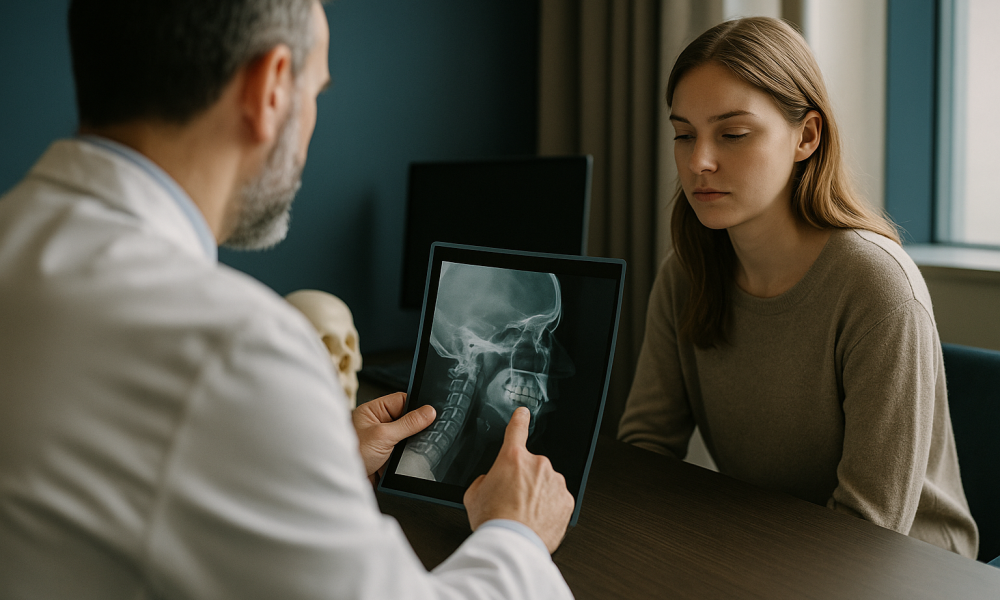
What Jaw Surgery (Orthognathic) is and who it is for
Jaw surgery, medically known as orthognathic surgery, is a corrective procedure aimed at addressing a range of dental and facial irregularities. This surgical intervention is designed to realign or reposition the jaws to improve functionality and aesthetics. The procedure is often recommended for patients who experience significant issues with chewing, speaking, or breathing due to misalignment of the jaws. Additionally, it can enhance facial appearance and balance, contributing to improved self-esteem and quality of life.
Orthognathic surgery is typically performed by a skilled oral and maxillofacial surgeon, often in collaboration with orthodontists. The surgery involves making precise cuts in the jawbones, which are then moved into their new positions. Plates, screws, or wires may be used to secure the bones in place as they heal. This procedure is usually planned in conjunction with orthodontic treatment, both pre- and post-surgery, to ensure optimal results.
In terms of who might benefit from this surgery, candidates often include those with malocclusions (misaligned bites) that cannot be corrected with orthodontics alone. Common conditions treated with jaw surgery include overbites, underbites, crossbites, and open bites. Additionally, individuals with facial asymmetry, speech impediments, or chronic jaw pain may also be considered suitable candidates.
Patients from Australia considering jaw surgery in Turkey may be attracted by the availability of highly qualified surgeons, modern medical facilities, and the potential cost savings. The indicative cost for orthognathic surgery in Turkey typically ranges from £6,000 to £9,000, which can be significantly lower than prices in Australia. However, it is crucial for patients to consider travel expenses, accommodation, and post-surgical care when budgeting for surgery abroad.
Overall, jaw surgery in Turkey offers a comprehensive solution for individuals seeking functional and aesthetic improvements. It requires careful planning and consultation with healthcare providers to ensure that the procedure aligns with the patient’s needs and expectations.
Are you a good candidate?
Determining whether you are a good candidate for jaw surgery involves evaluating both medical and personal factors. A thorough assessment by a qualified oral and maxillofacial surgeon is essential to ascertain the suitability of orthognathic surgery for your specific condition. Below is a checklist of criteria that can help you and your healthcare provider determine if you are a suitable candidate:
- Age: Candidates should generally be adults or older teenagers whose facial growth is complete. Typically, this means individuals over 18 years of age, although younger patients may be considered in specific cases.
- Dental and Facial Issues: Significant malocclusions, such as overbites, underbites, crossbites, or open bites, that cannot be corrected with orthodontics alone are indicators for surgery.
- Functional Problems: Difficulty chewing, biting, speaking, or breathing caused by jaw misalignment may make you a candidate for surgery.
- Chronic Jaw Pain: Persistent discomfort or pain in the jaw joint or surrounding muscles that affects daily activities.
- Facial Asymmetry: Noticeable imbalance in facial appearance, such as a protruding or receding jaw.
- Oral Health: Good overall oral health is required; issues like tooth decay or gum disease should be addressed before surgery.
- Commitment: Willingness to undergo pre- and post-surgical orthodontic treatment and adhere to recovery protocols.
- Realistic Expectations: Understanding the surgical process, potential risks, and the time required for recovery and visible results.
It is important to have realistic expectations regarding the outcomes of jaw surgery. While the procedure can significantly improve function and aesthetics, it is not without risks or complications. Common risks include infection, bleeding, nerve damage, and the need for additional surgeries. Therefore, a comprehensive consultation with your surgeon, including a detailed discussion of your medical history and treatment goals, is vital for planning a successful procedure.
Ultimately, being a good candidate for jaw surgery means being well-informed, medically suitable, and prepared for the commitment required to achieve the desired results. With the right preparation and support, orthognathic surgery can be a life-changing decision, offering long-term improvements in both function and appearance.
The procedure, step by step
Undergoing jaw surgery, also known as orthognathic surgery, is a significant decision and understanding each step of the procedure can help ease concerns. Here is a detailed breakdown of what typically occurs during the surgery in Turkey.
- Pre-Surgical Planning: Prior to the surgery, a comprehensive evaluation is conducted. This includes dental impressions, X-rays, and 3D imaging to create a precise surgical plan. The surgeon collaborates with an orthodontist to ensure that the teeth and jaw align correctly post-surgery.
- Anaesthesia Administration: On the day of the surgery, you will be placed under general anaesthesia. This ensures you are asleep and pain-free during the procedure, which typically lasts between 2 to 5 hours depending on the complexity.
- Incisions and Bone Adjustments: The surgeon makes incisions inside the mouth to access the jawbone, minimising visible scarring. For some cases, small external incisions may be necessary. The jawbone is then cut and repositioned. Plates, screws, or wires are used to secure the new alignment.
- Adjusting the Jaw: If both upper and lower jaws require modification, the surgeon will adjust them in a coordinated manner to ensure proper bite and aesthetic balance. This may involve bone grafting if additional bone is needed for stability.
- Closing Incisions: Once the jaw is correctly positioned, the incisions are closed with dissolvable stitches. The surgeon may apply a bandage or support around the jaw to help with initial swelling and healing.
- Immediate Post-Operative Care: After surgery, you are taken to a recovery room where medical staff monitor vital signs as you awaken from anaesthesia. Pain management and antibiotics are administered to prevent infection and manage discomfort.
- Hospital Stay: A typical hospital stay ranges from 1 to 3 days. During this time, the medical team ensures that you are stable, managing pain, and beginning to adapt to your new jaw alignment.
- Discharge and Follow-Up: Upon discharge, you will receive detailed instructions on home care, dietary restrictions, and follow-up appointments. Regular follow-up visits are crucial to monitor healing and address any concerns.
Each step of the procedure is meticulously planned to ensure the best possible outcome. While individual experiences vary, understanding the process can help you prepare mentally and physically for your journey to recovery.
Recovery timeline
The recovery from jaw surgery is a gradual process that requires patience and careful adherence to medical advice. Here is an overview of what to expect during the recovery period.
| Period | What to expect | Care notes |
|---|---|---|
| Day 1 | Immediate post-operative swelling and discomfort. You may experience nausea from anaesthesia. | Pain medication is administered. Rest is crucial. Keep head elevated to reduce swelling. |
| Week 1 | Swelling peaks around day 3-4. Bruising may appear. Limited jaw movement. | Soft diet recommended. Maintain oral hygiene with a gentle rinse. Attend follow-up appointment. |
| Weeks 2-3 | Swelling begins to subside. Bruising fades. Initial improvements in comfort. | Continue with a soft diet. Gradually introduce gentle jaw exercises as advised. |
| Weeks 4-6 | Significant reduction in swelling. Begin to feel more normal. | Solid foods can be reintroduced slowly. Resume normal activities as tolerated. |
| Months 3-6 | Most swelling resolved. Jaw function improves. Dental adjustments may be needed. | Attend regular orthodontic appointments if required. Maintain good oral hygiene. |
| Full Recovery (6-12 months) | Complete healing and full jaw function restored. Final results visible. | Continue follow-up care. Report any persistent issues to your surgeon. |
Recovery can vary greatly among individuals, but adhering to these guidelines and communicating with your healthcare providers will support a smoother healing process.
What it costs: Turkey vs Australia
When considering orthognathic surgery, commonly referred to as jaw surgery, one of the key factors for many patients is cost. The financial aspect of undergoing this procedure can vary significantly depending on the location. Patients from Australia often find that the cost of jaw surgery in Turkey is considerably lower than at home. This section provides a detailed comparison of indicative price ranges for jaw surgery in Turkey versus Australia and outlines what is typically included in these costs.
| Country | Indicative Price Range (GBP) | Typical Package Inclusions |
|---|---|---|
| Turkey | £3,500 – £6,000 |
|
| Australia | £8,000 – £15,000 |
|
It is important to note that these figures are indicative and can vary based on the specific needs of the patient and the complexity of the surgery. In Turkey, many medical tourism packages offer comprehensive care, which includes not only the surgery itself but also logistical support such as airport transfers and accommodation arrangements. This holistic approach can enhance the overall experience, providing patients with peace of mind.
In contrast, while the costs in Australia are higher, they typically cover fewer additional services, meaning patients may need to manage travel and accommodation separately. The higher price point in Australia often reflects the higher costs of medical services and living expenses in the country.
Ultimately, the decision to undergo jaw surgery in Turkey or Australia should consider not only the cost but also factors such as the surgeon’s expertise, hospital accreditation, and the overall package offered. Patients are encouraged to conduct thorough research and possibly consult with healthcare professionals to make an informed decision that aligns with their medical and personal needs.
Risks and how accredited providers manage them
Like any surgical procedure, orthognathic surgery carries certain risks. These can include infection, bleeding, nerve injury, and issues with the jaw alignment post-surgery. However, when performed by skilled professionals, the risks are significantly reduced. Accredited providers in Turkey adhere to stringent international healthcare standards to manage these risks effectively.
Infection is a common risk with any surgery. Accredited facilities in Turkey employ rigorous sterilisation techniques and provide comprehensive post-operative instructions to minimise the risk of infection. Patients are often prescribed antibiotics as a precautionary measure, and routine follow-up appointments are scheduled to monitor recovery and address any concerns promptly.
Bleeding and swelling are expected in the initial stages post-surgery. Accredited surgeons are trained to manage these symptoms effectively. Patients are usually advised to keep their head elevated and apply ice packs to reduce swelling. Detailed guidance on dietary restrictions and oral hygiene practices is provided, which is crucial for promoting healing and preventing complications.
Nerve injury, though rare, is another potential risk. It can lead to temporary or, in some cases, permanent numbness in the jaw or lip area. Surgeons in Turkey are often highly skilled and experienced, which reduces the likelihood of such complications. They use advanced imaging technologies to plan the surgery meticulously, minimising the risk of nerve damage.
Furthermore, the risk of jaw misalignment post-surgery is managed through precise surgical planning and execution. Accredited centres utilise cutting-edge technology such as 3D imaging and computer-assisted surgical planning to ensure the best possible outcomes. This technology allows surgeons to visualise the jaw structure in detail and plan the surgical movements accurately.
Accredited providers in Turkey also focus on comprehensive pre-operative assessments to identify any potential risk factors specific to the patient. These assessments enable the surgical team to tailor the procedure to the individual’s needs, further mitigating risks.
In conclusion, while risks are inherent to orthognathic surgery, accredited providers in Turkey employ a combination of advanced technology, skilled personnel, and stringent safety protocols to manage these effectively. Patients are encouraged to discuss potential risks and management strategies with their chosen healthcare provider to ensure a clear understanding and peace of mind before undergoing surgery.
How to choose the right provider
Choosing the right provider for orthognathic surgery in Turkey is crucial for a successful outcome. Start by ensuring the clinic is accredited by recognised international bodies such as the Joint Commission International (JCI) or the International Society for Quality in Healthcare (ISQua). These accreditations guarantee that the clinic adheres to high standards of healthcare quality and safety.
Next, evaluate the surgeon’s experience and qualifications. Look for a surgeon who specialises in maxillofacial surgery, with a minimum of 10-15 years of experience. Check if they are members of reputable associations like the Turkish Society of Oral and Maxillofacial Surgery or the European Association for Cranio-Maxillofacial Surgery. A history of published research or participation in international conferences can also be a good indicator of their expertise.
Aftercare is a critical aspect of your treatment journey. Ensure that the clinic offers comprehensive post-operative care, including regular follow-up appointments and access to rehabilitation services such as physical therapy or nutritional counselling. Ask if they provide a dedicated patient coordinator who can assist with any concerns during recovery.
Be vigilant for red flags when selecting a provider. Avoid clinics that make unrealistic promises, such as guaranteed outcomes or extremely low prices that seem too good to be true. Transparency in pricing and clear communication about potential risks and complications are essential. Additionally, verify that the clinic has state-of-the-art facilities and access to emergency care if needed.
Seek testimonials from previous patients, but be cautious of overly positive reviews that lack detail. Consider reaching out to patients who have undergone similar procedures to gain a firsthand account of their experiences. Ultimately, the right provider will offer a balance of accreditation, experience, comprehensive aftercare, and transparent communication.
Planning your trip
Planning your trip for jaw surgery in Turkey involves careful consideration of various logistical elements. Begin by consulting with your chosen clinic to establish a timeline for your treatment. Typically, an initial consultation can be conducted online or via video call approximately 4-6 weeks before your planned travel date. This allows sufficient time for pre-operative assessments and any necessary adjustments to your treatment plan.
Ensure that you have all required documents ready, including a valid passport, visa (if necessary), and any medical records or imaging results pertinent to your condition. The clinic may also request a referral letter from your Australian healthcare provider. Confirm the specific documentation needed well in advance to avoid last-minute complications.
Plan for a stay of approximately 2-3 weeks in Turkey. This duration typically covers pre-operative consultations, the surgical procedure, and an initial recovery period. Depending on the complexity of your surgery and your individual healing process, your stay might be longer. Discuss a detailed itinerary with the clinic to understand the expected timeline.
Upon returning home, follow-up care is essential. Arrange for a local maxillofacial specialist in Australia to oversee your recovery and handle any complications that may arise. Ensure that your Turkish surgeon provides a comprehensive post-operative report to facilitate seamless care continuity.
Consider travel insurance that covers medical procedures abroad, as well as any potential complications. This provides financial protection and peace of mind during your journey. Additionally, plan for travel accommodations and transportation in Turkey, ensuring proximity to the clinic for convenience during your recovery.
Frequently Asked Questions
What is the typical cost range for jaw surgery in Turkey?
The cost for orthognathic surgery in Turkey can vary based on the complexity of the procedure, the clinic, and the surgeon's expertise. Typically, prices range from £4,000 to £7,000. It's important to note that this is an indicative range and may not include additional expenses such as pre-operative consultations, aftercare, or accommodation.
Are the surgeons in Turkey qualified to perform jaw surgery?
Many surgeons in Turkey are highly qualified, with extensive training and experience in orthognathic surgery. Look for those who are members of professional bodies like the Turkish Society of Oral and Maxillofacial Surgery. It's crucial to verify their credentials, experience, and track record before proceeding.
How safe is undergoing jaw surgery in Turkey?
Safety in undergoing jaw surgery in Turkey largely depends on choosing a reputable clinic with proper accreditation, such as JCI or ISQua. Ensure the clinic follows international safety standards and that the surgeon has a proven track record. Research thoroughly and ask for patient testimonials to gauge the quality of care.
What documents do I need for my surgery in Turkey?
You will need a valid passport, potentially a visa depending on your nationality, and any relevant medical records. The clinic may also require a referral letter from your healthcare provider in Australia. Confirm with the clinic for any additional document requirements to ensure a smooth process.
How long should I plan to stay in Turkey for jaw surgery?
It's advisable to plan a stay of approximately 2-3 weeks in Turkey. This period typically covers pre-operative consultations, the surgery itself, and an initial recovery phase. The exact duration may vary based on individual circumstances and the complexity of the procedure.
Will I need follow-up care once I return to Australia?
Yes, follow-up care is crucial after jaw surgery. Arrange for a local specialist in Australia to monitor your recovery and address any complications. Ensure that your Turkish surgeon provides a detailed post-operative report to aid your local healthcare provider in continuing your care.
Can I have an online consultation before travelling to Turkey?
Many clinics in Turkey offer online consultations or video calls as part of the pre-operative process. This allows you to discuss your treatment plan, ask questions, and receive initial assessments before committing to travel. Contact your chosen clinic to arrange a virtual consultation.
What is included in the cost of jaw surgery in Turkey?
The indicative cost often includes the surgical procedure itself, anaesthesia, and basic hospital stay. However, additional expenses such as pre-operative consultations, aftercare, medications, and accommodation are usually not included. Clarify with the clinic what is covered in their pricing to avoid unexpected costs.
How do I verify the accreditation of a Turkish clinic?
You can verify a clinic's accreditation by checking if they are certified by recognised international bodies such as the Joint Commission International (JCI) or the International Society for Quality in Healthcare (ISQua). Contact these organisations directly or visit their websites for a list of accredited facilities.
What should I do if I experience complications after returning home?
If you experience complications after returning home, contact your local healthcare provider immediately. It's important to have arranged follow-up care in Australia before travelling. Additionally, inform your Turkish surgeon about any issues, as they may offer guidance or collaborate with your local specialist.
How do I ensure a smooth recovery after jaw surgery?
To ensure a smooth recovery, follow all post-operative instructions provided by your surgeon, attend all follow-up appointments, and maintain open communication with your healthcare providers. Adhere to dietary restrictions, manage pain effectively, and engage in recommended rehabilitation exercises.
Are there any cultural considerations I should be aware of when travelling to Turkey for surgery?
While Turkey is a modern country, it's respectful to be aware of local customs. Dress modestly, particularly in rural areas or religious sites, and be polite in interactions. English is widely spoken in tourist areas, but learning basic Turkish phrases can be helpful. Always respect local traditions and regulations.