
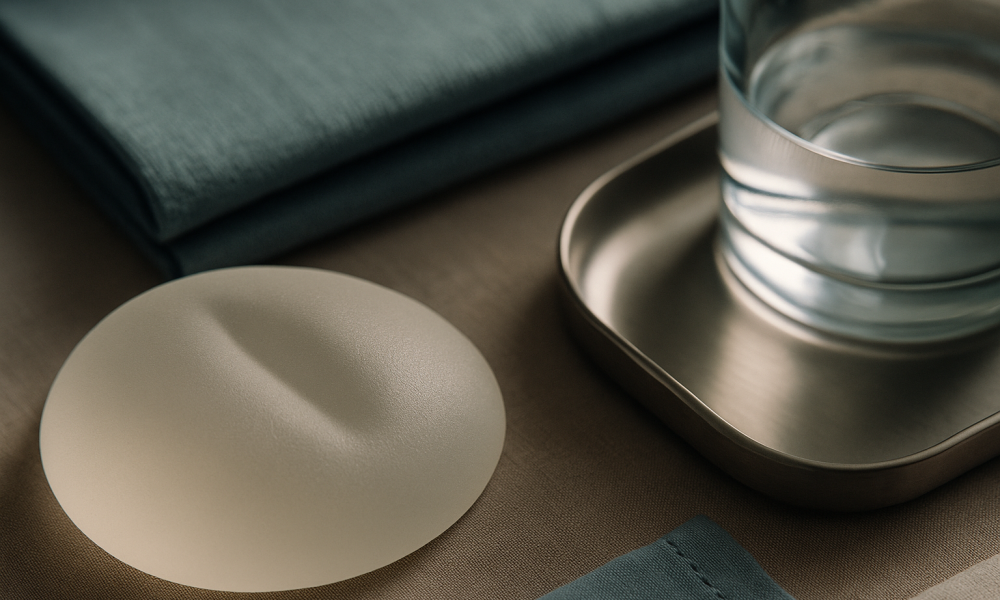
What Breast Lift is and who it is for
A breast lift, medically known as mastopexy, is a surgical procedure designed to raise and reshape sagging breasts. This is achieved by removing excess skin and tightening the surrounding tissue to support a new breast contour. The procedure is especially beneficial for individuals who have experienced changes in breast shape due to aging, weight fluctuations, pregnancy, or breastfeeding. While a breast lift can significantly enhance the appearance of the breasts, it does not significantly alter their size. However, it can be combined with augmentation or reduction procedures if desired.
In Turkey, breast lift surgery is performed by highly qualified surgeons in state-of-the-art medical facilities. The country is renowned for its advanced healthcare system and competitive pricing, making it a popular destination for medical tourism. Patients can expect a typical procedure time of 2 to 3 hours under general anaesthesia, with a recommended hospital stay of one night to ensure proper post-operative care and monitoring.
The results of a breast lift are visible immediately, although the final shape will settle over the course of a few months as swelling subsides and the breasts adjust to their new position. Patients typically return to work within 1 to 2 weeks, depending on the nature of their job, and full recovery is anticipated within 6 to 8 weeks. It is important to note that while the effects of a breast lift are long-lasting, they are not immune to future changes brought about by aging, weight changes, or pregnancy.
The cost of a breast lift in Turkey is generally more affordable compared to Western countries, with indicative prices ranging from £2,000 to £4,000. This cost typically includes the surgeon’s fees, anaesthesia, hospital stay, and post-operative care. However, prices may vary based on the complexity of the procedure and the specific clinic chosen.
Are you a good candidate?
Determining whether you are a good candidate for a breast lift involves several considerations. Ideal candidates are those who are in good overall health, maintain a stable weight, and have realistic expectations about the outcomes of the surgery. A breast lift is most suitable for individuals who are bothered by sagging breasts, often characterised by nipples that point downward or fall below the breast crease.
Here is a checklist to help you assess your candidacy for a breast lift:
- Physical Health: You should be in good health with no active infections or untreated illnesses. Chronic conditions should be well-managed.
- Non-smoker: Smoking can impede the healing process and increase the risk of complications. If you smoke, you will need to quit several weeks before and after the surgery.
- Breast Appearance: You have noticeable sagging breasts, with nipples that fall below the breast crease or point downward.
- Stable Weight: Fluctuations in weight can affect breast size and shape, so it is advisable to have a stable weight before undergoing the procedure.
- Realistic Expectations: You should have a clear understanding of what the procedure can achieve and be prepared for the recovery process.
- Not Planning Pregnancy: Future pregnancies can alter the results of a breast lift, so it is recommended to undergo the procedure after you have completed your family.
- Consultation: A thorough consultation with a qualified plastic surgeon is essential to discuss your goals and medical history to determine the best approach for your needs.
By considering these factors, you can make an informed decision about whether a breast lift is the right choice for you. Consulting with a board-certified plastic surgeon in Turkey will provide you with personalized insights and help you understand the specifics of the procedure tailored to your individual circumstances.
The procedure, step by step
A breast lift, or mastopexy, in Turkey is a surgical procedure designed to raise and firm the breasts by removing excess skin and tightening the surrounding tissue. The aim is to reshape and support the new breast contour. Here’s a detailed step-by-step guide of what the procedure typically involves:
- Initial Consultation: This is the first crucial step, where you will discuss your goals and expectations with your surgeon. The surgeon will evaluate your breast size and shape, skin quality, and the position of your nipples and areolas. A tailored surgical plan will then be developed.
- Preoperative Preparation: Before the surgery, you will undergo a series of preoperative tests to ensure you are fit for the procedure. You’ll receive instructions regarding medications, smoking cessation, and fasting requirements.
- Anaesthesia: On the day of the surgery, you will be administered either general anaesthesia or intravenous sedation. The choice depends on what you and your anaesthesiologist decide is best for your comfort and safety.
- Incision Patterns: The surgeon will choose an incision pattern based on your breast size and shape, the degree of lift required, and your skin elasticity. Common incision patterns include the “anchor” (around the areola, vertically down to the breast crease, and horizontally along the crease), the “lollipop” (around the areola and vertically down to the breast crease), or the “donut” (around the areola only).
- Reshaping the Breasts: After making the incisions, the surgeon will lift and reshape the underlying breast tissue to improve breast contour and firmness. The nipple and areola are repositioned to a more youthful height, and if necessary, enlarged areolas are reduced by excising skin at the perimeter.
- Removing Excess Skin: Excess breast skin is removed to compensate for a loss of elasticity. The remaining skin is tightened as the incisions are closed.
- Closing the Incisions: The incisions are brought together to reshape the now smaller breast. Sutures are layered deep within the breast tissue to create and support the newly shaped breasts. Sutures, skin adhesives, or surgical tape are used to close the skin.
- Postoperative Care: The surgeon will provide postoperative instructions and may place a support bra or elastic bandage to minimise swelling and support the breasts as they heal.
- Monitoring and Recovery: You will be monitored in a recovery area immediately following the surgery and may be allowed to go home a few hours post-surgery if no complications arise.
Each step of the procedure is carefully planned and executed to ensure the best possible outcome. It’s important to discuss all concerns and questions with your surgeon to fully understand what the procedure entails.
Recovery timeline
The recovery process following a breast lift in Turkey is gradual and varies from patient to patient. Below is a typical recovery timeline to help you understand what to expect during each phase:
| Period | What to expect | Care notes |
|---|---|---|
| Day 1-3 | Swelling, bruising, and discomfort are common. You may feel tired and need to rest frequently. Drains may be in place to collect excess fluid. | Rest as much as possible. Take prescribed pain medications. Keep your upper body elevated while resting. Follow your surgeon’s instructions on caring for drains and incisions. |
| Day 4-7 | Swelling and bruising begin to subside. Pain should decrease significantly. You may feel comfortable moving around more. | Wear a support bra as recommended. Avoid strenuous activities. Attend follow-up appointment for incision check and drain removal if applicable. |
| Week 2-3 | Most swelling and bruising should have diminished. You might still experience mild discomfort. | You can typically return to work if it’s not physically demanding. Continue wearing your support bra. Start gentle walking. |
| Week 4-6 | Breasts begin to settle into their new shape. Sensation in nipples may fluctuate. | Gradually increase physical activity but avoid high-impact exercises. Continue wearing support garments. |
| Week 7-12 | You should see the final results, with breasts taking on a more natural shape. Scarring will begin to fade. | Resume all normal activities. Protect incisions from sun exposure to minimise scarring. |
| 3-6 Months | Breasts should feel softer and more natural. Scars continue to fade. | Continue to monitor healing and consult your surgeon if any concerns arise. Maintain a healthy lifestyle to support results. |
| 6-12 Months | Full recovery is typically achieved. Scars have significantly faded. | Regular check-ups with your surgeon can help ensure optimal results. Maintain a balanced diet and exercise routine. |
It is important to remember that this timeline is a general guide. Individual recovery can vary based on various factors, including age, health status, and adherence to postoperative care instructions. Regular follow-ups with your surgeon are essential to track your recovery progress.
What it costs: Turkey vs the United States
When considering a breast lift, cost is a significant factor for many patients. The price of the procedure varies greatly between Turkey and the United States, influenced by factors such as the clinic’s reputation, the surgeon’s experience, and the complexity of the procedure. It’s important to note that all figures mentioned are indicative and can vary based on individual circumstances.
In the United States, the cost of a breast lift typically ranges from $8,000 to $15,000. This price generally covers the surgeon’s fees, anaesthesia, and operating room facilities. However, additional costs such as post-operative care, medications, and follow-up visits may not be included in the initial quote.
In contrast, Turkey offers breast lift procedures at a more competitive price point. Patients can expect to pay between $3,000 and $5,500 for a similar procedure. This often includes not only the surgery itself but also a comprehensive package covering various aspects of the patient’s stay and care. These packages typically include:
- Pre-operative consultations and tests
- Surgical fees and anaesthesia
- Post-operative garments and medications
- Accommodation in a hotel or recovery facility
- Transportation between the airport, hotel, and clinic
- Follow-up consultations
The following table provides a comparison of indicative price ranges for breast lift procedures in both countries:
| Country | Indicative Price Range | Typical Inclusions |
|---|---|---|
| United States | $8,000 – $15,000 | Surgeon’s fees, anaesthesia, operating room |
| Turkey | $3,000 – $5,500 | Comprehensive package including surgery, accommodation, and transfers |
It is essential for prospective patients to thoroughly research and understand what each package includes and to communicate clearly with the chosen clinic to avoid any unexpected expenses. While the lower cost in Turkey is appealing, patients should ensure that the quality of care and safety standards meet their expectations. Accredited clinics in Turkey often adhere to internationally recognised standards, making them a viable option for many seeking affordable yet high-quality medical care abroad.
Risks and how accredited providers manage them
Undergoing a breast lift, like any surgical procedure, carries certain risks. It is crucial for patients to be informed about these risks and understand how they are managed by accredited providers in Turkey. While the procedure is generally safe, potential complications can include infection, bleeding, scarring, changes in nipple or breast sensation, and unsatisfactory aesthetic results.
Accredited providers in Turkey are committed to minimising these risks by adhering to international healthcare standards. They employ experienced, board-certified surgeons who are trained to handle the complexities of breast lift procedures. Pre-operative evaluations are thorough, ensuring that each patient is a suitable candidate for surgery. This includes a detailed medical history review, physical examination, and necessary laboratory tests to assess overall health and readiness for surgery.
To mitigate the risk of infection, clinics maintain stringent sterilisation protocols. Operating rooms are equipped with advanced technology and are regularly inspected to ensure compliance with hygiene standards. Post-operative care is another critical component in risk management. Patients are closely monitored during their recovery period, with specific instructions provided for wound care, activity restrictions, and follow-up visits. Clinics often include post-operative garments and medications as part of their package to facilitate healing and reduce the risk of complications.
In the event of any complications, accredited clinics are prepared with comprehensive contingency plans. Surgeons are trained in recognising early signs of complications and are equipped to intervene promptly. Communication is key, and patients are encouraged to report any concerns immediately, ensuring that issues are addressed swiftly and effectively.
Furthermore, accredited clinics often offer revision surgery policies. While it is not common, in cases where the initial results are not satisfactory, clinics provide options for corrective procedures, usually at a reduced cost or as part of their commitment to patient satisfaction.
Choosing an accredited provider in Turkey involves ensuring that the clinic is certified by reputable international bodies, such as the Joint Commission International (JCI). Accreditation signifies that the clinic has met rigorous standards for patient safety, quality of care, and operational management. Patients are advised to verify the accreditation status of their chosen provider and to inquire about the specific protocols in place for managing risks associated with breast lift surgery.
Ultimately, while risks cannot be entirely eliminated, choosing an experienced, accredited provider in Turkey can significantly enhance the safety and success of the breast lift procedure, providing patients with peace of mind and confidence in their decision to undergo surgery abroad.
How to choose the right provider
Choosing the right provider for a breast lift in Turkey is crucial for ensuring a safe and satisfactory outcome. Accreditation is one of the primary factors to consider. Look for clinics that hold international accreditations such as JCI (Joint Commission International) or ISO certifications. These accreditations ensure that the facility adheres to international healthcare standards, including patient safety and quality of care.
Surgeon experience is equally important. Prospective patients should research the qualifications of the surgeons, which typically include board certification in plastic surgery and membership in reputable national and international medical associations. Always inquire about the surgeon’s specific experience with breast lift procedures, asking for before-and-after photos of previous patients and reviews or testimonials if available.
Aftercare is another critical component. A comprehensive aftercare plan should include follow-up appointments, access to medical staff for queries or concerns, and clear instructions on post-operative care. Ensure that the clinic provides detailed information on what to expect during recovery, including pain management, activity restrictions, and signs of potential complications.
Be vigilant about red flags, such as clinics that offer unrealistically low prices or make guarantees about results. Reputable clinics typically provide indicative cost ranges based on individual assessments. For breast lifts in Turkey, these can vary broadly, often ranging from £2,000 to £4,500 depending on the complexity and extent of the surgery. Transparent pricing and clear communication are essential markers of a trustworthy provider.
Finally, consider the level of English proficiency among the staff, as effective communication is vital throughout the treatment process. A reliable clinic will have multilingual staff or offer interpreter services to ensure that all medical discussions are clear and understood. Taking these factors into account will help ensure that you choose a provider who prioritizes your safety, comfort, and satisfaction.
Planning your trip
Planning your trip to Turkey for a breast lift involves several essential steps to ensure a smooth and stress-free experience. Start by establishing a timeline before travel. It is advisable to initiate contact with your chosen clinic at least two to three months in advance. This timeframe allows for initial consultations, assessments, and scheduling of the procedure.
Ensure you have all necessary documents ready, including a valid passport, visa (if required), and any medical records or referrals that the clinic may need. It’s also wise to have comprehensive travel insurance that covers medical tourism, including complications and unexpected changes in your travel plans.
Regarding the length of stay, plan for a minimum of 10 to 14 days in Turkey. This duration allows for pre-operative consultations, the surgery itself, and initial recovery time. Surgeons typically recommend staying in the country for at least a week post-surgery to manage any immediate post-operative issues and attend follow-up appointments. Some patients may choose to extend their stay for additional recovery time or to enjoy a brief holiday once they are comfortable.
Post-operative follow-up is an essential part of the planning process. Discuss with your surgeon how follow-up care will be managed once you return home. Many Turkish clinics have partnerships with medical professionals in other countries, including the United States, to facilitate ongoing care. Ensure you have a clear understanding of how to contact your surgeon or clinic should any issues arise after you have returned home.
Finally, consider practical travel arrangements such as accommodation near the clinic and transportation to and from the airport and medical facility. Some clinics offer packages that include these logistics, which can simplify the planning process. By organizing these elements well in advance, you can focus on your recovery and enjoy your time in Turkey with peace of mind.
Frequently Asked Questions
What is the typical cost of a breast lift in Turkey?
The cost of a breast lift in Turkey can vary depending on several factors such as the clinic's location, the surgeon's experience, and the complexity of the procedure. Typically, you can expect to pay between £2,000 and £4,500. It's important to remember that these figures are indicative and do not include additional expenses such as travel, accommodation, and aftercare. Always seek a detailed quote from the clinic to understand what the fee covers.
Are breast lifts in Turkey safe?
Breast lifts in Turkey can be safe when performed by qualified and experienced surgeons in accredited clinics. It's crucial to choose a facility that adheres to international healthcare standards, such as those accredited by JCI or ISO. Research the surgeon's credentials, read patient reviews, and ensure that the clinic offers comprehensive aftercare. While no surgery is without risks, taking these precautions can significantly enhance safety.
How long should I plan to stay in Turkey after my breast lift surgery?
You should plan to stay in Turkey for at least 10 to 14 days following your breast lift surgery. This period allows for pre-operative consultations, the surgery itself, and initial recovery. It's advisable to remain in the country for at least one week post-surgery to manage any immediate post-operative issues and attend follow-up appointments. Some patients may choose to extend their stay for additional recovery time or leisure.
What documents do I need to travel to Turkey for surgery?
To travel to Turkey for surgery, you will need a valid passport and a visa if required by your nationality. Additionally, bring any medical records or referrals that the clinic may need. It's also important to have comprehensive travel insurance that covers medical tourism, including potential complications. Check with the Turkish consulate or your travel agent for specific entry requirements.
How do I verify a surgeon's credentials in Turkey?
To verify a surgeon's credentials in Turkey, check if they are board-certified in plastic surgery and if they belong to reputable national and international medical associations. Reputable clinics often provide information on their surgeons' qualifications and experience. You can also request to see before-and-after photos of previous patients as part of your research.
What is the recovery process like after a breast lift?
The recovery process after a breast lift involves several stages. Initially, you may experience swelling, bruising, and discomfort, which can be managed with prescribed pain medication. Most patients can resume light activities within a week but should avoid strenuous exercise for at least four to six weeks. Follow your surgeon's aftercare instructions carefully, attend all scheduled follow-up appointments, and monitor for any signs of complications.
Can I combine a breast lift with other procedures in Turkey?
Yes, it is possible to combine a breast lift with other cosmetic procedures in Turkey, such as breast augmentation or liposuction. However, combining surgeries can increase recovery time and the risk of complications. Discuss your goals and health status with your surgeon to determine the best approach tailored to your needs. Ensure that your surgeon has experience in performing combined procedures.
What are the risks associated with breast lift surgery?
As with any surgery, a breast lift carries potential risks, including infection, bleeding, scarring, and changes in nipple or breast sensation. There is also a risk of anaesthesia-related issues. Choosing a qualified surgeon and accredited clinic can help minimize these risks. It's important to discuss all potential risks and complications with your surgeon during the consultation phase.
Will my health insurance cover a breast lift in Turkey?
Most health insurance plans do not cover cosmetic procedures like a breast lift, especially when performed abroad. It's crucial to check with your insurance provider to understand your policy's specifics. Consider purchasing travel insurance that covers medical tourism, including potential complications and changes in travel plans, to ensure financial protection during your trip.
How do I manage post-operative care once I return home?
Managing post-operative care at home involves following your surgeon's aftercare instructions, which may include wound care, activity restrictions, and medication regimens. Many Turkish clinics offer remote follow-up consultations or have partnerships with local medical professionals in the United States. Ensure you have contact information for your surgeon or clinic should any concerns arise after returning home.
Are there language barriers in Turkish clinics?
Most reputable Turkish clinics catering to international patients have English-speaking staff or offer interpreter services to facilitate communication. It's important to ensure that you can effectively communicate with your surgeon and medical team. Discuss any language concerns during initial consultations to confirm that your needs will be met.
What should I pack for my trip to Turkey for surgery?
When packing for your trip to Turkey for surgery, include comfortable, loose-fitting clothing that is easy to put on and take off, as you may have limited arm movement post-surgery. Pack any necessary medical documents, your passport, and travel insurance details. Consider bringing items for leisure and relaxation during your recovery, such as books or a tablet, and ensure you have any prescribed medications and toiletries.