
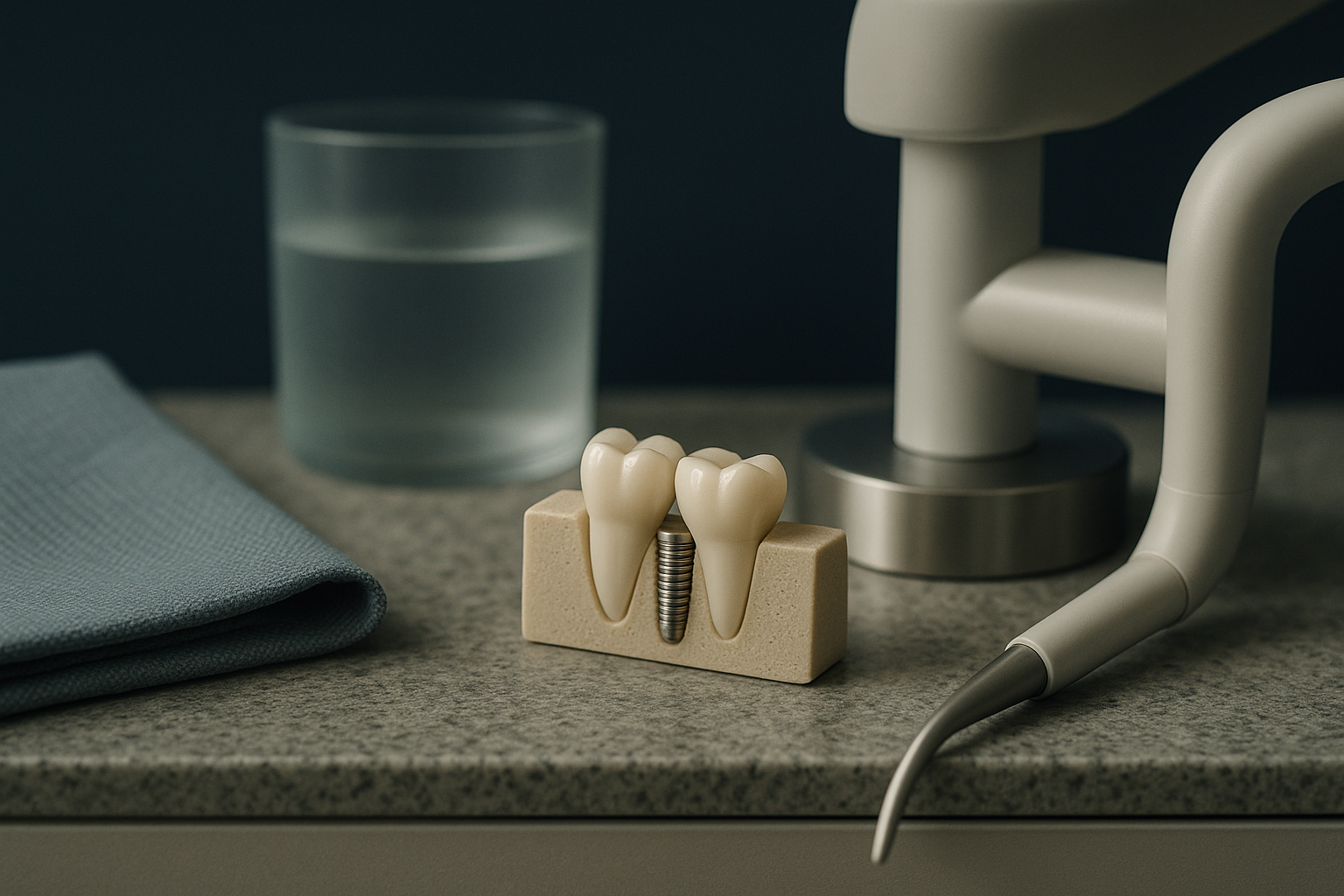
Dental implants in the USA are a popular choice for those seeking high-quality dental care. With advanced technology and skilled professionals, the USA offers excellent treatment options for international patients. However, understanding the costs, travel arrangements, and safety measures involved is crucial before making a decision.
What Are Dental Implants?
Dental implants are artificial tooth roots that provide a permanent base for fixed or removable replacement teeth. Made of titanium, these implants are surgically placed into the jawbone. Titanium is chosen for its biocompatibility, meaning it is well-accepted by the body and reduces the risk of rejection. Over time, through a process called osseointegration, the titanium fuses with the bone. This fusion offers a stable foundation for one or more artificial teeth, ensuring strength and stability comparable to natural teeth.
In the USA, dental implants are highly regarded for their durability and natural appearance. They are often preferred over dentures and bridges due to their long-term benefits and aesthetic appeal. Unlike dentures, which can slip or make noise, dental implants provide a secure fit and feel like real teeth. Patients can expect a thorough consultation and examination to determine their suitability for the procedure. This typically includes dental X-rays and 3D images to assess the health of the jawbone and ensure that it can support the implant.
In addition to physical examinations, patients may discuss their medical history with their dentist. Factors such as smoking, diabetes, and other health conditions can affect the success of the implants. Thus, a comprehensive evaluation is crucial to minimize risks and increase the chances of a successful outcome. Patients should also be made aware of potential complications, such as infection, nerve damage, or sinus issues that may arise if the implants are placed in the upper jaw. By understanding these risks and taking preventive measures, patients can better prepare for the procedure and recovery.
Why Choose the USA for Dental Implants?
The USA is known for its advanced healthcare system, offering cutting-edge technology and highly trained dental professionals. With such a robust system, patients can expect access to the latest techniques and materials in dental implantology. For instance, digital imaging and computer-aided design (CAD) technology allow for precision in planning and executing implant procedures, minimizing human error and enhancing outcomes. This technology also aids in creating personalized treatment plans that cater to the unique anatomy and needs of each patient.
Patients choosing dental implants in the USA benefit from rigorous safety standards and excellent post-operative care. The American Dental Association (ADA) sets stringent guidelines to ensure practices adhere to high safety and quality standards. This includes sterilization procedures, infection control protocols, and continuing education for dental professionals to keep up with advancements in the field. Such stringent measures ensure that patients receive top-tier care in a safe and controlled environment.
Additionally, the opportunity to combine treatment with travel can be appealing. Many international patients take advantage of the USA’s renowned tourist attractions while receiving top-tier dental care. Cities like New York, Los Angeles, and Miami offer a plethora of cultural experiences, making the trip both a medical and leisure venture. However, it’s essential to consider the costs involved, as dental implants in the USA can be significantly more expensive than in other countries. Patients should weigh these costs against the benefits of receiving care in one of the world’s most advanced healthcare systems, considering factors such as the potential for higher success rates and superior post-operative care.
Understanding Dental Implant Costs
The cost of dental implants varies widely across the USA, with prices influenced by factors such as location, the dentist’s expertise, and the complexity of the procedure. Urban areas like San Francisco and New York City typically have higher prices due to increased overhead costs for dental practices. Conversely, regions with lower living costs may offer more competitive pricing, though this is not always the case. Patients should research and compare prices from different clinics, considering travel costs if opting for treatment in a different state.
On average, a single dental implant in the USA may cost between $3,000 and $5,000. This price generally includes the implant itself, the abutment (which connects the implant to the prosthetic tooth), and the crown. However, additional procedures, such as bone grafting or sinus lifts, which are sometimes necessary to prepare the jawbone, can add to the overall cost. Patients should ensure they understand what is included in the quoted price to avoid unexpected expenses. It’s advisable to request itemized quotes from dentists to clarify what is covered.
It’s important to note that these prices typically include the implant, abutment, and crown. Some clinics may offer financing options or payment plans to help manage the cost. These options can make dental implants more accessible, allowing patients to spread the cost over several months or years. Patients should request detailed quotes to understand all potential expenses, including consultation fees, follow-up visits, and any additional services that may be required. Comparing these costs with the potential long-term benefits and longevity of implants can help patients make an informed financial decision.
Comparing Costs: USA vs. Turkey
Many patients consider travelling abroad for more affordable dental treatment. Countries like Turkey have become popular destinations due to their lower costs for dental procedures, including implants. For example, dental implants in Turkey can cost significantly less, with prices ranging from $1,000 to $2,000 per implant. This cost advantage often includes the implant, abutment, and crown, similar to what is offered in the USA.
| Country | Average Cost per Implant |
|---|---|
| USA | $3,000 – $5,000 |
| Turkey | $1,000 – $2,000 |
While cost savings are appealing, patients must weigh other factors such as travel expenses, treatment duration, and the potential need for follow-up visits. Travel costs can vary widely depending on the patient’s home country, and patients should consider the total expense, including airfare, accommodations, and meals. Additionally, the time required for the procedure and recovery should be factored into the overall investment. For some, the lower cost might not outweigh the convenience and peace of mind offered by receiving treatment closer to home.
Moreover, patients should consider the quality of care and the credentials of the dental professionals abroad. While many clinics in Turkey provide excellent service and results, verifying the clinic’s accreditation and the dentist’s qualifications is crucial. Patients should also consider potential language barriers, which can affect communication during consultations and treatment. Ultimately, the decision to seek treatment abroad should be based on a comprehensive evaluation of costs, quality, and personal preferences. Engaging with international patient coordinators or agencies that specialize in medical tourism can provide valuable assistance in navigating these challenges.
Is It Worth Going Abroad for Dental Treatment?
Deciding whether to travel abroad for dental treatment involves various considerations. Cost savings are a significant factor, but patients must also assess the quality of care, potential language barriers, and the logistics of follow-up care. While dental implants in the USA are more expensive, the country’s healthcare system offers unparalleled quality and standards of care, which can provide peace of mind. Patients should consider their comfort with traveling long distances for medical procedures and the potential stress associated with such trips.
The USA’s strict regulatory environment ensures that dental practices maintain high standards for hygiene, safety, and professionalism. This environment may not be as stringent in other countries, which can pose risks if due diligence is not performed. Researching overseas clinics and seeking recommendations from previous patients can help identify reputable providers. Online reviews and testimonials can offer insights into the experiences of others and help set realistic expectations. By carefully evaluating these factors, patients can determine the best path forward for their dental care needs.
However, researching overseas clinics and seeking recommendations can also yield satisfactory results for those on a tighter budget. It is essential to verify the clinic’s accreditation and the credentials of the dental professionals performing the procedure. Patients should also consider the availability of aftercare services, as follow-up visits may be necessary to monitor healing and ensure the success of the implants. Weighing these factors carefully will help patients make an informed decision that aligns with their needs and financial situation. Consulting with a dental tourism expert can also provide additional guidance and peace of mind.
How to Arrange Travel for Dental Treatment Abroad
Arranging travel for dental treatment abroad involves organizing multiple components. Patients should start by selecting a reputable clinic and scheduling a consultation to discuss their treatment plan. This initial step is crucial, as it sets the foundation for the entire treatment process. Patients can use online resources to research clinics and read reviews, helping them choose a facility that meets their expectations for quality and service.
- Research and select a clinic.
- Schedule a consultation and discuss the treatment plan.
- Organize travel and accommodation arrangements.
- Ensure all necessary medical records and documentation are prepared.
Beyond selecting a clinic, organizing travel and accommodation is a significant aspect of the process. Patients should consider booking flights and lodging well in advance to secure the best rates. Accommodations should be conveniently located near the dental clinic to minimize travel time and stress. Some clinics offer package deals that include treatment, lodging, and transportation, which can simplify the logistics. Patients should inquire if the clinic provides shuttle services from the airport to their accommodation and the clinic.
It is also advisable to have a contingency plan for any delays or complications that may arise during the trip. This plan might include purchasing travel insurance that covers medical emergencies or unexpected cancellations. Additionally, patients should prepare all necessary medical records and documentation, such as X-rays and dental history, to ensure that the overseas clinic can provide informed care. Being thorough in planning will contribute to a smoother experience and successful treatment outcome. Patients should also familiarize themselves with the healthcare system and emergency contact numbers in the destination country.
Safety and Accreditation in Dental Treatment
Safety is paramount when considering dental treatment in any country. In the USA, dental professionals adhere to stringent safety standards and protocols. The American Dental Association (ADA) and other regulatory bodies establish guidelines to ensure that dental practices maintain high levels of hygiene, patient care, and technical competence. This ensures that patients receive consistent and reliable care across different clinics.
Patients should verify the clinic’s accreditation and the dentist’s credentials. Accredited clinics typically follow international guidelines and maintain high standards of hygiene and patient care. These clinics undergo regular inspections and evaluations to ensure compliance with industry standards, providing an additional layer of assurance for patients. Ensuring that a clinic is accredited by organizations like the Joint Commission International (JCI) can be a key factor in selecting a clinic abroad.
Patients should inquire about the clinic’s accreditation and the experience of the dental professionals performing the procedure. Clinics may be accredited by organizations such as the Joint Commission International (JCI) or the International Organization for Standardization (ISO), which set benchmarks for quality and safety. Checking for these accreditations can help patients feel confident in their choice of provider. Additionally, understanding the dentist’s qualifications, experience, and areas of specialization can further ensure a positive treatment experience. Reading reviews and testimonials from previous patients can also help gauge the quality of care offered by the clinic.
Conclusion
Choosing dental implants in the USA offers numerous benefits, including access to advanced technology and skilled professionals. While the costs may be higher than in other countries, the quality of care and peace of mind can be worth the investment. The USA’s healthcare system is renowned for its high standards, making it a preferred destination for many seeking complex and precise dental work. Patients should carefully consider their priorities, such as quality, budget, and convenience, when making their decision.
Ultimately, patients should weigh their options carefully, considering both budgetary constraints and personal preferences. The decision will depend on individual priorities, such as cost, quality, convenience, and the level of care desired. By conducting thorough research and planning, patients can make an informed choice that aligns with their needs and financial situation. Consulting with healthcare professionals and dental tourism experts can also provide valuable guidance in the decision-making process.
With thorough research and planning, dental implants can provide a lasting solution for a healthier, more confident smile. Patients should remain diligent in selecting their provider, considering all aspects of the treatment journey from initial consultation to post-operative care. By doing so, they can achieve successful outcomes and enjoy the benefits of dental implants for many years to come. Maintaining regular follow-up appointments and adhering to post-operative care instructions are crucial to ensuring the longevity and success of dental implants.
Proven result
80 to 240 dental patients a month from France
High-volume dental clinic, Istanbul
Frequently asked questions
Is it worth going abroad for dental treatment?
Going abroad for dental treatment can offer significant cost savings, but it’s crucial to research the quality of care and consider travel logistics.
How to arrange travel for dental treatment abroad?
To arrange travel for dental treatment abroad, research clinics, schedule consultations, and organize travel and accommodation. Prepare necessary medical documentation.
Why is dental treatment cheaper abroad?
Dental treatment is often cheaper abroad due to lower operational costs and competitive pricing. However, patients should ensure the quality of care meets their standards.
What are the benefits of dental implants?
Dental implants offer a durable and natural-looking solution for missing teeth, providing a stable foundation and improving oral health.
Related guides

Turkey Hospitals vs Local Hospitals Compared
A lower procedure quote can get a patient’s attention. It should not make the decision on its own.…

Patient Experience That Drives Trust and Growth
A patient who has already uploaded medical records, compared providers, and arranged time away from work is not…

What Is a Medical Travel Facilitator and Why Use One?
A lower treatment quote can look compelling until you try to compare what it actually includes: surgeon fees,…