
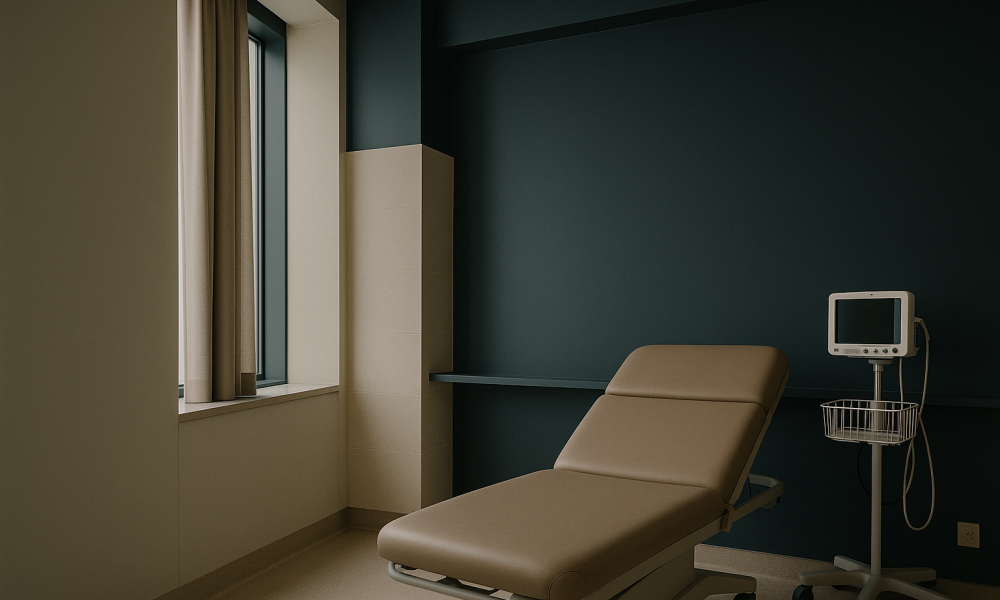
What Breast Reduction is and who it is for
Breast reduction surgery, also known as reduction mammaplasty, is a procedure designed to remove excess breast tissue and skin to achieve a breast size in proportion with the body. This surgery not only alleviates physical discomfort but also enhances a person’s overall quality of life. Many individuals seek breast reduction to relieve symptoms such as back, neck, and shoulder pain, skin irritation beneath the breast crease, and difficulties in finding suitable clothing.
The procedure typically takes between 2 to 4 hours and is performed under general anaesthesia. During the surgery, the surgeon makes incisions on the breasts, removes excess tissue, fat, and skin, and repositions the nipples. The specific technique used can vary depending on the individual’s anatomy and the desired outcome, often discussed in detail during pre-operative consultations.
Breast reduction is not solely for women. Men with a condition known as gynecomastia, where breast tissue is enlarged, can also benefit from this procedure. The surgery is tailored to each individual’s needs, ensuring a balanced and aesthetically pleasing result.
In Turkey, breast reduction is a popular choice for international patients due to the country’s combination of highly skilled surgeons, state-of-the-art medical facilities, and competitive pricing. While the indicative cost ranges from £2,500 to £4,000, this is significantly lower than the prices in many Western countries, making Turkey an attractive destination for medical tourism.
It is essential for prospective patients to understand that while breast reduction can greatly improve physical symptoms and boost self-confidence, it is a major surgical procedure with its own set of risks and potential complications. These can include scarring, changes in nipple sensation, and difficulties with breastfeeding. Therefore, a thorough consultation with a qualified healthcare provider is crucial to ensure the surgery aligns with the patient’s health needs and lifestyle goals.
Are you a good candidate?
Determining whether you are a good candidate for breast reduction surgery involves multiple factors, both physical and psychological. Ideal candidates are those who experience significant discomfort due to the size of their breasts, which can manifest as chronic pain, skin issues, or emotional distress. Moreover, candidates should have realistic expectations about the outcomes of surgery, understanding that while significant improvement is likely, perfection is not guaranteed.
- Physical Health: Candidates should be in good overall health without conditions that could impair healing.
- Non-smoker: Smoking can complicate both the surgery and recovery process, so non-smokers or those willing to abstain before and after the procedure are preferable.
- Stable Weight: Fluctuations in weight can affect breast size, so a stable weight is crucial for accurate surgical planning.
- Age Considerations: While there is no strict age limit, candidates should have fully developed breasts and, ideally, have completed their family planning as future pregnancies can alter results.
- Emotional Maturity: Candidates should be emotionally prepared for the changes in their body image, understanding that the results will affect how they perceive themselves and how others perceive them.
Before proceeding, a detailed consultation with a surgeon is essential. This will typically involve a physical examination and discussion of medical history, current medications, and any previous surgeries. The surgeon will also evaluate the breast size, shape, and skin quality to determine the most suitable surgical approach.
It’s worth noting that many Canadian patients choose Turkey for breast reduction due to the comprehensive care offered, which often includes pre and post-operative support, helping ensure a smooth recovery process. However, ensuring that your chosen clinic adheres to international standards of care is crucial for safety and satisfactory outcomes.
The procedure, step by step
Breast reduction surgery, also known as reduction mammaplasty, is a procedure designed to remove excess breast fat, glandular tissue, and skin to achieve a breast size in proportion with your body. This can also alleviate discomfort associated with overly large breasts. Here is a step-by-step overview of the procedure:
- Consultation and Planning: The process begins with a detailed consultation where your surgeon will discuss your medical history, expectations, and the potential risks involved. Measurements and photographs of your breasts will be taken for planning purposes. The surgeon will explain the surgical technique most suitable for your body type and desired outcome.
- Anaesthesia: On the day of the surgery, you will be administered either general anaesthesia or intravenous sedation, depending on the surgeon’s recommendation and your preference. This ensures you are comfortable and pain-free throughout the procedure.
- Incision: The surgical technique used will determine the incision pattern. Common methods include the “anchor” or “inverted T” incision, the “lollipop” or vertical incision, and the “doughnut” or periareolar incision. The choice of incision is influenced by the size of the breasts, the degree of reduction required, and the patient’s personal goals.
- Tissue Removal and Reshaping: The surgeon removes excess breast tissue, fat, and skin through the incisions. Liposuction may also be used to remove excess fat. The nipple and areola may be repositioned to a higher, more youthful location. In some cases, the size of the areola is reduced to maintain proportion with the newly shaped breast.
- Closing the Incisions: After the desired shape and size are achieved, the incisions are closed with sutures. Layers of sutures are placed deep within the breast tissue to support the newly shaped breasts. Skin adhesives or surgical tape may be used to close the skin.
- Immediate Post-Operative Care: Once the surgery is completed, dressings or bandages will be applied to the incisions. You may be required to wear a surgical bra to minimise swelling and support the breasts as they heal. In some cases, small tubes may be placed under the skin to drain excess blood or fluid.
Recovery timeline
Recovering from breast reduction surgery is a gradual process that varies from patient to patient. Below is a typical recovery timeline, detailing what you can expect and how to care for yourself during each phase:
| Period | What to expect | Care notes |
|---|---|---|
| Day 1 | After surgery, you will wake up in a recovery room. You may feel groggy from the anaesthesia and experience some discomfort and swelling. | Rest is crucial. Follow your surgeon’s instructions regarding medication and care for the surgical site. Arrange for someone to drive you home and assist you for the first 24 hours. |
| Week 1 | Bruising and swelling are common. You may experience mild to moderate pain, which can be managed with prescribed medications. | Continue wearing the surgical bra. Avoid strenuous activities, and sleep on your back to prevent pressure on your breasts. |
| Week 2 | Swelling begins to reduce. Sutures may be removed if they are not dissolvable. Pain should significantly decrease. | Attend follow-up appointments. Begin gentle movements as advised by your surgeon to promote circulation. |
| Weeks 3-4 | Most swelling and bruising should subside. You may feel more comfortable resuming light activities. | Gradually increase activity levels but avoid high-impact sports or heavy lifting. Continue to wear supportive bras. |
| Months 2-3 | Breasts will continue to settle into their new shape. Scars will start to fade but may remain slightly visible. | Follow your surgeon’s advice on scar care. You may resume more intense physical activities as approved. |
| Full Recovery | Typically, full recovery is achieved by 6-12 months post-surgery. Final results are visible, and scars continue to fade. | Maintain regular check-ups. Protect scars from sun exposure to aid in fading. Enjoy the benefits of your breast reduction. |
What it costs: Turkey vs Canada
When considering breast reduction surgery, cost is a significant factor for many patients. The price of the procedure varies widely depending on the country, the specific clinic, and the details of the treatment package. In Turkey, breast reduction surgery is often more affordable than in Canada, making it an attractive option for many international patients.
Below is an indicative comparison of the typical price ranges for breast reduction surgery in Turkey and Canada. Please note that these figures are indicative and can vary based on the specific circumstances of each case.
| Country | Indicative Price Range (CAD) | Typical Inclusions |
|---|---|---|
| Turkey | 5,000 – 8,000 |
|
| Canada | 10,000 – 15,000 |
|
In Turkey, the lower cost does not necessarily imply a compromise on quality. Many clinics offer comprehensive packages that include not only the surgical procedure itself but also additional services such as accommodation, airport transfers, and post-operative care. This can be particularly advantageous for international patients who may require assistance with travel logistics and recovery in a foreign country.
In contrast, the cost of breast reduction surgery in Canada is generally higher, and additional expenses for travel, accommodation, and post-operative care can add significantly to the overall cost. Furthermore, the waiting times for elective surgeries can be longer in Canada, which is another consideration for patients seeking timely treatment.
Ultimately, when evaluating the costs of breast reduction surgery, it is crucial to consider not only the financial aspect but also the quality of care, the experience of the medical team, and the overall support provided during the treatment journey.
Risks and how accredited providers manage them
As with any surgical procedure, breast reduction surgery carries certain risks. It is important for prospective patients to be fully informed about these risks and understand how they are managed by accredited healthcare providers in Turkey.
Common risks associated with breast reduction surgery include:
- Infection: As with all surgeries, there is a risk of infection at the incision sites. Accredited clinics in Turkey employ strict sterilisation protocols and provide patients with antibiotics to mitigate this risk.
- Scarring: Scarring is an inevitable part of surgery, although experienced surgeons use techniques to minimise visible scars. Patients are also advised on post-operative care to promote optimal healing.
- Changes in sensation: Some patients may experience temporary or permanent changes in nipple or breast sensation. Surgeons inform patients of this possibility during consultations.
- Bleeding or haematoma: Post-operative bleeding can occur, leading to swelling or haematoma. Surgeons are trained to address this risk promptly should it arise.
- Asymmetry: While surgeons strive for symmetry, perfect symmetry cannot be guaranteed. Pre-operative planning and advanced techniques help reduce the likelihood of significant asymmetry.
- Delayed wound healing: Certain factors, such as smoking or diabetes, can affect healing. Accredited providers offer tailored advice to optimise recovery.
Accredited providers in Turkey take a proactive approach to managing these risks. They conduct thorough pre-operative assessments to identify any potential issues that could increase surgical risks. This includes reviewing the patient’s medical history, conducting necessary tests, and discussing lifestyle factors that could impact recovery.
Moreover, these clinics are equipped with state-of-the-art facilities and staffed by highly qualified medical professionals. They adhere to international standards of care and are often accredited by reputable organisations such as the Joint Commission International (JCI). This accreditation ensures that the clinics maintain high levels of safety and quality in their practices.
Post-operative care is another critical component of risk management. Accredited clinics provide detailed aftercare instructions and schedule follow-up appointments to monitor the patient’s recovery. This comprehensive approach helps to identify and address any complications early, ensuring a smoother recovery process.
Patients are encouraged to have open discussions with their healthcare providers about any concerns they may have regarding the surgery. This transparency allows patients to make informed decisions and feel confident in their choice of provider.
How to choose the right provider
Choosing the right provider for breast reduction surgery in Turkey is a critical step that requires careful consideration of several factors. First and foremost, accreditation is essential. Look for clinics that are accredited by international bodies such as the Joint Commission International (JCI) or the International Organization for Standardization (ISO). These accreditations ensure that the clinic adheres to international standards of safety and quality.
Next, evaluate the experience and qualifications of the surgeon. Surgeons should be board-certified and have specific expertise in breast reduction procedures. It’s advisable to check if the surgeon is a member of reputable professional organisations such as the Turkish Society of Plastic Reconstructive and Aesthetic Surgery. Reviewing before-and-after photos of previous patients can also provide insight into the surgeon’s skill level and aesthetic style.
Aftercare is another crucial aspect to consider. A comprehensive aftercare plan should be offered, including follow-up appointments and support for any complications that may arise. Ensure that there is a clear communication channel with the medical team, and that they provide detailed instructions for post-operative care.
Be vigilant for red flags during your selection process. Avoid clinics that offer unrealistically low prices or make guarantees about outcomes. Transparency about the procedure, risks, and costs is a hallmark of a reputable provider. Additionally, be wary of clinics that pressure you into making quick decisions or offer limited-time discounts.
Lastly, consider patient reviews and testimonials. While individual experiences can vary, consistent patterns in feedback can be indicative of the clinic’s overall reputation. Look for reviews on independent platforms and ask for references from the clinic if necessary.
Planning your trip
Planning your trip for breast reduction surgery in Turkey involves several key steps to ensure a smooth experience. Begin by consulting with your chosen clinic to establish a timeline. Typically, it’s advisable to start planning at least 2-3 months in advance of your desired surgery date. This allows ample time for consultations, travel arrangements, and personal preparations.
Regarding documentation, ensure your passport is valid for at least six months beyond your intended stay. Canadian citizens may need a visa to enter Turkey, which can often be obtained online. Additionally, gather all medical documents, including consultation notes and any relevant health records, to share with your healthcare provider in Turkey.
The length of stay in Turkey will depend on the specifics of your procedure and recovery. Generally, patients should plan to stay in Turkey for at least 10-14 days. This period allows for pre-operative consultations, the surgery itself, and initial recovery, including follow-up appointments to monitor your progress.
Consider the logistics of your accommodation and transportation. Many clinics offer packages that include airport transfers and hotel stays, which can simplify your arrangements. If you opt for independent accommodation, choose a location near the clinic to ease travel during recovery.
Finally, plan for follow-up care once you return to Canada. Discuss with your Turkish surgeon the details of post-operative care and ensure you have a local healthcare provider available for any necessary follow-up appointments. This continuity of care is vital for monitoring your recovery and addressing any concerns that may arise.
Frequently Asked Questions
What is the typical cost range for breast reduction in Turkey?
The cost of breast reduction surgery in Turkey typically ranges from £2,500 to £4,500. This price often includes the surgeon's fees, anaesthesia, facility costs, and initial post-operative care. It's important to confirm what is included in the quoted price to avoid unexpected expenses.
How can I verify the accreditation of a clinic in Turkey?
To verify a clinic's accreditation in Turkey, you can check for certifications from international bodies like the Joint Commission International (JCI) or the International Organization for Standardization (ISO). These accreditations are often displayed on the clinic's website, or you can contact the accrediting body directly for confirmation.
What should I expect during the initial consultation?
During the initial consultation, the surgeon will evaluate your medical history, discuss your goals for the surgery, and explain the procedure, including potential risks. You will also have the opportunity to ask questions and view before-and-after photos of previous patients. This is the time to assess the surgeon's communication style and ensure you're comfortable with their approach.
Are there risks associated with breast reduction surgery?
As with any surgery, breast reduction carries risks such as infection, bleeding, scarring, and anaesthesia complications. There is also a risk of changes in breast or nipple sensation and asymmetry. Discuss these risks thoroughly with your surgeon, who can explain how they are mitigated and managed.
How long is the recovery period after breast reduction?
The initial recovery period typically lasts 1-2 weeks, during which you may experience swelling and discomfort. Most patients can return to work within 2-3 weeks, but full recovery, including resuming all normal activities and exercise, may take 4-6 weeks. Follow your surgeon's post-operative care instructions to ensure a smooth recovery.
Will my insurance cover breast reduction surgery abroad?
Coverage for breast reduction surgery abroad varies by insurance provider. Some may cover the procedure if it's deemed medically necessary, while others may not cover international procedures at all. It's crucial to check with your insurance provider about their policy on elective surgeries abroad before making any arrangements.
How do I ensure a smooth recovery after returning home?
Ensure a smooth recovery by arranging follow-up care with a local healthcare provider before leaving for Turkey. Follow the post-operative care instructions provided by your Turkish surgeon, and keep them informed of your progress. Rest, maintain a healthy diet, and avoid strenuous activities until you are fully healed.
What should I pack for my trip to Turkey for surgery?
Pack comfortable clothing that is easy to put on and remove, as well as any prescribed medications and a list of medical contacts. Bring essential documents such as your passport, visa, travel insurance, and medical records. Consider packing items that will help you relax and stay entertained during your recovery.
Is it safe to travel alone for surgery in Turkey?
While many patients travel alone for surgery, it's generally advisable to have a companion for support. Having someone to assist with travel logistics, hospital visits, and initial recovery can be invaluable. If travelling alone, ensure your clinic provides sufficient support services and that you have clear communication channels with your healthcare team.
How can I manage language barriers while receiving treatment in Turkey?
Many clinics catering to international patients have English-speaking staff or provide translation services. It's wise to confirm this in advance. Additionally, learning a few basic Turkish phrases or using a translation app can help ease communication during your stay.
Can I combine my surgery with a holiday in Turkey?
While it's possible to combine surgery with a holiday, it is generally recommended to focus on rest and recovery following your procedure. If you wish to explore Turkey, consider scheduling your holiday before the surgery or plan for a more leisurely pace during your recovery.
What are the signs of complications I should watch for post-surgery?
After surgery, watch for signs of complications such as excessive swelling, redness, or discharge from the incision sites, fever, or severe pain. If you experience any of these symptoms, contact your surgeon immediately. Early intervention can prevent more serious issues and ensure a safe recovery.