
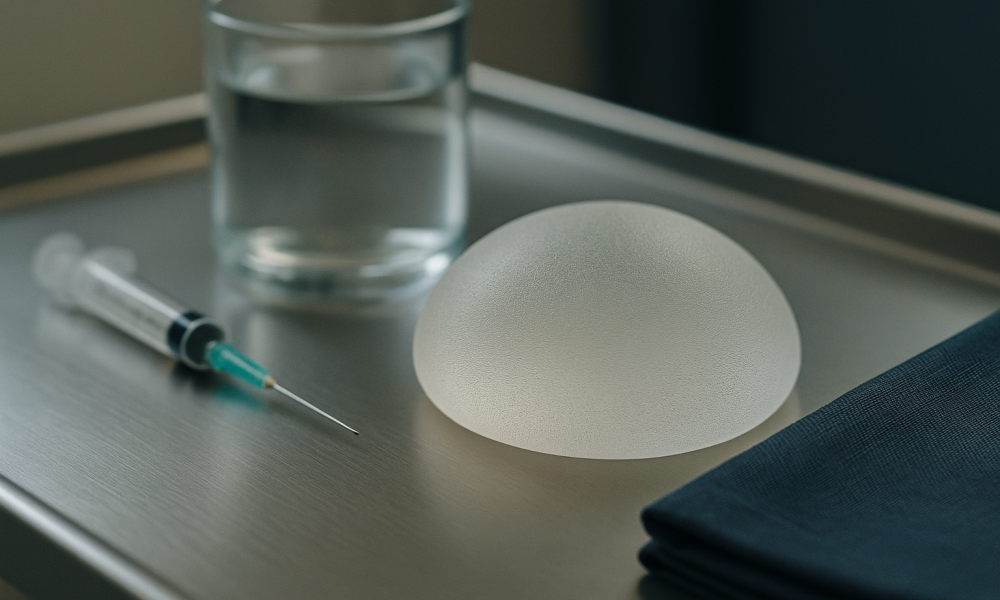
What Breast Implant Removal is and who it is for
Breast implant removal, also known as explant surgery, involves the surgical removal of breast implants. This procedure may be pursued for a variety of reasons, including personal preference, health concerns, or to address complications such as capsular contracture, rupture, or implant displacement. The goal of the surgery is to remove the implants and any associated scar tissue, restoring the breast to a more natural contour. While some individuals may choose to replace their implants with new ones, others may opt for a breast lift to enhance the shape of their breasts post-removal.
In Turkey, breast implant removal is a procedure that aligns with the country’s reputation for high-quality medical care at competitive prices. Turkish medical facilities are known for their modern infrastructure and skilled surgeons, many of whom have trained internationally. This makes Turkey an attractive destination for Canadians seeking affordable yet professional medical treatment abroad.
The procedure itself typically lasts between one to three hours, depending on the complexity of the case and whether additional procedures, like a breast lift, are performed simultaneously. General anaesthesia is commonly used, ensuring that the patient remains comfortable and pain-free throughout the surgery. Post-surgery, patients are usually required to stay in the hospital for one to two days for observation and initial recovery.
Breast implant removal is suitable for individuals experiencing complications from their implants, those with health concerns such as breast implant illness, or those simply wishing to return to their natural breast size. It is also an option for individuals who have had implants for a significant period and feel they no longer align with their lifestyle or aesthetic preferences. As with any surgical procedure, careful consideration and consultation with a qualified healthcare provider are crucial to ensure the best possible outcome.
Are you a good candidate?
Determining whether you are a good candidate for breast implant removal involves several considerations. This decision should be made in consultation with a qualified plastic surgeon who can assess your individual circumstances and medical history. Here are some common criteria that may indicate you are a suitable candidate for this procedure:
- Health Concerns: You are experiencing symptoms or complications related to your breast implants, such as pain, discomfort, or signs of rupture.
- Personal Preference: You have decided that you no longer wish to have breast implants, whether for aesthetic reasons or lifestyle changes.
- Physical Changes: You have noticed changes in your breast appearance over time, such as sagging or asymmetry, and wish to address these issues.
- Medical Advice: A healthcare provider has recommended removal due to potential health risks or complications associated with your implants.
- Realistic Expectations: You understand the potential outcomes of the surgery, including the possibility of additional procedures like a breast lift to achieve your desired look.
- Good Overall Health: You are in good general health, without conditions that could complicate surgery or recovery.
- Non-smoker: Ideally, you are a non-smoker, as smoking can interfere with healing and increase the risk of complications.
It’s important to have a thorough discussion with your surgeon about your motivations and expectations. They will conduct a physical examination and review your medical history to ensure that you are an appropriate candidate for the procedure. Additionally, they will discuss the potential risks and benefits, helping you make an informed decision about whether breast implant removal is right for you.
The procedure, step by step
Breast implant removal, also known as explant surgery, is a procedure that involves the extraction of breast implants from the body. It is often performed for various reasons, including complications, personal preference, or medical advice. Understanding the detailed steps involved in this surgery can help prospective patients feel more prepared and confident about the process.
- Pre-operative consultation and planning: Prior to the procedure, patients will attend a consultation with a qualified plastic surgeon. During this meeting, the surgeon will discuss the reasons for removal, assess the patient’s health, and evaluate the condition of the implants and surrounding tissue. Imaging tests, such as mammograms or ultrasounds, may be ordered to provide a clear view of the implants and any potential issues.
- Anaesthesia administration: On the day of the surgery, patients will be administered anaesthesia. This is typically general anaesthesia, ensuring that the patient remains unconscious and free from pain throughout the procedure. The anaesthesiologist will monitor the patient’s vital signs closely to ensure safety.
- Incision and implant removal: The surgeon will make incisions, which are often placed along the original incision lines to minimise additional scarring. The type of incision used can be influenced by the type of implant, its position, and whether a capsulectomy (removal of the implant capsule) is required. The implant is then carefully removed. If a capsulectomy is necessary, the surgeon will excise the fibrous tissue capsule that has formed around the implant.
- Additional procedures: Depending on the patient’s preference and the condition of the breast tissue, additional procedures such as a breast lift (mastopexy) may be performed concurrently to reshape or lift the breast. This is particularly relevant if there is significant sagging or if the patient desires a different breast contour.
- Incision closure and dressing: Once the implants and any necessary tissue are removed, the surgeon will close the incisions with sutures. These may be absorbable or require removal at a follow-up appointment. Dressings or bandages are applied over the incisions to protect the area and support healing.
- Post-operative recovery room: After the surgery is completed, the patient is moved to a recovery room where they are monitored as the effects of anaesthesia wear off. Vital signs are checked regularly, and pain management is initiated. Once stable, patients are usually discharged the same day, although some may require an overnight stay, particularly if additional procedures were performed.
Recovery timeline
Recovering from breast implant removal surgery involves several stages, each marked by specific milestones and care requirements. Understanding this timeline can help patients prepare for what to expect and ensure they follow the appropriate care instructions to facilitate a smooth recovery.
| Period | What to expect | Care notes |
|---|---|---|
| Day 1 | Immediately after surgery, patients may experience grogginess from anaesthesia and mild discomfort. Swelling and bruising around the breast area are common. | Rest is crucial. Keep the head elevated to reduce swelling. Pain relief medication will be prescribed to manage discomfort. Avoid any strenuous activity. |
| Week 1 | Swelling and bruising typically peak during the first week. Some patients may notice changes in breast shape as tissues begin to settle. | Continue taking prescribed medications. Attend follow-up appointments. Wear a supportive bra as recommended by your surgeon. Engage in light activities, avoiding any heavy lifting or intense exercise. |
| Weeks 2-4 | Swelling begins to decrease. Sutures, if non-absorbable, may be removed during this period. Patients often return to work and normal activities, barring any physical exertion. | Gradually increase activity levels as tolerated. Continue wearing a supportive bra. Follow specific instructions from your surgeon regarding scar care to promote optimal healing. |
| Months 2-3 | By this stage, most swelling has subsided, and the breasts have settled into their new shape. Scars will start to fade. | Regularly massage the scar area if advised by your surgeon. Resume more vigorous activities gradually, ensuring comfort and no undue strain on the healing tissues. |
| Full recovery | Complete healing can take several months, with final results typically visible around 6 months post-surgery. Scars continue to mature and fade over time. | Maintain regular check-ups with your surgeon. Protect scars from sun exposure. Continue a healthy lifestyle to support overall recovery and well-being. |
5. What it costs: Turkey vs Canada
When considering breast implant removal surgery, cost is a significant factor for many patients. Turkey has become a popular destination for this procedure due to its competitive pricing compared to countries like Canada. It’s important to understand that cost can vary based on several factors, including the complexity of the surgery, the surgeon’s experience, and the specific facilities used. Below is a comparative table reflecting indicative price ranges for breast implant removal in Turkey and Canada. These figures are meant to offer a general idea and should not be considered as fixed prices.
| Country | Indicative Price Range (GBP) | Typical Inclusions |
|---|---|---|
| Turkey | £2,000 – £4,000 |
|
| Canada | £5,000 – £8,000 |
|
It is essential to note that the cost in Turkey often includes comprehensive packages that cover more than just the surgery itself. Many clinics offer packages that include accommodation in nearby hotels, airport transfers, and sometimes even meals, which can significantly reduce the overall expenditure for international patients. In contrast, Canadian prices typically cover only the surgery and basic post-operative care, with additional costs for hospital stays, consultations, and follow-up appointments potentially adding to the expense.
Prospective patients should also consider the currency exchange rates, travel expenses, and any potential visa requirements when calculating the overall cost of treatment. While the upfront cost in Turkey may appear lower, it is crucial to account for the entire journey from consultation to recovery.
Ultimately, the choice between undergoing breast implant removal in Turkey or Canada should be based on a combination of factors, including cost, the reputation of the surgeon and clinic, and the level of care provided. Always discuss all potential expenses with your chosen clinic before making any commitments.
6. Risks and how accredited providers manage them
Breast implant removal, like any surgical procedure, carries certain risks. Understanding these risks and how they are managed is crucial for any patient considering surgery abroad. Accredited providers in Turkey adhere to international standards of care and implement various strategies to minimise potential complications.
Common Risks:
- Infection: As with any surgery, there is a risk of infection. Accredited clinics follow strict sterilisation protocols to reduce this risk, and patients are often given antibiotics as a preventive measure.
- Scarring: While some scarring is inevitable, experienced surgeons use advanced techniques to minimise this. They also provide post-operative care instructions and treatments to help reduce scar visibility over time.
- Bleeding: Although rare, there can be issues with bleeding during or after surgery. Surgeons monitor patients closely and are prepared to address any issues swiftly.
- Changes in breast sensation: Some patients may experience temporary or permanent changes in breast sensation. Surgeons discuss this possibility during the consultation phase, ensuring patients have realistic expectations.
- Asymmetry: Slight differences in breast shape or size can occur post-surgery. Surgeons aim for symmetry but acknowledge that the body’s natural healing process can influence final results.
Management of Risks:
Accredited providers take several steps to manage these risks effectively. Firstly, they maintain high standards of hygiene and employ highly trained medical staff to ensure each patient receives optimal care. Clinics are equipped with state-of-the-art technology to monitor patients’ vital signs during and after surgery, ensuring any complications are promptly addressed.
Pre-operative assessments are thorough, with detailed consultations that include discussions on medical history, current health status, and any medications being taken. This helps in tailoring the surgical approach to each individual, reducing the likelihood of complications.
Post-operatively, patients receive detailed care instructions and often have access to 24/7 support lines. Follow-up appointments are standard practice, allowing surgeons to monitor healing and address any concerns. Many clinics also offer remote consultations for international patients to ensure continuity of care once they return home.
Choosing a clinic with international accreditation, such as JCI (Joint Commission International), can provide additional reassurance of quality and safety. These clinics are regularly audited to ensure compliance with global healthcare standards.
While no surgery is without risk, the measures taken by accredited providers in Turkey aim to minimise these risks and ensure a smooth recovery for patients. Open communication with your healthcare provider about any concerns is essential to achieving the best possible outcome.
How to choose the right provider
Choosing the right provider for breast implant removal in Turkey involves several critical factors to ensure your safety and satisfaction. Firstly, consider the accreditation of the facility. Look for clinics accredited by international bodies such as the Joint Commission International (JCI) or the International Society for Quality in Health Care (ISQua). These accreditations ensure that the facility adheres to high standards of care and safety.
Surgeon experience is another crucial factor. Research the surgeon’s qualifications, ensuring they are board-certified in plastic surgery. Experience specifically in breast implant removal is vital. A surgeon who has performed numerous such procedures is likely to have refined their skills and can manage any complications that may arise. It may be helpful to ask for before-and-after photos of previous patients or request references to gauge patient satisfaction.
Aftercare is an essential aspect of the treatment journey. A reputable clinic will provide comprehensive post-operative care, including follow-up appointments and support. Inquire about the clinic’s aftercare policy—does it offer 24/7 support, and what does the follow-up schedule look like? Quality aftercare can significantly influence recovery outcomes.
Be aware of potential red flags. Avoid clinics that make guarantees about outcomes, as each patient’s healing process is unique. Be cautious of clinics offering significantly lower prices than the typical range of £2,500 to £4,500, as this may indicate compromised quality or hidden costs. Ensure the clinic provides clear, written financial agreements and is transparent about all potential costs.
Finally, consider the language barrier. Choose a provider that offers services in English or provides a translator. This ensures clear communication, which is crucial for understanding the procedure, risks, and aftercare instructions.
Planning your trip
Planning your trip to Turkey for breast implant removal involves several logistical considerations. Begin by setting a timeline for your travel. It is advisable to consult with your chosen surgeon at least 4-6 weeks before your planned surgery date. This allows time for a thorough pre-operative assessment and any necessary medical tests.
Ensure you have all the necessary documents. You will need a valid passport, and depending on your length of stay, you may require a visa. Canada passport holders can typically stay in Turkey for up to 90 days without a visa for tourism purposes. Additionally, bring any medical records relevant to your breast implant history, including prior surgery details and any recent health assessments.
Plan for a length of stay that accommodates your recovery. Patients generally stay in Turkey for 7-10 days post-surgery to allow for initial healing and follow-up appointments. This period can vary based on individual recovery rates and the complexity of the procedure.
Consider your follow-up at home. Arrange for a local healthcare provider in Canada to assist with any post-operative needs, such as stitch removal or monitoring healing progress. Ensure you have all post-operative instructions and contact details for your Turkish surgeon should you need advice once you return home.
Finally, think about travel insurance that covers medical procedures abroad. This can provide peace of mind in case of unforeseen complications or travel disruptions. Choose accommodation close to your clinic to minimize travel stress and consider arranging for a companion to support you during your stay.
Frequently Asked Questions
What is the typical cost range for breast implant removal in Turkey?
The cost of breast implant removal in Turkey typically ranges from £2,500 to £4,500. This range is indicative and can vary based on factors such as the clinic's location, the surgeon's experience, and the complexity of the procedure. It is important to get a detailed quote from the clinic, ensuring it includes all potential costs such as anaesthesia, facility fees, and follow-up care.
How do I verify the accreditation of a Turkish clinic?
To verify the accreditation of a Turkish clinic, check for certifications from recognized international accrediting bodies like the Joint Commission International (JCI) or the International Society for Quality in Health Care (ISQua). These certifications ensure that the clinic meets high standards of medical care and patient safety. You can typically find this information on the clinic's website or by contacting them directly for verification.
What should I look for in a surgeon's qualifications?
When evaluating a surgeon's qualifications, ensure they are board-certified in plastic surgery and have extensive experience in breast implant removal. Look for memberships in professional organisations such as the International Society of Aesthetic Plastic Surgery (ISAPS). Ask about their specific experience with this procedure, and request to see before-and-after photos of previous patients to assess their work.
How long should I plan to stay in Turkey for the procedure?
For breast implant removal, plan to stay in Turkey for approximately 7-10 days. This duration allows for the procedure, initial recovery, and follow-up appointments to ensure proper healing. The exact length of stay may vary depending on your individual recovery needs and any additional treatments you may choose to undergo.
What are the key components of post-operative care?
Key components of post-operative care include regular follow-up visits with your surgeon, proper wound care, and adherence to any prescribed medications. It is vital to follow your surgeon's instructions on activity restrictions to promote healing. Ensure you have access to 24/7 medical support in case of emergencies and a clear plan for follow-up care once you return home.
What documents should I bring for the procedure?
You should bring a valid passport, any necessary visa documentation, and your medical records related to your breast implants, including previous surgery details and recent health assessments. These documents will help your surgeon assess your medical history and tailor the procedure to your needs. It is also wise to have copies of any communication with the clinic regarding your treatment plan.
How can I manage communication if I don't speak Turkish?
Many clinics in Turkey offer services in English or provide translation services to facilitate communication. Ensure your chosen provider can communicate effectively in English to avoid misunderstandings. It's a good idea to confirm this during your initial consultations and to request written information about your procedure and aftercare in English.
What should I do if I experience complications after returning home?
If you experience complications after returning home, contact your Turkish surgeon immediately for advice. They can provide guidance on the next steps. Additionally, have a local healthcare provider in Canada ready to assist with any necessary follow-up care, such as wound management or additional treatments. Ensure you have all contact details for your Turkish surgeon for any urgent queries.
Are there any red flags to watch for when choosing a clinic?
Red flags include clinics that make guarantees about surgical outcomes, offer prices significantly lower than the typical range, or lack transparency about costs. Avoid clinics that do not provide clear, written financial agreements or refuse to show credentials and accreditations. A reputable clinic will prioritize patient safety, clear communication, and high standards of care.
Can I combine my procedure with a holiday in Turkey?
While combining your procedure with a holiday in Turkey is possible, prioritize your health and recovery. Ensure you have adequate time to rest and attend follow-up appointments. Avoid strenuous activities or long travels immediately post-surgery. Consult your surgeon about when it is safe to engage in tourism activities to ensure a smooth recovery.
What are the safety considerations for this procedure?
Safety considerations for breast implant removal include choosing an accredited clinic, selecting a qualified and experienced surgeon, and following all pre- and post-operative instructions. Ensure the facility adheres to high hygiene standards and has comprehensive emergency protocols. Discuss any medical conditions or medications with your surgeon to mitigate risks during the procedure.
How can I budget for potential additional costs?
To budget for potential additional costs, ask for a detailed breakdown of the initial quote from your clinic. This should include anaesthesia, surgical fees, and post-operative care. Consider extra expenses such as travel, accommodation, and travel insurance. It's prudent to set aside a contingency fund for unforeseen medical or travel-related costs, ensuring you are financially prepared for any eventualities.