
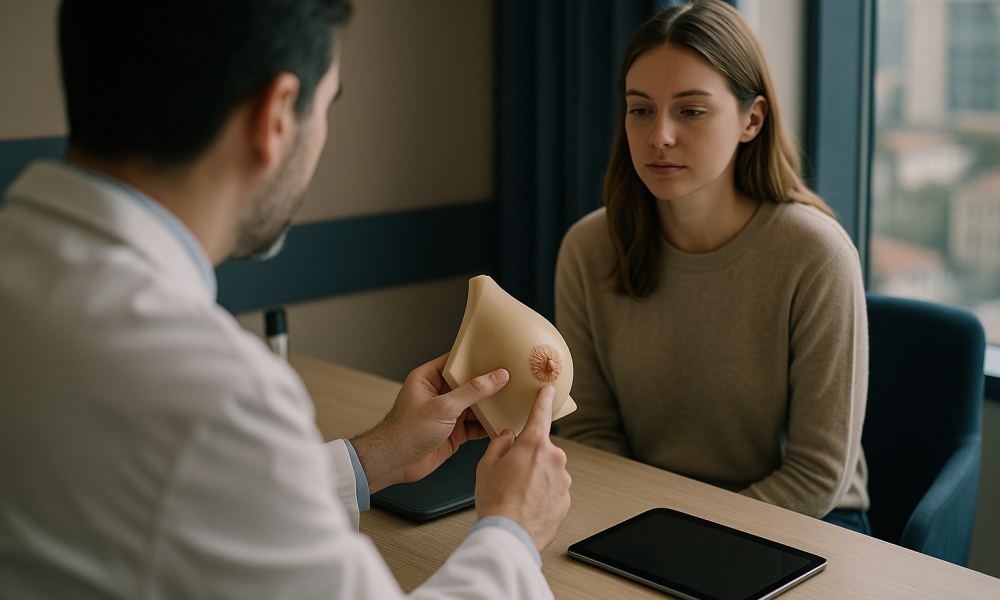
What Inverted Nipple Correction is and who it is for
Inverted nipple correction is a surgical procedure designed to address the condition where one or both nipples are retracted into the breast instead of protruding outward. This condition can occur due to a variety of reasons, including congenital factors, breastfeeding, or trauma. It is a common concern, affecting approximately 10-20% of women, although men can also experience this issue. The procedure is aimed at improving both the aesthetic appearance and functional aspects of the nipples.
The correction procedure typically involves releasing the fibrous bands or ducts that tether the nipple inward. This is achieved through a small incision at the base of the nipple. Depending on the severity of the inversion, different techniques may be employed, such as sutures placed beneath the nipple to maintain its outward position, or grafting tissues to provide structural support.
In Turkey, inverted nipple correction is performed by highly skilled plastic surgeons who are experienced in the latest techniques. The procedure is usually conducted under local anaesthesia, although general anaesthesia can be an option for patients who prefer it or for those undergoing multiple cosmetic procedures simultaneously. The choice of anaesthesia is typically discussed during the initial consultation.
The procedure duration ranges from 30 to 60 minutes, and it is usually conducted on an outpatient basis, meaning no hospital stay is required. Patients can expect to return to normal activities, including work, within 1 to 2 days, although this may vary based on individual recovery rates and the specifics of the surgery performed.
Turkey is renowned for its advanced healthcare infrastructure and cost-effective treatment options. The cost for inverted nipple correction in Turkey is considerably lower than in Australia, with indicative prices ranging from £1,000 to £2,500. This affordability, coupled with the expertise available, makes Turkey a popular destination for international patients seeking cosmetic procedures.
Overall, inverted nipple correction is a safe and effective procedure for those looking to enhance the appearance and function of their nipples. It is important for patients to have realistic expectations and to understand that while the results are generally immediate, full recovery can take 2 to 4 weeks, during which time some swelling and discomfort may be experienced.
Are you a good candidate?
Determining whether you are a suitable candidate for inverted nipple correction involves a thorough evaluation of your specific condition and overall health. The ideal candidates are those who are in good general health and have realistic expectations about the outcomes of the procedure. It is essential to understand that while the surgery can significantly improve the appearance and functionality of inverted nipples, it cannot guarantee perfect symmetry or address unrelated breast issues.
Here are some criteria that can help determine if you are a good candidate for this procedure:
- Health Status: You should be in good overall health, with no serious medical conditions that could impair healing.
- Non-smoker: Smoking can affect the healing process, so non-smokers or those willing to quit prior to surgery are preferred.
- Inversion Severity: The procedure is suitable for those with mild to severe nipple inversion that causes aesthetic or functional concerns.
- Breastfeeding Plans: If you plan to breastfeed in the future, discuss this with your surgeon, as some techniques may impact breastfeeding ability.
- Realistic Expectations: You should have a clear understanding of what the procedure can achieve and be prepared for the recovery process.
- Emotional Readiness: Ensure you are emotionally ready for the changes and recovery period associated with the surgery.
- Consultation: A thorough consultation with a qualified surgeon in Turkey is necessary to discuss your goals and medical history.
During the consultation, the surgeon will assess the degree of inversion and discuss the most suitable surgical approach. They will also explain potential risks and complications, such as infection, scarring, and changes in nipple sensation, although these are rare when performed by experienced professionals.
Ultimately, the decision to undergo inverted nipple correction should be made after careful consideration and consultation with a qualified healthcare provider. It is crucial to weigh the benefits against potential risks and to ensure that you are fully informed about the procedure, recovery process, and expected outcomes.
The procedure, step by step
Inverted nipple correction is a relatively straightforward surgical procedure, often performed under local anaesthesia with the option for sedation. This ensures comfort for the patient while allowing for a quicker recovery. Below is a detailed step-by-step overview of the typical procedure:
- Initial Consultation: Prior to the surgery, you’ll have a consultation with a certified plastic surgeon. During this meeting, your medical history will be reviewed, and a physical examination will be conducted to assess the degree of inversion and discuss your aesthetic goals.
- Pre-operative Preparation: On the day of the surgery, you will be asked to abstain from eating or drinking for a specified period, usually around 6-8 hours if sedation is involved. The surgical site will be cleaned, and local anaesthesia will be administered.
- Incision: The surgeon makes a small incision around the base of the nipple. This incision is carefully planned to minimise visible scarring. The goal is to release the fibrous tissue or ducts that are causing the inversion.
- Correction Technique: Various techniques are employed depending on the severity of the inversion. In mild cases, the surgeon may simply release the tight tissue. For more severe inversions, additional internal sutures may be placed to maintain the nipple’s projection.
- Closing the Incision: Once the nipple is adequately projected, the incision is closed using fine sutures. These sutures are often absorbable, negating the need for removal, although some surgeons may use non-absorbable sutures that require removal after about a week.
- Dressings and Bandaging: A protective dressing is applied over the site to support the nipple and protect it from infection. Instructions will be given on how to care for this dressing in the days following the procedure.
- Post-operative Monitoring: You will be monitored briefly after the procedure to ensure there are no immediate complications. Most patients are able to go home on the same day.
This procedure typically takes about 30 minutes to an hour per nipple, depending on the complexity and whether one or both nipples are being corrected. It is important to follow all pre- and post-operative instructions provided by your healthcare team to ensure optimal results.
Recovery timeline
The recovery period following inverted nipple correction is generally straightforward, but it’s important to follow your surgeon’s instructions closely. Below is a typical recovery timeline to help you understand what to expect at each stage:
| Period | What to expect | Care notes |
|---|---|---|
| Day 1 | Immediately after the procedure, you may experience some discomfort and swelling around the surgical site. This is normal and should be mild. | Apply cold compresses as directed and take prescribed pain medication to manage discomfort. |
| Days 2-3 | Swelling and bruising may peak during this time. You should continue to feel some tenderness. | Continue using cold compresses and avoid any strenuous activity that could disturb the area. |
| Week 1 | Swelling begins to subside. Sutures (if non-absorbable) may be removed during this period. | Attend your follow-up appointment for suture removal and further assessment. Keep the area clean and dry. |
| Weeks 2-3 | Most swelling and bruising should have diminished significantly. The nipples will start to settle into their new position. | Start gentle massaging of the area if advised by your surgeon to help reduce any remaining swelling. |
| Week 4 | By this time, the majority of the healing will be complete. You should notice significant improvement in the nipple’s appearance. | You may return to normal activities, including exercise, unless otherwise specified by your surgeon. |
| Full Recovery (6-8 weeks) | Final results are typically visible by now, with any residual swelling completely resolved. | Continue to monitor the area for any signs of infection or complications and report these to your surgeon immediately. |
Throughout the recovery process, it’s crucial to maintain open communication with your healthcare provider to ensure any concerns are addressed promptly. Adhering to all post-operative care instructions will help ensure a smooth recovery and achieve the best possible outcome.
What it costs: Turkey vs Australia
For many individuals considering inverted nipple correction, cost is a significant factor. The price of this procedure in Turkey can be considerably lower than in Australia, making it an attractive option for those looking to combine quality care with affordability. It’s crucial to understand that all figures provided are indicative and can vary based on several factors, including the surgeon’s experience, the clinic’s location, and the complexity of the procedure.
| Country | Indicative Price Range (GBP) | Typical Package Inclusions |
|---|---|---|
| Turkey | £1,200 – £2,500 |
|
| Australia | £3,000 – £5,500 |
|
In Turkey, the indicative price range for inverted nipple correction is typically between £1,200 and £2,500. This range often includes several package elements designed to enhance the patient’s experience and ensure comprehensive care. Such packages frequently cover consultations, pre-operative tests, post-operative care, and even additional services like airport transfers and interpreter services, which are especially beneficial for international patients.
Conversely, in Australia, the cost for the same procedure generally ranges from £3,000 to £5,500. While the quality of care is undoubtedly high, the higher costs may not include the same breadth of additional services that are often bundled in Turkish medical tourism packages.
These differences in cost and package inclusions highlight the value proposition offered by Turkish medical providers, making it a compelling option for those seeking effective and affordable treatment abroad. As with any medical procedure, patients are encouraged to research thoroughly and consult directly with prospective clinics to obtain the most accurate and personalised quotes.
Risks and how accredited providers manage them
Inverted nipple correction, like any surgical procedure, carries certain risks, which can include infection, bleeding, scarring, changes in nipple sensation, and asymmetry. It’s essential for prospective patients to understand these risks and how they are managed by healthcare providers, particularly when considering surgery abroad.
Accredited providers in Turkey take several measures to mitigate these risks, ensuring patient safety and satisfaction. Firstly, the choice of a qualified and experienced surgeon is paramount. Surgeons in Turkey often undergo extensive training and are required to maintain high standards of practice, with many having international experience and certifications. This expertise is crucial in minimising procedural risks.
Another critical aspect is the surgical environment. Accredited clinics in Turkey adhere to international standards of hygiene and sterility. They implement rigorous protocols to reduce the risk of infection, such as using sterilised instruments and maintaining a clean operating environment. Additionally, pre-operative assessments are conducted to evaluate the patient’s health status and identify any potential risk factors that could complicate surgery.
Providers also place a strong emphasis on post-operative care, which is integral to reducing complications and ensuring a smooth recovery. Patients are typically given detailed aftercare instructions and are monitored through follow-up appointments. This continuous care allows for the early detection and management of any issues that may arise.
Communication is another vital element in risk management. Accredited providers often offer services like interpreter assistance to ensure that international patients fully understand the procedure, the associated risks, and the post-operative care plan. This clarity helps in setting realistic expectations and preparing patients for their recovery journey.
Moreover, many clinics offer travel insurance packages that cover unforeseen complications, providing an additional layer of security for international patients. While such insurance does not eliminate risks, it offers financial protection and peace of mind, should any complications occur.
Ultimately, while no surgical procedure is without risk, the proactive measures taken by accredited providers in Turkey help to ensure that these risks are managed effectively. Patients are advised to engage in open discussions with their chosen medical team, enabling them to make informed decisions based on a comprehensive understanding of the procedure and its potential outcomes.
How to choose the right provider
When considering inverted nipple correction in Turkey, selecting the right medical provider is a crucial step. To ensure a safe and successful procedure, it’s important to evaluate several key factors including accreditation, surgeon experience, aftercare services, and potential red flags.
Accreditation: Look for clinics and hospitals accredited by international bodies such as the Joint Commission International (JCI) or the Global Healthcare Accreditation (GHA). These accreditations indicate that the facility meets high international standards for quality and safety.
Surgeon Experience: Investigate the qualifications and experience of prospective surgeons. Ideally, the surgeon should be board-certified in plastic surgery and have specific experience with nipple correction procedures. Request before-and-after photos of previous patients to gauge their expertise.
Aftercare Services: Comprehensive aftercare is essential for a smooth recovery. Ensure the provider offers post-operative support, including follow-up consultations and emergency contact options. Aftercare should include clear instructions on wound care and signs of complications to watch for.
Red Flags: Be wary of providers who guarantee specific results or offer significantly lower prices than the typical range of USD 1,500 to 3,000. High-pressure sales tactics, lack of transparency about potential risks, and poor communication are also warning signs. Additionally, avoid clinics that do not provide detailed information about the procedure or fail to answer your questions satisfactorily.
Thorough research and careful consideration of these factors can help you choose a trustworthy provider for your inverted nipple correction in Turkey.
Planning your trip
Proper planning is essential when travelling from Australia to Turkey for inverted nipple correction. Here’s what you need to consider:
Timeline Before Travel: Begin preparations at least three months prior to your planned procedure. This allows ample time for consultations, securing necessary documents, and arranging travel logistics.
Documents: Ensure your passport is valid for at least six months beyond your intended stay. Check visa requirements for Australian citizens travelling to Turkey. You may need a tourist visa, which can often be obtained online through the Turkish e-Visa system.
Length of Stay: Plan for a stay of approximately one to two weeks. This duration allows for pre-operative consultations, the procedure itself, and initial recovery. The length of stay may vary depending on your individual recovery process and any unforeseen complications.
Follow-Up at Home: Before departing Turkey, ensure you have a clear follow-up plan with your surgeon. This should include details about any necessary home care, signs of complications to monitor, and how to reach your surgeon if needed. It may also be beneficial to arrange a follow-up appointment with a local healthcare provider in Australia.
With careful planning, your trip for inverted nipple correction can be a smooth and stress-free experience.
Frequently Asked Questions
How much does inverted nipple correction typically cost in Turkey?
The cost of inverted nipple correction in Turkey typically ranges from USD 1,500 to 3,000. This price can vary based on the clinic's location, the surgeon's experience, and the specific techniques used. It's important to note that this is an indicative range and patients should confirm all costs directly with their chosen provider prior to travel.
What factors affect the cost of the surgery?
Several factors can influence the cost of inverted nipple correction, including the complexity of the procedure, the surgeon's expertise, the type of facility (hospital or private clinic), and the level of aftercare provided. Additional costs may include pre-operative tests, post-operative care, and any potential complications that require further treatment.
Is inverted nipple correction safe?
Inverted nipple correction is generally considered safe when performed by a qualified and experienced surgeon. As with any surgical procedure, there are inherent risks such as infection, bleeding, and scarring. Choosing a reputable clinic with proper accreditation and following all pre- and post-operative care instructions can minimise these risks.
How long does the recovery process take?
Recovery from inverted nipple correction typically takes about one to two weeks. Most patients can return to normal activities within a few days, but strenuous activities should be avoided for at least two weeks. Swelling and bruising usually subside within this period, but full healing can take several weeks.
What should I expect during the procedure?
The procedure is usually performed under local anaesthesia and takes about 30 minutes to an hour. The surgeon will make a small incision to release the tethered ducts and may use sutures to maintain the nipple's new position. Patients can typically go home the same day, with minimal discomfort post-surgery.
What are the potential complications?
While complications are rare, they can include infection, bleeding, scarring, and changes in nipple sensation. There is also a risk of the nipple reverting to its inverted state over time. Discuss these potential complications with your surgeon during the consultation to understand how they plan to mitigate these risks.
Do I need to stop any medications before the surgery?
You may be advised to stop taking certain medications, such as blood thinners or aspirin, a few days before the surgery to reduce the risk of bleeding. Always discuss your current medications with your surgeon to receive personalised advice on what to continue or discontinue ahead of the procedure.
How soon can I fly back to Australia after the surgery?
It is generally recommended to wait at least a week before flying back to Australia. This allows time for initial healing and for the surgeon to assess your recovery. However, consult with your surgeon for personalised advice based on your specific situation and recovery progress.
Will I need someone to accompany me to Turkey?
While not mandatory, having a companion can be beneficial for support and assistance during your recovery period. They can help with transportation, communication, and ensuring you follow post-operative care instructions accurately.
What should I pack for my medical trip?
Pack comfortable clothing, any prescribed medications, medical records, and travel documents. It's also wise to bring items for entertainment and relaxation during recovery, such as books or a tablet. Additionally, consider packing a small first-aid kit and any personal care items you may need.
How do I ensure continuity of care when I return home?
Arrange for follow-up care with a local healthcare provider in Australia before you travel. Ensure they are informed about the procedure and any potential complications. Keep all medical records from your surgery in Turkey and maintain open communication with your Turkish surgeon for ongoing support.
Are there any cultural considerations I should be aware of when travelling to Turkey for surgery?
Turkey is a culturally rich country, and it's respectful to be aware of local customs and traditions. Dress modestly, particularly in religious areas, and be courteous in interactions. Understanding basic Turkish phrases can also enhance your experience and assist in communication with locals.