
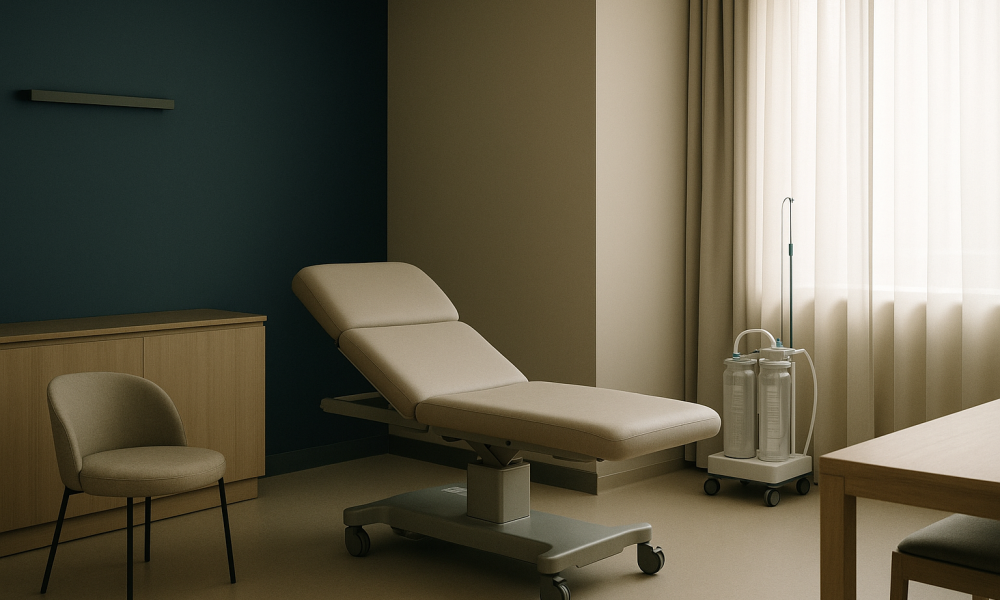
What Liposuction is and who it is for
Liposuction is a cosmetic surgical procedure designed to remove excess fat deposits from specific areas of the body, such as the abdomen, thighs, buttocks, arms, and neck. It is not a weight-loss solution but rather a body-contouring method. The procedure is typically sought by individuals who have tried diet and exercise yet struggle with stubborn fat that does not respond to traditional weight-loss methods.
The procedure involves the use of a suction technique to remove fat through small incisions made in the targeted areas. A thin tube, or cannula, is inserted through these incisions to loosen and suction out the fat cells. Liposuction can be performed using different techniques, including tumescent liposuction, ultrasound-assisted liposuction (UAL), and laser-assisted liposuction (LAL). Each method has its unique advantages, with tumescent liposuction being the most commonly used due to its safety and effectiveness.
While liposuction can significantly enhance the contour and proportion of your body, it is essential to maintain realistic expectations. The surgery is best suited for individuals at or near their ideal body weight who have firm, elastic skin and good muscle tone. It is not recommended for individuals with a significant amount of loose skin or cellulite, as liposuction does not address these issues. Additionally, it is not a substitute for a healthy lifestyle, and maintaining a balanced diet and regular exercise is crucial to preserving the results.
In Turkey, liposuction is particularly popular among international patients due to the country’s high-quality healthcare system, experienced surgeons, and competitive pricing. The procedure typically lasts between 1 to 3 hours, depending on the extent of the treatment areas. Patients may require local or general anaesthesia, and the recovery process varies, with most individuals returning to work within 1 to 2 weeks and achieving full recovery in 4 to 6 weeks. However, it is important to note that results may take 3 to 6 months to become fully visible as the body adjusts.
Are you a good candidate?
Determining whether you are a good candidate for liposuction requires careful consideration of several factors. Ideal candidates are those who are in good physical health, have realistic expectations, and possess specific areas of fat that are resistant to diet and exercise. Here are some criteria to consider:
- Health Status: You should be in good overall health without any medical conditions that could impair the healing process, such as heart disease, diabetes, or a compromised immune system.
- Body Weight: Candidates should be within 30% of their ideal body weight. Liposuction is not a weight-loss surgery and is most effective for body contouring in individuals near their target weight.
- Skin Elasticity: Good skin elasticity is important for achieving smooth results. Candidates should have firm, elastic skin that can adapt to the new contours after fat removal.
- Non-Smoker: Smoking can impair healing and increase the risk of complications. It is recommended to quit smoking several weeks before and after the procedure.
- Realistic Expectations: Understanding the limitations of liposuction is crucial. It is not a treatment for obesity or a substitute for a healthy lifestyle. Candidates should have a clear understanding of what the procedure can achieve.
- Age: While there is no specific age limit, candidates should have mature, fully developed bodies. Younger patients tend to have better skin elasticity, which can lead to more favourable results.
If you meet these criteria, you may be a good candidate for liposuction. However, a thorough consultation with a qualified plastic surgeon in Turkey is essential to determine your suitability for the procedure. During this consultation, the surgeon will assess your medical history, evaluate your areas of concern, and discuss your goals to ensure that liposuction is the right choice for you.
The procedure, step by step
Liposuction is a popular cosmetic procedure aimed at reshaping specific areas of the body by removing excess fat deposits. In Turkey, the procedure is conducted by qualified surgeons who follow a meticulous process to ensure patient safety and satisfaction. Here is a detailed step-by-step overview of the procedure:
- Consultation and Planning: Prior to the surgery, a comprehensive consultation is conducted. During this session, the surgeon assesses the patient’s overall health, skin elasticity, and specific areas of concern. A personalised treatment plan is devised, outlining the target areas and expected outcomes. Patients are advised to disclose their full medical history, including any medications or supplements they are taking.
- Pre-Operative Preparation: On the day of the surgery, patients undergo pre-operative evaluations, including routine blood tests and possibly imaging if necessary. The surgeon will mark the target areas on the patient’s body and discuss the plan once more to ensure clarity. Patients are usually advised to fast for at least 6-8 hours prior to the procedure.
- Anaesthesia: Liposuction can be performed under local, regional, or general anaesthesia, depending on the extent of the procedure and the patient’s preference. The choice of anaesthesia is discussed and agreed upon during the consultation phase.
- Incision and Tumescent Solution: Small, inconspicuous incisions are made near the target areas. A tumescent solution, which contains saline, lidocaine, and epinephrine, is injected into the fatty tissue. This solution helps to numb the area, reduce bleeding, and make fat removal easier.
- Fat Removal: A thin tube called a cannula is inserted through the incisions. Using a controlled back-and-forth motion, the surgeon dislodges fat cells, which are then suctioned out of the body using a surgical vacuum or syringe. The duration of this step varies based on the number of areas being treated and the amount of fat being removed.
- Closing Incisions: Once the desired amount of fat has been removed, the incisions are closed. In most cases, they are small enough to heal without stitches, but if stitching is required, it will be done carefully to minimise scarring.
- Post-Operative Care: Patients are moved to a recovery area where they are monitored as they wake from anaesthesia. Compression garments are typically provided to help reduce swelling and support the new body contours. Instructions for home care and follow-up appointments are given before discharge.
Overall, the procedure can take anywhere from one to several hours, depending on the extent of the areas being treated. Patients are advised to have someone accompany them for the journey home and to aid them during the initial recovery period.
Recovery timeline
Understanding the recovery timeline following liposuction is crucial for setting realistic expectations and ensuring a smooth healing process. The timeline can vary depending on the individual and the extent of the procedure. Below is a typical recovery timeline:
| Period | What to Expect | Care Notes |
|---|---|---|
| Day 1 | Patients may experience soreness, swelling, and bruising in the treated areas. Some fluid drainage from the incision sites is normal. | Rest is crucial. Use compression garments as directed to minimise swelling. Arrange for assistance with daily activities. |
| Days 2-7 | Swelling and bruising will persist but should gradually decrease. Pain and discomfort can be managed with prescribed medications. | Continue wearing compression garments. Avoid strenuous activities. Adhere to prescribed medication regimen. Attend follow-up appointments as scheduled. |
| Weeks 2-4 | Noticeable reduction in swelling. Bruising should be fading. Patients may begin to feel more comfortable moving around. | Light activities can be resumed. Continue wearing compression garments as advised. Monitor incision sites for any signs of infection. |
| Weeks 4-6 | Most of the swelling should have subsided, revealing new body contours. Patients can usually resume normal activities, excluding heavy exercise. | Consult with your surgeon before resuming exercise. Continue wearing compression garments if recommended. |
| Weeks 6-12 | Residual swelling should continue to decrease. Final results become more apparent. Scars will begin to soften and lighten. | Maintain a healthy lifestyle to support results. Regular follow-up consultations to ensure proper healing. |
| Full Recovery (3-6 months) | Complete healing with full results visible. Scars should be minimally visible, and skin texture should normalise. | Adhere to any long-term care advice provided by your surgeon. Consider discussing any concerns during follow-up visits. |
It’s important for patients to follow their surgeon’s specific recovery guidelines, as individual experiences may differ. Patience and adherence to post-operative care instructions are key to achieving optimal results.
What it costs: Turkey vs Europe
When considering liposuction, understanding the cost implications is crucial. Turkey has emerged as a popular destination for this procedure, offering competitive pricing compared to many European countries. However, it’s important to note that costs can vary widely depending on several factors, including the complexity of the procedure, the areas being treated, and the experience of the surgeon.
Below is a table that provides a comparison of indicative price ranges for liposuction in Turkey versus various European countries. These figures are indicative and should be used as a guide rather than exact prices:
| Country | Indicative Price Range (EUR) | Typical Package Inclusions |
|---|---|---|
| Turkey | €1,500 – €3,500 | Consultation, procedure, anaesthesia, post-operative garments, follow-up visits, accommodation, airport transfers |
| United Kingdom | €4,000 – €7,000 | Consultation, procedure, anaesthesia |
| Germany | €3,500 – €6,500 | Consultation, procedure, anaesthesia, post-operative garments |
| France | €3,000 – €6,000 | Consultation, procedure, anaesthesia, follow-up visits |
| Spain | €2,500 – €5,500 | Consultation, procedure, anaesthesia, post-operative garments |
As the table indicates, Turkey offers a more cost-effective option, often with more comprehensive packages that include accommodation and transfers, which are not typically included in European countries. This difference can make Turkey an appealing choice for those seeking to combine quality care with affordability.
While the cost savings can be significant, prospective patients should also consider other factors such as the surgeon’s credentials, the clinic’s accreditation, and patient reviews. These elements are crucial in ensuring safety and satisfaction with the procedure. Always ensure that you have a clear understanding of what is included in the quoted price to avoid any unexpected expenses.
Risks and how accredited providers manage them
Liposuction, like any surgical procedure, carries certain risks. These can include infection, bleeding, and reactions to anaesthesia, as well as more specific risks such as contour irregularities, numbness, or changes in skin sensation. It is essential for prospective patients to be aware of these risks and to choose a provider that is equipped to manage them effectively.
Accredited clinics in Turkey adhere to strict medical standards to mitigate these risks. Here are some of the measures taken by reputable providers:
- Pre-operative Assessment: A thorough pre-operative assessment is conducted to evaluate the patient’s health and suitability for the procedure. This includes reviewing medical history, current medications, and any potential allergies.
- Experienced Surgeons: Accredited clinics employ surgeons who are highly experienced and often trained internationally. They are skilled in the latest techniques, which can reduce the risk of complications.
- State-of-the-art Facilities: Clinics are equipped with modern technology and facilities that meet international standards, ensuring that the procedure is carried out safely.
- Infection Control: Strict infection control protocols are in place, including sterilisation of equipment and the use of sterile environments during surgery to minimise the risk of infections.
- Post-operative Care: Comprehensive post-operative care is provided, including monitoring for any signs of complications, pain management, and regular follow-up appointments to ensure proper healing.
- Patient Education: Patients are educated on what to expect post-surgery, including signs of potential complications and when to seek medical advice.
It is also worth noting that accredited providers in Turkey often have affiliations with international medical bodies, which helps ensure that they are up-to-date with the latest industry standards and practices. This commitment to quality and safety is a key factor that sets these providers apart.
While risks can never be entirely eliminated, choosing a reputable and accredited clinic can significantly reduce the likelihood of complications and enhance the overall outcome of the procedure. Patients are encouraged to ask questions and ensure they fully understand the risks and management strategies before proceeding with liposuction.
How to choose the right provider
When considering liposuction in Turkey, selecting the right provider is crucial to ensure a safe and satisfactory experience. One of the primary factors to consider is the accreditation of the clinic or hospital. Look for facilities accredited by international bodies such as the Joint Commission International (JCI) or the European Foundation for Quality Management (EFQM). These accreditations indicate adherence to high standards in medical care and patient safety.
Another critical factor is the experience and qualifications of the surgeon. Research the surgeon’s background, including their education, years of experience, and any specialised training in cosmetic procedures. It can be beneficial to choose a surgeon who is a member of reputable professional organisations, such as the International Society of Aesthetic Plastic Surgery (ISAPS) or the Turkish Society of Plastic Reconstructive and Aesthetic Surgeons (TPRECD). These memberships often require stringent standards of practice and continuous professional development.
Aftercare is an essential component of the liposuction journey. A reputable provider will offer comprehensive postoperative care plans, including follow-up appointments, access to medical professionals for any concerns, and guidance on recovery. This support is vital for monitoring healing and addressing any complications that may arise.
Be vigilant for red flags when evaluating potential providers. Beware of clinics that offer significantly lower prices than the typical indicative range of £1,500 to £3,500 per area, as this could indicate substandard care or hidden costs. Additionally, clinics that guarantee specific outcomes or use high-pressure sales tactics should be approached with caution. It is also advisable to avoid providers who lack transparency in their communication or refuse to provide detailed information about their services, including the risks involved.
Ultimately, choosing the right provider involves thorough research and careful consideration of multiple factors. Taking the time to make an informed decision can significantly enhance your liposuction experience and ensure peace of mind.
Planning your trip
Proper planning is essential for a smooth and successful liposuction journey to Turkey. Begin by establishing a realistic timeline. It is advisable to start planning at least 2 to 3 months before your intended travel date. This timeframe allows you to thoroughly research providers, arrange consultations, and prepare necessary documentation.
Documentation is a critical component of your travel preparation. Ensure your passport is valid for at least six months beyond your intended stay. If required, apply for a visa well in advance. You may also need to provide medical records or clearance from your GP, particularly if you have underlying health conditions.
The length of stay in Turkey will depend on the complexity of your procedure and your recovery plan. Typically, patients should plan for a stay of at least 7 to 10 days. This duration allows for preoperative assessments, the procedure itself, and initial recovery. During this time, it’s crucial to have access to your surgeon for follow-up care and to address any immediate post-surgical concerns.
Consider arranging travel insurance that covers medical procedures and potential complications. This can provide peace of mind and financial protection. Additionally, plan your accommodations with proximity to the clinic in mind, ensuring convenience for appointments and emergencies.
Upon returning home, follow-up care is vital. Arrange for a local healthcare provider to assist with your recovery and monitor your progress. This may include wound care, monitoring for signs of infection, and addressing any concerns related to the procedure. Ensure you have clear instructions from your Turkish provider regarding post-operative care and any necessary lifestyle modifications.
By meticulously planning your trip, from initial preparation to post-operative care at home, you can minimise stress and focus on your recovery and results.
Frequently Asked Questions
What should I expect in terms of liposuction costs in Turkey?
Liposuction costs in Turkey can vary based on the clinic, the surgeon's expertise, and the areas being treated. Typically, prices range from £1,500 to £3,500 per area. This cost often includes consultation fees, the procedure itself, and basic aftercare. Always confirm what is included in the quoted price to avoid unexpected expenses.
How can I ensure the clinic in Turkey is safe?
Ensuring the safety of a clinic involves checking for accreditations from international bodies like the Joint Commission International (JCI). Research the clinic's reputation through patient reviews and testimonials. Additionally, verify the qualifications and experience of the medical staff, particularly the surgeon performing your procedure.
Is it cheaper to get liposuction in Turkey than in the UK?
Yes, liposuction in Turkey is generally more affordable than in the UK, with prices typically ranging from £1,500 to £3,500 per area. This is due to lower operational costs in Turkey. However, ensure that the lower cost does not compromise the quality of care or safety standards.
What documents do I need for liposuction in Turkey?
You will need a valid passport, typically with at least six months remaining before expiration. Depending on your nationality, a visa may be required. It's also advisable to bring any relevant medical records, such as health clearances from your GP, particularly if you have pre-existing health conditions.
How long should I plan to stay in Turkey for my liposuction?
You should plan to stay in Turkey for approximately 7 to 10 days. This period allows for preoperative consultations, the procedure, and initial recovery time. Staying longer may be necessary if any complications arise or if additional follow-up is required.
What is the typical recovery time after liposuction?
The initial recovery period typically lasts about one to two weeks, during which swelling and bruising are common. Most patients can return to work within 10 to 14 days, but full recovery, including resolution of swelling and optimal results, can take several months.
Are there risks involved with liposuction?
As with any surgical procedure, liposuction carries risks, including infection, bleeding, and adverse reactions to anaesthesia. There may also be aesthetic risks such as uneven contours. Choosing a qualified surgeon and following aftercare instructions can minimise these risks.
What should I pack for my trip to Turkey for surgery?
Pack comfortable, loose-fitting clothing to accommodate post-surgery swelling. Include personal hygiene items, any prescribed medications, and important documents like passports and medical records. A travel pillow and compression garments, if recommended, can also be helpful.
Can I combine liposuction with a holiday in Turkey?
While it's tempting to combine surgery with sightseeing, it's advisable to prioritise rest and recovery. Post-surgery, you'll need ample rest, and activities may be limited. If you wish to explore, plan for additional time before or after your recovery period.
What should I do if I experience complications after returning home?
If complications arise after returning home, contact your surgeon in Turkey for guidance. Additionally, have a local healthcare provider ready to assist with any immediate medical needs. Ensure you have all necessary post-operative care instructions before leaving Turkey.
Will I need follow-up appointments after returning home?
Yes, follow-up appointments are crucial to monitor your recovery and ensure optimal results. Arrange for a local healthcare provider to oversee your progress and communicate any concerns with your Turkish surgeon if necessary.
How do I verify a surgeon's credentials in Turkey?
You can verify a surgeon's credentials by checking their membership in professional organisations such as the Turkish Society of Plastic Reconstructive and Aesthetic Surgeons (TPRECD) or the International Society of Aesthetic Plastic Surgery (ISAPS). These memberships indicate adherence to professional standards and continuous education.