
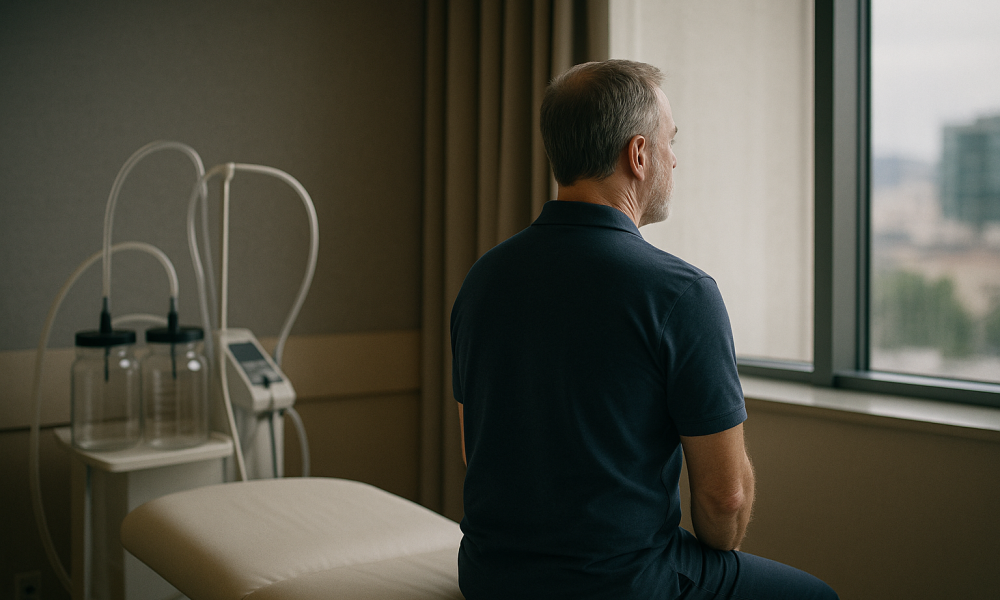
What Liposuction is and who it is for
Liposuction is a popular cosmetic procedure aimed at removing excess fat deposits to improve body contour and proportion. It is not a weight-loss solution but rather a method for addressing stubborn fat that does not respond well to diet and exercise. The procedure involves using a suction technique to remove fat from specific areas of the body, such as the abdomen, hips, thighs, buttocks, back, arms, or neck.
There are several techniques used in liposuction, each with its own advantages. The most common methods include tumescent liposuction, which involves injecting a solution to aid fat removal; ultrasound-assisted liposuction (UAL), which uses ultrasonic vibrations to liquefy fat; and laser-assisted liposuction, which employs laser energy to target fat cells. The choice of technique depends on the area being treated and the specific needs of the patient.
Typically, liposuction is performed under general anaesthesia, although smaller areas may be treated with local anaesthesia. The procedure generally lasts between 1 to 3 hours, depending on the extent of the treatment. Patients may be required to stay in hospital for a short period, usually no more than a day, to ensure proper recovery immediately following the surgery.
It’s crucial to understand that liposuction is not a treatment for obesity or a substitute for proper diet and exercise. The best candidates are those who are already at or near their ideal weight but have localized fat deposits that are resistant to other weight-loss efforts. Moreover, candidates should have good skin elasticity, as this helps the skin conform to new contours post-surgery.
Are you a good candidate?
Determining whether you are a good candidate for liposuction involves several considerations. While the procedure can offer significant aesthetic benefits, it is not suitable for everyone. Here is a checklist to help assess your candidacy:
- Health: You should be in good overall health with no serious medical conditions that could impair healing.
- Weight Stability: Ideal candidates are within 30% of their ideal body weight and have stable weight.
- Skin Elasticity: Good skin elasticity is important for the skin to mold to the new body contours after fat removal.
- Realistic Expectations: Understanding the limitations of liposuction is crucial. It is not a solution for weight loss but for contouring specific areas of the body.
- Non-smoker: Smoking can impair healing, so non-smokers or those willing to quit before and after the procedure are preferred.
- Specific Problem Areas: Candidates should have distinct areas of fat that have not responded to diet and exercise.
- Commitment to a Healthy Lifestyle: Maintaining results requires a commitment to healthy eating and regular exercise post-surgery.
If you meet these criteria, liposuction may be a suitable option for you. However, a thorough consultation with a qualified plastic surgeon is essential to discuss your goals, medical history, and the potential risks and benefits of the procedure. This consultation will also help determine the most appropriate technique for your needs and ensure that you have realistic expectations about the outcomes. Keep in mind that individual results can vary, and it’s important to approach this decision with a comprehensive understanding of the procedure.
The procedure, step by step
Liposuction is a popular cosmetic procedure aimed at removing excess fat deposits to reshape specific areas of the body. Understanding the procedure step by step can alleviate concerns and help patients set realistic expectations.
- Consultation and Planning: Before the procedure, you will have a detailed consultation with your surgeon. This is the time to discuss your goals, review your medical history, and have a physical examination. The surgeon will explain the different techniques available, such as tumescent, ultrasound-assisted, or laser-assisted liposuction, and recommend the most suitable option for your needs.
- Pre-operative Preparations: Once a decision has been made, you will receive instructions to prepare for surgery. This may include stopping certain medications, avoiding alcohol, and arranging for someone to assist you post-surgery. It is crucial to follow these guidelines to minimise risks.
- Anaesthesia: On the day of the procedure, you will be administered anaesthesia. Depending on the extent of the liposuction, this could be local anaesthesia, sedation, or general anaesthesia. The choice of anaesthesia is influenced by the volume of fat being removed and the areas being treated.
- Incision and Infusion: The surgeon makes small incisions in inconspicuous locations near the area to be treated. Through these incisions, a sterile liquid solution containing anaesthetic and epinephrine is infused to reduce bleeding and trauma.
- Fat Removal: A thin tube called a cannula is inserted through the incisions to loosen excess fat using a controlled back-and-forth motion. The dislodged fat is then suctioned out of the body using a surgical vacuum or syringe attached to the cannula.
- Closing Incisions: Once the desired amount of fat is removed, the incisions are either left open to drain fluid or closed with sutures. The decision depends on the surgeon’s technique and the body’s natural drainage capabilities.
- Post-operative Care: After the procedure, a compression garment is placed over the treated areas to help reduce swelling and support the new contours of your body. You will receive specific post-operative care instructions to ensure proper healing.
Recovery timeline
Recovery from liposuction is a gradual process. Understanding the timeline and what to expect can help you prepare for each stage of your recovery.
| Period | What to expect | Care notes |
|---|---|---|
| Day 1 | Immediately after surgery, you may feel groggy from anaesthesia and experience swelling and bruising in the treated areas. Pain is typically manageable with prescribed medications. | Rest is crucial. Arrange for someone to drive you home and stay with you for the first 24 hours. Follow medication instructions carefully. |
| Week 1 | Swelling and bruising persist. You may experience mild discomfort and soreness. Most patients can resume light activities within a few days. | Wear your compression garment as directed to reduce swelling and support your recovery. Avoid strenuous activities. |
| Weeks 2-3 | Bruising typically starts to fade. Swelling may still be present but should gradually decrease. You might feel more comfortable moving around. | Continue wearing your compression garment. You may start gentle exercises upon your surgeon’s advice. Keep incisions clean and dry. |
| Weeks 4-6 | Significant reduction in swelling. You will start to see the initial results of the procedure. Energy levels typically return to normal. | Consult with your surgeon about resuming more vigorous activities. Maintain a healthy diet to support your recovery. |
| Months 2-3 | Final results become more apparent as residual swelling subsides. Scars begin to mature and fade. | Continue to monitor your progress with follow-up appointments. Adhere to any additional advice from your healthcare provider. |
| Full Recovery | Usually by the end of the third month, the full results are visible, and you can return to all normal activities. | Maintain healthy habits to preserve the outcome of the procedure. Consider regular exercise and a balanced diet. |
What it costs: Turkey vs the UK, Europe and North America
Undergoing liposuction is a significant decision, and understanding the financial implications is crucial. Cost is often a major factor for patients considering medical tourism. In Turkey, liposuction is typically more affordable than in the UK, Europe, and North America due to lower operational costs and the favourable exchange rate. However, it is essential to note that these figures are indicative and can vary based on the complexity of the procedure, the areas treated, and the surgeon’s expertise.
| Region | Indicative Price Range (GBP) | Typical Inclusions |
|---|---|---|
| Turkey | £1,500 – £3,500 | Consultation, surgery, anaesthesia, post-op care, accommodation, airport transfers |
| UK | £3,500 – £7,000 | Consultation, surgery, anaesthesia, post-op care |
| Europe | £4,000 – £8,500 | Consultation, surgery, anaesthesia, post-op care |
| North America | £5,000 – £10,000 | Consultation, surgery, anaesthesia, post-op care |
In Turkey, the cost of liposuction often includes a comprehensive package. These packages typically cover pre-operative consultations, the surgical procedure itself, anaesthesia, post-operative care, and sometimes even accommodation and airport transfers. This holistic approach not only ensures convenience but also helps in managing the overall expenditure more effectively.
In contrast, in the UK, Europe, and North America, the cost of liposuction generally covers the consultation, surgery, anaesthesia, and post-operative care. Accommodation and other ancillary services are usually separate, potentially increasing the overall cost for patients who need to travel for their procedure.
It is important for prospective patients to ask for a detailed breakdown of what is included in the quoted price and to inquire about any potential additional costs. This ensures transparency and helps in making a well-informed decision.
Risks and how accredited providers manage them
Liposuction, like any surgical procedure, carries certain risks and potential complications. It is crucial for patients to be aware of these risks and understand how they are managed by accredited providers in Turkey. While liposuction is generally safe when performed by experienced surgeons, complications can include infection, bleeding, prolonged swelling, contour irregularities, and anaesthetic reactions.
Accredited providers in Turkey take several measures to mitigate these risks. Firstly, they adhere to strict hygiene and safety protocols, ensuring that all surgical environments are sterile and equipped with the latest medical technology. Surgeons are often board-certified and trained to manage complications should they arise.
- Pre-operative assessment: A thorough pre-operative assessment is conducted to evaluate the patient’s health status and determine their suitability for the procedure. This includes reviewing medical history, conducting necessary tests, and discussing any potential risks with the patient.
- Experienced surgical teams: The surgical teams in Turkey typically consist of highly trained professionals with extensive experience in performing liposuction. They are skilled in various techniques and can tailor the procedure to meet individual patient needs while minimising risks.
- Post-operative care: Accredited clinics provide comprehensive post-operative care. This includes regular follow-up appointments to monitor the patient’s recovery, providing guidance on wound care, and advising on lifestyle modifications to ensure optimal results.
- Emergency protocols: Clinics are equipped with emergency protocols to address any unforeseen complications swiftly. This includes having a dedicated medical team on standby and access to emergency facilities if required.
Patients are encouraged to ask detailed questions about the provider’s risk management strategies. Understanding how a clinic handles potential complications can provide peace of mind and help in making an informed choice.
Choosing an accredited provider in Turkey involves verifying their credentials, such as checking for international accreditations like JCI (Joint Commission International), which ensures adherence to global healthcare standards. Prospective patients should also seek reviews and testimonials from previous patients to gauge their experiences and satisfaction levels.
Ultimately, while risks cannot be entirely eliminated, partnering with an experienced and accredited provider in Turkey can significantly reduce them, ensuring a safer and more reassuring experience for international patients.
How to choose the right provider
Choosing the right provider for liposuction in Turkey is a crucial step in ensuring a safe and successful procedure. Start by checking the accreditation of the clinic. Look for facilities accredited by international bodies such as the Joint Commission International (JCI) or the European Foundation for Quality Management (EFQM). These accreditations indicate adherence to high standards of care and safety.
Next, consider the experience and qualifications of the surgeon. Research the surgeon’s educational background, certifications, and the number of liposuction procedures they have performed. Surgeons with extensive experience in liposuction are more likely to achieve desirable outcomes and manage any complications effectively.
Aftercare is another vital aspect. Confirm that the clinic offers comprehensive aftercare services, including follow-up appointments and post-operative support. A well-structured aftercare plan can significantly impact your recovery and the overall success of the procedure.
Be aware of red flags that may indicate substandard services. Avoid clinics that make unrealistic promises, such as guaranteed results or immediate, dramatic transformations. Additionally, steer clear of providers who do not offer transparent information about the procedure, risks, and costs. A reputable clinic will provide a detailed breakdown of the costs involved, which typically range from £2,000 to £4,500, depending on the complexity of the procedure.
Finally, seek reviews and testimonials from past patients. While individual experiences may vary, consistent patterns of positive or negative feedback can offer valuable insights into the quality of care you might expect. Engage in forums or social media groups where former patients share their experiences. These platforms can provide a realistic picture of what to expect from specific clinics and surgeons in Turkey.
Planning your trip
Planning your trip for liposuction in Turkey involves several important considerations. Start by establishing a timeline. Typically, you should begin planning your trip at least 6-8 weeks before your intended procedure date. This allows ample time to secure a consultation, organise travel arrangements, and complete any necessary pre-operative assessments.
Ensure you have all required documents ready. A valid passport is essential, and depending on your nationality, you might need a visa. Check the latest visa requirements for Turkey well in advance. Additionally, gather any medical records your surgeon may need, such as recent health check-ups or relevant medical history.
The typical length of stay for a liposuction procedure in Turkey ranges from 7 to 10 days. This duration allows for the procedure, initial recovery, and follow-up consultations. Plan your itinerary accordingly, including accommodation and transportation. Many clinics offer packages that include hotel stays and airport transfers, which can simplify your arrangements.
When planning your return home, consider the follow-up care you will need. Your surgeon should provide a detailed plan for post-operative care, which may include instructions for wound care, activity restrictions, and signs of potential complications. Arrange for follow-up appointments with a healthcare provider in your home country to ensure ongoing recovery and address any concerns that may arise.
Lastly, consider travel insurance that covers medical tourism. This can provide peace of mind by covering unexpected complications or changes in your travel plans. Ensure the policy includes coverage for medical procedures abroad, as standard travel insurance often does not cover elective surgeries.
Frequently Asked Questions
What are the typical costs for liposuction in Turkey?
The costs for liposuction in Turkey can vary based on several factors, including the extent of the procedure and the clinic's location. Typically, you might expect to pay between £2,000 and £4,500. This range is indicative and includes the procedure itself, but you should also budget for travel, accommodation, and other personal expenses.
Is liposuction in Turkey safe?
Liposuction in Turkey can be safe when performed by a qualified and experienced surgeon in a reputable clinic. It's crucial to research the clinic's accreditation, the surgeon's credentials, and patient reviews. Ensuring the clinic follows international safety standards and offers comprehensive aftercare can enhance the safety and success of the procedure.
How long should I plan to stay in Turkey for liposuction?
For liposuction, you should plan to stay in Turkey for approximately 7 to 10 days. This timeframe includes the procedure, initial recovery, and necessary follow-up consultations. Staying this long ensures you have adequate time to recover and address any immediate post-operative needs before travelling home.
What documents do I need for liposuction in Turkey?
You will need a valid passport and possibly a visa, depending on your nationality. It's important to check the latest visa requirements for Turkey before travelling. Additionally, bring any relevant medical records, such as recent health check-ups or medical history, which your surgeon might require for pre-operative assessments.
What should I look for in a liposuction surgeon?
Look for a surgeon with extensive experience in liposuction, verified qualifications, and certifications. Research their educational background and the number of liposuction procedures they have performed. Checking reviews and testimonials from previous patients can also provide insights into their expertise and patient satisfaction.
How do I ensure good aftercare following liposuction in Turkey?
Ensure the clinic offers comprehensive aftercare services, including follow-up appointments and post-operative support. Before booking, discuss the aftercare plan in detail with your surgeon. Upon returning home, arrange for follow-up care with a local healthcare provider to monitor your recovery and address any issues.
Are there any red flags to watch for when choosing a clinic?
Yes, be cautious of clinics that guarantee specific results or offer dramatically low prices. Lack of transparent information about the procedure, costs, or risks is also a warning sign. Reputable clinics provide clear details, realistic expectations, and maintain open communication with patients.
What is the recovery process like after liposuction?
Recovery from liposuction involves several stages. Initially, you may experience swelling, bruising, and discomfort, which can be managed with prescribed medications. It's essential to follow your surgeon's aftercare instructions closely, which typically include wearing compression garments and limiting physical activity. Full recovery can take several weeks to months.
Can I travel immediately after liposuction?
It's generally not recommended to travel immediately after liposuction. You should allow for an initial recovery period in Turkey, typically 7 to 10 days, to ensure you are stable and any immediate post-operative issues are addressed. Consult with your surgeon about when it is safe to travel long distances.
Will I need follow-up care when I return home?
Yes, follow-up care is crucial after returning home from liposuction. Arrange for appointments with a local healthcare provider to monitor your recovery, manage any complications, and ensure that your healing process is on track. Your Turkish surgeon should provide a detailed aftercare plan to guide this process.
How do I prepare for the liposuction procedure?
Preparation involves several steps, including undergoing pre-operative assessments and following specific instructions provided by your surgeon. This may include dietary adjustments, avoiding certain medications, and stopping smoking. Ensure you have all necessary documents and understand the procedure's risks and benefits before proceeding.
What are some common risks associated with liposuction?
Common risks of liposuction include infection, bleeding, and adverse reactions to anaesthesia. Other potential complications can involve uneven contours, changes in skin sensation, and persistent swelling. Discuss these risks with your surgeon, and ensure they have a plan to manage any complications if they arise.