
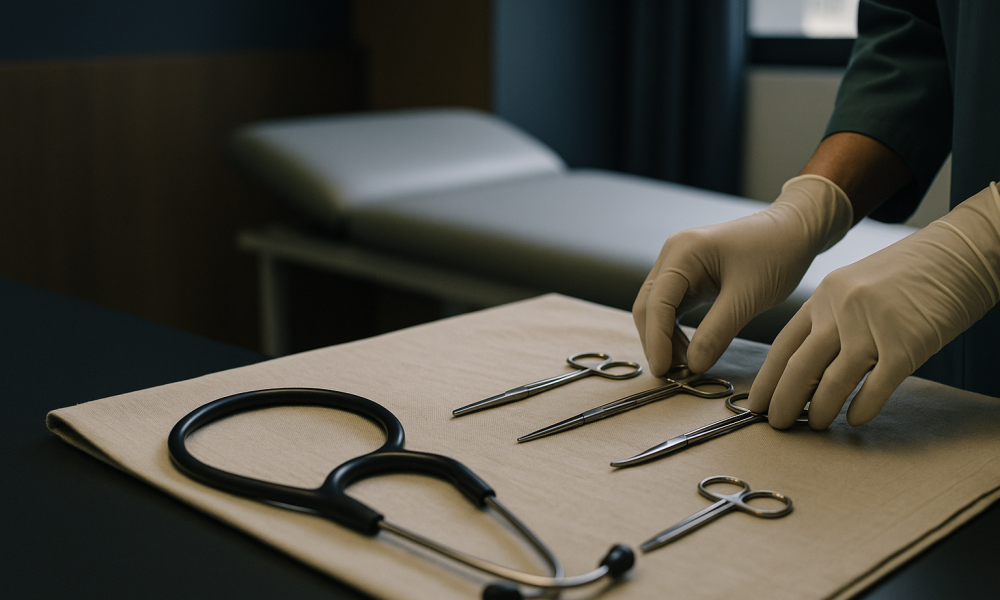
What Arm Lift is and who it is for
An arm lift, medically known as brachioplasty, is a surgical procedure aimed at improving the appearance of the upper arms by removing excess skin and fat. This procedure is especially beneficial for individuals who have lost a significant amount of weight or those experiencing sagging skin due to aging. The primary goal of an arm lift is to provide the arms with a more toned and youthful contour.
During an arm lift procedure, the surgeon will make incisions on the inside or back of the arm. The length and pattern of incisions depend on the amount and location of excess skin to be removed. Through these incisions, underlying supportive tissue is tightened and reshaped, and excess skin is removed. The procedure typically takes between two to three hours and is performed under general anaesthesia to ensure patient comfort.
The recovery process involves wearing compression garments to reduce swelling and support the arms as they heal. Most patients can expect to return to work within one to two weeks, although more strenuous activities may need to be postponed for a longer period. Full recovery, including the final appearance of the arms, usually takes around four to six weeks, with scars continuing to fade over time.
Arm lift surgery is not a weight-loss solution but rather a body contouring procedure. It is suitable for individuals who are relatively stable in their weight but are concerned about the appearance of their arms. This surgery can significantly enhance self-esteem and confidence by providing a more proportionate and aesthetically pleasing arm contour.
Are you a good candidate?
Determining whether you are a good candidate for an arm lift involves considering several factors related to your health, expectations, and lifestyle. Generally, the ideal candidates for an arm lift are individuals who have loose, sagging skin on their upper arms that does not improve with exercise or diet. It is important for potential candidates to have realistic expectations about the outcomes of the surgery and to understand both the benefits and limitations of the procedure.
- Stable Weight: Candidates should have a stable weight and ideally be at or near their target weight before undergoing surgery. Significant weight fluctuations after the procedure can affect the results.
- Good Health: Being in good overall health is crucial. Candidates should not have any medical conditions that could impair healing or increase surgical risk, such as uncontrolled diabetes or heart disease.
- Non-smoker: Smoking can interfere with the healing process and increase the risk of complications. Candidates are usually advised to quit smoking several weeks before and after the surgery.
- Realistic Expectations: Understanding what the surgery can and cannot achieve is vital. While the procedure can dramatically improve arm contour, it will not necessarily result in ‘perfect’ arms.
- Commitment to Aftercare: Successful recovery depends on following post-operative instructions, including attending follow-up appointments and adhering to activity restrictions.
Additionally, psychological readiness is an important consideration. Candidates should be motivated by personal desire for improvement rather than external pressures. Consulting with a qualified plastic surgeon can help determine if an arm lift is the right choice for your needs and goals.
The procedure, step by step
An arm lift, also known as brachioplasty, is a surgical procedure designed to reshape and improve the contour of the upper arms. This procedure is particularly sought after by individuals who have experienced significant weight loss or have excess skin due to ageing. The surgery is typically performed under general anaesthesia and can take anywhere from 2 to 4 hours, depending on the extent of the correction required.
- Consultation and Planning: Before the surgery, a detailed consultation with the surgeon is essential. This involves discussing the patient’s medical history, goals, and expectations. The surgeon will examine the arms, assess the degree of skin laxity and fat deposits, and discuss the potential outcomes. Realistic expectations are set, and the patient is informed about the risks and benefits.
- Marking and Anaesthesia: On the day of the surgery, the surgeon will make precise markings on the arms to guide the incisions. These markings are crucial for ensuring symmetry and optimal results. Anaesthesia is administered to ensure the patient’s comfort during the procedure.
- Incision Making: The type and length of the incision depend on the amount of excess skin. For minimal skin excess, a small incision near the armpit may suffice. More extensive skin removal may require an incision extending from the armpit to the elbow. Surgeons aim to place incisions where they will be least visible post-recovery.
- Tissue Removal and Tightening: Once the incisions are made, the surgeon removes excess skin and fat. Liposuction may be employed to help contour the arms and ensure a smoother appearance. The underlying supportive tissue is then tightened and reshaped with internal sutures.
- Closing Incisions: After the necessary adjustments, the incisions are closed using sutures. The surgeon may use absorbable sutures or ones that need removal after a few weeks. The incisions are meticulously closed to minimise scarring.
- Dressing and Compression Garment: Post-surgery, the arms are wrapped in dressings, and a compression garment is applied. This garment helps reduce swelling and supports the new arm contours as they heal.
- Monitoring and Discharge: The patient is monitored as they recover from anaesthesia. Most patients can return home the same day, though some may require an overnight stay, depending on individual circumstances and the extent of the surgery.
Recovery timeline
Recovering from an arm lift is a gradual process, and understanding the timeline can help set realistic expectations. The recovery period involves several stages, each requiring specific care and attention to ensure optimal healing and results.
| Period | What to expect | Care notes |
|---|---|---|
| Day 1-3 | Patients may experience swelling, bruising, and discomfort. Arm mobility is limited, and pain management is necessary. | Rest is crucial. Keep arms elevated to reduce swelling. Follow prescribed pain medication and avoid strenuous activities. |
| Week 1 | Swelling and bruising begin to subside. Some patients return to light daily activities. | Continue wearing the compression garment. Attend follow-up appointments. Avoid lifting heavy objects. |
| Week 2-3 | Most bruising resolves. Stitches may be removed if non-absorbable. Increased mobility in the arms. | Gradually increase activity levels. Continue compression garment use as advised. Monitor incision sites for signs of infection. |
| Week 4-6 | Swelling significantly decreases. Patients can return to work and resume most daily activities. | Light exercise may be resumed, avoiding direct arm strain. Continue to protect incision sites from sun exposure. |
| Month 3-6 | Final results become more apparent. Most swelling has resolved, and scars begin to fade. | Continue scar care as recommended. Regular follow-ups to assess healing progress. |
| 6 Months and Beyond | Complete recovery is typically achieved. Scars continue to mature and fade. | Maintain a healthy lifestyle to preserve results. Scars may continue to lighten over time. |
5. What it costs: Turkey vs the United States
When considering an arm lift, officially known as brachioplasty, prospective patients often find cost to be a significant factor in their decision-making process. In this section, we will detail the typical cost ranges for an arm lift in Turkey compared to the United States. It is important to note that these figures are indicative and can vary based on a variety of factors including the specific clinic, surgeon experience, and the geographical area.
| Country | Indicative Cost Range | Typical Package Inclusions |
|---|---|---|
| Turkey | $2,500 – $4,500 | Consultation, surgery, anaesthesia, post-op garments, 1-2 nights hospital stay, airport transfers, hotel accommodation |
| United States | $7,000 – $15,000 | Consultation, surgery, anaesthesia, post-op garments |
In Turkey, the lower cost does not necessarily equate to a compromise in quality. The healthcare system in Turkey is well-regulated, and many clinics are accredited by international bodies, ensuring high standards of care. The indicative cost range for an arm lift in Turkey is between $2,500 and $4,500. This typically includes not only the surgery itself but also comprehensive packages that may cover pre-operative consultations, anaesthesia, post-operative garments, and sometimes even additional services such as airport transfers and hotel accommodation.
In comparison, the cost of an arm lift in the United States is significantly higher, with prices typically ranging from $7,000 to $15,000. This range generally covers the surgery, anaesthesia, and post-operative garments, but may not include additional costs such as hospital stays or travel expenses for patients who live far from the clinic. Consequently, the total expenditure can rise considerably.
Many patients from the United States find that even when factoring in travel and accommodation expenses, undergoing an arm lift in Turkey can result in substantial savings. Moreover, the comprehensive nature of typical Turkish medical packages provides a level of convenience and peace of mind that is often appreciated by international patients.
6. Risks and how accredited providers manage them
Like any surgical procedure, an arm lift comes with its own set of risks. These can include infection, scarring, asymmetry, changes in skin sensation, and anaesthesia-related complications. It is crucial for prospective patients to understand these risks and how they are managed, particularly when considering undergoing surgery abroad.
Accredited providers in Turkey are well-equipped to mitigate these risks. Clinics that have international accreditation adhere to strict standards of care and safety, often comparable to those found in Western countries. Pre-operative assessments are thorough, aiming to identify any potential risk factors in patients that could complicate surgery. This includes assessing medical history, current health status, and any medications being taken.
Infection control is a top priority, and accredited clinics implement rigorous sterilisation procedures and protocols. Operating theatres are maintained at high hygiene standards, and staff are trained to follow stringent infection prevention measures. Post-operative care is also carefully managed, with patients receiving detailed instructions on wound care and recognising signs of infection early.
Scarring is an inherent risk of any surgical procedure involving incisions. Skilled surgeons in Turkey employ advanced techniques to minimise scarring and enhance cosmetic outcomes. Patients are often advised on how to care for their scars during the healing process, which may include the application of silicone-based products or other scar management treatments.
Changes in skin sensation and asymmetry are other potential risks. Surgeons are typically highly experienced, reducing the likelihood of significant asymmetry. Patients are informed about the possibility of temporary changes in sensation, which usually resolve as the healing process progresses.
Anaesthesia-related complications, while rare, are managed by experienced anaesthetists who are part of the surgical team. Patients are closely monitored during and after the procedure to ensure their safety.
Ultimately, while no surgery is without risk, accredited providers in Turkey take comprehensive steps to minimise these risks and ensure patient safety. Prospective patients are encouraged to discuss any concerns with their chosen clinic and ensure they understand the protocols in place to address potential complications.
How to choose the right provider
Choosing the right provider for your arm lift in Turkey is a critical step in ensuring a successful outcome. Start by verifying the accreditation of the clinics you are considering. Look for international accreditation bodies, such as the Joint Commission International (JCI), which ensures that the facility meets rigorous standards of care. The clinic should have up-to-date certification, which can often be verified on the accrediting body’s website.
Next, consider the experience and qualifications of the surgeon. You should expect your surgeon to be a member of recognised professional bodies, such as the Turkish Society of Plastic, Reconstructive and Aesthetic Surgeons. It’s advisable to inquire about the surgeon’s specific experience with arm lift procedures, including the number of surgeries performed and any additional training in this area.
Aftercare is another crucial factor. A comprehensive aftercare plan should include post-operative consultations, emergency contacts, and guidelines for recovery. Ensure that there is a clear communication channel with the healthcare provider, especially if you are returning home shortly after the procedure. Some clinics offer online follow-up appointments, which can be beneficial for international patients.
Be vigilant for red flags when selecting a provider. These include pressure to commit quickly, lack of transparency about costs, and reluctance to answer questions or provide credentials. A reputable clinic will encourage you to take your time in making a decision and will be open about the costs involved, which typically range from £2,000 to £4,000 depending on the complexity of the procedure.
Finally, consider patient reviews and testimonials. While these should not be the sole factor in your decision, they can provide insights into the experiences of other patients. Look for consistent patterns in reviews, such as praise for specific aspects of care or recurring issues, to help inform your choice.
Planning your trip
Planning your trip for an arm lift in Turkey involves several key considerations to ensure a smooth experience. First, establish a realistic timeline before travel. It’s advisable to start planning at least three months in advance. This allows ample time for consultations, securing travel documents, and making necessary arrangements at home.
Ensure your passport is valid for at least six months from your planned return date. Depending on your nationality, you may need a visa to enter Turkey, which can often be obtained online through the e-Visa system.
The length of stay in Turkey will depend on several factors, including the complexity of your procedure and your personal recovery rate. Typically, patients should plan to stay for at least 10 to 14 days. This duration allows for pre-operative consultations, the surgery itself, initial recovery, and follow-up appointments. Be sure to confirm these details with your chosen clinic, as some may recommend a longer stay.
Accommodation arrangements should be made with recovery in mind. Consider staying in a location close to the clinic to minimise travel time and discomfort post-surgery. Some clinics offer package deals that include accommodation and transportation, which can simplify logistics.
Post-operative follow-up is crucial for a successful recovery. Before leaving Turkey, ensure you have scheduled follow-up appointments, either online or with a local healthcare provider in your home country. Your Turkish clinic should provide detailed records of your procedure and recovery plan, which will be useful for your healthcare provider at home.
Finally, consider purchasing travel insurance that covers medical procedures and potential complications. This can provide peace of mind and financial protection in case of unforeseen issues. Be sure to disclose your planned surgery to the insurance provider to ensure full coverage.
Frequently Asked Questions
What is the typical cost of an arm lift in Turkey?
The cost of an arm lift in Turkey typically ranges from £2,000 to £4,000. This range depends on various factors, including the complexity of the procedure, the surgeon's experience, and the facility where the surgery is performed. It's important to note that this is an indicative range and you should obtain detailed quotes from multiple clinics to understand what is included in the cost.
How safe is it to have an arm lift in Turkey?
Having an arm lift in Turkey can be safe if you choose a reputable clinic and experienced surgeon. Ensure the clinic is accredited by international bodies like the Joint Commission International (JCI) and that the surgeon is a member of recognised professional associations. It's also crucial to follow pre- and post-operative instructions carefully to minimise risks.
What should I consider when selecting a surgeon for my arm lift?
When selecting a surgeon, consider their qualifications, experience, and reputation. Look for surgeons who are members of professional organisations such as the Turkish Society of Plastic, Reconstructive and Aesthetic Surgeons. Ask about their specific experience with arm lift procedures, including the number of surgeries performed. Patient reviews and testimonials can also provide valuable insights.
How long should I plan to stay in Turkey for my arm lift?
You should plan to stay in Turkey for at least 10 to 14 days for an arm lift. This duration allows for pre-operative consultations, the surgery, initial recovery, and necessary follow-up appointments. Confirm with your clinic, as some cases may require a longer stay depending on individual recovery rates and the complexity of the procedure.
What documents do I need to travel to Turkey for surgery?
To travel to Turkey for surgery, you will need a valid passport with at least six months' validity from your planned return date. Depending on your nationality, you may also require a visa, which can often be obtained through Turkey's e-Visa system. It's wise to check the latest travel requirements well in advance of your trip.
What does the aftercare process involve for an arm lift?
Aftercare for an arm lift involves regular follow-up appointments to monitor healing, adherence to prescribed care routines, and managing any discomfort. Clinics typically offer detailed post-operative instructions and emergency contact information. Some provide online consultations to facilitate follow-up care once you return home, ensuring continuity of care.
Can I combine an arm lift with other cosmetic procedures?
Yes, it is possible to combine an arm lift with other cosmetic procedures, such as a tummy tuck or breast augmentation. However, this decision should be made in consultation with your surgeon, who will consider your overall health, medical history, and the potential impact on recovery time and outcomes.
Will my insurance cover the cost of an arm lift in Turkey?
Generally, health insurance does not cover the cost of cosmetic procedures like arm lifts, as they are considered elective surgeries. However, it is advisable to check with your insurance provider to understand your specific policy and whether any aspects of the procedure might be covered.
What are the risks associated with an arm lift?
Risks associated with an arm lift can include infection, scarring, asymmetry, and temporary numbness. Choosing a qualified and experienced surgeon and strictly following pre- and post-operative care instructions can significantly reduce these risks. It is important to discuss potential risks and complications with your surgeon during the consultation process.
How soon can I return to work after an arm lift?
Most patients can return to work within 2 to 3 weeks after an arm lift, depending on the nature of their job and their individual recovery. If your job involves physical activity, you may need additional time before resuming full duties. Follow your surgeon's advice on when it's safe to return to work and engage in daily activities.
What should I pack for my trip to Turkey for surgery?
When packing for your trip to Turkey, include comfortable, loose-fitting clothing, essential travel documents, any medications you regularly take, and items for personal comfort during recovery, such as books or a tablet. It's also wise to bring a list of questions for your surgeon and clinic, as well as any medical records relevant to your procedure.
How can I prepare for my arm lift surgery?
Preparation for an arm lift involves maintaining a stable weight, quitting smoking if applicable, and arranging for assistance during recovery. You should also follow any specific instructions from your surgeon regarding medications and pre-operative care. Being in good general health can help ensure a smoother procedure and recovery process.