
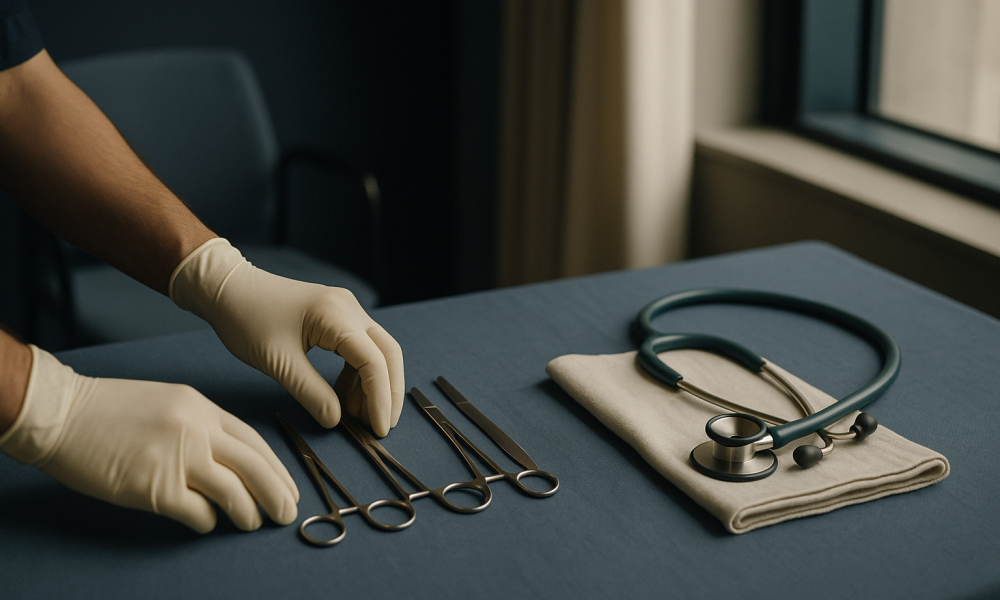
What Thigh Lift is and who it is for
A thigh lift, also known as thighplasty, is a cosmetic surgical procedure aimed at reshaping the thighs by removing excess skin and fat. This surgery is particularly popular among individuals who have experienced significant weight loss and are left with sagging skin that does not respond well to diet and exercise. The primary objective of a thigh lift is to improve the contour and appearance of the thighs, offering a firmer and more youthful look. It can enhance the quality of life for many by boosting self-confidence and improving comfort in clothing.
Thigh lift surgery is typically performed under general anaesthesia and can take approximately 2 to 3 hours, depending on the extent of the surgery and the techniques used. The procedure involves making incisions in strategic locations, such as the groin area, to minimise visible scarring. The surgeon will then remove excess skin and fat, and possibly tighten the underlying tissues, to achieve the desired contour. After the procedure, patients usually stay in the hospital for 1 to 2 days to ensure proper recovery and monitoring.
This surgery is suitable for individuals who have maintained a stable weight and are in good overall health. It is not a weight loss solution but rather a body contouring procedure designed to address specific aesthetic concerns. Candidates often include those who have undergone bariatric surgery or experienced weight fluctuations due to pregnancy or ageing. The results of a thigh lift can be long-lasting, especially when combined with a healthy lifestyle, though natural ageing and gravity may eventually alter the results over time.
Thigh lift surgery in Turkey has become increasingly popular due to the country’s well-regarded healthcare system, which offers high standards of medical care at competitive prices. Patients are advised to research thoroughly and choose qualified and experienced surgeons to ensure the best outcomes. While the surgery can be transformative, it is vital to have realistic expectations and understand the potential risks and recovery process involved.
Are you a good candidate?
Determining whether you are a good candidate for a thigh lift involves several considerations. The procedure is most beneficial for those who are looking to address issues related to sagging skin and are not primarily focused on fat reduction. Ideal candidates are generally in good health, non-smokers, and possess realistic expectations regarding the outcome of the surgery. Below is a checklist to help you assess your candidacy:
- You have significant skin laxity on the thighs due to weight loss or ageing.
- Your weight is stable, and you are not planning major weight fluctuations.
- You are in good overall health, with no medical conditions that impair healing.
- You do not smoke, or you are willing to quit smoking several weeks before and after the surgery.
- You have realistic expectations and understand the cosmetic nature of the procedure.
- You are willing to adhere to pre-operative and post-operative instructions provided by your surgeon.
- You are emotionally prepared for the recovery period, which may involve temporary discomfort and limited activity.
In addition to these criteria, a detailed consultation with a qualified plastic surgeon is essential. During this consultation, the surgeon will evaluate your specific situation, discuss your goals, and explain the potential risks and benefits of the procedure. They may also review your medical history and perform a physical examination to ensure that you are an appropriate candidate for the surgery.
It is crucial to approach thigh lift surgery with a thorough understanding of the procedure and its implications. Prospective patients should be aware that while a thigh lift can significantly enhance the appearance of the thighs, it is not a substitute for a healthy lifestyle. Maintaining a balanced diet and regular exercise can help sustain the results of the surgery in the long term.
The procedure, step by step
Undergoing a thigh lift in Turkey involves a series of carefully orchestrated steps designed to ensure patient safety and maximise the likelihood of a successful outcome. Here is a step-by-step overview of what you can expect during the procedure:
- Pre-operative Consultation: Before the surgery, a thorough consultation with your surgeon will take place. During this meeting, you will discuss your goals, medical history, and any concerns. The surgeon will assess your thighs, skin elasticity, and overall health to determine the best approach.
- Anaesthesia: On the day of surgery, you will be administered either general anaesthesia or local anaesthesia with sedation, depending on the complexity of the procedure and your surgeon’s recommendation. This is to ensure that you are comfortable and pain-free throughout the operation.
- Incision Placement: The surgeon will make strategic incisions based on the pre-operative plan. Common incision sites include the groin area, extending downward around the thigh, or along the inner thigh. The choice of incision depends on the extent of correction needed and the specific technique used.
- Reshaping and Lifting: After making the incisions, the surgeon will remove excess skin and fat. This may involve liposuction to contour the thigh area further. The underlying tissue is then tightened and reshaped to create a smoother, firmer appearance.
- Closing Incisions: Once the desired contour is achieved, the incisions are closed with sutures. The surgeon may use deep support sutures within the underlying tissues to help form and support the newly shaped contours. Skin adhesives or surgical tape may also be applied to minimise scarring.
- Dressings and Compression Garments: After the incisions are closed, dressings are applied to the surgical sites. You will also be fitted with a compression garment to support the healing tissues, reduce swelling, and help maintain the new thigh shape.
- Post-operative Monitoring: You will be moved to a recovery area where medical staff will monitor your vital signs as you awaken from anaesthesia. Pain management and care instructions will be provided to ensure your comfort.
- Discharge: Most patients are discharged on the same day once they are stable and have received instructions on how to care for their incisions, manage pain, and recognise signs of complications.
It is important to follow all pre and post-operative instructions provided by your healthcare team to optimise your recovery and results.
Recovery timeline
The recovery timeline following a thigh lift can vary based on individual health, the extent of the procedure, and adherence to post-operative care. Here is a detailed overview of what to expect during the recovery process:
| Period | What to Expect | Care Notes |
|---|---|---|
| Day 1-3 | Initial swelling, bruising, and discomfort are common. You may feel some tightness in the thighs. Mobility will be limited, and you will likely need assistance with daily activities. | Rest and keep the legs elevated to reduce swelling. Take prescribed pain medication and antibiotics to prevent infection. Follow instructions on how to care for your incisions. |
| Week 1-2 | Swelling and bruising will begin to subside. You may start to feel more comfortable moving around, but strenuous activities should still be avoided. | Continue wearing compression garments as directed. Attend follow-up appointments for suture removal and to monitor healing progress. Begin gentle walking to improve circulation. |
| Week 3-4 | Most patients experience significant improvement in comfort and mobility. Swelling continues to decrease, and initial results become more visible. | Gradually increase daily activities, but avoid heavy lifting or intense exercise. Maintain good hygiene to prevent infection. Follow dietary recommendations to support healing. |
| Month 2-3 | Residual swelling may persist but is generally minor. Scars begin to mature and fade. Patients often feel fully comfortable returning to normal activities. | Consult your surgeon before resuming high-impact activities. Continue to protect scars from sun exposure to promote optimal healing. |
| Full Recovery (3-6 months) | Final results are typically evident by this stage. Scarring continues to improve and should be less noticeable. Most patients are satisfied with the outcome. | Maintain a healthy lifestyle to preserve results. Attend any remaining follow-up visits to ensure long-term success. |
Adhering to the recovery plan provided by your surgeon will help ensure the best possible outcome and minimise the risk of complications.
What it costs: Turkey vs Europe
When considering a thigh lift, one of the most significant factors for international patients is the cost of the procedure. Turkey has become a popular destination for cosmetic surgery due to its competitive pricing compared to many European countries. It’s important to understand what these costs typically include and how they compare across regions.
In Turkey, the cost of a thigh lift can range from €2,500 to €4,500. This price often includes various components of a medical tourism package such as the surgeon’s fees, hospital charges, anaesthesia, and post-operative care. In contrast, the cost in European countries such as the UK, Germany, or France typically ranges from €5,000 to €8,000, and these figures might not include additional expenses such as consultations and follow-up visits.
| Country | Indicative Cost Range (EUR) | Typical Inclusions |
|---|---|---|
| Turkey | €2,500 – €4,500 |
|
| UK | €5,000 – €8,000 |
|
| Germany | €5,500 – €7,500 |
|
| France | €6,000 – €8,000 |
|
It’s crucial to note that these costs are indicative and can vary based on the complexity of the procedure, the reputation of the surgeon, and the specific offerings of the clinic. Additionally, packages in Turkey often include accommodation and ground transportation, which can add significant value for international patients.
Prospective patients should ensure they understand what is included in the quoted price and clarify any additional costs that may arise. This can help avoid unexpected expenses and ensure a smoother experience.
Risks and how accredited providers manage them
As with any surgical procedure, a thigh lift carries certain risks. It is essential for patients to be aware of these potential complications and understand how accredited providers in Turkey manage them to ensure the highest standards of safety and care.
Common risks associated with thigh lift surgery include infection, bleeding, scarring, and adverse reactions to anaesthesia. Additionally, there may be a risk of asymmetry, changes in skin sensation, or dissatisfaction with the aesthetic outcome. Accredited providers in Turkey are well-equipped to mitigate these risks through rigorous pre-operative assessments and post-operative care.
Accredited clinics in Turkey typically adhere to international healthcare standards, with many facilities holding certifications from organisations such as the Joint Commission International (JCI). These certifications ensure that clinics maintain stringent hygiene protocols, utilise state-of-the-art equipment, and employ highly trained medical staff. Surgeons are often required to have extensive experience and are members of recognised professional bodies, ensuring they are up-to-date with the latest techniques and safety protocols.
Pre-operative consultations are a critical component of risk management. During these consultations, surgeons assess the patient’s overall health, discuss their expectations, and explain the potential risks and complications of the procedure. This dialogue allows patients to make informed decisions and helps the surgical team to tailor the procedure to the patient’s specific needs.
- Infection Control: Accredited clinics follow strict sterilisation procedures and use sterile surgical environments to minimise infection risks. Patients are often provided with antibiotics as a preventative measure.
- Post-operative Care: Patients receive detailed aftercare instructions and regular follow-up appointments to monitor healing and address any concerns promptly.
- Emergency Protocols: Clinics are equipped with emergency facilities and protocols to handle any unforeseen complications swiftly.
Patients are encouraged to communicate openly with their healthcare providers about any concerns they may have and to adhere to all pre- and post-operative instructions. This collaboration between patient and provider is crucial in managing risks effectively and achieving the best possible outcome.
While no surgical procedure is without risk, choosing an accredited provider in Turkey can significantly enhance the safety and success of a thigh lift. Patients should feel reassured by the high standards of care and the comprehensive risk management strategies employed by these clinics.
How to choose the right provider
Choosing the right provider for a thigh lift in Turkey is crucial to ensuring a safe and successful outcome. One of the first steps is to verify the accreditation of the clinic or hospital. Look for facilities accredited by international bodies such as the Joint Commission International (JCI) or the Turkish Ministry of Health. These accreditations ensure that the facility meets high standards of safety and quality.
Next, assess the experience and qualifications of the surgeon. Research their educational background and professional memberships, such as the Turkish Society of Plastic, Reconstructive and Aesthetic Surgeons. Inquire about their experience specifically with thigh lifts, as this can vary significantly among surgeons. A surgeon should ideally have performed at least 50 procedures of this type and be able to provide before-and-after photos of past patients.
Aftercare is another critical element to consider. Comprehensive aftercare plans should include follow-up consultations, emergency contact options, and detailed recovery guidelines. Ask about the availability of nursing care and whether the clinic offers any post-operative support services. Aftercare can significantly affect recovery times and outcomes, so it should be a priority in your decision-making process.
Be on the lookout for red flags such as lack of transparency about costs, unwillingness to provide credentials, or pressure to book quickly. It’s important to take your time to make an informed decision. Testimonials and reviews from previous patients can provide valuable insights but should be considered alongside other factors, as they may not always be fully representative.
Finally, communication is key. Ensure that the clinic offers support in your language and that you feel comfortable asking questions and discussing any concerns. Clear and open communication can make a significant difference in your overall experience.
Planning your trip
Planning your trip for a thigh lift in Turkey involves several important steps. Start by establishing a timeline that allows sufficient time for consultation, surgery, and initial recovery. Ideally, you should plan to arrive in Turkey at least two days before your scheduled surgery to allow time for pre-operative consultations and any necessary tests.
Ensure you have all the necessary documents, including your passport, visa (if required), and medical records. Some clinics may ask for medical history documentation, so it’s wise to have these prepared in advance. Travel insurance that covers medical procedures is also advisable, providing an extra layer of security.
The typical length of stay in Turkey for a thigh lift ranges from 10 to 14 days. This period allows for the surgery, initial recovery, and follow-up appointments. Discuss the exact timeline with your provider to tailor the trip to your specific needs.
Post-operative care is a critical component of your recovery plan. Arrange for a companion to assist you during the initial recovery phase, as mobility may be limited. Many clinics offer packages that include transportation and accommodation, which can simplify logistics.
Consider your follow-up care at home. Establish a connection with a local healthcare provider before your trip to ensure you have the necessary support upon your return. This provider can assist with suture removal, check-ups, and address any complications that may arise.
Finally, ensure your travel plans include contingencies for any unexpected changes. Flexibility in your itinerary can alleviate stress should any adjustments be necessary. By carefully planning your trip, you can focus on your recovery and achieving the best possible results from your thigh lift.
Frequently Asked Questions
What is the estimated cost of a thigh lift in Turkey?
The cost of a thigh lift in Turkey can vary widely depending on the clinic and the surgeon's expertise. Generally, prices range from €2,500 to €4,500. This typically includes the surgery, hospital stay, and basic aftercare. However, additional costs may arise from travel, accommodation, and any supplementary procedures or treatments. Always ask for a detailed quote to understand what is included.
How do I know if a clinic is accredited?
To verify a clinic's accreditation, look for certifications from international bodies like the Joint Commission International (JCI) or recognition from the Turkish Ministry of Health. You can also check the clinic's website or contact them directly to request proof of accreditation. These accreditations ensure the clinic adheres to high standards of medical care and patient safety.
Is it safe to have a thigh lift in Turkey?
Turkey is known for its advanced medical infrastructure and experienced surgeons, making it a popular destination for cosmetic surgery. However, safety largely depends on choosing a reputable clinic and an experienced surgeon. Ensure the clinic is accredited and the surgeon is board-certified. Verify their experience with thigh lift procedures and ask for patient testimonials to gauge their success rates.
What should I bring for my surgery trip to Turkey?
When travelling for a thigh lift in Turkey, bring your passport, visa (if necessary), and medical records. Comfortable clothing, personal care items, and any prescribed medications are essential. Consider travel insurance that covers medical procedures. It's also helpful to have a list of questions for your surgeon and a plan for post-operative care at home.
How long will I need to stay in Turkey after my thigh lift?
The typical stay in Turkey for a thigh lift is 10 to 14 days. This period includes the surgery, initial recovery, and follow-up appointments. Your surgeon will provide a tailored timeline based on your specific procedure and recovery needs. Ensure your travel plans accommodate this duration to facilitate a smooth recovery process.
What is the recovery process like after a thigh lift?
Recovery from a thigh lift involves several stages. Initially, you may experience swelling, bruising, and discomfort, which can be managed with prescribed medications. It's crucial to follow your surgeon's aftercare instructions, including wearing compression garments and avoiding strenuous activities. Full recovery can take several weeks, with most patients resuming normal activities within 4 to 6 weeks.
Will I need follow-up care when I return home?
Yes, follow-up care is essential after returning home. Arrange for a local healthcare provider to assist with suture removal, monitor healing, and address any complications. Your Turkish surgeon should provide a detailed aftercare plan, including guidelines for activities and any necessary follow-up appointments to ensure optimal recovery.
How can I verify a surgeon's experience with thigh lifts?
To verify a surgeon's experience, research their qualifications, professional memberships, and specific experience with thigh lift procedures. Ask for before-and-after photos of previous patients and request patient testimonials. A surgeon with significant experience should have performed at least 50 thigh lift procedures and be willing to discuss their outcomes and approach in detail.
Are there any red flags to watch out for when choosing a clinic?
Yes, several red flags should alert you to potential issues. These include lack of transparency about costs, unwillingness to provide credentials, and pressure to book quickly. Be cautious of clinics that offer prices significantly lower than the typical range, as this can indicate compromised quality. Ensure the clinic provides comprehensive aftercare and support in your language.
Can I combine my thigh lift with other procedures during the same trip?
Combining procedures can be possible, but it depends on your health, the procedures involved, and your surgeon's recommendation. Discuss this with your surgeon during the initial consultation to understand the risks, benefits, and recovery implications. Combining procedures can extend recovery time and increase complexity, so it should be carefully considered.
How do I handle language barriers at the clinic?
Many clinics in Turkey offer services in multiple languages, including English. Confirm in advance that the clinic provides language support and that you feel comfortable communicating with your medical team. Some clinics have multilingual staff or offer interpreter services to facilitate clear communication, which is essential for understanding procedures and aftercare instructions.
What are the typical payment options for surgery in Turkey?
Payment options for surgery in Turkey usually include credit/debit cards, bank transfers, and sometimes cash. It's important to discuss payment terms with the clinic before your trip. Some clinics may require a deposit to secure your booking, with the balance payable before or on the day of surgery. Always confirm the currency and any potential conversion fees involved.