
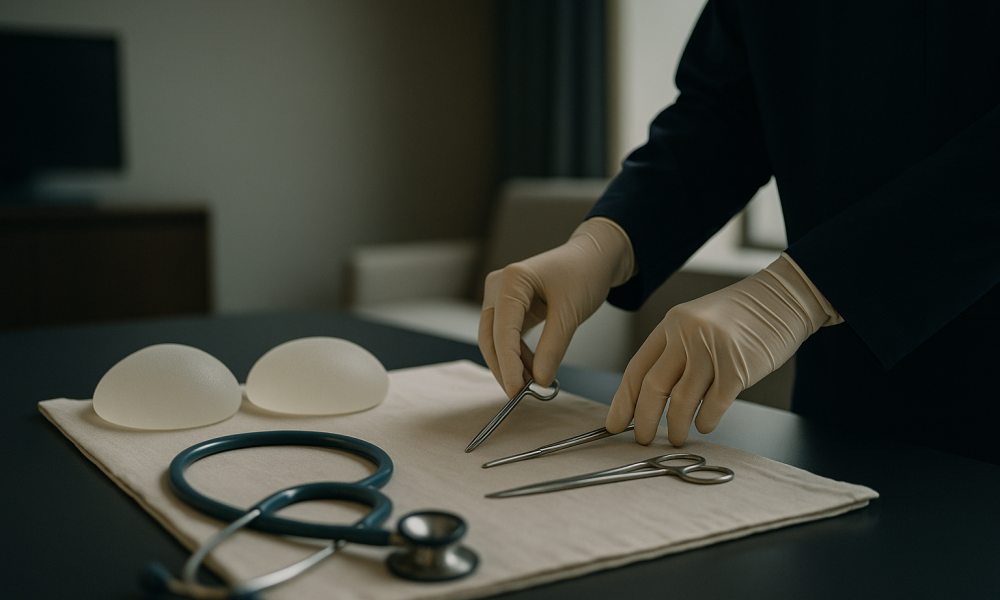
What Pectoral Implants is and who it is for
Pectoral implant surgery, also known as pectoral augmentation, is a cosmetic procedure designed to enhance the chest area by inserting silicone implants beneath the pectoral muscles. This surgery is primarily sought by men who desire a more defined, muscular chest appearance, which may not be achievable through exercise alone. The procedure is also an option for individuals who have experienced congenital chest wall deformities or muscle underdevelopment due to genetic conditions.
The pectoral implants used in this procedure are typically made of solid silicone, which is flexible yet firm, allowing for a natural look and feel. Unlike breast implants, pectoral implants are not filled with liquid, eliminating the risk of rupture or leakage. The implants come in various shapes and sizes, allowing surgeons to tailor the procedure to the patient’s specific anatomical needs and aesthetic goals.
Turkey has become a popular destination for pectoral implant surgery due to its combination of high-quality care and cost-effectiveness. In Turkey, the cost of pectoral implants typically ranges from £3,000 to £5,000, making it an attractive option for international patients, including those from Canada, where the procedure can be significantly more expensive.
Patients choosing to undergo pectoral implant surgery in Turkey benefit from world-class medical facilities and experienced surgeons who are certified by international medical boards. Many clinics offer comprehensive packages that include pre-operative consultations, the surgery itself, post-operative care, and even accommodation and transportation services, ensuring a seamless experience for international patients.
While pectoral implant surgery is generally safe, it is crucial for prospective patients to be well-informed about the procedure, the potential risks, and the recovery process. Complications are rare but can include infection, hematoma, or implant displacement. Therefore, selecting a qualified and experienced surgeon is critical to achieving the desired outcome and minimising risks.
Are you a good candidate?
Determining whether you are a suitable candidate for pectoral implant surgery involves a thorough assessment of your physical health, aesthetic goals, and lifestyle. Ideal candidates are typically healthy individuals who are dissatisfied with the appearance of their chest and seek enhancement that cannot be achieved through exercise alone.
Here is a checklist to help you assess if you might be a good candidate for pectoral implants:
- Good overall health: You should be in good general health without any chronic illness that could impair healing.
- Non-smoker: Smoking can affect blood circulation and healing, so non-smokers are preferred candidates.
- Realistic expectations: You understand that while the implants can enhance your chest’s appearance, they won’t provide a ‘perfect’ result.
- Stable weight: Significant weight fluctuations can affect the appearance of the implants.
- Motivated by personal reasons: You should be seeking surgery for yourself, not to fulfil someone else’s desires or to achieve an idealised body image.
- Muscle underdevelopment: If you have congenital conditions or muscle underdevelopment that exercise cannot correct, you may benefit from implants.
- Commitment to post-op care: Willingness to follow post-surgical care instructions is crucial for recovery and achieving the best results.
Before deciding on surgery, it is essential to have a detailed consultation with a qualified plastic surgeon. During this consultation, the surgeon will evaluate your chest anatomy, discuss your goals, and determine the appropriate size and shape of implants to match your physique and expectations. They will also explain the procedure in detail, including the risks and benefits, helping you make an informed decision.
In addition to physical criteria, psychological readiness is also essential. Candidates should have a stable psychological profile and a positive outlook on the potential outcomes of the surgery. Understanding the limitations and possibilities of pectoral implant surgery will help ensure satisfaction with the results.
3. The procedure, step by step
Undergoing pectoral implant surgery in Turkey involves a series of well-defined steps, each designed to ensure the patient’s safety and the optimal outcome of the procedure. Here is a detailed outline of the process:
- Consultation and Evaluation: Prior to the surgery, patients will have a comprehensive consultation with a plastic surgeon. This involves discussing their aesthetic goals, medical history, and any concerns. The surgeon will evaluate the patient’s chest anatomy and recommend the appropriate size and type of implant. This step is crucial for tailoring the procedure to the individual’s needs.
- Pre-operative Preparations: Once the implant size and type have been decided, patients will undergo a series of pre-operative tests, which may include blood work and imaging studies. Patients are advised to avoid certain medications, such as blood thinners, in the weeks leading up to surgery to minimise bleeding risks. Fasting from midnight before the surgery day is typically required.
- Anaesthesia: On the day of the surgery, patients will be administered general anaesthesia to ensure they are comfortable and pain-free throughout the procedure. In some cases, local anaesthesia with sedation may be used, depending on the surgeon’s recommendation and the patient’s health status.
- Incision and Implant Placement: The surgeon will make a small incision, typically in the armpit area, to minimise visible scarring. Through this incision, a pocket is created either beneath the pectoral muscle or between the pectoral muscle and the chest wall. The choice of pocket placement depends on the desired look and the patient’s anatomy. The silicone implants are then carefully inserted into these pockets.
- Closing Incisions: Once the implants are in place, the surgeon will meticulously close the incisions with sutures. Surgical tapes or adhesives may be applied to support the closure and enhance healing.
- Post-operative Monitoring: After the procedure, patients are taken to a recovery room where they are monitored as they wake from anaesthesia. Vital signs are checked regularly to ensure stability, and pain management protocols are initiated.
It is important for patients to follow all pre- and post-operative instructions provided by their surgical team to optimise the results and minimise the risk of complications.
4. Recovery timeline
The recovery process following pectoral implant surgery is a gradual one, requiring careful adherence to post-operative care instructions. Below is a detailed timeline of what patients can expect during their recovery period:
| Period | What to expect | Care notes |
|---|---|---|
| Day 1 | Patients usually experience swelling and discomfort in the chest area. Movement is limited, and assistance may be required for basic tasks. | Rest is crucial. Keep the head elevated when lying down to reduce swelling. Pain medication prescribed by the surgeon should be taken as directed. |
| Days 2-7 | Swelling and bruising remain but begin to subside. Patients may start to feel more comfortable moving around. | Continue to wear the compression garment as instructed to support the implants and minimise swelling. Avoid strenuous activities and follow up with the surgeon for a check-up. |
| Week 2 | Most patients can resume light activities, although some discomfort may persist. Swelling continues to decrease. | Light walking is encouraged to promote circulation, but avoid lifting heavy objects or engaging in vigorous exercise. |
| Weeks 3-4 | Significant reduction in swelling and bruising. Patients feel more comfortable performing daily activities. | Gradually increase activity levels as tolerated, but still avoid chest exercises and heavy lifting. |
| Weeks 5-6 | Most swelling has resolved, and the chest begins to look more natural. Patients can resume most activities. | Begin to incorporate light chest exercises with the surgeon’s approval. Continue wearing the compression garment if advised. |
| Full recovery (3-6 months) | The final results become apparent as swelling completely subsides and implants settle into place. | Regular follow-up appointments are essential to monitor healing. Patients can resume all activities, including heavy lifting and chest workouts, once cleared by the surgeon. |
Adhering to the surgeon’s post-operative instructions is essential to achieving the best possible results and ensuring a smooth recovery.
What it costs: Turkey vs Canada
When considering pectoral implants, many patients from Canada explore options abroad, with Turkey often emerging as a popular choice. The cost of pectoral implants can vary significantly between countries due to differences in healthcare systems, currency value, and operational costs. Below, we provide a comparison of indicative price ranges and typical package inclusions for pectoral implant procedures in Turkey and Canada.
| Country | Indicative Price Range (CAD) | Typical Package Inclusions |
|---|---|---|
| Turkey | $4,000 – $7,000 |
|
| Canada | $8,000 – $12,000 |
|
It is important to note that these figures are indicative and can vary based on the specific clinic, surgeon experience, and geographic location within each country. In Turkey, the competitive pricing is often attributed to lower operational costs and a favourable exchange rate, which can make high-quality medical care more accessible to international patients.
Patients should also consider additional costs that may arise, such as travel expenses, personal expenses during the stay, and any unforeseen medical needs. It’s essential to discuss all potential costs with the chosen healthcare provider to ensure a clear understanding of what is included and what might incur extra charges.
Risks and how accredited providers manage them
As with any surgical procedure, pectoral implant surgery carries certain risks. It’s crucial for prospective patients to understand these risks and how accredited providers in Turkey manage them to ensure patient safety and satisfaction.
Common risks associated with pectoral implant surgery include infection, bleeding, scarring, implant displacement or asymmetry, and anaesthesia-related complications. Accredited providers in Turkey adhere to international medical standards and employ several strategies to mitigate these risks:
- Infection Control: Strict sterilisation protocols are followed in operating theatres. Patients are typically given antibiotics before and after surgery to reduce the risk of infection.
- Pre-operative Assessment: Comprehensive pre-operative evaluations are conducted to assess the patient’s health status and suitability for surgery. This includes blood tests, imaging, and a detailed medical history review.
- Experienced Surgeons: Accredited clinics employ board-certified surgeons with extensive experience in pectoral implant procedures. Their expertise helps in reducing the likelihood of complications.
- Advanced Technology: Utilisation of state-of-the-art technology and equipment ensures precision during surgery, contributing to safer outcomes.
- Post-operative Care: Patients receive thorough post-operative instructions and follow-up appointments to monitor recovery and promptly address any issues that may arise.
- Patient Education: Providers educate patients about the procedure, potential risks, and realistic outcomes to ensure informed decision-making.
Accredited facilities in Turkey are often subject to regular audits and inspections by international healthcare accreditation bodies. This ensures that they maintain high standards of care and safety. Patients are encouraged to verify the accreditation status of the clinic and the credentials of the surgical team before proceeding with the surgery.
While no procedure is without risk, choosing an accredited provider with a strong track record can significantly minimise potential complications. Patients should feel comfortable discussing any concerns with their healthcare provider, ensuring that they have all the necessary information to make an informed decision about their surgery.
How to choose the right provider
When considering pectoral implants in Turkey, selecting the right provider is crucial to ensure a safe and satisfactory outcome. Start by looking for clinics and hospitals that hold international accreditations, such as the Joint Commission International (JCI) or the International Organization for Standardization (ISO). These certifications indicate that the facility adheres to international healthcare standards, ensuring a level of quality and safety.
Another vital aspect is the experience and qualifications of the surgeon. Verify that the surgeon is board-certified and has extensive experience in performing pectoral implant procedures. You can request before-and-after photos of previous patients, which can give you an idea of the surgeon’s skill and aesthetic sensibility. Patient testimonials and reviews are also valuable resources, providing insights into others’ experiences and satisfaction levels.
Aftercare is a crucial component of the treatment process. Ensure the provider offers comprehensive post-operative care, including follow-up consultations and emergency contact availability. This support is essential for monitoring recovery and addressing any complications that may arise.
Be wary of red flags such as clinics that offer significantly lower prices than the typical range of £3,000 to £5,000 for pectoral implants. While cost is an important factor, choosing a provider based solely on price can lead to subpar care and increased risk of complications. Additionally, avoid providers that pressure you into making a quick decision or do not provide clear answers to your questions. Transparency and open communication are critical in making an informed choice.
Finally, consider the overall experience the clinic offers, including the professionalism of the staff, the cleanliness of the facilities, and the ease of communication. A provider that prioritizes patient comfort and satisfaction will ensure your medical journey is as stress-free as possible.
Planning your trip
Planning your trip to Turkey for pectoral implants involves several steps, each crucial to a smooth and successful experience. Begin by setting a clear timeline. It is advisable to contact your chosen provider at least two to three months in advance to allow ample time for consultations, scheduling, and preparation.
Ensure you have all necessary documents ready for travel. This includes a valid passport, visa (if required), and any medical records related to previous surgeries or health conditions. It is wise to carry a copy of your treatment plan and any correspondence with your healthcare provider in Turkey.
The typical length of stay in Turkey for pectoral implants is around 7 to 10 days. This period allows for pre-operative consultations, the surgery itself, and initial recovery. Some patients may require a longer stay depending on their individual recovery pace and the surgeon’s recommendations.
Accommodation should be conveniently located near the clinic or hospital to minimize travel stress post-surgery. Many facilities offer packages that include accommodation and transportation, which can simplify logistics.
Regarding follow-up care, discuss with your surgeon how post-operative consultations will be managed once you return home to Canada. Some providers offer virtual follow-ups, while others may recommend local healthcare practitioners to oversee your recovery. Ensure you have a clear understanding of the follow-up schedule and who to contact in case of concerns.
Travel insurance is highly recommended, covering medical tourism-specific needs, including treatment complications. Check the policy details to ensure comprehensive coverage.
Finally, consider personal arrangements such as time off work, informing family or friends about your travel plans, and arranging for post-surgery care once you return home. A well-organized plan will enhance your overall experience and contribute to a successful outcome.
Frequently Asked Questions
What are the typical costs of pectoral implants in Turkey?
The typical cost for pectoral implants in Turkey ranges from £3,000 to £5,000. This price often includes the surgery, anaesthesia, and initial hospital stay. However, it is crucial to confirm what is included in the quoted price, such as aftercare, follow-up consultations, and any additional fees that may apply.
How safe is it to get pectoral implants in Turkey?
Turkey has many internationally accredited hospitals and experienced surgeons, making it a safe option for pectoral implants. Patients should ensure their chosen provider is certified and has a proven track record in cosmetic surgery. It is also important to follow all pre and post-operative instructions to minimise risks.
How long should I plan to stay in Turkey for the surgery?
Patients typically stay in Turkey for 7 to 10 days for pectoral implant surgery. This duration allows for pre-operative consultations, the surgery itself, and initial recovery. The exact length of stay may vary based on individual recovery rates and the surgeon's advice.
What documents do I need to travel for surgery?
You will need a valid passport and possibly a visa, depending on your nationality. Additionally, bring any medical records relevant to your procedure, a copy of your treatment plan, and any correspondence with your Turkish healthcare provider. These documents will facilitate your treatment process.
Can I work immediately after returning home?
It is generally recommended to take at least two weeks off work following pectoral implant surgery to ensure proper recovery. The exact time may vary based on the nature of your job and your personal healing process. Consult with your surgeon for a tailored recovery plan.
Will there be language barriers during my treatment?
Most internationally accredited clinics and hospitals in Turkey have English-speaking staff. However, if you are concerned about language barriers, you may consider hiring a translator or choosing a facility known for excellent communication in English.
What is the follow-up care process once I return to Canada?
Follow-up care can include virtual consultations with your Turkish surgeon or visits to a local healthcare provider in Canada. Ensure you have a clear understanding of the follow-up schedule and who to contact in case of complications or questions.
Are there any pre-operative preparations I should be aware of?
Yes, pre-operative preparations may include avoiding certain medications, fasting before surgery, and undergoing medical evaluations. Your surgeon will provide specific instructions tailored to your health profile and surgical plan.
What if I experience complications after returning home?
In the event of complications, contact your Turkish surgeon immediately for guidance. They may offer virtual consultations or coordinate with a local healthcare provider in Canada to address your concerns. It's important to have a plan in place before leaving Turkey.
Do clinics in Turkey offer package deals for medical tourists?
Many clinics offer package deals that may include surgery, accommodation, and transportation. These packages can simplify the logistics of your trip, but it's essential to clarify what is included and ensure there are no hidden fees.
Is travel insurance necessary for my trip?
Travel insurance is highly recommended, especially policies that cover medical tourism. This insurance can provide coverage for treatment complications, travel delays, and other unforeseen events, offering peace of mind during your journey.
How can I verify a surgeon's credentials?
You can verify a surgeon's credentials by checking their board certification, reviewing their experience with pectoral implants, and looking at patient reviews. Reputable clinics will provide this information upon request, and international accreditations are also a good indicator of quality.