
What Gastric Sleeve is and who it is for
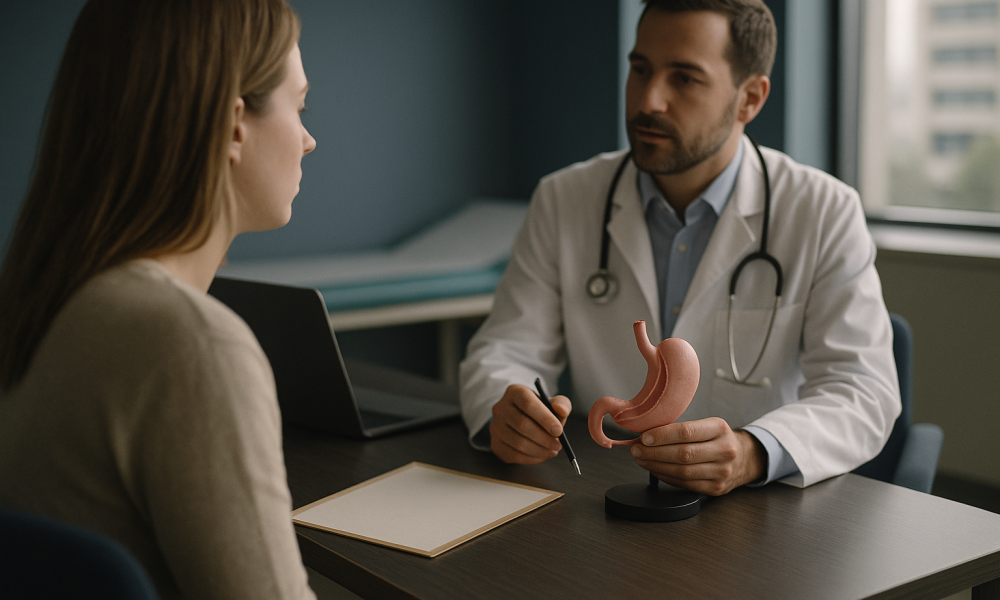
The gastric sleeve, also known as sleeve gastrectomy, is a type of bariatric surgery designed to aid weight loss by reducing the size of the stomach. In this procedure, approximately 75-80% of the stomach is surgically removed, transforming it from a large sac into a narrow tube or “sleeve.” This significant reduction in stomach size limits the amount of food one can consume, thereby promoting weight loss. Additionally, the procedure impacts gut hormones related to hunger and satiety, often resulting in reduced appetite and improved metabolic outcomes.
Gastric sleeve surgery is generally recommended for individuals who are classified as obese, with a Body Mass Index (BMI) of 40 or higher, or those with a BMI of 35 or more who also suffer from obesity-related health conditions, such as type 2 diabetes, hypertension, or sleep apnoea. It is considered a permanent solution and is typically irreversible, unlike some other forms of bariatric surgery.
While the procedure is effective in promoting substantial weight loss, it is not a “quick fix” or a cosmetic surgery. Patients must commit to a lifelong change in diet and lifestyle to ensure the success of the procedure. This includes regular follow-up appointments, nutritional counselling, and possibly psychological support.
In Turkey, gastric sleeve surgery has become increasingly popular due to the combination of skilled surgeons, state-of-the-art facilities, and competitive pricing. Patients considering this option should research thoroughly and consult with healthcare professionals to understand the benefits and risks involved. The typical cost range for gastric sleeve surgery in Turkey is between £3,000 and £5,500, which is often more affordable compared to prices in the UK, Europe, and North America.
Are you a good candidate?
Determining whether you are a suitable candidate for gastric sleeve surgery involves several criteria. The primary consideration is your BMI, but other health factors and lifestyle considerations are also crucial. Here is a checklist to help you assess your candidacy:
- BMI: A BMI of 40 or higher, or a BMI of 35 or higher with obesity-related health issues.
- Age: Generally, candidates should be between 18 and 65 years old. Exceptions may be made based on individual health assessments.
- Health Status: Candidates should be in good enough health to undergo surgery and anaesthesia. Chronic conditions should be well-managed.
- Previous Weight Loss Attempts: You should have a history of unsuccessful weight loss attempts through diet, exercise, or medication.
- Commitment: Willingness to adhere to long-term lifestyle changes, including diet modifications and regular exercise.
- Psychological Readiness: A psychological evaluation may be required to ensure you understand the implications of the surgery and are mentally prepared.
- Non-smoker: Smoking can complicate recovery and is generally discouraged for candidates.
It’s essential to have a thorough consultation with a qualified bariatric surgeon to evaluate your health status and discuss the potential risks and benefits. This evaluation should include a detailed medical history, physical examination, and possibly lab tests. Remember, the decision to undergo gastric sleeve surgery should not be taken lightly. It requires a commitment to a healthier lifestyle and regular medical follow-ups to ensure long-term success.
The procedure, step by step
Undergoing a gastric sleeve procedure in Turkey is a meticulously planned process that involves several stages to ensure patient safety and optimal outcomes. Here is a detailed step-by-step guide of the procedure:
- Pre-operative Assessment: Before the surgery, patients undergo a comprehensive medical evaluation. This includes blood tests, imaging studies like an abdominal ultrasound or CT scan, and consultations with a multidisciplinary team comprising surgeons, dietitians, and anaesthetists. The goal is to assess the patient’s overall health and to identify any potential risks.
- Preparation: Patients are typically advised to follow a specific diet plan for at least two weeks prior to the surgery. This pre-operative diet is usually low in carbohydrates and fats, aimed at reducing liver size to facilitate the surgical procedure.
- Admission to Hospital: On the day of the surgery, patients are admitted to the hospital. They meet with the surgical team to discuss any last-minute questions and undergo final checks.
- Anaesthesia: The procedure is performed under general anaesthesia, ensuring that the patient remains unconscious and pain-free throughout. The anaesthetist carefully monitors vital signs to maintain stability.
- Laparoscopic Surgery: The surgeon makes small incisions in the abdomen to insert a laparoscope, a tiny camera that provides a clear view of the stomach. Using specialised instruments, approximately 75-80% of the stomach is removed, leaving a sleeve-shaped section about the size of a banana.
- Closure and Monitoring: After the sleeve is created, the incisions are closed with sutures or staples. The patient is then moved to a recovery area where their vital signs are closely monitored as they awaken from anaesthesia.
- Post-operative Care: Patients usually spend one to three days in the hospital post-surgery. During this time, they receive pain management, fluids, and guidance on breathing exercises to prevent complications such as pneumonia.
Each step is designed to minimise risks and enhance recovery, with the medical team providing guidance and support throughout the process.
Recovery timeline
The recovery process following a gastric sleeve procedure is crucial for achieving the best possible outcomes. Here is a detailed timeline outlining what patients can expect during their recovery, along with care notes:
| Period | What to expect | Care notes |
|---|---|---|
| Day 1 | Patients may experience discomfort and mild pain, managed with prescribed medication. Nausea and fatigue are common as the body reacts to surgery and anaesthesia. | Focus on deep breathing exercises and gentle walking to promote circulation and reduce the risk of blood clots. Follow medical guidance on fluid intake. |
| Days 2-3 | Discomfort should gradually improve. Patients are encouraged to start moving more, but very gently. Liquid diet is introduced. | Adhere strictly to the prescribed liquid diet plan. Small sips of water and clear fluids are advised. Continue with prescribed pain relief as needed. |
| Weeks 1-2 | Most patients return home. Swelling and bruising around the incision sites may persist. Transition to a pureed diet begins. | Follow dietary guidelines closely to prevent complications. Attend follow-up appointments to monitor progress and discuss any concerns. |
| Weeks 3-4 | Energy levels may start to improve. Patients typically transition to soft foods, with portions being small and frequent. | Introduce new foods gradually, focusing on protein-rich options. Ensure hydration is maintained with regular water intake. |
| Months 1-3 | Patients generally resume most normal activities. Weight loss is noticeable, and any discomfort should be minimal. | Establish a balanced diet and regular exercise routine. Regular follow-ups with healthcare providers are crucial to track progress and nutritional intake. |
| Full Recovery (3-6 months) | By this stage, the majority of patients feel fully recovered. Weight stabilisation occurs, and dietary habits are well established. | Continue with lifestyle changes to maintain weight loss. Ongoing support from dietitians and healthcare providers is recommended to ensure long-term success. |
This recovery timeline is designed to provide a general guide. Individual recovery can vary, and it is essential to follow personalised advice from healthcare providers.
5. What it costs: Turkey vs the UK, Europe and North America
When considering gastric sleeve surgery, understanding the cost implications in different regions is crucial. Turkey has become a popular destination for this procedure, primarily due to its competitive pricing and high-quality healthcare services. In this section, we will compare indicative price ranges for gastric sleeve surgery in Turkey, the UK, Europe, and North America, along with typical inclusions in these packages.
| Region | Indicative Price Range (GBP) | Package Inclusions |
|---|---|---|
| Turkey | £3,000 – £5,500 | Consultation, surgery, hospital stay (2-3 nights), post-op care, local transportation, interpreter services |
| UK | £8,000 – £15,000 | Consultation, surgery, hospital stay (1-2 nights) |
| Europe | £7,000 – £14,000 | Consultation, surgery, hospital stay (1-2 nights) |
| North America | £12,000 – £20,000 | Consultation, surgery, hospital stay (1-2 nights) |
It is important to note that the figures above are indicative and can vary based on the healthcare provider and specific patient needs. In Turkey, the cost of gastric sleeve surgery is significantly lower than in the UK, Europe, and North America. This affordability does not compromise the quality of care, as many Turkish healthcare facilities are accredited by international bodies, ensuring high standards of medical practice.
Turkish healthcare packages often include additional services that are not typically covered in Western countries, such as local transportation and interpreter services. These extras can ease the logistical challenges faced by international patients, making the overall experience more seamless and less stressful.
When evaluating the cost, it’s also essential to consider travel and accommodation expenses. While these are additional costs, the overall expenditure for surgery and travel combined in Turkey often remains lower than the surgery alone in the UK, Europe, or North America. Patients should conduct thorough research and possibly consult with medical tourism facilitators to understand the full scope of costs involved.
6. Risks and how accredited providers manage them
Like any surgical procedure, gastric sleeve surgery carries certain risks. It is crucial for prospective patients to be well-informed about these risks and the measures that accredited providers in Turkey take to mitigate them.
Common risks associated with gastric sleeve surgery include bleeding, infection, blood clots, and leaks in the sleeve. There is also the potential for complications related to anaesthesia. While these risks exist, they are relatively rare, particularly when the surgery is performed by experienced surgeons in accredited facilities.
Accredited healthcare providers in Turkey adhere to strict international standards to minimise these risks. Their commitment to patient safety begins with a thorough pre-operative assessment to ensure that patients are suitable candidates for surgery. This assessment typically involves a comprehensive medical evaluation, including blood tests, imaging studies, and consultations with specialists.
During the surgical procedure, accredited providers utilise advanced medical equipment and adhere to rigorous sterilisation protocols to prevent infection. The surgical teams are often comprised of highly skilled professionals with extensive experience in bariatric surgeries, contributing to a reduction in complication rates.
Post-operative care is another critical aspect where Turkish providers excel. Patients are closely monitored in the days following surgery to detect any early signs of complications. This monitoring typically includes regular checks of vital signs and blood tests. Accredited providers also offer detailed post-operative guidelines to patients, covering dietary changes, physical activity, and follow-up appointments, which are crucial for a successful recovery.
Many Turkish hospitals have obtained accreditations from international organisations such as the Joint Commission International (JCI), which verifies their adherence to global healthcare quality standards. These accreditations are a testament to the high level of care and safety protocols implemented by such institutions.
Ultimately, while no surgery is without risk, choosing an accredited provider in Turkey can significantly mitigate these risks. Patients are encouraged to engage in open discussions with their healthcare providers to fully understand the potential risks and the safety measures in place, ensuring a well-informed decision-making process.
How to choose the right provider
Choosing the right provider for your gastric sleeve surgery in Turkey is crucial to ensure a safe and successful experience. Here are some key factors to consider:
- Accreditation: Ensure the hospital or clinic is accredited by reputable international organisations such as the Joint Commission International (JCI) or the International Organization for Standardization (ISO). These accreditations indicate adherence to high-quality care and safety standards.
- Surgeon Experience: Research the surgeon’s qualifications, training, and experience. Look for a surgeon who specialises in bariatric surgery and has performed a significant number of gastric sleeve procedures. It’s reasonable to expect a qualified surgeon to have completed at least several hundred such operations.
- Aftercare: Comprehensive aftercare is vital for recovery and long-term success. The provider should offer a structured follow-up programme, including dietary counselling, support groups, and regular health check-ups. Verify if these services are included in the package or if they incur additional costs.
- Red Flags: Be wary of clinics that promise unrealistic outcomes, do not provide detailed answers to your questions, or offer prices significantly lower than the typical range of £3,500 to £6,000. Additionally, avoid providers who do not offer clear information about the surgeon’s credentials or lack a transparent process for dealing with post-operative complications.
Thoroughly researching these aspects will help you choose a provider that prioritises patient safety and quality care.
Planning your trip
Proper planning for your gastric sleeve surgery trip to Turkey can make the experience smoother and stress-free. Here’s how to organise your journey:
- Timeline Before Travel: Start your preparations at least three months before your intended surgery date. This time frame allows you to gather all necessary documents, book travel arrangements, and consult with your healthcare provider at home.
- Documents: Ensure your passport is valid for at least six months beyond your travel dates. Obtain a medical visa if required and have all medical records, including any previous surgeries and current medications, translated into Turkish or English. It’s also advisable to have travel insurance that covers medical procedures.
- Length of Stay: Plan to stay in Turkey for at least 7 to 10 days. This duration allows time for pre-operative consultations, the surgery itself, and initial recovery under medical supervision. Some patients may require a longer stay depending on their condition and recovery progress.
- Follow-up at Home: Arrange for post-operative follow-up care with a healthcare provider in your home country. This should include regular check-ups, nutritional counselling, and support group meetings. Your Turkish provider should supply a detailed report of your surgery and recovery plan to share with your local healthcare team.
By considering these steps, you can ensure a well-organised trip that prioritises both your health needs and logistical considerations.
Frequently Asked Questions
What is the typical cost of gastric sleeve surgery in Turkey?
The cost of gastric sleeve surgery in Turkey typically ranges from £3,500 to £6,000. This price often includes the surgery, hospital stay, and initial aftercare. However, it's important to confirm what is included in the package, as some elements such as flights, accommodation, or extended aftercare might incur additional costs.
Is it safe to undergo gastric sleeve surgery in Turkey?
Yes, gastric sleeve surgery in Turkey can be safe, provided you choose a reputable clinic with proper accreditation and experienced surgeons. It's crucial to research the provider's credentials, read patient reviews, and ensure the facility follows international healthcare standards. Always consult with a healthcare provider at home before making your decision.
How long do I need to stay in Turkey after the surgery?
Patients are generally advised to stay in Turkey for about 7 to 10 days post-surgery. This allows time for pre-operative consultations, the surgery itself, and initial recovery under medical supervision. The exact duration may vary based on individual recovery and any potential complications.
What documents are required for medical travel to Turkey?
You'll need a valid passport (with at least six months' validity), possibly a medical visa, and comprehensive medical records. These should include details of any past surgeries, current medications, and recent health assessments. It's also advisable to have travel insurance that covers medical procedures abroad.
How do I verify a surgeon's experience and qualifications?
You can verify a surgeon's experience by researching their professional background, including education, training, and the number of gastric sleeve surgeries they have performed. Reputable clinics often provide this information on their websites, and you can also request it directly from the clinic. Look for affiliations with professional bodies as an indicator of their credibility.
What should I pack for my medical trip to Turkey?
Pack comfortable clothing, personal hygiene items, necessary medications, and all required documents such as your passport and medical records. Consider bringing a notebook to jot down any medical advice and a power adapter suitable for Turkey's electrical outlets. It's also wise to have some local currency for small expenses.
Will I need follow-up care after returning home?
Yes, follow-up care is crucial for monitoring your recovery and adjusting your diet and lifestyle. Arrange regular check-ups with a healthcare provider in your home country. Share your surgery and recovery details with them to ensure continuity of care and receive appropriate dietary and physical activity guidance.
Can I bring a companion with me to Turkey?
Bringing a companion is often recommended, as they can provide emotional support and help with logistics during your recovery. Check with the clinic about accommodation options for visitors and any additional costs involved. Having someone with you can also be reassuring during medical consultations and post-operative care.
Are there any dietary restrictions before the surgery?
Yes, patients are typically advised to follow a specific pre-operative diet to reduce liver size and improve surgical outcomes. This usually involves a low-calorie, high-protein diet for about two weeks before the surgery. Your clinic will provide detailed dietary guidelines tailored to your needs.
What are the potential risks of gastric sleeve surgery?
As with any surgery, gastric sleeve surgery carries risks such as infection, bleeding, and adverse reactions to anaesthesia. Long-term risks may include nutritional deficiencies and gastroesophageal reflux. Discuss these risks thoroughly with your surgeon and ensure they have protocols in place to manage any complications.
How soon can I return to work after the surgery?
Recovery time varies, but most patients can return to non-physical work within two to four weeks post-surgery. If your job involves physical activity, you may need a longer recovery period. It's essential to follow your surgeon's advice on when to resume work and other daily activities to ensure a safe recovery.
Are payment plans available for gastric sleeve surgery in Turkey?
Some clinics offer payment plans or financing options to help manage the cost of surgery. It's important to discuss these options directly with your chosen provider to understand the terms, interest rates, and any additional fees involved. Ensure that the payment plan fits comfortably within your budget.