
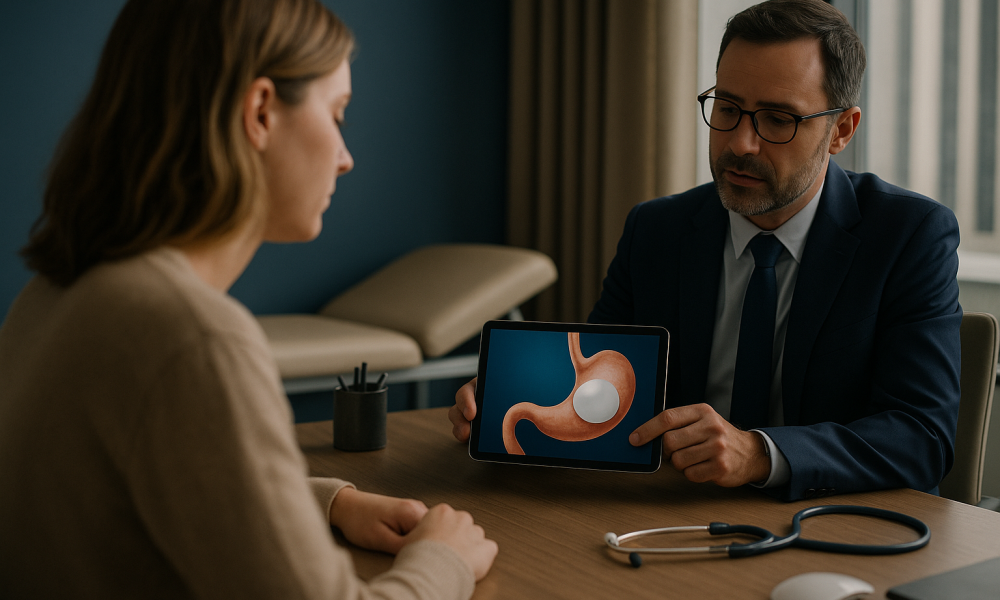
What Swallowable Gastric Balloon is and who it is for
The swallowable gastric balloon is a non-invasive weight loss procedure that involves swallowing a capsule containing a deflated balloon. Once the capsule reaches the stomach, the balloon is filled with a saline solution through a thin catheter, which is then removed. This balloon partially fills the stomach, leading to a feeling of fullness after smaller meals, thereby aiding in weight loss. It is typically designed to remain in the stomach for about four months before naturally deflating and passing through the digestive system.
This procedure is suitable for individuals who are struggling with obesity and have not achieved desired weight loss through traditional methods such as diet and exercise alone. It is intended for adults with a body mass index (BMI) of 27 and above, who are seeking a temporary, non-surgical solution to kickstart their weight loss journey.
The swallowable gastric balloon is particularly appealing to those who prefer a less invasive approach compared to surgical weight loss options, such as gastric bypass or sleeve gastrectomy. It does not require anaesthesia or endoscopic procedures, which significantly reduces the associated risks and recovery time. This makes it an attractive option for busy individuals who cannot afford lengthy downtimes.
Moreover, the procedure can be a viable option for those who are not eligible for or are apprehensive about surgical interventions. By promoting portion control and encouraging lifestyle changes, it can serve as a catalyst for long-term weight management. However, it is important to note that the swallowable gastric balloon is not a standalone solution. Success largely depends on the patient’s commitment to adopting healthier eating habits and engaging in regular physical activity.
In Turkey, the swallowable gastric balloon has become a popular choice for international patients due to the high standard of medical care and competitive pricing. Many clinics offer comprehensive packages that include pre-procedure consultations, dietary guidance, and follow-up support, ensuring that patients are well-supported throughout their weight loss journey.
Are you a good candidate?
Determining whether you are a suitable candidate for the swallowable gastric balloon involves assessing several factors related to your health, weight loss goals, and personal preferences. While the procedure is relatively accessible, it is not appropriate for everyone, and thorough evaluation by a healthcare professional is essential.
Here is a checklist to help you determine if you might be a good candidate:
- BMI Requirement: Your body mass index (BMI) should be 27 or higher. This threshold indicates that you are overweight or obese, making you eligible for this weight loss intervention.
- Age Criteria: You should be between 18 and 65 years of age. Younger or older individuals may require alternative weight management solutions.
- Previous Weight Loss Attempts: You should have attempted to lose weight through diet and exercise without significant success. The balloon is designed to aid those who struggle with conventional methods.
- Non-Surgical Preference: If you are looking for a non-surgical weight loss option and are apprehensive about surgical procedures, the swallowable gastric balloon could be suitable.
- Health Status: You should be in good overall health without any contraindications for the procedure, such as gastrointestinal disorders or previous stomach surgeries that might interfere with balloon placement.
- Commitment to Lifestyle Changes: You must be willing to adhere to dietary recommendations and engage in regular physical activity. The balloon is a tool to support lifestyle changes, not a cure-all solution.
- Understanding of Temporary Nature: You should understand that the balloon is a temporary aid and be prepared for its removal after approximately four months.
Before proceeding, it is crucial to consult with a qualified healthcare provider who can assess your individual circumstances and discuss the potential benefits and risks. They will also help you understand the necessary lifestyle modifications required to maximize the effectiveness of the swallowable gastric balloon.
The procedure, step by step
The swallowable gastric balloon procedure is a non-invasive method designed to assist with weight loss by limiting food intake and promoting a feeling of fullness. This procedure is typically completed in under 20 minutes and does not require sedation or anaesthesia, making it an attractive option for those looking for minimal disruption to their daily routine. Below is a detailed step-by-step guide to what patients can expect during the procedure:
- Initial Consultation: Before the procedure, patients will have a consultation with a healthcare provider to assess their suitability for the treatment. This includes a review of medical history, current health status, and weight loss goals. The consultation may be conducted in person or virtually, depending on the patient’s location and preferences.
- Preparation: On the day of the procedure, patients are advised to fast for at least 8 hours prior to their appointment. This ensures that the stomach is empty and ready for the balloon placement. Patients are encouraged to wear comfortable clothing and bring any necessary documentation.
- Swallowing the Capsule: The procedure begins with the patient swallowing a capsule containing the deflated balloon. The capsule is attached to a thin catheter, which remains outside the mouth while the capsule travels down the oesophagus to the stomach.
- Balloon Inflation: Once the capsule reaches the stomach, an X-ray or ultrasound is used to confirm its position. The healthcare provider will then inflate the balloon by filling it with a saline solution through the catheter. The inflation process takes approximately 10 minutes, and the balloon expands to occupy space in the stomach, which helps to reduce food intake.
- Catheter Removal: After the balloon is inflated to the desired size, the catheter is gently removed from the mouth. This step is quick and painless, and the balloon remains in the stomach for the duration of the treatment period.
- Post-Procedure Monitoring: Patients are monitored for a short period following the procedure to ensure there are no immediate adverse reactions. They are then provided with detailed aftercare instructions and dietary guidelines to follow during the treatment period.
The swallowable gastric balloon is designed to remain in the stomach for approximately 16 weeks, after which it will naturally deflate and pass through the digestive system. Patients are encouraged to maintain regular follow-up appointments to monitor progress and address any concerns.
Recovery timeline
Recovery from a swallowable gastric balloon procedure involves adjusting to the presence of the balloon and adopting new dietary habits. The following table outlines the expected recovery timeline from day 1 to full recovery:
| Period | What to expect | Care notes |
|---|---|---|
| Day 1 | Patients may experience mild discomfort, nausea, or bloating as the stomach adjusts to the balloon. | Rest is recommended. Small sips of water can help alleviate nausea. Over-the-counter anti-nausea medication may be advised. |
| Days 2-3 | Discomfort typically begins to subside. Patients may continue to feel full more quickly when eating. | Gradually reintroduce light, soft foods. Continue to stay hydrated and avoid heavy meals. |
| Week 1 | Most patients report feeling more comfortable. The sensation of fullness becomes more consistent. | Follow dietary guidelines provided by the healthcare provider. Engage in light physical activity as tolerated. |
| Weeks 2-4 | The body adjusts further to the balloon. Any initial side effects are typically resolved. | Adhere to a balanced diet. Attend follow-up appointments to monitor progress and receive dietary advice. |
| Month 3 | Patients often notice significant changes in eating habits and weight loss. | Continue following a healthy lifestyle. Address any concerns with a healthcare provider. |
| Month 4 (Balloon Removal) | The balloon naturally deflates and passes through the digestive system. No additional procedure is required. | Maintain dietary habits established during treatment. Schedule a final follow-up to discuss long-term weight management strategies. |
It is important for patients to adhere to the dietary and lifestyle recommendations provided by their healthcare team to maximise the benefits of the treatment. Regular follow-up appointments are crucial for monitoring progress and making necessary adjustments to the treatment plan.
What it costs: Turkey vs the UK, Europe and North America
When considering a swallowable gastric balloon procedure, it’s crucial to understand the cost differences between regions. The cost of this procedure can vary significantly depending on the country, the clinic’s reputation, and the package inclusions. In Turkey, the procedure is generally more affordable compared to the UK, other parts of Europe, and North America, making it an attractive option for international patients.
The following table provides indicative price ranges for the swallowable gastric balloon procedure across these regions. Please note that these figures are indicative and can vary based on the specific clinic, surgeon experience, and additional services included in the package.
| Region | Indicative Price Range (GBP) | Typical Package Inclusions |
|---|---|---|
| Turkey | £2,000 – £3,500 | Initial consultation, procedure, follow-up appointments, dietary consultation, accommodation, and airport transfers |
| UK | £4,000 – £6,500 | Initial consultation, procedure, follow-up appointments, dietary support |
| Europe | £3,500 – £6,000 | Initial consultation, procedure, follow-up appointments, dietary consultation |
| North America | £5,000 – £8,000 | Initial consultation, procedure, follow-up appointments |
In Turkey, the affordability is often attributed to lower operational costs, including labour and infrastructure, without compromising the quality of care. Many Turkish clinics offer comprehensive packages that include not only the procedure itself but also accommodation, airport transfers, and sometimes even guided tours, adding to the overall value for international patients.
In contrast, clinics in the UK and North America typically offer fewer package inclusions, focusing primarily on the medical aspects of the procedure. As a result, patients might incur additional expenses for accommodation and travel, which are often covered in Turkish packages.
When assessing costs, it’s important to factor in not only the price of the procedure but also the quality of care, the expertise of the medical team, and the level of post-operative support provided. Patients should conduct thorough research and consult with multiple providers to ensure they receive the best possible care within their budget.
Risks and how accredited providers manage them
Like any medical procedure, the swallowable gastric balloon comes with potential risks and complications. However, accredited providers in Turkey are well-equipped to manage these risks effectively, ensuring patient safety and optimal outcomes.
Common risks associated with the swallowable gastric balloon include nausea, vomiting, abdominal discomfort, and in rare cases, balloon deflation or migration. These symptoms are typically mild and resolve within a few days as the body adjusts to the presence of the balloon. Accredited providers in Turkey employ experienced healthcare professionals who are trained to address these symptoms promptly through medication and dietary adjustments.
- Nausea and Vomiting: These are the most frequently reported side effects. Providers often prescribe anti-nausea medication to alleviate these symptoms. Patients are also given dietary guidelines to help their bodies acclimate to the balloon.
- Abdominal Discomfort: Mild discomfort is common initially. Clinics provide pain management strategies and dietary advice to minimise discomfort.
- Balloon Deflation or Migration: Although rare, this risk exists. Accredited clinics use high-quality, FDA-approved balloons to reduce the likelihood of such occurrences. Regular follow-up appointments are scheduled to monitor the balloon’s condition and ensure it remains in the correct position.
Accredited providers in Turkey adhere to international healthcare standards and guidelines. They maintain state-of-the-art facilities and ensure that all procedures are conducted by qualified and experienced medical professionals. Additionally, these clinics offer comprehensive pre- and post-procedure care. This includes thorough pre-operative assessments to determine patient eligibility and post-operative monitoring to address any complications promptly.
Patient education is a critical component of risk management. Accredited clinics provide detailed information on what patients can expect before, during, and after the procedure. They offer 24/7 support, allowing patients to reach out with any concerns or questions. This continuous support helps mitigate risks and ensures that any issues are addressed swiftly.
Furthermore, these clinics often have partnerships with local hospitals to provide immediate medical attention if complications arise, ensuring that patients receive the necessary care without delay. This integrated approach to healthcare delivery underscores the commitment of Turkish providers to patient safety and satisfaction.
How to choose the right provider
Choosing the right provider for your swallowable gastric balloon procedure in Turkey is crucial for ensuring a safe and effective experience. Start by considering the accreditation of the facility. Look for clinics that are accredited by international bodies such as the Joint Commission International (JCI) or the International Organization for Standardization (ISO). These accreditations ensure adherence to rigorous international healthcare standards.
Equally important is the experience of the surgeon. Research the surgeon’s qualifications, years of practice, and specific experience with swallowable gastric balloon procedures. Ideally, the surgeon should have performed this procedure numerous times. Request information about their success rates and patient outcomes, but remember these figures are indicative and not guarantees.
Aftercare is another critical component. A reputable provider will offer comprehensive aftercare programmes, including dietary consultations and psychological support, both of which are essential for long-term success. Ensure the clinic provides a clear plan for follow-up appointments and remote consultations once you return home.
When assessing potential providers, be vigilant about red flags. Avoid clinics that offer unrealistically low prices, as this may indicate compromises in quality or hidden costs. Be wary of providers who guarantee specific outcomes or use high-pressure sales tactics. Instead, choose clinics that offer transparent pricing structures and realistic expectations.
Finally, consider patient reviews and testimonials. While these are subjective, they can offer insights into patient satisfaction and the quality of care provided. Look for consistent feedback about the professionalism of the staff, the cleanliness of the facility, and the attentiveness of the medical team. All these factors contribute to a positive treatment experience and successful outcome.
Planning your trip
When planning your trip for a swallowable gastric balloon procedure in Turkey, a detailed timeline is essential. Start by scheduling your initial consultation with the chosen provider. This can typically be done via video call two to three months before your intended travel date. Use this time to gather all necessary medical documents, including recent medical history, current medications, and any previous surgical records.
As your travel date approaches, ensure your passport is valid for at least six months beyond your stay. Check if a visa is necessary, as this will vary depending on your country of origin. Travel insurance that covers medical procedures abroad is highly recommended.
Plan to arrive in Turkey at least two days before your procedure to accommodate pre-operative assessments and consultations. The typical length of stay for this procedure is around five to seven days, allowing time for recovery and initial follow-up. During this period, you’ll undergo dietary consultations and post-operative evaluations.
Arrange for transportation and accommodation in advance. Many clinics offer package deals that include airport transfers and hotel stays, often at a discounted rate. Verify these details with your provider to ensure they meet your needs.
Upon returning home, it’s crucial to have a follow-up plan with your local healthcare provider. Schedule regular check-ups to monitor your progress and address any concerns. Remote consultations with your Turkish surgeon or dietitian may also be available, providing continuity of care.
Finally, be prepared for the lifestyle changes that accompany the procedure. This includes adhering to dietary guidelines and engaging in regular physical activity. Proper planning and support will help maximise the benefits of your gastric balloon treatment.
Frequently Asked Questions
What is the typical cost of a swallowable gastric balloon procedure in Turkey?
The cost of a swallowable gastric balloon procedure in Turkey typically ranges from £2,500 to £3,500. This price often includes the procedure itself, initial consultations, and some aftercare services. It's important to confirm what is included in the price with your provider to avoid unexpected expenses.
Are there any risks associated with the swallowable gastric balloon?
While the swallowable gastric balloon is considered a minimally invasive procedure, it does carry some risks. Potential complications include nausea, vomiting, abdominal discomfort, and balloon deflation or migration. Serious complications are rare but can include bowel obstruction. It's important to discuss all potential risks with your healthcare provider before proceeding.
How long does the gastric balloon stay in the stomach?
The swallowable gastric balloon is designed to stay in the stomach for approximately 16 weeks. After this period, the balloon naturally deflates and is passed through the digestive system. Follow-up care is essential to ensure the process is completed safely.
What qualifications should I look for in a surgeon?
When selecting a surgeon for your gastric balloon procedure, ensure they are board-certified and have extensive experience with this specific treatment. Look for a surgeon who has performed numerous successful procedures and can provide patient testimonials or outcomes. Accreditation by international healthcare bodies is also a significant credential.
Will I need to follow a special diet after the procedure?
Yes, following a specific dietary plan is crucial after the procedure. Initially, a liquid diet is recommended, gradually transitioning to soft foods and then regular meals. A dietitian will guide you through this process to ensure you meet your nutritional needs while maximising weight loss results.
How soon can I return to regular activities after the procedure?
Most patients can return to normal activities within a few days after the procedure. However, it's advisable to avoid strenuous exercise for at least two weeks. Your healthcare provider will give you a personalised recovery plan based on your specific circumstances.
Do I need to have any tests before the procedure?
Yes, pre-procedural assessments typically include a comprehensive medical evaluation, blood tests, and sometimes an upper gastrointestinal endoscopy. These tests ensure that you are a suitable candidate for the procedure and help identify any potential risks.
Is the swallowable gastric balloon covered by insurance?
Insurance coverage for the swallowable gastric balloon varies by provider and policy. In many cases, it may not be covered as it is often considered an elective procedure. It's essential to check with your insurance provider to understand your coverage options.
How effective is the swallowable gastric balloon for weight loss?
The swallowable gastric balloon can be effective for weight loss, with patients typically losing 10-15% of their total body weight over the balloon's 16-week period. However, individual results vary based on adherence to dietary and lifestyle changes. It should be seen as a tool to aid weight loss rather than a standalone solution.
What kind of aftercare is provided once I return home?
Aftercare varies by provider, but typically includes dietary guidance, psychological support, and regular follow-up appointments. Some clinics offer remote consultations with dietitians or the surgical team to ensure continuity of care after you return home.
Can I travel alone for the procedure, or should someone accompany me?
While it's possible to travel alone, having a companion can be beneficial for support during recovery. They can assist with transportation, ensure you're comfortable, and help communicate with medical staff if needed. It's a personal decision based on your comfort level and needs.
What should I do if I experience complications once back home?
If you experience complications after returning home, contact your local healthcare provider immediately. It's also advisable to inform your Turkish surgeon about any issues, as they might offer guidance or coordinate care with local professionals. Prompt attention to complications ensures better outcomes.