

Attracting and converting international patients requires generating quality medical leads. By leveraging advanced digital marketing strategies and operational efficiencies, hospitals and clinics can enhance their global outreach and patient acquisition.
What Are Medical Leads and Why Are They Important?
Medical leads are individuals who have expressed an interest in healthcare services and are potential patients for medical facilities. These leads are crucial, especially for hospitals looking to attract an international clientele. By focusing on generating high-quality leads, healthcare providers can not only optimize their marketing expenditures but also improve their conversion rates, turning prospective interests into actual patient visits.
Understanding what constitutes a quality lead is vital to the success of any healthcare provider. A quality lead is typically characterized by a high likelihood of conversion, meaning these prospective patients are actively seeking medical services and are ready to engage with healthcare providers. This is where targeted medical digital marketing and search engine optimization (SEO) play crucial roles. Ensuring that the right audience is reached through precise targeting can significantly enhance the effectiveness of marketing efforts.
Effective strategies include leveraging patient data to tailor marketing messages to specific demographics and using analytics to track which channels provide the best return on investment (ROI). For instance, a hospital could analyze patient inquiries to discover that a significant portion of interest comes from a specific region or demographic. Armed with this information, marketing efforts can be refined to focus on these areas, maximizing the potential for conversion and ensuring that resources are allocated efficiently.
How Can Marketing Research Improve Medical Tourism Prospects?
Marketing research serves as the foundation for successful medical tourism strategies by providing insights into market trends, patient demographics, and effective communication channels. Comprehensive research enables healthcare providers to tailor their services and marketing strategies to meet the specific needs and preferences of international patients more effectively. This involves conducting surveys and focus groups to gather data on patient preferences, as well as analyzing competitor offerings to identify gaps in the market that can be addressed.
By identifying target markets and understanding the competitive landscape, healthcare providers can develop specialized services and packages that appeal to specific demographics. For instance, hospitals might find through research that patients from certain countries prefer minimally invasive procedures or require specific post-operative care, leading to the development of tailored service offerings. Additionally, understanding seasonal trends in medical tourism can help facilities better prepare for fluctuations in patient volume, ensuring that resources are managed efficiently throughout the year.
Furthermore, marketing research helps in understanding the cultural nuances that might affect patient decisions. For example, the perception of healthcare quality can vary significantly from one country to another, and understanding these perceptions can help in crafting marketing messages that resonate well with the target audience. Leveraging this data allows hospitals to create more compelling value propositions that not only attract but also retain international patients, fostering long-term relationships and facilitating word-of-mouth referrals.
How to Market Medical Tourism Effectively?
Marketing medical tourism effectively requires a well-rounded approach that integrates multiple digital and traditional marketing strategies. One of the primary methods is building a robust online presence through medical website SEO and engaging content that resonates with potential patients. Collaborating with experienced medical SEO companies can greatly enhance visibility in search engines, making it easier for patients to discover relevant services. It’s advisable for healthcare providers to focus on keywords that are most relevant to their specialties and regions, ensuring that their online content is easily accessible to the right audience.
Social media platforms are also critical in the marketing of medical tourism. They provide a direct channel of communication with potential patients, allowing healthcare providers to showcase their expertise, state-of-the-art facilities, and patient success stories. Utilizing platforms like Facebook, Instagram, and LinkedIn enables hospitals to engage with a global audience, foster trust, and demonstrate credibility. Regularly updating these platforms with new content, such as patient testimonials and behind-the-scenes looks at healthcare processes, can keep potential patients engaged and informed.
Moreover, participating in international healthcare exhibitions and forming partnerships with travel agencies can further expand reach. These activities help in building a network of referrals and collaborations that can drive patient inquiries. By integrating these platforms and strategies into a comprehensive digital marketing plan, healthcare providers can significantly boost their reach and attract a diverse patient base from around the world. Healthcare providers should also consider leveraging email marketing to maintain contact with prospective patients, providing them with valuable information and updates on available services and promotions.
Setting Up a Medical Tourism Agency: Key Considerations
Establishing a medical tourism agency involves strategic planning and a thorough understanding of the healthcare landscape. One of the first steps is identifying the core services to offer, which can range from facilitating medical appointments to providing full-service travel coordination. Understanding the legal and regulatory requirements in both the host and home countries is also crucial, as compliance with healthcare regulations is essential to operating a successful agency. This includes obtaining the necessary certifications and licenses to operate legally and ensuring that all medical procedures offered meet international safety and quality standards.
Building partnerships with reputable healthcare providers is another key consideration. Agencies must vet potential partners to ensure that they offer high-quality medical services and adhere to international standards. In countries like India, where the medical tourism sector is rapidly growing, agencies can capitalize on this trend by establishing a robust network of partner hospitals and clinics that provide a wide range of specialties. Creating agreements that outline service expectations, pricing, and patient referral processes can help ensure smooth collaborations and enhance the patient experience.
Furthermore, agencies should focus on creating a seamless experience for patients, from initial inquiry to follow-up care. This includes setting up efficient communication channels, such as medical call centers, that can handle patient inquiries and provide personalized assistance. By ensuring that all aspects of the patient journey are well-coordinated, agencies can enhance patient satisfaction and build a positive reputation in the industry. Offering additional services such as accommodation booking, visa assistance, and language interpretation can further enhance the patient experience and differentiate the agency from competitors.
Understanding Medical Tourism Marketing
Medical tourism marketing involves promoting healthcare services to an international audience, and it is distinct from traditional healthcare marketing due to its focus on cross-border patient acquisition. Effective strategies include digital campaigns, partnerships with travel agencies, and participation in international healthcare exhibitions. By leveraging these avenues, healthcare providers can tap into a global market, reaching potential patients who are actively seeking medical services abroad.
A successful medical tourism marketing plan should incorporate insights from medical SEO specialists to enhance online visibility and attract a global audience. This ensures that marketing efforts are targeted and effective, ultimately leading to increased patient inflow and higher ROI. SEO strategies should focus on optimizing content for search engines in various languages, ensuring that the information is accessible to non-native speakers and tailored to the cultural preferences of different regions.
In addition to digital marketing strategies, traditional marketing methods such as print advertising in travel and lifestyle magazines can also be effective. These publications often reach affluent audiences who are more likely to consider traveling for medical care. By diversifying marketing efforts across multiple channels, healthcare providers can reach a broader audience and increase their chances of attracting international patients. Developing strategic partnerships with airlines and hotel chains to offer travel packages can also be a valuable marketing tactic, providing potential patients with convenient and cost-effective solutions for their medical travel needs.
Leveraging Medical Digital Marketing for Lead Generation
Medical digital marketing is a powerful tool for generating leads in the healthcare industry. It encompasses a variety of strategies, including search engine optimization (SEO), content marketing, and pay-per-click (PPC) advertising. These methods help healthcare providers reach a wider audience and attract potential patients who are actively seeking medical services. By utilizing these approaches, medical facilities can position themselves as leaders in their field and create lasting relationships with prospective patients.
Partnering with experienced medical digital marketing agencies can be highly beneficial for hospitals and clinics. These agencies provide expertise in crafting targeted campaigns that resonate with international audiences and drive high-quality traffic to medical websites. For example, a PPC campaign targeting specific medical procedures can attract patients who are interested in those services, increasing the likelihood of conversion. Additionally, remarketing strategies can be employed to re-engage visitors who have previously shown interest in medical services but have not yet converted.
Moreover, content marketing strategies such as blogs, videos, and patient testimonials can build trust and establish authority in the healthcare field. By providing valuable and informative content, healthcare providers can engage potential patients and encourage them to take the next step in their healthcare journey. This approach not only generates leads but also fosters long-term relationships with patients, enhancing the overall success of the marketing efforts. Creating educational content that addresses common patient concerns and questions can also help position the healthcare provider as a trusted resource and thought leader in the industry.
How Do Medical Call Centers Enhance Patient Conversion?
Medical call centers play a pivotal role in the conversion of leads into actual patients. They serve as a direct communication channel where potential patients can have their queries addressed and receive personalized assistance. The efficiency and effectiveness of these call centers are crucial in building trust and facilitating the decision-making process for international patients. By providing timely and accurate information, call centers can significantly influence a patient’s decision to choose a particular healthcare provider.
These centers should be equipped with multilingual staff who have a deep understanding of the healthcare services offered. This ensures that they can effectively communicate with patients from diverse backgrounds and provide accurate, culturally sensitive information. By doing so, call centers enhance the overall patient experience, making it easier for patients to choose the right healthcare provider. Providing training programs for call center staff on cultural competency and customer service can further improve communication and patient satisfaction.
Moreover, call centers can use customer relationship management (CRM) systems to track patient interactions and follow-up on inquiries. This allows for a more personalized approach to patient engagement, increasing the likelihood of conversion. By maintaining a high standard of service and ensuring quick, accurate responses to patient inquiries, medical call centers can significantly boost conversion rates and contribute to the success of healthcare providers in the competitive medical tourism industry. Implementing automated systems for appointment scheduling and reminders can also streamline processes and enhance the patient experience, reducing the likelihood of missed appointments and improving overall satisfaction.
Conclusion: Optimising Strategies for Success
Generating quality medical leads is a multifaceted process that requires strategic planning and execution. By employing advanced marketing research, digital strategies, and efficient call center operations, healthcare providers can enhance their international patient acquisition efforts. The integration of these elements allows for the development of comprehensive marketing plans that are both effective and adaptable to the ever-changing landscape of medical tourism.
As the medical tourism industry continues to grow, staying ahead of trends and adapting to new technologies will be crucial for success. Healthcare providers must remain agile and continually refine their approaches to meet the evolving needs of international patients. This involves not only keeping up with technological advancements but also understanding the cultural and demographic shifts that influence patient decisions. By embracing innovation and maintaining a patient-centered approach, healthcare providers can position themselves competitively in the global market.
Ultimately, the key to success in generating medical leads lies in a comprehensive understanding of the target audience and the ability to deliver tailored, high-quality services that meet their unique needs. By focusing on these core elements, healthcare providers can optimize their strategies, improve patient satisfaction, and achieve sustainable growth in the ever-evolving field of medical tourism. Continuous evaluation and adjustment of marketing efforts will ensure that healthcare providers remain responsive to the needs of their audience, fostering long-term relationships and achieving lasting success in the industry.
Proven result
23× monthly patients from the UK market in six years
Multi-specialty medical travel company (hair, plastic & bariatric surgery)
Frequently asked questions
How can marketing research improve the prospects of medical tourism?
Marketing research helps identify target markets, understand patient demographics, and optimise communication strategies, thereby enhancing medical tourism prospects.
How to market medical tourism effectively?
Effective marketing involves a strong online presence, engaging content, and collaboration with medical SEO companies to reach and convert international patients.
What is medical tourism marketing?
Medical tourism marketing is the promotion of healthcare services to an international audience, focusing on cross-border patient acquisition.
How to set up a medical tourism agency in India?
To set up an agency in India, understand the healthcare landscape, legal requirements, and build partnerships with reputable providers and medical call centers.
Related guides
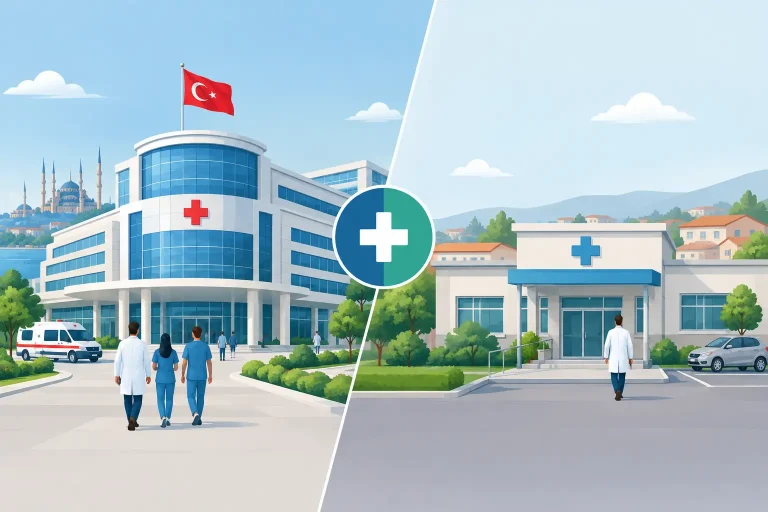
Turkey Hospitals vs Local Hospitals Compared
A lower procedure quote can get a patient’s attention. It should not make the decision on its own.…

Patient Experience That Drives Trust and Growth
A patient who has already uploaded medical records, compared providers, and arranged time away from work is not…

What Is a Medical Travel Facilitator and Why Use One?
A lower treatment quote can look compelling until you try to compare what it actually includes: surgeon fees,…