
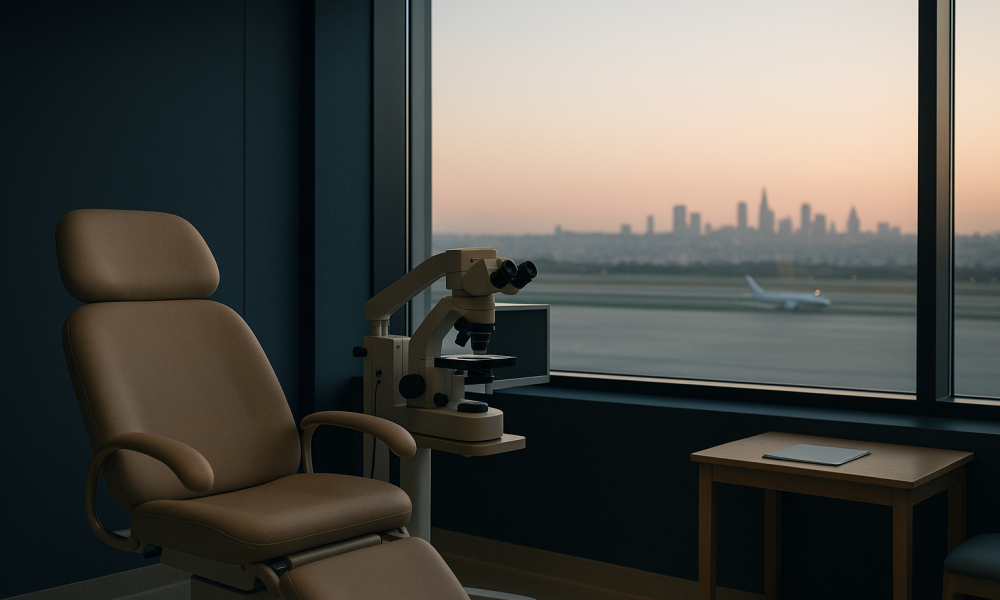
What Micro-TESE is and who it is for
Micro-TESE, or Microsurgical Testicular Sperm Extraction, is an advanced surgical procedure designed for the extraction of sperm from the testicular tissue of men diagnosed with non-obstructive azoospermia (NOA). NOA is a condition in which a man has no sperm in his ejaculate due to a failure in sperm production. This procedure represents a beacon of hope for those facing severe male infertility issues, particularly when conventional sperm retrieval methods have proven unsuccessful.
The process involves a microscopic surgical approach to locate and extract viable sperm directly from the seminiferous tubules within the testes. The use of a high-powered surgical microscope allows the surgeon to identify the areas of the testes with the highest likelihood of containing sperm, significantly improving the chances of successful retrieval. This meticulous method reduces tissue damage and increases the likelihood of finding sperm even in the most challenging cases.
Micro-TESE is primarily indicated for men who have been diagnosed with NOA, which affects approximately 10-15% of infertile men. It is particularly beneficial for those who have undergone genetic testing and have been found to carry conditions such as Klinefelter syndrome or Y chromosome microdeletions, which are known to impact sperm production. Additionally, it may be considered for men who have had unsuccessful attempts with other sperm retrieval techniques, such as testicular sperm aspiration (TESA) or percutaneous epididymal sperm aspiration (PESA).
In Turkey, Micro-TESE is performed by highly skilled urologists and reproductive specialists, often within modern, well-equipped facilities. The country has gained recognition for its medical expertise and affordability, making it an attractive destination for medical tourists seeking fertility treatments. Patients can expect a comprehensive approach that includes pre-operative evaluations, genetic counseling, and post-operative care.
Are you a good candidate?
Determining whether you are a suitable candidate for Micro-TESE involves a thorough evaluation by a fertility specialist. The procedure is not universally applicable to all cases of male infertility, and specific criteria must be met to ensure the best possible outcomes. Below is a checklist to help identify if you might be a good candidate for Micro-TESE:
- Diagnosis of Non-Obstructive Azoospermia (NOA): You must have a confirmed diagnosis of NOA, where there is no sperm in your ejaculate due to production issues rather than blockages.
- Previous Failed Sperm Retrievals: If you have undergone other sperm retrieval methods such as TESA or PESA without success, Micro-TESE may be considered as a more precise alternative.
- Genetic Evaluation: Genetic testing may reveal conditions such as Klinefelter syndrome or Y chromosome microdeletions, which can impact sperm production and inform the decision to proceed with Micro-TESE.
- Overall Health Assessment: A comprehensive health evaluation to rule out any medical conditions that may pose risks during surgery, such as bleeding disorders or severe cardiovascular issues.
- Commitment to Assisted Reproductive Technologies (ART): Since Micro-TESE is often followed by in vitro fertilisation (IVF) or intracytoplasmic sperm injection (ICSI), you should be prepared for the additional steps involved in these fertility treatments.
- Partner’s Fertility Status: Your partner should undergo a fertility assessment to ensure that female factors are also addressed, maximizing the chances of conception.
In Turkey, the candidacy evaluation process is typically thorough and involves collaboration between urologists, geneticists, and reproductive endocrinologists. This multi-disciplinary approach helps ensure that all potential factors are considered, and the most appropriate treatment plan is developed. By choosing a reputable clinic with experienced specialists, you can be confident in receiving a tailored evaluation and treatment that aligns with your specific needs and circumstances.
The procedure, step by step
Microdissection Testicular Sperm Extraction (Micro-TESE) is a meticulous procedure designed to retrieve sperm directly from the testicular tissue of men with non-obstructive azoospermia. This section outlines the process in detail to provide prospective patients with a thorough understanding of what to expect.
- Pre-operative Consultation: Before the procedure, patients undergo a thorough consultation with a urologist. This session typically involves a review of the patient’s medical history, previous fertility treatments, and any relevant test results. It is also an opportunity to discuss the procedure’s potential outcomes and risks.
- Anaesthesia: Micro-TESE is generally performed under general anaesthesia to ensure patient comfort. In some cases, local anaesthesia with sedation may be used, depending on the patient’s health and preferences. The anaesthesia will be administered by a certified anaesthetist who monitors the patient throughout the procedure.
- Microsurgical Incision: A small incision, usually about 2-3 cm, is made in the scrotum to access the testicle. The surgeon uses an operating microscope to examine the testicular tissue. This high magnification allows for precise identification of seminiferous tubules, which are more likely to contain sperm.
- Sperm Retrieval: Once the suitable tubules are identified, small samples of testicular tissue are carefully extracted. The extracted tissue is then processed in a laboratory to isolate and identify viable sperm cells. This step is crucial, as the success of subsequent treatments like Intra-Cytoplasmic Sperm Injection (ICSI) depends on the quality of sperm retrieved.
- Closure and Recovery: After the tissue samples are collected, the incision is closed using dissolvable stitches. This minimizes the need for suture removal and promotes healing. A sterile dressing is applied to protect the area, and the patient is moved to a recovery room for monitoring as the effects of anaesthesia wear off.
- Post-operative Care: Before discharge, patients receive instructions on post-operative care, including advice on managing discomfort, reducing swelling, and monitoring for signs of infection. Patients are usually able to go home the same day, but they should arrange for someone to drive them, as they may still be under the influence of anaesthesia.
Micro-TESE is a complex procedure requiring skill and precision. Understanding each step can help alleviate anxiety and prepare patients for what is involved, ensuring they are well-informed and confident in their decision to undergo the procedure in Turkey.
Recovery timeline
Understanding the recovery timeline for Micro-TESE is crucial for planning your trip and managing expectations post-procedure. Below is a detailed table covering the recovery period from the immediate aftermath through to full recovery.
| Period | What to Expect | Care Notes |
|---|---|---|
| Day 1 (Procedure Day) | Patients typically experience grogginess as anaesthesia wears off. Some swelling and mild discomfort in the scrotal area are common. | Rest is essential. Apply ice packs to reduce swelling. Pain relief medication may be prescribed. |
| Day 2-3 | Discomfort may persist but should be manageable. Swelling and bruising in the area may increase slightly. | Continue using ice packs. Avoid strenuous activity. Wear supportive underwear to minimise movement. |
| Week 1 | Most swelling should begin to subside. Patients can typically resume light activities. | Avoid heavy lifting and intense exercise. Keep the incision area clean and dry. |
| Week 2 | Stitches usually dissolve by this time. Bruising and swelling should be minimal. | Follow up with your doctor to assess healing. Continue to avoid intense physical activity. |
| Week 3-4 | Patients often feel fully recovered, although some may experience residual sensitivity. | Gradual return to normal activities is typically advised. Ensure any discomfort is discussed with a healthcare provider. |
| Full Recovery (4-6 weeks) | Complete return to pre-procedure activity levels. Any residual discomfort should resolve. | Final follow-up with your doctor to ensure full recovery. Discuss any concerns or ongoing symptoms. |
Recovery times can vary based on individual health factors and adherence to post-operative care instructions. Communicate with your healthcare provider throughout the recovery process to address any concerns promptly.
What it costs: Turkey vs Europe
When considering micro-TESE (Microdissection Testicular Sperm Extraction) as a treatment option, cost is a significant factor for many patients. Turkey has emerged as a popular destination for this procedure, primarily due to its competitive pricing compared to many European countries. However, it is crucial to understand that costs can vary widely based on the specific circumstances of each case, the clinic’s reputation, and the package inclusions.
Below is a comparative table providing indicative price ranges for micro-TESE in Turkey and various European countries. These figures are intended to give a general idea of the costs involved and should not be considered exact.
| Country | Indicative Price Range (GBP) | Typical Package Inclusions |
|---|---|---|
| Turkey | £2,500 – £4,000 | Consultation, procedure, anaesthesia, post-operative care, 3 nights’ accommodation |
| United Kingdom | £5,000 – £8,000 | Consultation, procedure, limited follow-up |
| Germany | £6,000 – £9,000 | Consultation, procedure, post-operative care |
| Spain | £4,500 – £7,000 | Consultation, procedure, anaesthesia |
| France | £5,500 – £8,500 | Consultation, procedure, basic follow-up |
As indicated in the table, the cost of micro-TESE in Turkey is generally lower than in many European countries. The packages in Turkey often include additional services, such as accommodation and comprehensive post-operative care, which may not be standard in other countries. This can provide a more convenient and supportive experience, especially for international patients.
It is essential for prospective patients to clarify what each quoted price includes and to ensure there are no hidden costs. Some clinics may offer additional services such as airport transfers and extended accommodation at an additional cost, so it is advisable to inquire about these beforehand. Furthermore, patients should verify whether the quoted prices include all necessary medical tests and the costs associated with potential complications.
Ultimately, while cost is an important consideration, it should not be the sole factor in choosing where to undergo micro-TESE. The expertise of the medical team, the accreditation of the facility, and the overall quality of care should also play a crucial role in the decision-making process.
Risks and how accredited providers manage them
Micro-TESE is a complex surgical procedure that, like any surgery, carries certain risks. Understanding these risks and knowing how accredited providers in Turkey manage them can help prospective patients make informed decisions.
Common risks associated with micro-TESE include bleeding, infection, and potential damage to the testicular tissue. These risks are generally low, but they vary depending on individual health factors and the surgical team’s expertise. Accredited providers in Turkey take several measures to mitigate these risks effectively.
- Pre-operative assessment: Accredited clinics conduct thorough pre-operative assessments to evaluate the patient’s overall health and readiness for surgery. This includes blood tests, imaging studies, and a detailed review of medical history to identify any potential complications.
- Experienced surgical teams: In Turkey, many clinics have experienced urologists specialising in male infertility. These specialists are often trained in internationally recognised institutions and employ advanced surgical techniques to minimise risks.
- State-of-the-art facilities: Accredited providers utilise state-of-the-art surgical facilities equipped with advanced technology to ensure precision and safety during the procedure. This includes modern operating rooms with high-quality instruments and equipment.
- Infection control protocols: Rigorous infection control protocols are in place to prevent post-operative infections. This involves sterilisation of surgical instruments, maintaining a sterile environment, and administering prophylactic antibiotics when necessary.
- Post-operative care: Comprehensive post-operative care is crucial in managing risks. Accredited clinics provide detailed post-surgery instructions, regular follow-up appointments, and 24/7 access to medical staff for any concerns that may arise after the procedure.
In addition to these measures, accredited providers in Turkey are subject to regular audits and inspections by national and international health authorities to ensure compliance with stringent healthcare standards. This ongoing oversight helps maintain high levels of patient safety and quality of care.
While the risks associated with micro-TESE cannot be entirely eliminated, choosing an accredited provider with a strong track record and a commitment to patient safety can significantly reduce them. Patients are encouraged to ask detailed questions about risk management strategies during their consultations to ensure they feel confident and informed about their care.
How to choose the right provider
When considering Micro-TESE in Turkey, selecting the right provider is crucial. Start by ensuring the clinic is accredited by internationally recognised bodies such as the Joint Commission International (JCI) or the Turkish Ministry of Health. Accreditation signifies adherence to international standards of patient care and safety.
Surgeon Experience: The skill and experience of the surgeon performing Micro-TESE are vital. Look for a specialist with extensive experience in male infertility and specifically in Micro-TESE procedures. A surgeon who has performed several hundred procedures typically has a deeper understanding of the nuances involved. You can request detailed information on the surgeon’s background, including their education, years of practice, and success rates, while understanding that outcomes are never guaranteed.
Aftercare Services: Comprehensive aftercare is essential for recovery and successful outcomes. The clinic should offer a clear aftercare plan, including regular follow-up consultations, both in-person and remotely, to monitor recovery and address any complications. Ensure that there is a dedicated team available to answer questions post-surgery.
Red Flags to Avoid: Be cautious of clinics that offer guarantees of success, as no medical procedure can guarantee results. Avoid providers with unclear pricing structures; a reputable clinic will provide a transparent breakdown of costs. Additionally, be wary of clinics that do not provide clear information about the surgical team or those that have frequent negative reviews concerning patient care or outcomes.
Finally, consider logistics such as location and ease of travel, as well as the availability of English-speaking staff, which can significantly enhance your overall experience.
Planning your trip
Planning your trip for a Micro-TESE procedure in Turkey involves several key steps. Start by consulting with your chosen clinic to establish a timeline for your travel. Typically, you will need to plan for an initial consultation, the procedure itself, and a follow-up visit. This usually means an initial stay of about 7 to 10 days in Turkey.
Timeline Before Travel: Begin by scheduling a remote consultation with the surgeon to discuss your medical history and any pre-existing conditions that might affect the procedure. This should be done at least 4 to 6 weeks before your planned travel date. This period allows time for any necessary tests or medical preparations to be completed in your home country.
Documents Required: Ensure that you have all necessary documents ready, including your passport, visa (if required), medical records, and any correspondence from your healthcare provider. A detailed medical history and any previous test results related to fertility issues are particularly important.
Length of Stay: Plan to arrive a few days before the procedure to allow for any additional consultations or pre-operative tests. Post-procedure, you should remain in Turkey for at least a few days for initial recovery and follow-up consultations. Most patients plan for a total stay of about 10 to 14 days.
Follow-Up at Home: After returning home, follow-up care is essential. Arrange for a local healthcare provider to manage any ongoing care and to conduct follow-up tests recommended by your Turkish surgeon. The clinic should provide a detailed report of your procedure and recovery to share with your local doctor.
Consider accommodations close to the clinic to minimise travel stress, and plan for transportation arrangements between the airport, your lodging, and the clinic. This careful planning will help ensure a smooth and stress-free experience.
Frequently Asked Questions
What is the typical cost range for Micro-TESE in Turkey?
The cost of a Micro-TESE procedure in Turkey typically ranges from €2,500 to €5,000. This range is indicative and can vary based on the clinic’s reputation, the surgeon’s experience, and the extent of aftercare services provided. It’s important to request a detailed cost breakdown from your chosen clinic to understand exactly what is included.
How safe is Micro-TESE in Turkey?
Micro-TESE in Turkey is generally considered safe when performed by experienced and qualified surgeons. Accredited clinics follow stringent international standards for safety and hygiene. However, as with any surgical procedure, there are inherent risks, which should be discussed with your surgeon during the initial consultation. Ensuring aftercare and follow-up is also a crucial part of the safety process.
What qualifications should my surgeon have for Micro-TESE?
Your surgeon should be a urologist with specialised training in male infertility and microsurgical procedures. Look for board certification and membership in professional bodies related to reproductive medicine. Additionally, a track record of performing numerous Micro-TESE procedures is a significant advantage.
How long should I plan to stay in Turkey for the procedure?
You should plan to stay in Turkey for approximately 10 to 14 days. This includes time for pre-operative consultations, the procedure itself, and post-operative recovery and follow-up. Arriving a few days before the surgery and staying for a few days afterward helps ensure comprehensive care.
What documents do I need to bring for the procedure?
You will need your passport, visa (if applicable), comprehensive medical records, and any previous fertility-related test results. These documents help the medical team to tailor the procedure to your specific needs and ensure that all safety protocols are followed.
Can I expect guaranteed results from Micro-TESE?
No, it is not possible to guarantee results from Micro-TESE or any other medical procedure. Success rates vary based on individual conditions and the underlying causes of infertility. A reputable clinic will provide realistic expectations and discuss potential outcomes based on your specific case.
Will I need follow-up care after returning home?
Yes, follow-up care is essential after returning home. This involves regular consultations with your local healthcare provider and possibly additional tests to monitor recovery. The clinic in Turkey should provide a detailed summary of your procedure and recovery plan for your local doctor.
Are there language barriers at Turkish clinics?
Most Turkish clinics catering to international patients have English-speaking staff and offer translation services if needed. It’s advisable to confirm this with your chosen clinic to ensure clear communication throughout your treatment.
What should I look for in a clinic's accreditation?
Look for clinics accredited by internationally recognised organisations such as the Joint Commission International (JCI) or the Turkish Ministry of Health. Accreditation ensures adherence to high standards of patient care and operational excellence.
How do I arrange transportation during my stay?
Many clinics offer assistance with transportation arrangements, including airport transfers and travel to and from the clinic. Confirm these services in advance, or consider hiring a private car service for convenience and comfort during your stay.
Is it possible to travel alone for the procedure?
While it is possible to travel alone, it is recommended to have a companion for support, especially during recovery. A friend or family member can help with practical tasks and provide emotional support, making the experience less stressful.
What are the red flags to watch out for when choosing a clinic?
Be cautious of clinics offering guaranteed success, unclear pricing, or lacking transparency about the surgical team. Negative reviews related to patient care or outcomes are also warning signs. Ensure the clinic is accredited and provides detailed information about their services and team.