
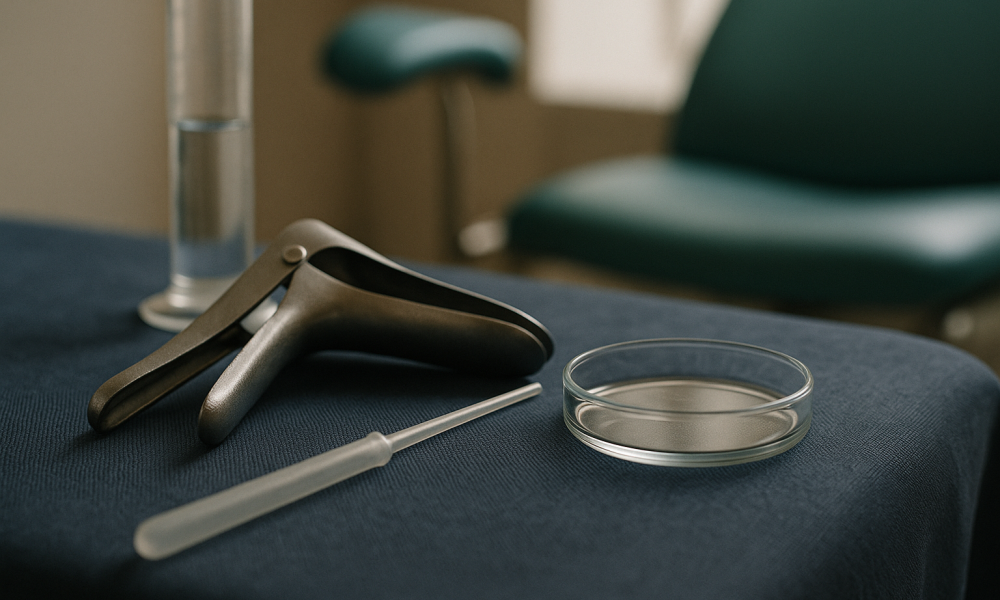
What Fertility Check-Up is and who it is for
A fertility check-up is a comprehensive assessment aimed at evaluating an individual’s reproductive health. It is designed for those who are planning to conceive, experiencing difficulties in becoming pregnant, or are simply seeking to understand their fertility status. This check-up typically involves a series of tests and consultations that provide insights into the potential causes of infertility or barriers to conception.
In Turkey, fertility check-ups are conducted by skilled reproductive specialists and often include advanced diagnostic technologies. Common components of a fertility check-up may include hormonal blood tests, pelvic ultrasound scans, semen analysis for male partners, and consultations with fertility experts. These assessments help in diagnosing conditions such as polycystic ovary syndrome (PCOS), endometriosis, or low sperm count, which may affect fertility.
The check-up is suitable for both men and women. Women may undergo tests such as ovarian reserve testing, which measures hormone levels like AMH (Anti-Müllerian Hormone) to estimate the remaining egg supply. Men typically undergo semen analysis to evaluate sperm count, motility, and morphology. This thorough approach ensures that both partners receive a detailed understanding of their reproductive health.
Fertility check-ups are especially beneficial for individuals over 35 years of age, those with a history of reproductive health issues, or couples who have been trying to conceive for over a year without success. Furthermore, individuals planning to undergo assisted reproductive technologies such as IVF may find these assessments crucial in tailoring their treatment plans.
In Turkey, the medical infrastructure is robust, with many clinics accredited by international standards, ensuring high-quality care. The cost of a fertility check-up in Turkey is generally more affordable compared to countries like Canada, with prices typically ranging from £300 to £700, making it an attractive option for international patients.
Are you a good candidate?
Determining whether you are a good candidate for a fertility check-up involves several considerations. Fertility assessments are typically recommended for individuals or couples who are experiencing challenges in conceiving, as well as for those who wish to proactively assess their reproductive health. Here, we outline the key criteria and considerations:
- Age Factor: Women over the age of 35 and men over 40 are encouraged to undergo fertility assessments. Age can significantly impact fertility, with a notable decline in ovarian reserve and sperm quality as individuals age.
- Duration of Trying: Couples who have been trying to conceive for over a year without success should consider a fertility check-up. For women over 35, this timeframe is shortened to six months.
- Medical History: A history of irregular menstrual cycles, pelvic inflammatory disease, endometriosis, or prior surgeries can affect fertility, making a check-up advisable.
- Lifestyle Factors: Factors such as obesity, smoking, excessive alcohol consumption, and high stress levels can adversely impact fertility. Individuals with these lifestyle factors may benefit from a fertility assessment.
- Known Genetic Disorders: Those with a family history of genetic disorders may want to undergo a fertility check-up as part of their family planning process.
- Previous Pregnancy Complications: Individuals who have experienced recurrent miscarriages or complications in previous pregnancies should consider a comprehensive fertility evaluation.
Before proceeding with a fertility check-up, it is essential to consult with a healthcare provider to discuss your medical history and any previous fertility treatments. This discussion will help tailor the assessment to your specific needs and ensure that you receive the most relevant and accurate information about your reproductive health.
In summary, a fertility check-up in Turkey offers a thorough and affordable option for individuals looking to understand their fertility status. By considering the outlined criteria, you can assess whether this evaluation aligns with your reproductive goals and health needs.
The procedure, step by step
Undergoing a fertility check-up in Turkey is a comprehensive process designed to diagnose potential issues affecting fertility. It typically involves a series of tests and consultations, each carefully orchestrated to provide a thorough assessment. Here is a step-by-step guide to what you can expect:
- Initial Consultation: The process begins with an in-depth consultation with a fertility specialist. During this session, your medical history, lifestyle factors, and any previous fertility treatments are discussed. This step is crucial for tailoring the subsequent tests to your specific needs.
- Physical Examination: A physical examination may be conducted to identify any obvious issues. This often includes a pelvic exam for women and a general physical assessment for men.
- Ultrasound Examination: For women, a transvaginal ultrasound is typically performed to assess the condition of the ovaries, uterus, and other reproductive organs. This helps in identifying structural issues or abnormalities.
- Hormonal Profiling: Blood tests are conducted to check hormone levels, such as FSH (Follicle Stimulating Hormone), LH (Luteinizing Hormone), and oestrogen. For men, testosterone levels may also be assessed. These tests are crucial for understanding the hormonal balance and its impact on fertility.
- Semen Analysis: For male patients, a semen analysis is performed to evaluate sperm count, motility, and morphology. This test provides insights into potential male factor infertility issues.
- Hysterosalpingography (HSG): This is a special X-ray test used to check the fallopian tubes and uterus for blockages or structural problems. A dye is injected into the uterus, and its flow through the reproductive tract is observed.
- Additional Tests: Depending on initial findings, further tests such as genetic testing, laparoscopy, or endometrial biopsy may be recommended. These are more specialised and are only conducted if specific issues are suspected.
- Follow-Up Consultation: Once all tests are completed, a follow-up consultation is scheduled to discuss the results. The fertility specialist will explain the findings, provide a diagnosis, and discuss possible treatment options if any issues are identified.
Each step is crucial for a comprehensive understanding of fertility health, and the process is designed to be as informative and stress-free as possible. The tests are generally non-invasive, with results typically available within a few days to a week, allowing for timely follow-up and planning.
Recovery timeline
The recovery timeline following a fertility check-up in Turkey is generally straightforward, as most procedures involved are non-invasive. However, it’s important to be aware of the typical experiences and care recommendations that accompany each phase of recovery, particularly if any additional procedures like hysterosalpingography are performed. Here is a detailed timeline:
| Period | What to expect | Care notes |
|---|---|---|
| Day 1 | Completion of tests and initial recovery. | Most patients can resume normal activities immediately. Mild discomfort or spotting may occur after certain tests like HSG. Rest and hydration are recommended. |
| Days 2-3 | Results processing and minimal symptoms. | Continue normal activities. If discomfort persists, over-the-counter pain relief can be used. Avoid strenuous activities if HSG was performed. |
| Days 4-7 | Follow-up consultation and results discussion. | Attend the scheduled follow-up appointment to discuss test results. Prepare any questions for your specialist. This is an opportunity to understand the findings and consider next steps. |
| Week 2 | Normal routine and planning. | By this time, any minor symptoms should have resolved. Focus on implementing lifestyle adjustments or treatment plans as advised by your specialist. |
| Full recovery | Return to baseline health and future planning. | There should be no lasting effects from the check-up itself. Continue with regular follow-ups as recommended by your healthcare provider. |
Overall, the recovery period is minimal, with most patients experiencing little to no disruption to their daily lives. The key is to follow any specific advice given by your healthcare provider and to maintain open communication regarding any persistent symptoms or concerns.
What it costs: Turkey vs Canada
Undergoing a fertility check-up is an important step for many individuals and couples looking to understand their reproductive health. The cost of such check-ups can vary significantly depending on the country and the specific services included. In Turkey, the cost of fertility assessments is often more affordable compared to Canada, making it an attractive option for international patients.
In Turkey, fertility check-ups are typically offered as comprehensive packages that include a range of diagnostic tests and consultations. These packages usually encompass initial consultations with fertility specialists, hormonal profiling, ultrasound scans, and semen analysis for male partners. Additional tests, such as genetic screening or advanced imaging, may be available at an extra cost. The indicative price range for a standard fertility check-up package in Turkey is between £300 and £700.
By contrast, in Canada, the costs for similar fertility assessments can be higher. The price for a full fertility check-up package in Canada typically ranges from £800 to £1,500. The higher cost can be attributed to the overall healthcare pricing structure and the inclusion of advanced diagnostic technologies. It is important to note that these prices are indicative and can vary based on location, clinic, and specific patient requirements.
| Service | Turkey (Indicative Range) | Canada (Indicative Range) |
|---|---|---|
| Initial Consultation | £50 – £100 | £100 – £200 |
| Hormonal Profiling | £100 – £200 | £150 – £300 |
| Ultrasound Scans | £100 – £200 | £200 – £350 |
| Semen Analysis | £50 – £100 | £100 – £200 |
| Genetic Screening (optional) | £100 – £300 | £200 – £500 |
When comparing costs, prospective patients should also consider what each package includes. In Turkey, packages generally cover a wide range of tests and consultations as part of a holistic approach to fertility assessment. In Canada, while the services are comprehensive, the overall cost can be influenced by additional fees for specific tests or specialist consultations.
Ultimately, the decision on where to undergo a fertility check-up should be based on a combination of factors including cost, the quality of care, and personal comfort with the healthcare system. Patients are advised to contact clinics directly to obtain detailed information about the services offered and the associated costs. This ensures a clear understanding of what is included in the quoted price and helps in making an informed decision.
Risks and how accredited providers manage them
Fertility check-ups, while generally low-risk, do carry some potential complications, as with any medical procedure. Accredited providers in Turkey are well-equipped to manage these risks through stringent protocols and high standards of medical care. Understanding these risks and how they are mitigated can provide reassurance to prospective patients considering treatment abroad.
Common components of a fertility check-up, such as blood tests and ultrasound scans, are minimally invasive. However, there are rare risks associated with any medical procedure, including allergic reactions to substances used during tests or discomfort during ultrasounds. Accredited clinics in Turkey manage these risks by employing highly trained medical staff who adhere to international safety standards. They ensure that all procedures are carried out in sterile environments, and they are prepared to handle any adverse reactions should they occur.
One of the more invasive components of a fertility check-up might be a hysterosalpingography (HSG), which involves injecting a dye into the uterus to assess the fallopian tubes. This procedure can sometimes cause cramping or, in rare cases, an allergic reaction to the dye. Accredited providers in Turkey mitigate these risks by conducting thorough pre-procedure assessments, including allergy tests, and by using the latest equipment and techniques to minimise discomfort.
For male patients, semen analysis is a standard procedure and carries virtually no risk. However, the psychological impact of fertility testing can be significant for both partners. Accredited clinics in Turkey recognise this and often provide access to counselling services to support patients emotionally throughout the process.
Accredited providers in Turkey are subject to regular inspections and must comply with both national and international healthcare standards. This includes maintaining up-to-date certifications and employing staff who are experienced in handling any complications that may arise during fertility assessments. Clinics often have multilingual staff to ensure clear communication with international patients, further enhancing the patient experience and reducing anxiety.
In addition, many clinics offer comprehensive aftercare programmes to monitor patient progress and address any post-procedure concerns. This holistic approach not only helps in managing risks but also contributes to the overall success of the fertility check-up.
For patients considering a fertility check-up in Turkey, it is crucial to choose a clinic with full accreditation and a proven track record of safety and success. Prospective patients are encouraged to research clinics thoroughly, read reviews, and consult directly with the medical team to discuss any concerns. By doing so, they can make informed decisions and proceed with confidence in the care they will receive.
How to choose the right provider
Choosing the right provider for a fertility check-up in Turkey is a crucial step towards ensuring a positive experience and obtaining reliable results. Here are several factors to consider:
Accreditation: Ensure that the clinic you are considering is accredited by recognised international bodies such as the Joint Commission International (JCI) or the Turkish Ministry of Health. Accreditation indicates that the clinic adheres to high standards of quality and patient safety.
Surgeon and Specialist Experience: Research the qualifications and experience of the fertility specialists. Look for specialists who have extensive experience in reproductive medicine and have been involved in numerous successful treatments. It is beneficial if the clinic provides profiles or bios of their specialists, including their education, years of practice, and areas of expertise.
Aftercare Services: Consider the aftercare services offered by the clinic. Aftercare is essential for monitoring your health post-treatment and ensuring any complications are addressed promptly. Clinics that provide comprehensive aftercare, including follow-up consultations and support, are preferable.
Red Flags: Be wary of clinics that make guarantees about outcomes, provide limited information about their services, or have a lack of transparency regarding costs and procedures. It is also a red flag if the clinic avoids answering questions directly or pressures you into making quick decisions.
Patient Reviews and Testimonials: Reading reviews and testimonials from previous international patients can provide insight into the quality of care and overall patient satisfaction. Look for feedback on the professionalism of staff, the cleanliness of facilities, and the effectiveness of communication.
Cost Transparency: The cost of fertility check-ups in Turkey can vary, typically ranging from £300 to £800. Ensure that the clinic provides a clear breakdown of potential costs, including any additional fees for tests or consultations. Understanding the financial commitment upfront can help you plan your budget effectively.
By considering these factors, you can make an informed decision and choose a provider that aligns with your needs and expectations, thus ensuring a more comfortable and reassuring experience.
Planning your trip
Planning your trip to Turkey for a fertility check-up involves several important steps to ensure a smooth and stress-free experience.
Timeline Before Travel: Start planning your trip at least three months in advance. This allows ample time for researching clinics, booking appointments, and arranging travel logistics. Once you have chosen a provider, confirm your appointment dates and any pre-travel consultations required with the clinic.
Documents: Ensure you have all necessary documents, including a valid passport, visa (if required), and any medical records or referrals from your healthcare provider in Canada. Additionally, have copies of your travel insurance policy and any correspondence with the clinic.
Length of Stay: Plan to stay in Turkey for approximately 5 to 7 days. This duration typically allows for the initial consultation, diagnostic tests, and any necessary follow-up appointments. Discuss the expected length of stay with your clinic to accommodate any additional procedures or recovery time.
Travel and Accommodation: Book your flights and accommodation well in advance. Many clinics offer assistance with travel arrangements and may recommend nearby hotels or provide airport transfer services. Opt for accommodations close to the clinic to minimise travel time and stress.
Follow-Up at Home: Before departing Turkey, ensure you have a clear plan for follow-up care once you return to Canada. This should include a summary of the procedures performed, any medications prescribed, and recommendations for ongoing care. It might also be beneficial to arrange a follow-up appointment with your local healthcare provider to discuss the results and any further steps needed.
Health and Safety Considerations: Stay informed about any travel advisories or health precautions related to Turkey. Ensure your vaccines are up-to-date and consider purchasing comprehensive travel insurance that covers medical treatments abroad.
Communication: Maintain open communication with your chosen clinic before, during, and after your trip. Ensure you have a direct contact at the clinic for any questions or concerns that may arise during your stay.
By following these steps, you will be well-prepared for your fertility check-up journey, helping to ensure a positive and productive experience.
Frequently Asked Questions
What is the average cost of a fertility check-up in Turkey?
The cost of a fertility check-up in Turkey typically ranges from £300 to £800. This price can vary depending on the specific tests included, the clinic's location, and any additional consultations required. It is important to discuss the full scope of potential costs with your chosen clinic to avoid any surprises and to budget accordingly.
How do I verify a clinic’s accreditation?
You can verify a clinic's accreditation by checking with international accreditation bodies such as the Joint Commission International (JCI) or the Turkish Ministry of Health. Most accredited clinics display their accreditation status on their websites, or you can contact the clinic directly to request this information. Accreditation ensures the clinic meets high standards of care and safety.
How long should I plan to stay in Turkey for a fertility check-up?
For a fertility check-up, it is advisable to plan a stay of approximately 5 to 7 days in Turkey. This duration allows for the initial consultation, diagnostic tests, and any necessary follow-up appointments. Your specific length of stay may vary depending on the clinic's recommendations and any additional procedures required.
What documents do I need to bring with me?
You will need a valid passport, and if required, a visa for entry into Turkey. Additionally, bring any relevant medical records or referrals from your healthcare provider in Canada. It is also wise to carry copies of your travel insurance policy and any correspondence with the clinic, which might include appointment confirmations and treatment plans.
Is it safe to travel to Turkey for medical treatment?
Turkey is a popular destination for medical tourism, known for its high-quality healthcare services and accredited facilities. However, it is important to stay informed about current travel advisories and health precautions. Ensure you have comprehensive travel insurance and verify the accreditation and reputation of the clinic you choose to ensure a safe experience.
What should I expect in terms of aftercare?
Aftercare typically includes follow-up consultations to discuss test results and any further treatment recommendations. Many clinics offer remote follow-up options, such as video calls, to cater to international patients. Ensure you have a clear aftercare plan, including documentation of the procedures and any prescribed medications, before leaving Turkey.
How can I ensure communication will not be a barrier?
Many clinics in Turkey catering to international patients employ English-speaking staff. Verify this with your chosen clinic and ensure there is a clear line of communication, such as a direct contact person, for any questions or concerns. Some clinics also offer translation services if needed.
What are some red flags when choosing a clinic?
Red flags include clinics that make guarantees about outcomes, lack transparency about costs and procedures, or pressure you into quick decisions. Avoid clinics that provide limited information about their services or are unwilling to answer questions directly. Ensure the clinic is accredited and has a good reputation among previous patients.
Will I need a visa to travel to Turkey from Canada?
Canadian citizens require a visa to enter Turkey. You can apply for an e-visa online before your trip. It is advisable to check the latest requirements and apply well in advance of your planned travel dates to ensure a smooth entry into the country.
How should I plan for follow-up care once I return home?
Arrange a follow-up appointment with your local healthcare provider to review the results and any treatment received in Turkey. Ensure you have a detailed summary of the procedures performed, medications prescribed, and recommendations for ongoing care. Maintaining open communication with both your Turkish clinic and local provider is crucial for effective follow-up care.
Are there any travel advisories I should be aware of?
Before traveling, check with the Canadian government's travel advisory service for the latest information on Turkey. This includes any health-related advisories, safety concerns, or entry requirements. Staying informed will help ensure a safe and well-prepared trip.
Can I combine my fertility check-up with a holiday?
Yes, many patients combine their medical trip with a holiday, as Turkey offers rich cultural experiences and beautiful landscapes. However, ensure your medical appointments and any required rest periods are prioritised. Discuss your plans with your healthcare provider to accommodate both treatment and leisure activities effectively.