
What LASIK Eye Surgery is and who it is for
LASIK, which stands for Laser-Assisted In Situ Keratomileusis, is a popular surgical procedure designed to correct common vision problems such as myopia (nearsightedness), hyperopia (farsightedness), and astigmatism. The procedure involves reshaping the cornea, the transparent front part of the eye, to allow light entering the eye to be properly focused onto the retina for clearer vision. LASIK is renowned for its rapid recovery times and high success rates, making it a sought-after option for individuals seeking to reduce or eliminate their dependency on glasses or contact lenses.
In Turkey, LASIK eye surgery has gained substantial popularity due to the country’s advanced medical facilities, experienced ophthalmologists, and cost-effective treatment options. Patients from the United Kingdom considering this procedure will find that Turkey offers a blend of high-quality care and affordability. It is important to note that while LASIK can correct a wide range of vision issues, it is not suitable for everyone. The procedure is typically recommended for individuals aged 18 and older, as their eye prescriptions have likely stabilised by this age.
LASIK is particularly beneficial for those leading active lifestyles or in professions where glasses or contact lenses can be inconvenient. However, it is crucial to undergo a comprehensive pre-operative evaluation to determine the suitability of LASIK for each individual. Factors such as corneal thickness, overall eye health, and vision stability are assessed during this evaluation. The decision to proceed with LASIK should be made in consultation with a qualified ophthalmologist who can provide personalised advice based on the patient’s specific needs and eye condition.
Overall, LASIK in Turkey presents a viable option for UK residents looking to improve their vision. The procedure is quick, typically lasting only 10 to 15 minutes per eye, and is performed under local anaesthesia to ensure patient comfort. With no need for an overnight hospital stay, patients can return to their accommodations the same day. The initial recovery period is short, allowing most individuals to resume their daily activities, including work, within one to two days. While some patients report improved vision immediately, full recovery and stabilisation of vision usually occur within one to two weeks.
Are you a good candidate?
Determining candidacy for LASIK eye surgery is a critical step in the process of achieving successful outcomes. Not everyone is an ideal candidate, and a thorough assessment by an ophthalmologist is essential. Generally, LASIK is suitable for individuals who meet certain criteria, ensuring both the safety and efficacy of the procedure.
- Age: Candidates should be at least 18 years old. This ensures that the eyes have likely stopped growing and prescriptions have stabilised.
- Stable Vision: Your prescription should be stable for at least one year prior to surgery. Significant changes in vision could indicate that LASIK is not yet appropriate.
- Corneal Thickness: Adequate corneal thickness is necessary to safely perform LASIK. Thin corneas may not withstand the reshaping process.
- Overall Eye Health: Candidates should have healthy eyes, free from conditions such as cataracts, glaucoma, or severe dry eye syndrome.
- Realistic Expectations: While LASIK can significantly improve vision, it may not result in perfect eyesight. Understanding the potential outcomes is crucial.
- General Health: Good overall health is important. Conditions such as diabetes or autoimmune diseases may affect healing and should be discussed with your surgeon.
During the pre-operative evaluation, your ophthalmologist will conduct a series of tests to measure your corneal thickness, map the surface of your eye, and assess your overall eye health. These tests help determine the best surgical approach and ensure that LASIK is the most appropriate treatment for your vision correction needs.
In summary, being a good candidate for LASIK involves a combination of factors including age, stable vision, corneal thickness, and overall health. Engaging in an open dialogue with your healthcare provider will help set realistic expectations and guide you towards a well-informed decision. With the right preparation and professional guidance, LASIK can be a life-changing procedure for those looking to improve their vision and quality of life.
The procedure, step by step
LASIK (Laser-Assisted In Situ Keratomileusis) is a prevalent refractive surgery designed to correct vision issues such as myopia, hyperopia, and astigmatism. The procedure typically takes about 30 minutes for both eyes and is performed under local anaesthesia in the form of numbing eye drops. Here is a step-by-step breakdown of what you can expect during the LASIK procedure:
- Initial Preparation: Upon arrival at the clinic, you’ll undergo a final eye examination to confirm your suitability for the procedure. You’ll be asked to lie down on a reclining chair, and numbing drops will be administered to your eyes to prevent discomfort.
- Creation of the Corneal Flap: The surgeon uses a microkeratome or a femtosecond laser to create a thin, circular flap in the cornea. This step is crucial as it allows access to the underlying corneal tissue. You might feel slight pressure on your eye, but it should not be painful.
- Laser Reshaping: Once the flap is lifted, an excimer laser is used to reshape the cornea. The laser is pre-programmed with your unique eye measurements. This step typically lasts less than a minute per eye and involves the removal of microscopic amounts of tissue to correct the refractive error.
- Flap Repositioning: After the laser reshaping, the corneal flap is carefully repositioned over the treated area. The flap naturally adheres to the underlying corneal tissue, and no stitches are required. The surgeon will ensure that it is smooth and correctly aligned.
- Post-Procedure Examination: Once the procedure is completed, the surgeon will examine your eyes to ensure the flap is properly positioned. You’ll be given protective eyewear and detailed instructions for aftercare.
Throughout the procedure, the surgeon will communicate with you, explaining each step and addressing any concerns you may have. It’s important to remain still and focus on the target light as instructed to achieve optimal results.
Recovery timeline
The recovery process after LASIK eye surgery is generally quick, but it is essential to follow all post-operative care instructions provided by your surgeon to ensure a smooth healing process. Below is a detailed recovery timeline that outlines what you can expect and the care required at each stage:
| Period | What to expect | Care notes |
|---|---|---|
| Day 1 | Immediately after surgery, your vision may be blurry or hazy. Some discomfort, itching, or a burning sensation is normal. Visual improvements begin within hours. | Rest your eyes as much as possible. Avoid rubbing them. Use prescribed eye drops to prevent infection and reduce inflammation. Wear protective eyewear to avoid accidental contact. |
| Days 2-7 | Vision clarity continues to improve. Light sensitivity may persist. Mild redness and tearing are common. | Continue using eye drops as prescribed. Avoid strenuous activities and swimming. Attend follow-up appointments to monitor healing. |
| Weeks 2-4 | Most patients achieve functional vision. Night vision issues like glare and halos may occur but usually diminish over time. | Resume normal activities but avoid contact sports unless approved by your doctor. Continue protecting your eyes from dust and wind. |
| 1-3 Months | Final vision stabilisation occurs. Any residual vision fluctuations should resolve. | Attend all scheduled post-operative check-ups. Discuss any concerns with your surgeon. Adhere to any additional care recommendations. |
| 3-6 Months | Full recovery is typically achieved. Vision results are considered stable. | Maintain routine eye care and attend annual eye examinations. Protect your eyes from UV exposure with sunglasses. |
While most patients experience significant improvements in vision soon after the procedure, individual recovery times can vary. It is crucial to follow your surgeon’s advice and report any unusual symptoms promptly.
What it costs: Turkey vs the United Kingdom
When considering LASIK eye surgery, cost is a significant factor for many patients. The financial aspect of the procedure can vary widely depending on the country, clinic, and the specifics of each case. Turkey has emerged as a popular destination for LASIK surgery, not only due to its high standards of care but also because of its competitive pricing compared to the United Kingdom.
The following table provides a comparison of indicative price ranges for LASIK eye surgery in Turkey and the United Kingdom. It is important to note that these figures are indicative and can vary based on several factors, including the specific technology used, the surgeon’s experience, and the package inclusions.
| Country | Indicative Price Range | Typical Package Inclusions |
|---|---|---|
| Turkey | £1,200 – £2,000 | Consultation, surgery, post-operative care, accommodation, and airport transfers |
| United Kingdom | £2,500 – £4,500 | Consultation and surgery (post-operative care often incurs additional costs) |
The lower cost of LASIK in Turkey can be attributed to several factors. The cost of living and operational expenses in Turkey are generally lower than in the UK, which allows clinics to offer competitive pricing while maintaining high standards of care. Furthermore, the Turkish government has invested significantly in healthcare infrastructure, promoting medical tourism as a key sector, which also contributes to cost-effectiveness.
Prospective patients should consider what is included in the LASIK package. In Turkey, packages often cover not only the surgery itself but also pre-operative consultations, post-operative care, and additional services such as accommodation and airport transfers. This all-inclusive approach can provide peace of mind and convenience for international patients.
In the UK, while the cost of the surgery itself may be higher, the inclusions in the packages can be more limited, with additional costs potentially arising from follow-up appointments and any required post-operative medications. It is essential for patients to fully understand what they are paying for and to consider the total cost of the procedure, including any ancillary services.
Ultimately, while cost is an important consideration, it should not be the sole factor in deciding where to undergo LASIK eye surgery. Patients should also weigh the quality of care, the experience and reputation of the surgeon, and the accreditation of the clinic.
Risks and how accredited providers manage them
Like any surgical procedure, LASIK eye surgery carries certain risks. However, when performed by accredited and experienced providers, these risks can be effectively managed and minimised. Understanding these risks and the measures taken to mitigate them is crucial for any prospective patient considering LASIK surgery.
Some common risks associated with LASIK include dry eyes, glare, halos, and double vision. In rare cases, there can be more serious complications such as under-correction, over-correction, or infection. Accredited providers in Turkey are well-equipped to handle these risks, employing rigorous pre-operative assessments to ensure the suitability of each candidate for LASIK surgery.
Providers typically conduct a thorough examination of the patient’s eyes, including corneal thickness measurements, pupil size assessments, and a detailed analysis of the patient’s vision. This comprehensive evaluation helps in determining the appropriateness of LASIK for the individual and in tailoring the procedure to achieve optimal results while minimising risks.
Accredited clinics follow strict hygiene protocols to prevent infections, a critical aspect of surgical safety. The use of advanced laser technology also plays a significant role in reducing the likelihood of complications. Modern LASIK equipment allows for precise and controlled reshaping of the cornea, which can significantly reduce the occurrence of side effects such as halos and glare.
Post-operative care is another critical area where accredited providers excel. Patients are typically monitored closely following surgery, with follow-up appointments scheduled to assess the healing process and to address any arising issues promptly. In Turkey, many clinics include these follow-up consultations as part of their LASIK packages, ensuring that patients receive comprehensive care throughout their recovery.
Furthermore, communication between the patient and the medical team is essential in managing risks. Accredited providers ensure that patients are well-informed about the procedure, potential risks, and the post-operative care required. This transparency helps patients make informed decisions and prepares them for the recovery process.
It is important for patients to choose clinics that are accredited by reputable international bodies. Accreditation ensures that the clinic adheres to high standards of quality and safety, providing an additional layer of reassurance for international patients. Prospective patients should not hesitate to inquire about a clinic’s accreditation and the qualifications of its medical staff.
In conclusion, while LASIK surgery does carry some risks, these can be effectively managed by choosing an accredited provider with a proven track record. Patients should ensure they are fully informed and comfortable with their choice of clinic and surgeon to ensure a safe and successful outcome.
How to choose the right provider
Selecting the right provider for LASIK eye surgery in Turkey is crucial for ensuring both safety and satisfaction with the procedure. There are several factors to consider that will help you make an informed decision.
Accreditation: Look for clinics that are accredited by recognised international bodies such as the Joint Commission International (JCI) or the International Organization for Standardization (ISO). These accreditations indicate that the clinic adheres to high standards of healthcare quality and patient safety.
Surgeon Experience: The experience of the surgeon plays a pivotal role in the success of the surgery. Ideally, the surgeon should have performed thousands of LASIK procedures. It’s advisable to inquire about their specific training in refractive surgery and to ask for testimonials or case studies from previous patients. A seasoned surgeon will have a track record of successful outcomes and should be willing to discuss their experience openly.
Aftercare: Comprehensive aftercare is essential for a smooth recovery and optimal results. Ensure the provider offers a clear aftercare plan, which should include follow-up appointments and emergency contact numbers. Some clinics might offer virtual consultations post-surgery, allowing you to discuss your recovery progress from the comfort of your home.
Red Flags: Be cautious of clinics that make unrealistic promises, such as guaranteed results or exceptionally low prices that seem too good to be true. It’s important to remember that while cost is a factor, the quality and safety of the procedure should never be compromised. Additionally, avoid clinics that push for immediate payment or refuse to answer your questions thoroughly.
By carefully considering these factors, you can choose a provider that will offer a safe and effective LASIK experience.
Planning your trip
Proper planning is essential to ensure a smooth trip to Turkey for your LASIK eye surgery. Here’s a detailed guide to help you prepare effectively.
Timeline Before Travel: Begin your planning process at least two to three months in advance. This timeframe allows you to research clinics, consult with potential providers, and make necessary travel arrangements without feeling rushed.
Documents: Ensure your passport is valid for at least six months beyond your planned return date. Check if you need a visa for Turkey, which can often be obtained online. Bring copies of your medical records, including any eye prescriptions and past eye surgery details, as these will be useful during your pre-operative consultation.
Length of Stay: Plan to stay in Turkey for at least five to seven days. This duration typically covers the pre-operative consultation, the surgery itself, and initial recovery and follow-up appointments. It’s important to give yourself adequate time to rest and recover before travelling back home.
Follow-up at Home: Arrange for follow-up care with an ophthalmologist in the UK before your trip. This will ensure you have professional support upon returning home. Discuss the details of your surgery with your UK ophthalmologist, who can oversee your recovery and address any post-operative concerns.
By adhering to these guidelines, you can ensure that your medical journey is as smooth and stress-free as possible, allowing you to focus on your recovery and enjoying the benefits of your newly improved vision.
Frequently Asked Questions
What is the typical cost range for LASIK surgery in Turkey?
The typical cost range for LASIK surgery in Turkey is between £1,200 and £2,000 for both eyes. This price usually includes the initial consultation, the procedure, and standard aftercare. However, it is essential to confirm what is included in the package with your chosen provider.
How safe is LASIK surgery in Turkey?
LASIK surgery in Turkey is generally safe, especially when performed by experienced surgeons at accredited clinics. As with any medical procedure, there are risks, but choosing a reputable provider with a strong track record can help minimise these. Ensure the clinic follows international safety standards and that the surgeon is well-qualified.
How do I find a reputable LASIK surgeon in Turkey?
Research is key to finding a reputable LASIK surgeon in Turkey. Look for clinics accredited by international bodies, read patient reviews, and verify the surgeon's credentials and experience. It's also beneficial to have a consultation to discuss your concerns and assess the clinic's facilities and professionalism.
What should I expect during the initial consultation?
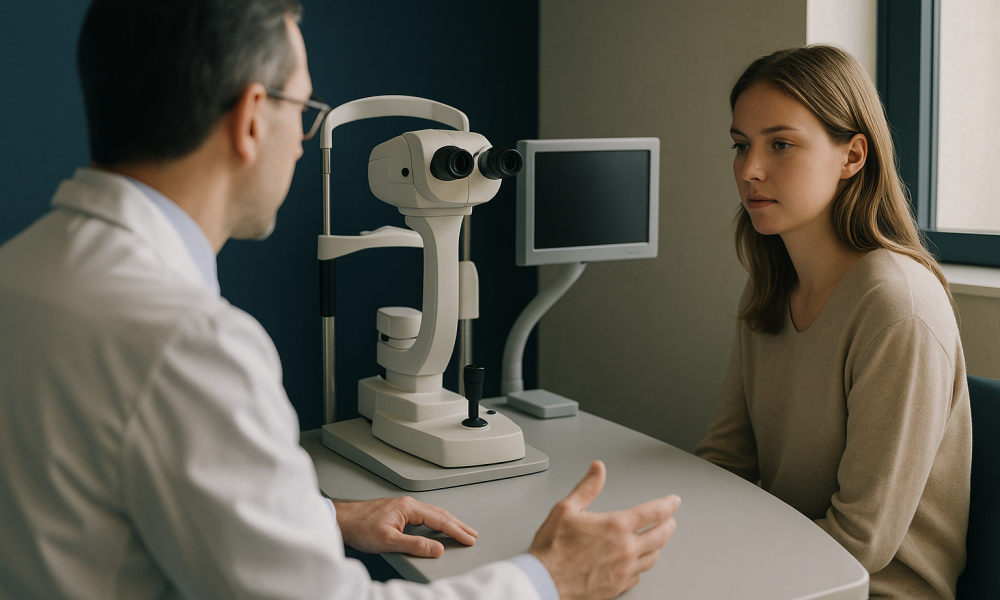
During the initial consultation, the surgeon will assess your eye health and suitability for LASIK. Expect to undergo a comprehensive eye examination and discuss your medical history. The surgeon will explain the procedure, potential risks, and expected outcomes. This is also your chance to ask any questions you may have.
How long does the LASIK procedure take?
The LASIK procedure itself is relatively quick, typically taking about 15 minutes per eye. However, you should plan to spend a few hours at the clinic on the day of the procedure for pre-operative preparations and post-operative observations.
Will I need to take time off work after LASIK surgery?
Most patients can return to work within a few days to a week after LASIK surgery, depending on their job and how they feel. It's important to follow your surgeon's advice regarding recovery time and avoid activities that could strain your eyes immediately after the procedure.
What are the common side effects after LASIK surgery?
Common side effects following LASIK surgery include dry eyes, glare, halos, and fluctuating vision. These symptoms are usually temporary and improve over time. Your surgeon will provide guidance on managing these side effects and prescribe eye drops to aid recovery.
Can I have LASIK surgery if I have astigmatism?
Yes, LASIK surgery can correct astigmatism, along with nearsightedness and farsightedness. Your suitability for the procedure will be determined during the initial consultation, where the surgeon will evaluate your eye health and the degree of astigmatism.
How soon after LASIK surgery will I see results?
Many patients notice an improvement in vision within 24 hours of the surgery, although it may take a few weeks for vision to stabilise fully. It's important to attend follow-up appointments to monitor your recovery and address any concerns with your surgeon.
What should I bring to Turkey for my LASIK surgery?
Bring your passport, visa (if required), medical records, and any medications you regularly take. Comfortable clothing and sunglasses are recommended for post-surgery protection. It's also wise to have a list of questions for your surgeon and details of your follow-up care arranged in the UK.
How do I handle payment for LASIK surgery in Turkey?
Payment methods vary by clinic, but most accept major credit cards, bank transfers, and cash. It's advisable to confirm the payment terms and any deposit requirements before travelling. Discuss the full cost, including any potential additional fees, with your provider in advance.
Are there any activities I should avoid after LASIK surgery?
After LASIK surgery, avoid swimming, hot tubs, and direct sunlight exposure for at least two weeks. Refrain from strenuous exercise and activities that could lead to eye injury. Follow your surgeon's specific guidelines to ensure a safe and effective recovery.