
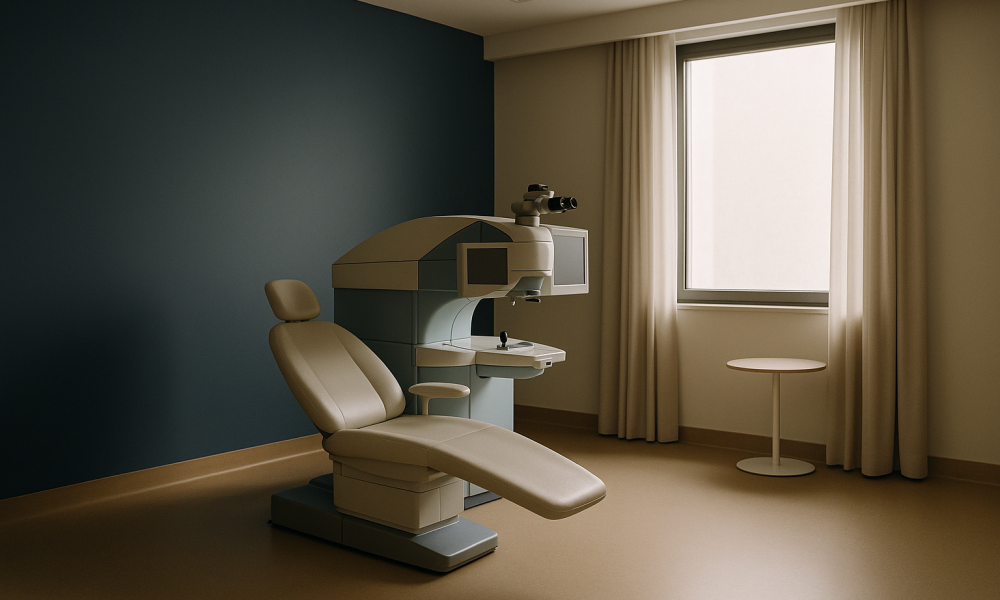
What SMILE Laser Eye Surgery is and who it is for
SMILE, or Small Incision Lenticule Extraction, is a minimally invasive laser eye surgery designed to correct vision issues such as myopia and astigmatism. It represents a significant advancement in refractive surgery, utilising a femtosecond laser to create a small lens-shaped piece of tissue, known as a lenticule, within the cornea. This lenticule is then removed through a tiny incision, reshaping the cornea and improving vision. Unlike traditional LASIK, SMILE does not involve creating a corneal flap, which makes it less invasive and potentially reduces the risk of complications related to flap creation.
The procedure is typically completed in 10 to 15 minutes per eye and is performed under local anaesthesia, which numbs the eye but keeps the patient awake. This allows for a quicker recovery time, with many patients experiencing significantly improved vision within one to two days post-surgery. The technology behind SMILE is particularly beneficial for individuals with a higher degree of myopia, as it can correct up to -10.00 diopters of nearsightedness. Additionally, it can treat astigmatism of up to 5.00 diopters.
SMILE is suitable for people aged 18 and over who have had stable vision for at least one year. It is especially advantageous for those who engage in contact sports or work in environments where eye injuries are possible, as the absence of a corneal flap reduces the risk of dislocation. Furthermore, the precision of the femtosecond laser used in SMILE allows for a quicker healing process, typically resulting in a full recovery within two to four weeks.
In Turkey, SMILE laser eye surgery is offered by numerous reputable clinics, providing a cost-effective option for international patients. The indicative cost ranges from €1,500 to €2,500 per eye, making it an attractive choice for those seeking high-quality treatment at a more affordable price compared to many European countries.
Are you a good candidate?
Determining if you are a good candidate for SMILE laser eye surgery involves several considerations. The procedure is designed to correct specific refractive errors, primarily myopia and astigmatism, and is suitable for a wide range of patients. However, certain criteria must be met to ensure the safety and effectiveness of the surgery.
Firstly, your age is an important factor. Candidates should be at least 18 years old, as the eyes are typically fully developed by this age. Additionally, your prescription should have been stable for at least one year prior to the procedure. This stability ensures that the corrective effects of the surgery are long-lasting.
- Your corneal thickness and health are crucial. SMILE requires a sufficient corneal thickness to safely remove the lenticule. A comprehensive eye examination will assess this.
- You should not have any active eye infections or diseases, such as keratoconus or severe dry eye syndrome, which could compromise healing.
- General health conditions, such as diabetes or autoimmune diseases, need to be well-managed, as they can affect recovery.
- If you are pregnant or breastfeeding, it is advisable to postpone the surgery until hormones have stabilised, as they can affect vision.
- Realistic expectations are essential. While SMILE can significantly improve vision, it may not eliminate the need for glasses or contact lenses entirely, especially for reading as you age.
In summary, if you meet these criteria and are looking for a minimally invasive solution to correct your vision, SMILE laser eye surgery could be a suitable option. A thorough consultation with a qualified ophthalmologist in Turkey will provide personalised advice based on your specific eye health and lifestyle needs.
The procedure, step by step
The SMILE (Small Incision Lenticule Extraction) laser eye surgery is a minimally invasive procedure designed to correct refractive errors such as myopia and astigmatism. Below is a detailed step-by-step guide to what you can expect during the procedure:
- Pre-operative preparation: Before the surgery begins, the patient will undergo a thorough pre-operative examination. This typically includes corneal topography, pachymetry, and a detailed assessment of refractive errors. The patient will be advised to avoid wearing contact lenses for a week prior to the surgery.
- Local anaesthesia: On the day of the surgery, the patient will be seated in a reclining chair, and anaesthetic eye drops will be administered to numb the eye. This ensures that the patient does not feel any pain during the procedure.
- Positioning and stabilisation: The patient’s head is carefully positioned, and a lid speculum is used to keep the eye open. This is a crucial step for maintaining the correct position of the eye throughout the procedure.
- Femtosecond laser application: The surgeon uses a femtosecond laser to create a small, precise incision in the cornea, typically measuring around 2-4 millimetres. The laser is also used to create a lenticule, a small disc-shaped piece of corneal tissue.
- Lenticule extraction: Once the lenticule is created, the surgeon carefully extracts it through the small incision. The removal of this tissue results in a change in the shape of the cornea, which corrects the refractive error.
- Post-operative checks: After the lenticule is removed, the surgeon will conduct a thorough examination to ensure the cornea is smooth and that the procedure has been successful. The entire process typically takes around 20 to 30 minutes per eye.
- Immediate aftercare: The patient is usually observed for a short period following the procedure to ensure there are no immediate complications. Protective shields may be placed over the eyes to prevent inadvertent rubbing.
It is important to note that while SMILE surgery is generally safe, like any surgical procedure, it carries potential risks. Patients are encouraged to discuss these with their ophthalmologist during the consultation phase.
Recovery timeline
Understanding the recovery timeline for SMILE laser eye surgery can help patients manage their expectations and prepare for the days following the procedure. Below is a detailed timeline describing what patients can typically expect:
| Period | What to expect | Care notes |
|---|---|---|
| Day 1 | Mild discomfort, tearing, and sensitivity to light are common. Vision may be blurry. | Rest is crucial. Avoid rubbing your eyes. Use prescribed lubricating and antibiotic eye drops. |
| Days 2-3 | Initial vision improvement. Some patients may notice fluctuations in clarity. | Continue using eye drops as directed. Wear sunglasses to reduce light sensitivity. |
| Week 1 | Significant vision improvement is often observed. Mild dryness and glare may persist. | Avoid swimming and strenuous activities. Follow-up appointment with your ophthalmologist is essential. |
| Weeks 2-4 | Vision stabilises further, with most patients achieving desired correction. | Continue routine check-ups. Gradually resume normal activities as advised by your doctor. |
| 1-3 months | Full recovery is typically achieved. Vision should be stable and clear. | Attend scheduled follow-up visits to monitor healing. Report any unusual symptoms to your doctor. |
It is important for patients to adhere to their surgeon’s post-operative care instructions and attend all follow-up appointments to ensure optimal recovery. Although the recovery process is generally smooth, individual experiences may vary, and some patients may require additional time for complete visual stabilisation.
What it costs: Turkey vs Europe
When considering SMILE laser eye surgery, cost is a significant factor for many patients. Turkey has emerged as a popular destination for this procedure, often offering more affordable options compared to many European countries. It is important to note that the figures provided here are indicative and can vary depending on several factors, including the clinic, the surgeon’s expertise, and the specific services included in the package.
Below is a table comparing the indicative price ranges for SMILE laser eye surgery in Turkey versus several European countries:
| Country | Indicative Price Range (per eye) | Typical Package Inclusions |
|---|---|---|
| Turkey | €1,000 – €1,500 | Initial consultation, surgery, post-operative care, accommodation, airport transfers |
| United Kingdom | €2,500 – €3,500 | Initial consultation, surgery, limited post-operative follow-up |
| Germany | €2,200 – €3,000 | Initial consultation, surgery, post-operative care |
| France | €2,000 – €3,200 | Initial consultation, surgery, post-operative care |
| Spain | €1,800 – €2,800 | Initial consultation, surgery, post-operative care |
The cost savings in Turkey are primarily due to lower operational costs, including lower salaries and overheads, rather than a compromise on quality. Many Turkish clinics offer comprehensive packages that include not only the surgery itself but also accommodation, transport, and post-operative care, which can add significant value for international patients.
When evaluating costs, it is crucial for patients to consider what is included in the package. Some clinics might offer lower prices but with fewer inclusions, potentially leading to additional expenses. Therefore, prospective patients should inquire about what each package entails and whether it meets their needs.
Risks and how accredited providers manage them
Like any surgical procedure, SMILE laser eye surgery carries certain risks. However, these risks are generally low, and complications are uncommon. It is crucial for prospective patients to understand these risks and how accredited providers in Turkey manage them to ensure safety and successful outcomes.
Common risks associated with SMILE surgery include:
- Dry eyes: This is a temporary condition experienced by some patients. Accredited clinics manage this risk by providing pre-operative assessments to identify at-risk individuals and offering post-operative treatments like artificial tears to alleviate symptoms.
- Visual disturbances: Some patients might experience glare, halos, or double vision, especially at night. These symptoms typically resolve over time. Clinics provide thorough visual assessments and follow-up appointments to monitor and manage these symptoms.
- Undercorrection or overcorrection: Although rare, this can occur if the laser removes too little or too much corneal tissue. Accredited providers use advanced diagnostic equipment and meticulous surgical techniques to minimise this risk, and offer enhancement procedures if necessary.
- Infection: While extremely rare, infection is a risk in any surgical procedure. Clinics in Turkey maintain high standards of hygiene and use sterile equipment to prevent infections. Patients are also given antibiotics post-surgery as a preventative measure.
Accredited clinics in Turkey adhere to international standards of care and are often affiliated with global health organisations. These clinics employ experienced surgeons who have undergone extensive training and maintain continuous education to stay updated with the latest advancements in ophthalmology.
Moreover, these providers conduct comprehensive pre-operative assessments to evaluate each patient’s suitability for surgery. This includes a detailed examination of the eyes, medical history review, and discussions about the patient’s expectations and lifestyle. Such assessments help in identifying any potential contraindications, ensuring that only suitable candidates proceed with the surgery.
Post-operative care is another critical aspect of risk management. Accredited clinics offer detailed follow-up schedules to monitor the healing process and address any complications promptly. These follow-ups often include multiple visits over several months to ensure that the patient’s recovery is on track and to manage any emerging issues effectively.
In conclusion, while there are inherent risks associated with SMILE laser eye surgery, accredited providers in Turkey employ comprehensive strategies to mitigate these risks, ensuring patient safety and satisfaction. Patients are encouraged to discuss any concerns with their chosen clinic to fully understand the risk management protocols in place.
How to choose the right provider
Choosing the right provider for SMILE laser eye surgery in Turkey is crucial to achieving a successful outcome. Begin by assessing the accreditation of the clinic. Ensure that the facility is accredited by reputable national or international healthcare bodies such as the Joint Commission International (JCI) or the Turkish Ministry of Health. Accreditation signifies that the clinic adheres to stringent standards of quality and safety.
Next, consider the experience and qualifications of the surgeon. Look for a surgeon who has extensive experience specifically in SMILE procedures, ideally having performed thousands of surgeries. Verify their qualifications, including board certification and memberships in professional organisations like the European Society of Cataract and Refractive Surgeons (ESCRS).
Investigate the provider’s aftercare services. Comprehensive aftercare is essential for a smooth recovery and optimal results. Clinics should offer follow-up appointments to monitor your healing process and address any complications. Check if they provide a detailed aftercare plan and whether these services are included in the indicative cost range of £1,200 to £2,500.
Be vigilant for red flags that could indicate a less reliable provider. Avoid clinics that guarantee results or offer prices significantly lower than the typical range. Be wary of high-pressure sales tactics, lack of transparency about the surgeon’s qualifications, or reluctance to provide testimonials or verifiable reviews. Verify if the clinic provides transparent communication regarding potential risks and realistic outcomes.
Finally, consult with previous patients if possible. Patient testimonials and reviews can provide valuable insights into the clinic’s reputation and the quality of care provided. By taking these steps, you can confidently select a provider that aligns with your expectations and safety standards.
Planning your trip
Planning your trip for SMILE laser eye surgery in Turkey involves careful preparation to ensure a smooth experience. Start by considering the timeline before travel. It is advisable to schedule your surgery at least one month in advance to allow sufficient time for consultations, travel arrangements, and any necessary medical evaluations.
Ensure you have all the necessary documents for travel and treatment. This includes a valid passport, visa (if required), and medical records that detail your eye health history. Some clinics may request recent eye examination results, so it is prudent to have these ready.
The length of stay in Turkey can vary depending on your specific treatment plan and recovery needs. Typically, patients should plan to stay for a minimum of three to five days. This duration allows for pre-surgery consultations, the procedure itself, and initial recovery and follow-up appointments. It is important to confirm these details with your chosen provider.
Consider the follow-up care at home. After returning home, maintaining communication with your surgeon is vital. Most clinics offer remote consultation options, such as video calls, to monitor your progress. Ensure you have a local ophthalmologist who can assist with any immediate post-surgery needs.
When arranging travel, consider flight schedules that allow flexibility in case of changes in your treatment schedule. Accommodation should be booked close to the clinic to minimise travel stress. Many providers offer packages that include transfers and accommodation, which can be convenient and cost-effective.
Finally, ensure you have a clear understanding of the indicative costs, which can range from £1,200 to £2,500, and what is included in the package. This understanding will help you budget effectively and avoid unexpected expenses.
Frequently Asked Questions
What does SMILE laser eye surgery cost in Turkey?
The cost of SMILE laser eye surgery in Turkey typically ranges from £1,200 to £2,500. This range is indicative and can vary based on the clinic's location, the surgeon's experience, and the inclusivity of aftercare services. It is advisable to confirm what is included in the price, such as pre-operative consultations, the surgery itself, and follow-up care.
Is SMILE laser eye surgery safe?
SMILE laser eye surgery is generally considered a safe procedure when performed by experienced surgeons in accredited clinics. Like any surgical procedure, it carries some risks, but these are minimised with proper pre-operative assessments and post-operative care. Patients should discuss potential risks and complications with their surgeon during the consultation phase to make an informed decision.
How long will I need to stay in Turkey for the surgery?
Patients typically need to stay in Turkey for a minimum of three to five days. This allows time for pre-surgery consultations, the procedure itself, and initial recovery and follow-up appointments. The exact duration may vary based on individual recovery needs and should be confirmed with your chosen provider.
What should I look for in a clinic offering SMILE surgery?
When selecting a clinic for SMILE surgery, look for accreditation from reputable healthcare bodies, experienced and qualified surgeons, comprehensive aftercare services, and positive patient testimonials. Avoid clinics that make guarantees about outcomes or use high-pressure sales tactics. Transparency about risks and realistic expectations is crucial.
Will there be any follow-up care required back home?
Yes, follow-up care is essential after SMILE surgery. Most clinics offer remote consultations to monitor your recovery. It is also advisable to arrange for a local ophthalmologist to assist with any immediate post-surgery needs. Regular follow-up appointments help ensure optimal healing and address any concerns that may arise.
Are there any specific documents I need to bring for the surgery?
You will need a valid passport and possibly a visa, depending on your nationality. Clinics may also require medical records detailing your eye health history and recent eye examination results. It is best to confirm specific document requirements with your chosen provider before travelling.
How do I verify a surgeon's experience in SMILE surgery?
To verify a surgeon's experience, check their qualifications, including board certifications and membership in professional organisations like the European Society of Cataract and Refractive Surgeons. Inquire about the number of SMILE procedures they have performed and request patient testimonials or reviews that reflect their expertise.
What is included in the cost of SMILE surgery?
The cost of SMILE surgery typically includes pre-operative consultations, the surgery itself, and initial post-operative care. Some clinics may offer packages that also cover accommodation and transfers. It is important to clarify what is included in the price with your provider to avoid unexpected expenses.
Can I travel alone for the surgery?
While it is possible to travel alone for the surgery, having a companion can be beneficial for support, especially during the immediate recovery period. A companion can assist with logistical arrangements and provide emotional support, which can enhance your overall experience and recovery.
What are the red flags to watch out for when choosing a clinic?
Red flags include clinics that guarantee results, offer prices significantly below the typical range, use high-pressure sales tactics, or lack transparency about the surgeon's qualifications. Avoid providers who do not provide clear communication about potential risks and realistic outcomes of the surgery.
How soon can I return to work after the surgery?
Most patients can return to work within a few days to a week after SMILE surgery, depending on their individual recovery and the nature of their job. It is advisable to discuss your specific situation with your surgeon to determine the appropriate time to resume work activities.
What happens if I experience complications after returning home?
If you experience complications after returning home, contact your surgeon immediately. Most clinics offer remote consultations to address such issues. It is also advisable to have a local ophthalmologist who can provide immediate care if needed. Prompt attention to complications is crucial for effective management.