
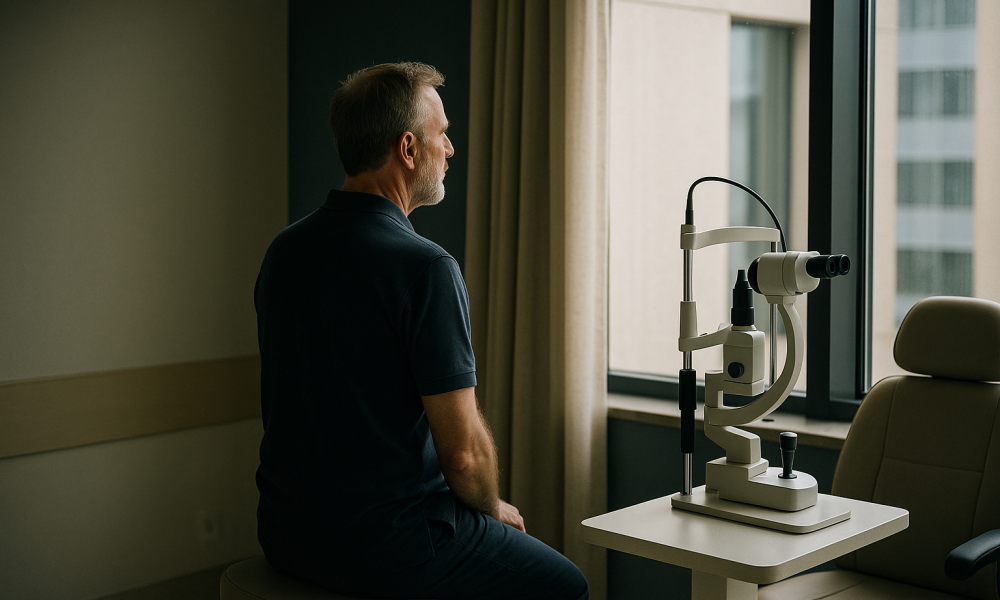
What Cataract Surgery is and who it is for
Cataract surgery is a common and generally safe procedure aimed at removing the cloudy lens of the eye, known as a cataract, and replacing it with an artificial lens to restore clear vision. This surgery is typically recommended for individuals experiencing significant vision impairment due to cataracts, which often develop as a part of the ageing process. The procedure itself is relatively quick, usually taking about 15 to 30 minutes, and is performed under local anaesthesia. Patients are often able to return home the same day, as the surgery does not require an overnight hospital stay.
The development of cataracts can lead to symptoms such as blurred vision, difficulty seeing at night, sensitivity to light, and seeing ‘halos’ around lights. These symptoms can interfere with daily activities such as reading, driving, and recognising faces. As cataracts progress, they can significantly diminish the quality of life, making surgical intervention necessary for many patients.
In Turkey, cataract surgery is performed using advanced techniques and technology, often involving phacoemulsification. This method uses ultrasonic waves to break up the cloudy lens, which is then gently suctioned out. The artificial lens, known as an intraocular lens (IOL), is inserted to replace the removed lens. Various types of IOLs are available, including monofocal, multifocal, and toric lenses, each designed to meet different visual needs and lifestyle preferences.
While cataract surgery is highly effective, with a success rate exceeding 90% in restoring vision, it is important to manage expectations. Patients should understand that while the surgery can significantly improve vision, the need for glasses or contact lenses may still exist, especially for reading or detailed work. Additionally, like any surgical procedure, there are potential risks, including infection, bleeding, or retinal detachment, albeit these are rare.
Are you a good candidate?
Determining whether you are a good candidate for cataract surgery involves a comprehensive evaluation of your eye health and overall medical condition. Not everyone who has cataracts needs surgery immediately; it is typically recommended when cataracts begin to affect daily activities and quality of life. Here are some key criteria to consider:
- Significant Vision Impairment: Surgery is recommended when cataracts cause noticeable difficulties in everyday tasks such as reading, driving, or recognising faces.
- Overall Eye Health: A comprehensive eye examination will assess your eye health to ensure there are no other conditions, such as retinal or optic nerve diseases, which might affect surgical outcomes.
- General Health: Candidates should be in good general health, as certain medical conditions like uncontrolled diabetes or hypertension may increase surgical risks.
- Realistic Expectations: Understanding the potential outcomes and limitations of cataract surgery is crucial. Candidates should have realistic expectations regarding vision improvement and the possibility of still needing corrective eyewear post-surgery.
- Age Consideration: While cataracts are more common in older adults, younger patients with cataracts due to other causes such as trauma or congenital conditions may also be considered for surgery.
Before proceeding with surgery, it is vital to discuss with your ophthalmologist any medications you are currently taking, as some may need to be adjusted or stopped before the procedure. Additionally, if you have a history of eye surgeries or conditions such as glaucoma or macular degeneration, these should be thoroughly evaluated to ensure the best possible outcome.
In summary, while cataract surgery in Turkey offers an effective solution for those suffering from vision impairment due to cataracts, a detailed assessment and consultation with a qualified ophthalmologist are essential steps in determining candidacy and planning for successful treatment.
The procedure, step by step
Cataract surgery is a common and generally safe procedure, performed to remove the cloudy lens of the eye and replace it with an artificial lens, known as an intraocular lens (IOL). Understanding the surgical process can help alleviate anxiety and provide clarity on what to expect. Here is a detailed step-by-step guide to the procedure:
- Pre-operative Preparation: On the day of the surgery, you will be asked to arrive at the clinic or hospital a couple of hours before the scheduled time. This allows for necessary preparations, such as administering eye drops to dilate your pupil and possibly a mild sedative to help you relax. The surgical team will review your medical history and explain the procedure once more.
- Local Anaesthesia: Cataract surgery is typically performed under local anaesthesia. This means your eye will be numbed with eye drops or an injection so that you do not feel any pain during the procedure. You will remain awake but comfortable throughout the operation.
- Incision: The surgeon will make a small incision at the edge of your cornea. This incision is usually about 2 to 2.5 millimetres in size and allows access to the lens of the eye.
- Phacoemulsification: Using a small ultrasonic device, the surgeon will break up the cloudy lens into small pieces. This process is known as phacoemulsification. The tiny fragments are then gently suctioned out of the eye.
- Intraocular Lens Insertion: Once the natural lens is removed, the surgeon will insert the intraocular lens (IOL) through the same incision. The lens is usually folded so it can be inserted through the small incision and then unfolds into place inside the eye.
- Closing the Incision: The incision made in the cornea is self-sealing in most cases, meaning it does not require stitches. The natural pressure inside the eye helps to keep the incision closed as it heals.
- Post-operative Care: After the surgery, you will be moved to a recovery area where your vital signs will be monitored. You will be given protective eyewear and specific instructions for at-home care, including the use of prescribed eye drops to prevent infection and reduce inflammation.
The entire procedure typically takes about 30 to 45 minutes per eye. Most patients experience an improvement in vision within a few days, although complete healing can take several weeks.
Recovery timeline
Recovery after cataract surgery is generally swift, but it is important to follow your surgeon’s advice and adhere to a recovery plan to ensure optimal results. Here is a typical recovery timeline:
| Period | What to expect | Care notes |
|---|---|---|
| Day 1 | Vision may be blurry and colours might appear brighter. Mild discomfort or scratchiness is common. | Rest and avoid strenuous activity. Use prescribed eye drops. Do not rub or press on the eye. |
| Week 1 | Vision begins to stabilise. Some patients experience glare or halos around lights. | Continue using eye drops as directed. Wear protective eyewear outside. Avoid swimming or hot tubs. |
| Week 2 | Improved vision clarity. Sensitivity to light may decrease. | Attend follow-up appointments. Gradually resume normal activities, but avoid heavy lifting. |
| Month 1 | Most visual disturbances resolve. Final visual outcome becomes clearer. | Regularly check in with your eye specialist. You may need a new prescription for glasses. |
| Full recovery (up to 3 months) | Vision should be stable and clear. Any residual symptoms should be reported to your doctor. | Continue with routine eye check-ups. Maintain a healthy lifestyle to support eye health. |
While most patients experience a smooth recovery, it is crucial to be aware of potential complications, such as increased eye pressure or infection. Contact your healthcare provider immediately if you experience severe pain, vision loss, or persistent redness.
What it costs: Turkey vs the United Kingdom
When considering cataract surgery, cost is a significant factor that many patients take into account. In Turkey, the cost of cataract surgery is often more affordable compared to the United Kingdom. While prices can vary depending on the specific clinic, surgeon expertise, and the type of lens used, the following table offers a comparison of indicative price ranges for cataract surgery in both countries.
| Country | Indicative Price Range (per eye) | Typical Package Inclusions |
|---|---|---|
| Turkey | £1,200 – £2,500 |
|
| United Kingdom | £2,500 – £4,000 |
|
It’s crucial to understand that these figures are indicative and can vary based on several factors, including the location of the clinic within each country, the reputation and experience of the surgeon, and whether any additional services are included in the package. In Turkey, many clinics offer all-inclusive packages that may cover accommodation and airport transfers, which can further enhance the value proposition for international patients.
In the UK, the cost tends to be higher partly due to the overall higher cost of living and medical services. Additionally, insurance coverage and NHS availability might influence the decision for some UK residents, although waiting times can be a factor that prompts patients to seek treatment abroad.
Patients should carefully evaluate what is included in the surgical package and ensure that there are no hidden costs. It’s advisable to contact multiple clinics for a detailed breakdown of costs and inclusions. Remember, while cost is important, it should not be the sole determinant factor; the quality of care and the expertise of the medical team are paramount.
Risks and how accredited providers manage them
Cataract surgery, like any surgical procedure, carries certain risks. However, it is generally considered safe and effective, with a high success rate. Understanding these risks and how they are managed by accredited providers in Turkey can help you make an informed decision.
Common risks associated with cataract surgery include infection, bleeding, inflammation, retinal detachment, and posterior capsule opacification (PCO). More rare complications can include loss of vision, though this is uncommon. Accredited providers in Turkey are well-equipped to manage these risks through a combination of advanced surgical techniques and stringent post-operative care protocols.
Accredited clinics in Turkey adhere to international standards of care, often holding certifications from bodies such as the Joint Commission International (JCI). These certifications ensure that the clinics maintain high standards in both surgical practice and patient care. Surgeons in these facilities are typically well-trained, often having international experience or accreditation, which contributes to their ability to manage potential complications effectively.
To minimise the risk of infection, strict sterilisation protocols are followed. Surgeons and staff use sterilised equipment and maintain a sterile environment throughout the procedure. Post-operative care is equally important; patients are usually provided with comprehensive care plans that include the use of antibiotic eye drops to prevent infection and anti-inflammatory medications to reduce swelling.
Accredited providers also focus on thorough pre-operative assessments to identify any individual risk factors that could affect surgery outcomes. This includes a detailed ocular examination and a review of the patient’s medical history to tailor the surgical approach accordingly. In cases where complications do arise, such clinics are equipped with the necessary facilities to provide prompt and effective treatment.
Moreover, patient education is a critical component of risk management. Accredited providers ensure that patients are well-informed about the procedure, potential risks, and post-operative care requirements. This includes guidance on recognising signs of complications early, such as unusual pain, vision changes, or signs of infection, and seeking prompt medical attention if they occur.
In conclusion, while there are risks associated with cataract surgery, accredited providers in Turkey are well-prepared to manage them. By choosing a reputable clinic with experienced surgeons and robust safety protocols, patients can significantly mitigate these risks and improve their overall treatment experience.
How to choose the right provider
Selecting the right provider for cataract surgery in Turkey is a crucial step in ensuring a safe and successful procedure. The first consideration should be the accreditation of the clinic or hospital. Look for facilities accredited by internationally recognised bodies such as the Joint Commission International (JCI) or the ISO certification, as these accreditations ensure adherence to global healthcare standards.
The experience and qualifications of the surgeon are equally important. Prospective patients should inquire about the surgeon’s specific experience in cataract surgery, including the number of procedures performed annually. Surgeons who have performed over 500 cataract surgeries are generally considered experienced, but it is also beneficial to ask about their success rates and any specific techniques they specialise in, such as phacoemulsification or femtosecond laser-assisted cataract surgery.
Aftercare is another critical component to consider. A reputable provider will offer comprehensive aftercare services, including post-operative consultations and emergency contacts. Clarify whether the cost of aftercare is included in the initial fee or if it incurs additional charges, which can typically range from £100 to £300. Ensure there is a clear plan for managing any complications that may arise once you return home.
Finally, be aware of red flags that may indicate a less reputable provider. These include aggressive marketing tactics, unusually low prices that seem too good to be true, or a lack of transparency regarding the qualifications of medical staff. Reliable providers will offer clear, detailed information and will not pressure you into making quick decisions.
In summary, choosing the right provider involves careful consideration of accreditation, surgeon experience, aftercare services, and awareness of potential red flags. Taking the time to research and ask detailed questions will help ensure a positive experience.
Planning your trip
Planning your trip for cataract surgery in Turkey involves several steps to ensure a smooth experience. Begin by discussing the procedure with your healthcare provider in the UK to understand the timeline and ensure you are a suitable candidate. Once you have decided to proceed, schedule your surgery date at least two to three months in advance to allow ample time for preparation.
Documentation is essential for international travel and medical procedures. Ensure your passport is valid for at least six months beyond your planned return date. You may also need a visa to enter Turkey, which can be obtained online through the Turkish government’s e-Visa portal. Additionally, gather all medical records related to your eye health, as these will be important for your Turkish surgeon to review.
The typical length of stay in Turkey for cataract surgery is around one to two weeks. This timeframe allows for any necessary pre-operative consultations, the surgery itself, and post-operative follow-up appointments. Plan for a minimum of three to four days of rest after the surgery before flying back to the UK, as this will help minimise any complications associated with air travel post-surgery.
Consider the logistics of your stay, including accommodation and transportation. Many medical tourism agencies offer packages that include hotel stays and airport transfers. Typical costs for accommodation range from £50 to £150 per night, depending on the location and level of comfort. Ensure your accommodation is located conveniently close to the medical facility to reduce travel stress post-surgery.
Finally, arrange for follow-up care once you return home. Coordinate with your UK ophthalmologist to schedule a check-up within a few weeks of your return, and provide them with detailed reports from your Turkish surgeon. This continuity of care is vital for monitoring your recovery and addressing any issues that may arise.
In conclusion, thorough planning and preparation are key to a successful cataract surgery experience in Turkey. By organising your travel, documentation, and post-operative care, you can ensure a seamless journey from start to finish.
Frequently Asked Questions
What is the typical cost range for cataract surgery in Turkey?
The cost of cataract surgery in Turkey typically ranges from £1,200 to £2,500 per eye. This range varies depending on the type of lens used, the clinic's location, and the surgeon's expertise. It's important to confirm what is included in the quoted price, such as pre-operative assessments, the surgery itself, and post-operative care. Always verify whether additional costs will apply for follow-up visits or any potential complications.
How safe is cataract surgery in Turkey?
Cataract surgery in Turkey is generally considered safe, with many clinics adhering to international standards. Look for facilities accredited by organisations such as the Joint Commission International (JCI). Surgeons with extensive experience and a strong track record further enhance safety. However, as with any surgery, there are risks, so ensure thorough research and choose a reputable provider. Discuss any concerns with your surgeon beforehand to understand the procedure and potential risks fully.
How do I verify a surgeon's credentials in Turkey?
To verify a surgeon's credentials, check if they are registered with the Turkish Medical Association, which is similar to the UK's General Medical Council. Look for surgeons who have additional certifications in ophthalmology and a strong track record in performing cataract surgeries. Reputable clinics will be transparent about their surgeons' qualifications and experience, often providing this information on their websites or during initial consultations.
What type of lens options are available for cataract surgery?
Lens options for cataract surgery include monofocal, multifocal, and toric lenses. Monofocal lenses correct vision at a single distance, typically chosen for either near or far sight. Multifocal lenses allow for clear vision at multiple distances, reducing the need for glasses. Toric lenses are designed for patients with astigmatism. Discuss with your surgeon to determine the best option based on your lifestyle and vision needs, as costs and benefits vary.
How long should I expect to stay in Turkey for the surgery?
Patients typically stay in Turkey for one to two weeks when undergoing cataract surgery. This duration covers pre-operative consultations, the surgery itself, and necessary follow-up appointments. It is advisable to rest for at least three to four days after the procedure before flying back home to ensure optimal recovery and reduce the risk of complications associated with air travel.
What should I pack for my trip to Turkey for cataract surgery?
When packing for your trip, include comfortable clothing and sunglasses to protect your eyes post-surgery. Bring all necessary travel documents, including your passport and visa. You should also take any medical records related to your eye health, as these will be useful for your surgeon. Consider bringing a list of questions for your surgeon, and ensure you have contact information for the clinic and your accommodation.
Will my insurance cover cataract surgery in Turkey?
Insurance coverage for cataract surgery in Turkey varies depending on your policy. Some UK insurers may cover the procedure abroad if it's deemed medically necessary and a qualified provider performs it. Contact your insurance provider to verify coverage details and any necessary pre-approvals. Ensure you understand the terms, including any documentation required from the Turkish clinic for reimbursement.
What is the recovery process like after cataract surgery?
Recovery from cataract surgery is generally quick. Most patients notice improved vision within a few days, but full recovery can take up to six weeks. During this period, follow post-operative care instructions provided by your surgeon, such as using prescribed eye drops and avoiding strenuous activities. Attend all follow-up appointments to monitor your healing process. Report any unusual symptoms to your surgeon promptly.
How do I arrange for follow-up care once I return to the UK?
Arrange follow-up care with your UK ophthalmologist before travelling to Turkey. Provide them with detailed reports from your Turkish surgeon to ensure continuity of care. Schedule a check-up within a few weeks of returning home to monitor your recovery. Maintaining open communication between your Turkish and UK healthcare providers helps address any post-operative concerns efficiently.
Are there any language barriers I should be aware of?
Many medical professionals in Turkey, especially those in larger cities and international clinics, speak English fluently. However, it's advisable to confirm this when selecting a provider. Some clinics offer translation services or have multilingual staff to assist international patients. Bringing a list of key medical terms or using translation apps can also be helpful during your stay.
How can I ensure a smooth journey through customs and immigration?
To ensure a smooth journey, have all necessary documents readily accessible, including your passport, visa, and medical records. Be prepared to explain the purpose of your visit to customs officials. If you have medications, carry them in their original packaging with a prescription note. Arrive early at the airport to allow adequate time for security and customs procedures.
What are the payment options for cataract surgery in Turkey?
Payment options for cataract surgery in Turkey typically include credit cards, bank transfers, and sometimes cash. It's advisable to confirm the accepted payment methods with your chosen clinic beforehand. Some facilities may offer payment plans or require a deposit to secure your booking. Ensure you understand the payment terms and any potential currency conversion fees if paying in a currency other than Turkish Lira.