
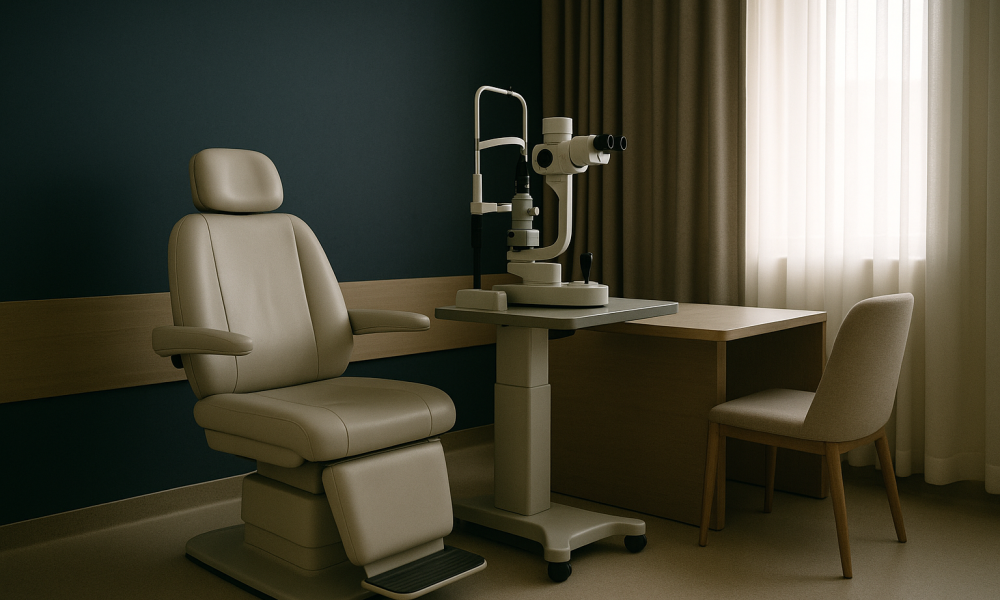
What Cataract Surgery is and who it is for
Cataract surgery is a common and safe procedure designed to remove the cloudy lens of the eye and replace it with an artificial lens, known as an intraocular lens (IOL). This surgery is primarily for individuals experiencing impaired vision due to cataracts, which are often age-related but can also occur due to other factors such as diabetes or eye injury. The procedure is typically performed on an outpatient basis, meaning patients can return home the same day. It is considered one of the most effective surgeries, with a high success rate in restoring vision.
Cataracts occur when proteins in the eye’s lens start to clump together, causing cloudiness and affecting the passage of light through the lens. This can lead to symptoms such as blurred vision, difficulty seeing at night, and faded colours. Although cataracts can develop in one or both eyes, they do not spread from one eye to the other. Cataract surgery is recommended when the cataract significantly interferes with daily activities like reading or driving.
The surgery involves a small incision in the eye, through which the cloudy lens is removed. The IOL is then inserted, which is tailored to the patient’s vision requirements. Modern IOLs can correct refractive errors such as myopia or hyperopia, and some advanced lenses can even address astigmatism and presbyopia, potentially reducing the dependency on glasses or contact lenses post-surgery. The procedure typically lasts between 15 to 30 minutes and is performed under local anaesthesia, ensuring the patient remains comfortable and awake.
After the surgery, patients may experience mild discomfort, which is usually manageable with over-the-counter pain relief. Vision improvement is often noticeable within a few days, although full recovery can take up to four to six weeks. Regular follow-up appointments are crucial to monitor healing and ensure optimal outcomes. Cataract surgery is generally safe, but like any surgery, it carries some risks, including infection, bleeding, and retinal detachment. However, these complications are rare, and the benefits of improved vision often outweigh the risks for most patients.
Are you a good candidate?
Determining whether you are a suitable candidate for cataract surgery involves a comprehensive evaluation by an ophthalmologist. Ideally, candidates should exhibit symptoms that affect their quality of life, such as difficulty with activities that require clear vision. However, not everyone with cataracts will require immediate surgery, as some individuals may manage well with prescription glasses or contact lenses.
The following checklist can help determine candidacy for cataract surgery:
- Significant Vision Impairment: You experience difficulty seeing clearly even with corrective lenses, particularly affecting tasks like reading, driving, or recognising faces.
- Impact on Daily Activities: Your cataracts interfere with day-to-day activities and reduce your quality of life.
- Overall Eye Health: Apart from cataracts, your eyes should be free from other serious conditions that could affect surgical outcomes, such as severe macular degeneration or untreated glaucoma.
- General Health: You are in good overall health, with no uncontrolled systemic conditions like diabetes or hypertension that might complicate surgery.
- Informed Decision: You understand the benefits and risks of the surgery and have realistic expectations about the outcomes.
- Stable Prescription: Your eyeglass or contact lens prescription has stabilised, indicating that your vision changes are primarily due to cataracts.
It is essential to discuss your medical history and any medications you are taking with your ophthalmologist. They will conduct a thorough eye examination, including measurements of the eye’s shape and size, to assist in selecting the most appropriate IOL. This personalised approach ensures the best possible visual outcome post-surgery.
In some instances, patients may not be suitable candidates for cataract surgery due to severe underlying health issues or because the cataracts are not yet significantly affecting vision. In these cases, regular monitoring and alternative treatments may be recommended until surgery becomes necessary. Ultimately, the decision to proceed with cataract surgery should be made in consultation with a qualified ophthalmologist, taking into account individual needs and circumstances.
The procedure, step by step
Cataract surgery is a highly refined process that usually takes about 20 to 30 minutes per eye. It is typically performed on an outpatient basis, meaning you can return to your accommodation the same day. Here’s a detailed step-by-step overview of what you can expect during the procedure:
- Pre-operative Preparations: Before the surgery begins, you will be given local anaesthesia to numb the eye area. This is usually administered in the form of eye drops, though some patients may receive an injection around the eye. You may also receive a mild sedative to help you relax, but you will remain awake during the procedure.
- Incision: The surgeon will make a small incision, approximately 2 to 3 millimetres, at the edge of your cornea. This incision is often self-sealing and does not require stitches.
- Capsulorhexis: Using a fine instrument, the surgeon will carefully open the thin membrane that surrounds the cataract, known as the lens capsule. This step is crucial for the removal of the clouded lens.
- Phacoemulsification: A small probe is inserted through the incision to break up the cloudy lens using ultrasound waves. This process, called phacoemulsification, emulsifies the lens material, which is then suctioned out of the eye.
- Insertion of the Intraocular Lens (IOL): Once the cataract is removed, the surgeon will insert a clear artificial lens, known as an intraocular lens (IOL), into the lens capsule. The IOL is folded and inserted through the same incision, where it unfolds and is positioned correctly by the surgeon.
- Closure: The incision is self-sealing, but in some cases, the surgeon may use a few stitches to ensure it remains closed. Antibiotic eye drops are applied to prevent infection.
- Post-operative Assessment: After the procedure, you will be taken to a recovery area where the medical team will monitor you for any immediate complications. Once you are stable, you will be given protective eyewear and instructions for the initial recovery period, which includes avoiding certain activities and following a regimen of prescribed eye drops.
The entire process is designed to be as smooth and comfortable as possible, with the utmost attention to safety and precision.
Recovery timeline
Understanding what to expect during the recovery period is crucial for a successful outcome. Each patient’s recovery may vary slightly, but the following table provides a typical timeline and care notes from the first day after surgery to full recovery.
| Period | What to Expect | Care Notes |
|---|---|---|
| Day 1 | Initial mild discomfort, blurry vision, sensitivity to light. | Wear protective eyewear; use prescribed eye drops to prevent infection and reduce inflammation. |
| Week 1 | Vision begins to clear, though some blurriness may persist. Mild itching or discomfort is normal. | Avoid rubbing the eye; continue with eye drops as prescribed. Follow up with your surgeon for a check-up. |
| Week 2-4 | Significant improvement in vision clarity. Colours may appear more vivid. | Engage in light activities; avoid strenuous exercise. Gradually resume normal activities as advised by your doctor. |
| Month 1-3 | Full recovery is typically achieved. Vision stabilization occurs, and any residual blurriness resolves. | Attend all scheduled follow-up appointments. Continue using prescribed eye drops if recommended by your surgeon. |
| Full Recovery | Post-operative vision is stable, with most patients achieving their desired vision correction. | Regular eye examinations are advised to monitor eye health and lens position. |
It is important to adhere strictly to the care instructions provided by your surgeon to ensure the best possible outcome. While most patients experience significant visual improvement within the first few weeks, complete recovery and adaptation to the intraocular lens can take several months.
What it costs: Turkey vs Europe
When considering cataract surgery, one of the most significant factors for many patients is the cost. Turkey has emerged as a popular destination for this procedure, not only due to the quality of care but also because of its competitive pricing. Understanding the cost differences between Turkey and Europe can help you make an informed decision about where to undergo surgery.
The cost of cataract surgery varies widely depending on the country, the complexity of the procedure, and the type of lens implanted. In Europe, costs can be considerably higher than in Turkey, often influenced by the cost of living and healthcare regulations in each country.
| Country/Region | Indicative Price Range (per eye) | Typical Inclusions |
|---|---|---|
| Turkey | €1,200 – €2,500 | Pre-operative assessment, surgery, standard lens, post-operative care |
| United Kingdom | €3,000 – €4,500 | Pre-operative assessment, surgery, standard lens, post-operative care |
| Germany | €3,500 – €5,000 | Pre-operative assessment, surgery, standard lens, post-operative care |
| France | €3,200 – €4,800 | Pre-operative assessment, surgery, standard lens, post-operative care |
These figures are indicative and can vary based on the specific healthcare provider, the type of lens chosen (for example, premium lenses may incur additional costs), and any additional services you may require, such as extended post-operative care or luxury accommodation. In Turkey, many clinics offer comprehensive packages that might include airport transfers, accommodation, and personal assistance, which can add value beyond the basic surgical procedure.
It is crucial to communicate with potential clinics about what is included in their pricing. Understanding whether the quoted price covers all aspects of the surgery and recovery process will help prevent unexpected expenses. Many Turkish clinics are transparent about their costs and are willing to provide detailed breakdowns of their services.
Risks and how accredited providers manage them
Cataract surgery is generally considered safe, but like any surgical procedure, it carries certain risks. Understanding these risks and how accredited providers in Turkey manage them can provide reassurance and help you prepare effectively for your surgery.
The most common risks associated with cataract surgery include infection, bleeding, inflammation, retinal detachment, and posterior capsule opacification (PCO). While these complications are rare, occurring in a small percentage of cases, they are taken seriously by healthcare providers.
- Infection: To mitigate the risk of infection, accredited clinics in Turkey adhere to stringent sterilisation protocols. Pre-operative antibiotic drops are often used, and the surgical environment is kept sterile to prevent contamination.
- Bleeding: The risk of bleeding is minimised through careful surgical techniques and the use of medications that reduce intraocular pressure. Surgeons are trained to manage any bleeding that occurs during the procedure promptly.
- Inflammation: Post-operative inflammation is managed with anti-inflammatory medications. Patients are monitored closely after surgery to ensure any signs of inflammation are addressed immediately.
- Retinal Detachment: Although rare, retinal detachment is a serious complication. Accredited providers are equipped with the necessary tools and expertise to identify and treat this condition swiftly should it arise.
- Posterior Capsule Opacification (PCO): PCO is the most common post-operative issue and is typically treated with a simple laser procedure, often included in the initial package or available at a minimal extra cost.
Accredited clinics in Turkey are committed to maintaining high standards of care. They are often certified by international healthcare accreditation bodies, which ensure that they meet rigorous safety and quality standards. These clinics invest in state-of-the-art technology and ongoing staff training, which helps them manage and mitigate risks effectively.
Patients are encouraged to discuss potential risks with their surgeon during pre-operative consultations. This dialogue helps to personalise the care plan and ensures that any patient-specific risk factors are taken into account. Clinics provide comprehensive pre-operative assessments to identify any underlying conditions that might increase the risk of complications, allowing for tailored surgical plans.
Ultimately, the key to managing risks lies in choosing a reputable and accredited provider. By doing so, you can be confident that your care team is prepared to handle any complications effectively, ensuring the best possible outcome for your cataract surgery.
How to choose the right provider
Choosing the right provider for cataract surgery in Turkey is a crucial step to ensure a safe and successful experience. Start by looking for clinics and hospitals that are accredited by recognised international bodies such as the Joint Commission International (JCI) or the European Foundation for Quality Management (EFQM). Accreditation indicates that the facility adheres to high standards of medical care and patient safety.
When evaluating potential surgeons, consider their experience and qualifications. It is advisable to select a surgeon who specialises in ophthalmology and has a substantial number of cataract surgeries performed annually. Look for credentials such as fellowship training or membership in reputable ophthalmological societies. Inquire about the surgeon’s complication rates and patient satisfaction rates, as these metrics can provide insight into their expertise.
Aftercare is another important consideration. A reputable provider will offer comprehensive aftercare services, including follow-up consultations and emergency contact options. It is important to understand the aftercare process, including how postoperative complications will be managed. Make sure that the clinic provides a clear aftercare plan and that you have access to support once you return home.
Be wary of red flags when selecting a provider. Avoid clinics that promise guaranteed outcomes or use high-pressure sales tactics. Be cautious of providers that offer significantly lower prices than the typical range of £1,500 to £3,000 for cataract surgery in Turkey, as this may indicate compromised quality. Ensure that the clinic provides transparency in pricing, including what is covered in the quoted price and any potential additional costs.
Lastly, consider seeking recommendations from previous patients or reading reviews online. Patient testimonials can provide valuable insights into the quality of care and overall experience. However, be critical of reviews and verify their authenticity where possible.
Planning your trip
Planning your trip for cataract surgery in Turkey requires careful consideration to ensure a smooth experience. Begin by organising your timeline. It is recommended to contact the chosen clinic at least one to two months before your intended travel date to allow ample time for consultations, booking, and travel arrangements. During this period, you should also gather necessary medical records and any prescriptions related to your eye health.
Ensure your travel documents, including your passport, are up to date. Depending on your nationality, you may need a visa to enter Turkey; check the requirements well in advance. Travel insurance that covers medical procedures abroad is advisable, providing an extra layer of security.
The typical length of stay for cataract surgery in Turkey is around one week. This duration allows time for preoperative assessments, the surgery itself, and initial postoperative check-ups. Plan your accommodation accordingly, considering proximity to the clinic to reduce travel stress.
Once you return home, follow-up care is crucial. Arrange for a local ophthalmologist to monitor your recovery and manage any complications. Discuss with your Turkish provider about coordinating care to ensure continuity. They may provide a detailed report of your surgery and recovery to share with your local doctor.
Lastly, consider practical aspects like currency exchange and local transportation. Turkey uses the Turkish Lira, and it’s wise to have some cash for smaller expenses. Familiarise yourself with local transport options or consider arranging transfers through your accommodation or clinic for convenience.
Frequently Asked Questions
What is the typical cost of cataract surgery in Turkey?
The cost of cataract surgery in Turkey typically ranges from £1,500 to £3,000. This range is indicative and can vary based on the clinic's location, the expertise of the surgeon, and the specific services included in the package. Ensure to confirm what is covered in the quoted price, such as preoperative assessments, surgery, and postoperative care.
How safe is cataract surgery in Turkey?
Cataract surgery in Turkey is generally safe, especially when performed at accredited facilities by experienced surgeons. Turkey has a robust healthcare system with many internationally accredited hospitals. However, as with any surgery, there are inherent risks, so it's crucial to choose a reputable provider and discuss any concerns with your surgeon before the procedure.
What should I look for in a cataract surgeon?
Look for a cataract surgeon with specialised training in ophthalmology and a proven track record of successful surgeries. Check for credentials such as fellowship training and membership in ophthalmological societies. It's also beneficial to review patient testimonials and complication rates to gauge the surgeon's expertise and patient satisfaction.
How long should I plan to stay in Turkey for the surgery?
You should plan to stay in Turkey for approximately one week. This duration allows for preoperative assessments, the surgery, and initial postoperative check-ups. It's important to ensure that you have enough time for any necessary follow-up consultations before returning home.
Will I need a visa to travel to Turkey for surgery?
Visa requirements for Turkey vary based on nationality. It's crucial to check the specific requirements for your country well in advance of your travel date. Many European citizens can enter Turkey visa-free or obtain an e-visa online, but it's best to verify this information before planning your trip.
What documents do I need to bring for the surgery?
Bring your passport, any required visa documents, and travel insurance details. Additionally, gather all relevant medical records, including prescriptions and any previous eye health assessments. It's advisable to have these documents organised and easily accessible during your trip.
How can I coordinate follow-up care after returning home?
Coordinate follow-up care by arranging an appointment with a local ophthalmologist before your surgery. Discuss with your Turkish provider about providing a detailed report of your surgery and recovery to share with your local doctor. This ensures continuity of care and helps manage any postoperative issues.
What should be included in the cost of the surgery?
The cost of cataract surgery should ideally cover preoperative assessments, the surgery itself, and postoperative care. Some clinics may also include accommodation and transportation in their packages. Always confirm with the provider what is included in the quoted price to avoid unexpected expenses.
What are the red flags to avoid when choosing a provider?
Red flags include clinics promising guaranteed outcomes, using high-pressure sales tactics, or offering prices significantly lower than the typical range. Ensure the provider is transparent about pricing and services. Avoid clinics that lack accreditation or have poor patient reviews.
Can I use my travel insurance for the surgery?
Travel insurance policies vary, so it's essential to check if your plan covers medical procedures abroad. Some policies may offer coverage for emergencies or complications, but elective surgeries might not be included. Consider purchasing a policy specifically designed for medical tourism if necessary.
What is the recovery process like after cataract surgery?
Recovery from cataract surgery typically involves a few days of rest and avoiding strenuous activities. Your vision may be blurry initially, but it usually improves within a few days. Follow your surgeon's postoperative care instructions, including using prescribed eye drops and attending follow-up appointments to ensure a smooth recovery.
How can I verify the accreditation of a clinic?
Verify a clinic's accreditation by checking with recognised international bodies such as the Joint Commission International (JCI) or the European Foundation for Quality Management (EFQM). These organisations maintain lists of accredited facilities, which can be accessed online or by contacting them directly for confirmation.