
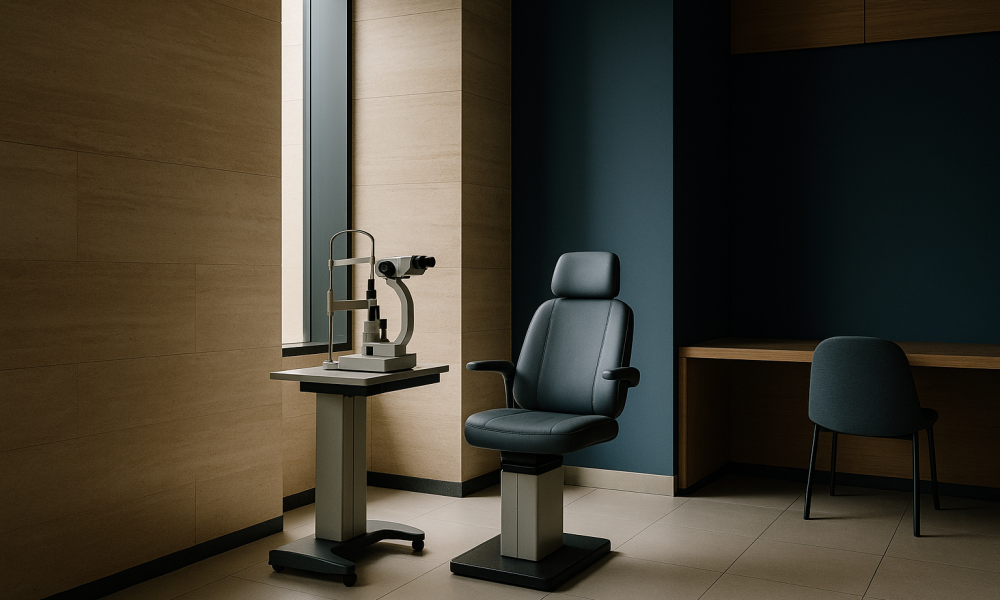
What Refractive Lens Exchange is and who it is for
Refractive Lens Exchange (RLE), also known as lens replacement surgery, is a procedure designed to correct vision problems such as myopia (nearsightedness), hyperopia (farsightedness), and presbyopia (age-related loss of near vision). In RLE, the eye’s natural lens is removed and replaced with an artificial intraocular lens (IOL) to improve vision clarity. This procedure is similar to cataract surgery, but it is primarily opted for by individuals who wish to reduce their dependence on glasses or contact lenses, especially when laser eye surgery is not suitable.
RLE is particularly beneficial for individuals over 40 who are experiencing presbyopia or those with high refractive errors that cannot be adequately corrected with laser procedures like LASIK. The procedure offers a permanent solution as the artificial lens does not age or deteriorate, thus eliminating the risk of cataract development in the future.
In Turkey, RLE is performed by highly skilled ophthalmologists in state-of-the-art facilities. The procedure typically takes about 15 to 30 minutes per eye and is conducted on an outpatient basis, meaning there is no need for an overnight hospital stay. Local anaesthesia is used to numb the eye, ensuring the patient feels no pain during the procedure. Most patients report a significant improvement in vision within a few days, with full recovery expected in about four to six weeks.
While the cost of RLE can vary depending on the type of intraocular lens chosen and the specific clinic, patients can generally expect to pay between £1,500 and £3,000 per eye in Turkey. This is often significantly more affordable compared to prices in Australia, making Turkey a popular destination for medical tourists seeking high-quality yet cost-effective treatment options.
Are you a good candidate?
Determining whether you are a suitable candidate for Refractive Lens Exchange involves a comprehensive eye examination and consultation with an ophthalmologist. Ideal candidates are those who are seeking a long-term solution for vision correction and are either unsuitable for or have not achieved desired results with laser eye surgery.
Here are some key criteria to consider when evaluating your candidacy for RLE:
- Age: Typically, candidates are over 40 years old. This is because presbyopia, a condition RLE effectively addresses, generally begins to affect individuals around this age.
- Vision Stability: Your prescription should be stable, meaning no significant changes in your vision prescription for at least one year.
- Eye Health: You should not have any active eye diseases such as glaucoma, retinal detachment, or untreated cataracts. Your corneas should also be healthy.
- Overall Health: General good health is important. Conditions such as uncontrolled diabetes or autoimmune diseases may affect healing and outcome.
- Refractive Errors: You have high refractive errors that are not adequately corrected by glasses or contact lenses or are unsuitable for laser correction.
- Expectations: You have realistic expectations about the outcomes of the procedure. While most patients experience significant improvement, complete independence from glasses may not be guaranteed.
It’s crucial to have a thorough discussion with your ophthalmologist about any concerns or questions you may have. They will perform detailed diagnostics to ensure you meet all necessary criteria and that RLE is the best option for your specific vision needs.
The procedure, step by step
Refractive Lens Exchange (RLE), also known as lens replacement surgery, is a procedure designed to reduce or eliminate dependency on glasses or contact lenses. It involves replacing the eye’s natural lens with an artificial intraocular lens (IOL) to correct refractive errors. Here’s a detailed step-by-step overview of what you can expect during the procedure:
- Initial Consultation: Prior to the procedure, you’ll undergo a thorough eye examination. This includes measuring your eye’s length, corneal curvature, and overall eye health to determine the most suitable IOL for your needs. Expect discussions about your vision goals and any medical conditions that might affect the surgery.
- Pre-operative Preparation: On the day of the surgery, you will be advised to avoid eating or drinking anything for a specified period before the procedure, typically around 6 to 8 hours. You will also be given a series of eye drops to prevent infection and dilate your pupils.
- Local Anaesthesia: The procedure is performed under local anaesthesia, ensuring you remain awake but feel no pain. Anaesthetic eye drops are used, and sometimes a mild sedative is given to help you relax.
- Creating the Incision: A small incision, usually about 2-3 mm, is made at the edge of the cornea. This incision is self-sealing and generally does not require stitches.
- Removing the Natural Lens: A tiny probe is inserted through the incision to break up the natural lens using ultrasound energy, a process known as phacoemulsification. The fragmented lens is then gently suctioned out.
- Inserting the Artificial Lens: Once the natural lens is removed, the IOL is folded and inserted through the same incision. It unfolds inside the eye and is positioned securely in the lens capsule.
- Final Adjustments and Closure: The surgeon will make any necessary final adjustments to ensure the IOL is correctly positioned. The incision is checked to ensure it is watertight, which helps prevent infection and promotes healing.
- Post-operative Care: After the procedure, you will rest in a recovery area for a short period. Your eye will be covered with a protective shield, and you will receive post-operative instructions, including medication usage and activity restrictions.
The entire procedure typically takes about 15 to 30 minutes per eye, and both eyes can often be treated on the same day or within a week, depending on individual circumstances and surgeon recommendations.
Recovery timeline
Recovery from Refractive Lens Exchange is generally swift, but it varies from person to person. Below is a typical recovery timeline, outlining what you might expect and important care notes:
| Period | What to Expect | Care Notes |
|---|---|---|
| Day 1 | Some blurriness and sensitivity to light are common. You may experience mild discomfort or a gritty sensation. | Avoid rubbing your eyes. Use prescribed eye drops to prevent infection and reduce inflammation. Wear the protective shield while sleeping. |
| Week 1 | Vision should begin to stabilise, although some fluctuations are normal. Most patients notice significant improvement in clarity. | Continue using eye drops as directed. Avoid strenuous activities and swimming. Attend the scheduled follow-up appointment with your surgeon. |
| Week 2-4 | Visual acuity continues to improve. Glare or halos around lights may persist but should diminish over time. | Gradually resume normal activities but still avoid heavy lifting or contact sports. Keep adhering to eye drop regimen. |
| 1-3 Months | By this time, most patients achieve optimal vision. Any residual glare or halos typically resolve. | Attend any additional follow-up appointments. Discuss with your doctor if any vision issues persist. |
| Full Recovery | Complete recovery and stabilisation of vision are usually achieved within 3 to 6 months. | Maintain routine eye exams to monitor eye health and IOL stability. Report any unusual symptoms to your doctor. |
Remember, individual recovery experiences can vary, and it’s crucial to follow your surgeon’s specific care instructions to ensure the best possible outcome.
What it costs: Turkey vs Australia
When considering refractive lens exchange (RLE) as a treatment option, cost is a significant factor for many patients. Prices for medical procedures can vary widely between countries, and Turkey has become a popular destination for those seeking high-quality care at more affordable prices. It’s essential to compare the indicative costs and understand what is typically included in the packages offered.
| Country | Indicative Price Range (AUD) | Typical Package Inclusions |
|---|---|---|
| Turkey | 4,000 – 7,000 |
|
| Australia | 6,000 – 10,000 |
|
The pricing in Turkey is notably lower, which can be attributed to various factors such as lower operational costs and a favourable exchange rate. It’s important to note that these figures are indicative and can vary depending on the specific clinic and the complexity of the case.
Patients should also consider the potential additional costs that may arise, such as travel expenses, meals, and any extended stay requirements. In Turkey, many healthcare providers offer comprehensive packages that cover these aspects, making the overall experience more manageable and predictable. It’s advisable to discuss all potential costs with the provider beforehand to ensure clarity and avoid any unforeseen expenses.
While cost savings are an attractive factor, prospective patients should balance this with considerations of quality and safety. Evaluating the credentials of the medical team, the accreditation of the facility, and patient reviews can help ensure that the treatment meets high standards.
Risks and how accredited providers manage them
Refractive lens exchange, like any surgical procedure, carries certain risks. It is crucial for potential patients to be aware of these risks to make informed decisions. Common risks associated with RLE include infection, bleeding, retinal detachment, and vision disturbances such as glare or halos. While these complications are relatively rare, they should not be ignored.
In Turkey, accredited providers implement stringent measures to mitigate these risks. They follow international standards for hygiene and patient safety, ensuring that the surgical environment is sterile and that all instruments are properly sanitised. Providers typically employ highly experienced surgeons who are well-versed in advanced techniques, reducing the likelihood of complications.
Pre-operative assessments are thorough and aimed at identifying any potential risk factors that could affect the outcome. These assessments include detailed eye examinations and medical history reviews to tailor the treatment plan to the individual needs of the patient. Such personalised care is a hallmark of reputable clinics, emphasising patient safety and satisfaction.
Post-operative care is another critical component in managing risks. Accredited providers in Turkey offer comprehensive follow-up care, which includes multiple check-ups to monitor the healing process and address any issues promptly. Patients are given detailed instructions on post-operative care, including the use of prescribed eye drops to prevent infection and reduce inflammation.
Communication is key in managing patient expectations and ensuring a smooth recovery. Reputable clinics maintain open lines of communication with their patients, providing contact information for any concerns that may arise after the procedure. This proactive approach helps in early detection and management of potential complications.
Accredited facilities are regularly audited to ensure compliance with international healthcare standards. These audits cover various aspects, from surgical procedures to patient care protocols, ensuring that the clinic maintains high levels of safety and quality. Patients are encouraged to inquire about the accreditation status of their chosen clinic and seek testimonials from previous patients to gauge the provider’s reliability.
In summary, while risks are inherent in any surgical procedure, accredited providers in Turkey are well-equipped to manage them effectively. Through rigorous pre-operative assessments, skilled surgical techniques, and comprehensive post-operative care, these providers strive to minimise risks and enhance patient outcomes.
How to choose the right provider
When considering refractive lens exchange (RLE) in Turkey, selecting the right provider is critical to ensure a safe and successful procedure. Here are key factors to consider:
- Accreditation: Verify that the clinic is accredited by recognised international bodies such as the Joint Commission International (JCI) or the European Foundation for Quality Management (EFQM). Accreditation assures that the clinic adheres to international healthcare standards.
- Surgeon Experience: Research the surgeon’s qualifications and experience. Ideally, your surgeon should have extensive experience in performing RLE procedures, with a track record of successful outcomes. Look for surgeons who are members of reputable professional organisations, such as the European Society of Cataract and Refractive Surgeons (ESCRS).
- Aftercare: Comprehensive aftercare is crucial for recovery. Ensure the clinic offers detailed post-operative care plans, including regular follow-up visits and emergency contact options. Check if they provide guidance on managing potential side effects, such as dry eyes or halos.
- Red Flags: Be cautious of clinics that guarantee specific results, offer significantly lower prices than the market average, or pressure you into making quick decisions. Transparency in pricing, procedure details, and potential risks is vital.
Additionally, seek testimonials from previous patients and consider contacting them for firsthand experiences. Online reviews and forums can also provide insights into the clinic’s reputation and patient satisfaction.
Planning your trip
Planning your trip for refractive lens exchange in Turkey involves several logistical considerations to ensure a smooth experience. Here’s a suggested timeline and checklist:
- Timeline before Travel: Begin planning at least 2-3 months in advance. This allows ample time to research providers, schedule consultations, and arrange logistics. Secure your booking at least one month before the procedure.
- Documents: Ensure your passport is valid for at least six months beyond your planned return date. Obtain any necessary visas, and carry copies of your medical records, including eye prescriptions and previous surgeries. Ensure you have comprehensive travel insurance covering medical procedures.
- Length of Stay: Plan to stay in Turkey for at least 7-10 days. This duration allows for pre-operative consultations, the procedure itself, and initial post-operative assessments. It’s advisable to arrive a few days before the surgery to acclimate and attend preparatory appointments.
- Follow-up at Home: Arrange for follow-up care with an eye specialist in Australia before you travel. Your Turkish provider should communicate with your local specialist to ensure continuity of care. Regular check-ups post-surgery are crucial to monitor recovery and address any complications promptly.
Consider practical aspects such as accommodation close to the clinic, transportation options, and language assistance if needed. Turkey offers a range of accommodation options from budget to luxury hotels, often with special rates for medical tourists.
Frequently Asked Questions
What is the typical cost range for refractive lens exchange in Turkey?
The cost for refractive lens exchange in Turkey typically ranges from £1,500 to £3,000 per eye. This is an indicative range and can vary based on the clinic, the surgeon's experience, and the type of intraocular lens used. Always ensure the quoted price includes all necessary consultations, the surgery itself, and post-operative care.
Are there any hidden fees associated with the procedure?
Reputable clinics should provide a detailed breakdown of all costs upfront. However, potential additional expenses might include pre-operative consultations, post-operative medications, and follow-up visits. It is important to clarify what is included in the quoted price and ask for a comprehensive list of any possible extra charges.
How can I verify the qualifications of my surgeon?
You can verify the surgeon's qualifications by checking their membership in reputable professional organisations such as the European Society of Cataract and Refractive Surgeons (ESCRS). Additionally, request information on their training, years of experience, and the number of RLE procedures they have performed. Patient testimonials and online reviews can also provide insights.
Is refractive lens exchange safe?
Refractive lens exchange is generally considered safe, with a high success rate. However, as with any surgical procedure, there are risks involved, such as infection or complications with the lens implant. Choosing a highly experienced surgeon and a clinic with excellent aftercare support significantly reduces these risks.
What kind of aftercare should I expect post-surgery?
Aftercare typically includes a series of follow-up visits to monitor your recovery, manage any side effects, and ensure the lens is functioning correctly. Clinics usually provide detailed instructions on eye care, activity restrictions, and medication use. Emergency contact options should also be available if you experience any concerning symptoms.
How long should I plan to stay in Turkey for the treatment?
It is advisable to plan a stay of 7-10 days in Turkey for refractive lens exchange. This allows for pre-operative consultations, the surgery, and initial post-operative assessments. Arriving a few days prior to the surgery can be beneficial for acclimating and preparing for the procedure.
Will I need to arrange follow-up care once I return to Australia?
Yes, it is important to arrange follow-up care with an eye specialist in Australia before you travel to Turkey. Your Turkish provider should communicate with your local specialist to ensure continuity of care. Regular check-ups post-surgery are crucial for monitoring recovery and addressing any complications promptly.
What documents do I need to prepare for my trip?
You will need a valid passport (with at least six months validity remaining), any necessary visas, and copies of your medical records, including eye prescriptions and details of any previous surgeries. Comprehensive travel insurance that covers medical procedures is also essential.
How can I ensure the clinic is reputable?
To ensure you choose a reputable clinic, verify its accreditation with recognised international bodies such as the Joint Commission International (JCI). Research the clinic's reputation through online reviews, patient testimonials, and forums. Transparency in communication and a comprehensive breakdown of costs are also indicators of a trustworthy provider.
What should I do if I experience complications after returning home?
If you experience complications after returning home, contact your local eye specialist immediately. Ensure you have a follow-up plan in place before leaving Turkey, and that your Turkish provider is available for consultation if needed. Prompt attention to any complications is crucial for effective management.
Can I combine my medical trip with tourism activities in Turkey?
While it is possible to engage in tourism activities before your procedure, it is advisable to take it easy after the surgery. Post-operative care often requires rest and limited physical activity to ensure optimal recovery. Discuss any plans with your surgeon to align them with your recovery schedule.
What are the red flags when choosing a clinic?
Red flags include clinics that guarantee specific outcomes, offer prices significantly below the average market range, or pressure you into quick decisions. Ensure the clinic provides transparent pricing, detailed information on the procedure and potential risks, and has a solid track record of patient satisfaction.