
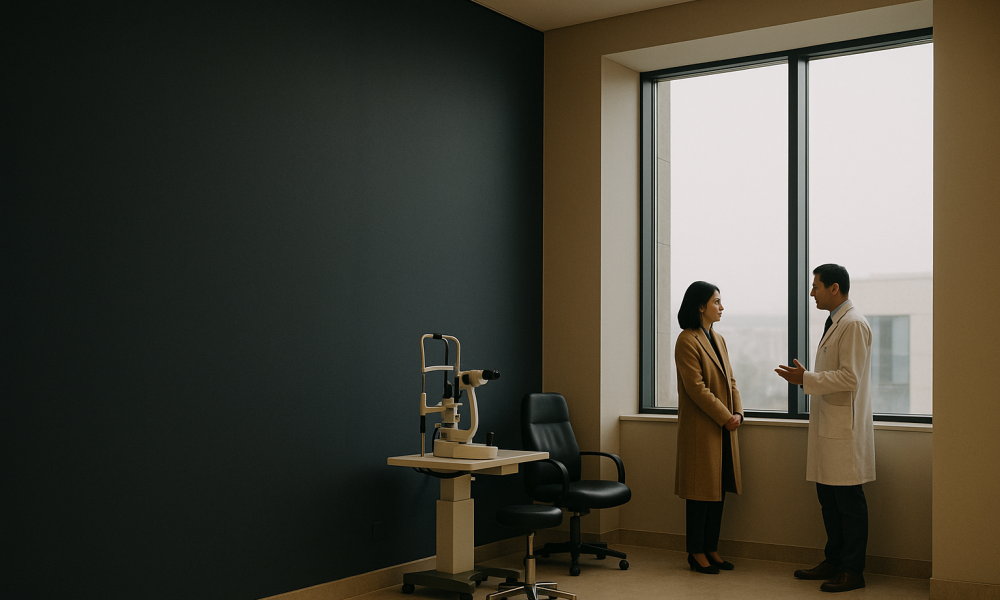
What Trifocal Lens Implants is and who it is for
Trifocal lens implants are a revolutionary advancement in vision correction technology, designed to address presbyopia and cataracts. These lenses provide a significant improvement over traditional bifocal lenses by offering three distinct focus points: near, intermediate, and distance vision. This technology is particularly beneficial for individuals over the age of 40 who are experiencing age-related vision changes, such as difficulty focusing on close objects, which is a common symptom of presbyopia.
The procedure involves the surgical implantation of an artificial lens into the eye, replacing the eye’s natural lens. This is typically done following cataract removal, but can also be performed as a standalone procedure for presbyopia correction. The surgery is minimally invasive, often completed within 15 to 30 minutes per eye, and is performed under local anaesthesia to ensure patient comfort.
Trifocal lens implants are suitable for individuals who wish to reduce their dependence on glasses or contact lenses. They are particularly advantageous for those who lead active lifestyles and require clear vision at multiple distances, such as reading, computer work, and driving. The lenses are designed to provide seamless vision across all distances, reducing the need for additional corrective eyewear.
While the procedure is generally safe, potential candidates should be aware of the risks and discuss these with their ophthalmologist. Common risks include infection, inflammation, and the possibility of lens dislocation. However, with modern surgical techniques and proper post-operative care, these risks are minimized. The recovery time is relatively short, with most patients returning to normal activities within a week and achieving full visual recovery within 4 to 6 weeks.
Trifocal lens implants in Turkey have gained popularity due to the high standards of medical care and cost-effectiveness. The typical cost for trifocal lens implantation in Turkey ranges from £1,500 to £3,000 per eye, which is considerably lower than in Canada, where similar procedures can cost significantly more. This makes Turkey an attractive destination for Canadians seeking high-quality, affordable eye care.
Are you a good candidate?
Determining whether you are a good candidate for trifocal lens implants involves several factors. This advanced procedure is not suitable for everyone, and a thorough evaluation by an eye care specialist is essential. Here are some key criteria to consider:
- Age: Ideal candidates are usually over 40, as presbyopia and cataracts typically develop with age.
- Eye Health: You should have healthy eyes, free from diseases such as retinal disorders or severe dry eye syndrome.
- Stable Vision: Your prescription should be stable for at least one year prior to surgery.
- Cataract Presence: If you have cataracts, trifocal lenses can replace your clouded natural lenses.
- Lifestyle Needs: Consider your daily activities. If you require clear vision at multiple distances and want to reduce dependency on glasses, trifocal lenses may be suitable.
- Realistic Expectations: Understand that while trifocal lenses can significantly improve vision, they may not completely eliminate the need for glasses, especially in low-light conditions.
- General Health: Good overall health is important to ensure proper healing post-surgery.
Before proceeding, a comprehensive eye examination will be conducted to assess your eye health and vision needs. This will include measurements of your eye’s shape and size, as well as a review of your medical history. It is crucial to openly discuss your expectations and any concerns with your ophthalmologist during the consultation. This will help tailor the procedure to your specific needs and determine if trifocal lens implants are the best option for you.
In Turkey, clinics offering trifocal lens implants are equipped with state-of-the-art technology and staffed by experienced ophthalmologists. The country’s reputation for high-quality medical care and competitive pricing makes it an attractive option for international patients. However, it’s important to choose a reputable clinic with a proven track record to ensure the best possible outcomes.
The procedure, step by step
Undergoing a trifocal lens implant procedure in Turkey is a well-structured process aimed at correcting presbyopia and enhancing vision at multiple distances. Here’s a detailed step-by-step guide to help you understand what to expect.
- Initial Consultation and Assessment: The journey begins with a comprehensive eye examination. This includes measuring the corneal curvature, assessing the lens power, and evaluating the health of your retina. Advanced diagnostic tests, such as optical coherence tomography (OCT) and corneal topography, may be used. This session is crucial to determine your eligibility for trifocal lenses and to tailor the treatment to your specific needs.
- Pre-operative Preparations: Once deemed suitable, you will receive pre-operative instructions. These may include ceasing the use of certain medications, especially anticoagulants, and using prescribed antibiotic eye drops to prevent infection. Fasting might be advised if sedation is planned.
- Arrival at the Surgical Facility: On the day of the surgery, you will arrive at the facility, typically a modern ophthalmology centre. You’ll be asked to fill out consent forms and undergo a brief health check to ensure you’re fit for the procedure.
- Anaesthesia and Preparation: The procedure is usually performed under local anaesthesia, delivered as eye drops or a mild sedative. This ensures comfort while keeping you awake. Your eye will be thoroughly cleaned and a sterile drape placed around it.
- Creating the Incision: A small incision, generally less than 3mm, is made at the edge of the cornea using a precise microkeratome or femtosecond laser. This small incision facilitates rapid healing.
- Lens Removal: The natural lens is emulsified using a technique called phacoemulsification. This involves using ultrasound waves to break up the lens into smaller pieces, which are then gently suctioned out.
- Inserting the Trifocal Lens: The selected trifocal lens is folded and inserted through the same incision. Once inside, it unfolds and is positioned securely within the lens capsule. The trifocal design allows for clear vision at near, intermediate, and far distances.
- Final Adjustments and Closure: The surgeon will make final adjustments to ensure the lens is correctly aligned. The incision is self-sealing, so stitches are rarely needed. An eye shield is placed to protect the eye post-surgery.
- Immediate Post-operative Care: You will be moved to a recovery area where your vitals will be monitored. After a brief period, usually about an hour, you’ll be discharged with specific post-operative instructions and medications.
Understanding each step can alleviate anxiety and help you prepare both mentally and physically for the procedure.
Recovery timeline
Recovery from a trifocal lens implant procedure is generally quick, but varies from person to person. Here’s a detailed timeline to guide you through the recovery process.
| Period | What to expect | Care notes |
|---|---|---|
| Day 1 | On the first day, you might experience mild discomfort, blurred vision, and a sensation of grittiness. These symptoms are normal and should subside gradually. | Use prescribed antibiotic and anti-inflammatory eye drops. Rest and avoid touching or rubbing your eye. Wear the protective shield while sleeping. |
| Week 1 | Vision should begin to stabilize, but some fluctuations are normal. You may notice halos or glare in bright lights, a common temporary effect. | Avoid strenuous activities and swimming. Continue using eye drops as directed. Attend your follow-up appointment to check healing progress. |
| Weeks 2-4 | By the end of the first month, most patients experience significant improvement in vision clarity at all distances. Any residual glare should continue to diminish. | Resume normal activities gradually. Protect your eyes from dust and wind. Sunglasses may help with light sensitivity. |
| Months 2-3 | Full recovery is typically achieved within this period. Visual acuity should be stable, with most side effects resolved. | Continue attending scheduled check-ups to monitor the lens position and eye health. Report any unusual symptoms immediately. |
| Beyond 3 Months | Long-term results are generally excellent, with maintained vision quality. Regular eye exams are recommended to ensure ongoing eye health. | Maintain a healthy lifestyle and eye care routine to support long-term eye health. Discuss any concerns with your ophthalmologist. |
This timeline serves as a general guide. Individual experiences may vary, and it is important to follow your surgeon’s specific advice for the best recovery outcomes.
5. What it costs: Turkey vs Canada
When considering trifocal lens implants, cost is a significant factor for many patients. In Turkey, medical tourism has become increasingly popular due to the competitive pricing and high standards of care. While costs can vary depending on the specific clinic and the complexity of the procedure, indicative price ranges can provide a general idea of what to expect.
| Country | Indicative Price Range (GBP) | Package Inclusions |
|---|---|---|
| Turkey | £1,800 – £3,500 |
|
| Canada | £4,500 – £7,000 |
|
It is important to note that the figures provided are indicative and can vary based on the patient’s specific needs, the choice of lens, and the clinic’s location and reputation. In Turkey, many clinics offer packages that include additional services such as accommodation and transportation, which can provide added convenience for international patients. These packages are designed to alleviate the stress of planning and logistics, allowing patients to focus on their recovery.
In contrast, the cost of trifocal lens implants in Canada is generally higher, and packages may not include the same level of comprehensive services. Patients considering surgery in Canada should also account for potential additional expenses, such as travel to and from the clinic, which are not typically included in the surgery cost.
When evaluating costs, it is crucial for patients to consider not only the financial aspect but also the quality of care and the credentials of the healthcare providers. Both Turkey and Canada offer high-quality medical services, but the value proposition in Turkey is often enhanced by the competitive pricing and comprehensive packages offered to international patients.
6. Risks and how accredited providers manage them
Like any surgical procedure, trifocal lens implant surgery carries certain risks, although they are generally low when performed by experienced professionals. Common risks include infection, inflammation, and dry eyes. More serious but rare complications may involve lens dislocation, glare, halos, or issues with night vision. Accredited providers in Turkey are well-equipped to manage these risks effectively through a combination of advanced technology and rigorous procedural protocols.
Prior to surgery, patients undergo thorough pre-operative assessments to ensure they are suitable candidates for trifocal lens implants. This includes a detailed review of their medical history, eye health, and any underlying conditions that might affect the surgery or recovery. Providers also use state-of-the-art diagnostic equipment to map the eye’s anatomy with precision, which aids in planning the surgery and selecting the appropriate lens type.
During the procedure, highly skilled ophthalmologists utilise advanced surgical techniques to minimise risks. The use of modern operating theatres equipped with the latest technology further contributes to patient safety. Accredited clinics typically adhere to international standards of hygiene and sterilisation to prevent infections, ensuring that all surgical instruments and equipment are meticulously cleaned and maintained.
Post-operatively, patients are closely monitored to detect any complications early. Follow-up appointments are scheduled to assess the healing process and address any concerns. Patients are given detailed post-operative care instructions, including guidelines on medication use, activity restrictions, and signs to watch for that might indicate complications. Accredited providers often have a dedicated team available to answer questions and provide support throughout the recovery period.
In the unlikely event of a complication, accredited providers in Turkey have protocols in place to manage them promptly. This may include additional treatments or corrective procedures if necessary. The emphasis on patient safety and satisfaction is a hallmark of reputable clinics, and their commitment to quality care is reflected in their approach to managing risks associated with trifocal lens implants.
Ultimately, while the risks associated with trifocal lens implants are low, they cannot be entirely eliminated. Patients are encouraged to discuss any concerns with their healthcare provider and to ensure they choose an accredited clinic with a proven track record of successful outcomes and high patient satisfaction. By doing so, they can make informed decisions and proceed with confidence, knowing that their care is in capable hands.
How to choose the right provider
Choosing the right provider for trifocal lens implants is a crucial step in your medical journey. In Turkey, numerous clinics offer these services, but selecting the right one requires careful consideration of several factors.
Accreditation: Ensure that the clinic is accredited by reputable international healthcare organisations such as the Joint Commission International (JCI). Accreditation signifies that the facility adheres to high standards of medical care and patient safety. You should also verify if the clinic is recognised by Turkish regulatory bodies, as this ensures compliance with national healthcare standards.
Surgeon Experience: Research the experience and qualifications of the ophthalmic surgeons. A surgeon with a specialisation in refractive lens exchange or cataract surgery and a history of performing numerous trifocal lens implantations is preferable. Look for information about their education, international training, and any published research or case studies that can provide insight into their expertise.
Aftercare: Quality aftercare is essential for a successful outcome. Ensure the clinic offers a comprehensive aftercare programme, including follow-up appointments and 24/7 access to medical advice during the recovery period. Check whether they provide a clear aftercare plan, outlining steps to monitor your recovery and address any complications that might arise.
Red Flags: Be wary of clinics that make improbable guarantees or offer prices significantly lower than the average range of £1,500 to £3,000 per eye. A lack of transparency in discussing potential risks and complications is another red flag. Ensure that the clinic provides detailed information about the procedure, including potential risks and realistic outcomes.
In summary, a well-informed choice involves checking accreditation, verifying surgeon credentials, ensuring robust aftercare, and being aware of potential red flags. Doing so can help you find a provider that meets your needs and expectations.
Planning your trip
Planning your medical journey to Turkey for trifocal lens implants involves several steps to ensure a smooth experience. Here’s a detailed guide to help you prepare efficiently.
Timeline Before Travel: Begin planning at least two to three months in advance. This allows ample time for consultations, organising travel documents, and arranging accommodation. Initial consultations can often be conducted virtually, providing a preliminary assessment and treatment plan.
Documents: Ensure your passport is valid for at least six months beyond your intended stay. You may need a tourist visa, which can often be obtained online through the Turkish e-Visa system. Additionally, gather all medical documents, including previous eye exams and prescriptions, to share with your chosen clinic.
Length of Stay: Plan to stay in Turkey for at least one to two weeks. This duration allows time for the procedure, initial recovery, and follow-up appointments. The typical stay involves pre-operative consultations, the surgery itself, and post-operative evaluations to ensure everything is progressing as expected.
Follow-up at Home: Coordinate with an ophthalmologist in Canada for follow-up care. This is crucial for monitoring your healing process and addressing any complications that may arise after you return home. Ensure you have a clear understanding of the follow-up schedule and the signs that warrant immediate medical attention.
In conclusion, meticulous planning of your trip, from timeline to follow-up care, is essential for a successful medical journey. By organising these aspects well in advance, you can focus on your recovery and enjoy the benefits of improved vision.
Frequently Asked Questions
What are the typical costs of trifocal lens implants in Turkey?
The cost of trifocal lens implants in Turkey typically ranges from £1,500 to £3,000 per eye. This price often includes the surgery, pre-operative consultations, and immediate post-operative care. However, it is advisable to confirm what is included in the quoted price, as some clinics may charge separately for additional services such as extended aftercare or medications. Always discuss costs upfront to avoid unexpected expenses.
How do the costs in Turkey compare to those in Canada?
Trifocal lens implants in Turkey are generally more affordable compared to Canada. In Canada, prices can range from £3,500 to £5,000 per eye, whereas in Turkey, they typically range from £1,500 to £3,000 per eye. The lower costs in Turkey are due to various factors, including lower operational costs and favourable exchange rates. However, always consider travel and accommodation expenses when calculating the total cost.
Is it safe to undergo trifocal lens implant surgery in Turkey?
Yes, it is generally safe to undergo trifocal lens implant surgery in Turkey, provided you choose a reputable clinic. Look for clinics accredited by international bodies like the Joint Commission International (JCI) and ensure the surgeons have substantial experience. Turkey is known for its high medical standards, but as with any surgical procedure, there are inherent risks, so thorough research and consultation are crucial.
How long will I need to stay in Turkey post-surgery?
You should plan to stay in Turkey for at least one to two weeks after the surgery. This allows time for the procedure itself, as well as necessary follow-up appointments to monitor your recovery. The exact duration may vary based on individual recovery rates and any post-operative care required. Discuss your specific case with your chosen clinic to get a tailored recommendation.
What should I pack for my medical trip to Turkey?
Pack comfortable clothing, as you may need to rest post-surgery. Include all necessary medical documents, medications, and personal items. Consider bringing sunglasses to protect your eyes after surgery. Having a travel insurance policy that covers medical care abroad is also recommended. Don’t forget adapters for electrical devices, as Turkey uses European-style plugs.
What is the recovery process like for trifocal lens implants?
Recovery from trifocal lens implant surgery is generally swift, with most patients experiencing significant vision improvement within a few days. However, full recovery can take several weeks, during which time you may need to use prescribed eye drops to prevent inflammation and infection. Your vision will gradually stabilise, and follow-up appointments will help ensure proper healing.
Can I fly immediately after the surgery?
It is generally recommended to avoid flying immediately after trifocal lens implant surgery. Most surgeons advise waiting at least a week before flying to minimise the risk of complications such as increased intraocular pressure. Always follow your surgeon’s specific advice regarding travel after surgery to ensure a safe recovery.
Will I need someone to accompany me for the surgery?
While not strictly necessary, having someone accompany you for the surgery is highly recommended. They can assist with logistics, support you during recovery, and help communicate with healthcare providers if needed. If travelling alone, ensure your clinic can provide adequate support and assistance during your stay.
How can I verify the credentials of a Turkish clinic?
You can verify a Turkish clinic's credentials by checking for international accreditations such as those from the Joint Commission International (JCI). Additionally, research the clinic's reputation through patient reviews and testimonials. Many clinics provide detailed information about their surgeons' qualifications and experience, which can be cross-verified with professional medical associations.
What is included in the typical trifocal lens implant package?
A typical trifocal lens implant package in Turkey may include the surgery itself, pre-operative consultations, post-operative care, and sometimes accommodation and transport between the airport and clinic. However, packages vary significantly, so confirm what is included with your chosen provider. Costs for medications, extended aftercare, or additional procedures may not be included.
Are there any risks associated with trifocal lens implants?
As with any surgical procedure, trifocal lens implants carry some risks, including infection, inflammation, or issues with the lens positioning. However, these risks are relatively low, especially when the surgery is performed by experienced surgeons in accredited clinics. Discuss potential risks and complications with your healthcare provider to make an informed decision.
What follow-up care will I need when I return to Canada?
After returning to Canada, you will need to schedule follow-up appointments with a local ophthalmologist to monitor your recovery and ensure the implants are functioning correctly. Follow-up care typically includes regular eye exams to check vision stability and eye health. Your Turkish clinic should provide a detailed aftercare plan to share with your Canadian healthcare provider.