
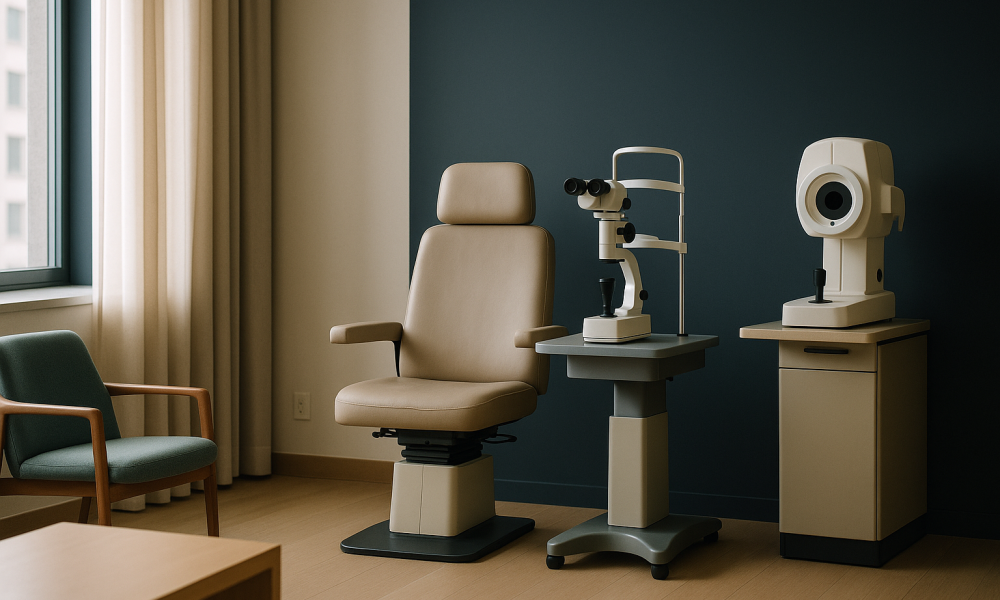
What Presbyopia Correction is and who it is for
Presbyopia is a common age-related condition that affects the eye’s ability to focus on close objects. Typically manifesting in individuals over the age of 40, it is caused by the gradual thickening and loss of flexibility of the eye’s lens. This condition is a natural part of the aging process and can significantly impact daily activities such as reading, using a mobile phone, or working on a computer.
In Turkey, presbyopia correction is available through various surgical options, each tailored to meet the specific needs of patients. The most common procedures include multifocal intraocular lenses (IOLs), laser-assisted in situ keratomileusis (LASIK) for presbyopia, and corneal inlays. These procedures aim to restore near vision while maintaining distance vision, thus reducing or eliminating the dependency on reading glasses.
Multifocal IOLs are typically used in cataract surgery and involve replacing the eye’s natural lens with an artificial one that provides multiple focal points. This method is effective for patients who also have cataracts. Laser procedures, such as LASIK, reshape the cornea to improve near vision, although they may not be suitable for everyone. Corneal inlays are tiny lenses or rings implanted into the cornea to improve near vision, offering a reversible option for those who are not ideal candidates for other surgeries.
These procedures are generally quick, with most surgeries completed within 15 to 30 minutes. They are performed under local anaesthesia, ensuring the patient remains comfortable throughout the process. Recovery times vary; however, most patients can return to work within one to two days and achieve full recovery within one to two weeks. While some results may be visible immediately, it is important to note that full visual acuity may take time to stabilise.
Presbyopia correction in Turkey is recognised for its high standards of care and competitive pricing, with indicative costs ranging from €1,500 to €3,000, depending on the specific procedure and facility chosen. It is crucial for prospective patients to have realistic expectations and to consult with qualified ophthalmologists to determine the most suitable treatment plan.
Are you a good candidate?
Determining whether you are a suitable candidate for presbyopia correction involves several factors. Each individual’s eye health and lifestyle needs must be carefully evaluated to ensure the chosen procedure aligns with their vision goals and overall health considerations. Here is a checklist to help assess candidacy:
- Age: Most candidates are over 40 years old, as presbyopia typically develops with age.
- Eye Health: Candidates should have generally healthy eyes, free from conditions such as severe dry eyes, glaucoma, or retinal disorders.
- Overall Health: Good general health is important, as certain systemic conditions might affect surgical outcomes.
- Vision Stability: Candidates should have a stable vision prescription for at least one year.
- Realistic Expectations: Understanding the potential outcomes and limitations of surgery is crucial for satisfaction.
- Previous Eye Surgery: A history of certain eye surgeries may influence eligibility or procedure choice.
- Lifestyle Needs: Consider how much you rely on near vision for daily activities and how much you wish to reduce dependency on glasses.
It is essential to have a comprehensive eye examination and consultation with an ophthalmologist to discuss these factors in detail. The ophthalmologist will evaluate the structure and condition of your eyes, review your medical history, and discuss your vision goals to recommend the most appropriate treatment. This personalised approach helps ensure the best possible outcomes and patient satisfaction.
In Turkey, the availability of advanced diagnostic tools and experienced surgeons provides confidence that patients will receive a thorough assessment and a tailored treatment plan. While presbyopia correction can significantly improve quality of life, it is not suitable for everyone, and careful consideration of individual circumstances is necessary.
The procedure, step by step
Presbyopia correction typically involves several procedural steps, each carefully designed to improve vision. These procedures can vary depending on the technique chosen, such as LASIK, PRK, or lens replacement. Below is a general outline of the steps involved in a common presbyopia correction procedure like laser-assisted in situ keratomileusis (LASIK):
- Initial Consultation: This is a crucial step where a detailed eye examination is conducted. Patients undergo tests to measure corneal thickness, pupil size, and eye conditions. This consultation helps determine the suitability of the patient for the procedure.
- Pre-operative Preparations: Before the surgery, patients are advised to stop wearing contact lenses for a specified period, typically 1 to 2 weeks, to allow the cornea to return to its natural shape. On the day of the surgery, patients are advised to avoid using lotions, perfumes, or makeup.
- Administration of Anaesthetic Drops: Local anaesthetic eye drops are administered to numb the eyes and ensure the procedure is pain-free. This step is crucial for patient comfort during the surgery.
- Creation of a Corneal Flap: Using a microkeratome or a femtosecond laser, a thin flap is created on the cornea. This flap is carefully lifted to allow access to the underlying corneal tissue. The creation of this flap is a precise step that takes just a few seconds.
- Reshaping the Cornea: An excimer laser is used to reshape the corneal tissue. This laser emits a cool ultraviolet light beam that removes microscopic amounts of tissue to refocus light entering the eye. The amount of tissue removed is meticulously calculated based on the patient’s specific refractive error.
- Repositioning the Corneal Flap: The corneal flap is gently repositioned back onto the cornea. It naturally adheres without the need for stitches due to the natural bonding properties of the corneal tissue.
- Post-operative Evaluation: After the procedure, the surgeon will examine the eye to ensure the flap is properly positioned and no immediate complications are present. Patients are given protective eyewear and specific post-operative care instructions.
Each step in the LASIK procedure is designed to enhance precision and safety, minimising risks and promoting successful outcomes. Patients typically experience improved vision soon after the procedure, with full recovery varying based on individual healing rates.
Recovery timeline
The recovery timeline after presbyopia correction can vary depending on the individual and the specific procedure undertaken. However, there are common stages of recovery that most patients can expect. Below is a detailed table outlining the recovery timeline from day one to full recovery:
| Period | What to expect | Care notes |
|---|---|---|
| Day 1 | Patients may experience mild discomfort, tearing, and blurred vision. Eyes may feel gritty or sensitive to light. | Rest is essential. Avoid rubbing the eyes. Use prescribed eye drops to prevent infection and reduce inflammation. |
| Day 2 to 7 | Vision begins to stabilise, though fluctuations are common. Light sensitivity may persist, and some patients may notice halos or glare. | Continue using eye drops as directed. Wear sunglasses when outdoors to protect eyes from UV light. Attend follow-up appointments to monitor progress. |
| Week 2 to 4 | Improvement in vision clarity is often noticeable. Most discomfort should subside, and patients can typically resume normal activities. | Avoid swimming and strenuous activities to prevent eye strain. Continue with protective eyewear as needed. |
| Month 1 to 3 | Vision should be significantly improved, with most patients achieving desired visual acuity. Minor fluctuations may still occur. | Regular check-ups are important to ensure proper healing. Follow any additional care instructions provided by your healthcare provider. |
| Full Recovery (up to 6 months) | Complete stabilisation of vision is expected. Long-term results depend on adherence to post-operative care and individual healing. | Maintain regular eye exams to monitor eye health. Report any unusual symptoms to your ophthalmologist immediately. |
Throughout the recovery process, following your healthcare provider’s instructions is crucial for achieving the best possible outcome. While many patients experience significant improvements within weeks, full recovery can take up to six months.
5. What it costs: Turkey vs Europe
When considering presbyopia correction, cost is a significant factor for many patients. The financial aspect often influences the decision to seek treatment abroad, and Turkey has emerged as a popular destination due to its competitive pricing compared to many European countries. However, it is essential to understand that costs can vary based on several factors, including the type of procedure, the clinic’s location, and the specific services included in the package.
Below is a comparative table that provides indicative price ranges for presbyopia correction procedures in Turkey versus Europe. Please note that these figures are indicative and can fluctuate based on individual circumstances and clinic offerings:
| Procedure | Turkey (Indicative Range) | Europe (Indicative Range) |
|---|---|---|
| Monovision LASIK | €1,000 – €1,800 per eye | €2,000 – €3,500 per eye |
| Conductive Keratoplasty | €900 – €1,500 per eye | €1,800 – €3,000 per eye |
| PresbyLASIK | €1,200 – €2,000 per eye | €2,500 – €4,000 per eye |
| Refractive Lens Exchange | €1,500 – €2,500 per eye | €3,000 – €5,000 per eye |
In Turkey, the cost of presbyopia correction typically includes more than just the surgical procedure. Most clinics offer comprehensive packages that may cover pre-operative assessments, the surgery itself, post-operative care, and even accommodation and transportation for international patients. This all-inclusive approach not only provides convenience but also ensures that patients have a clear understanding of the total cost involved without unexpected expenses.
In contrast, in many European countries, the quoted price for the surgical procedure often excludes additional services such as follow-up consultations, medications, or any potential corrective treatments required after the initial surgery. Therefore, while the initial cost may appear comparable, the overall expenditure can be significantly higher once all factors are considered.
It is crucial for prospective patients to engage in thorough research and communicate directly with clinics to understand exactly what is included in the quoted price. This ensures transparency and allows for accurate budgeting. Patients should also consider the quality of care, the expertise of the surgical team, and the accreditation of the facility when making their decision, as these factors are integral to achieving a successful outcome.
6. Risks and how accredited providers manage them
As with any surgical procedure, presbyopia correction carries certain risks. These risks can vary depending on the specific type of procedure performed. Common risks associated with presbyopia correction include dry eyes, glare, halos around lights, under-correction or over-correction of vision, and in rare cases, infection or significant loss of vision.
Accredited providers in Turkey are well-equipped to manage these risks, ensuring that patients receive high-quality care throughout their treatment journey. Accreditation from recognised international bodies signifies that a clinic adheres to stringent standards regarding safety, hygiene, and quality of care.
Pre-operative assessments are a critical component of risk management. Accredited clinics conduct thorough examinations to determine a patient’s suitability for surgery. This includes assessing the patient’s overall eye health, refractive error, and any underlying conditions that may affect the outcome. By identifying potential contraindications beforehand, surgeons can minimise the risk of complications.
During the procedure, the use of state-of-the-art technology and equipment is another factor in risk mitigation. Advanced laser systems and precision instruments help ensure the accuracy of the surgery, reducing the likelihood of errors. Surgeons in accredited clinics are typically highly trained and experienced, which further contributes to the safety and efficacy of the procedure.
Post-operative care is equally important in managing risks. Accredited providers offer comprehensive follow-up schedules to monitor the patient’s recovery and address any complications early. These follow-ups include regular eye examinations and consultations to ensure that healing is progressing as expected and to provide additional treatments if necessary.
Patient education is also a cornerstone of risk management. Accredited clinics prioritise informing patients about what to expect before, during, and after the procedure. This includes instructions on post-operative care, recognising signs of potential complications, and knowing when to seek medical advice. By empowering patients with knowledge, clinics help ensure that patients are active participants in their recovery process.
While no surgical procedure is entirely without risk, choosing an accredited provider in Turkey can significantly mitigate these risks. The combination of rigorous pre-operative assessments, advanced technology, skilled surgeons, and comprehensive post-operative care provides a robust framework for ensuring patient safety and achieving satisfactory outcomes.
How to choose the right provider
When selecting a provider for presbyopia correction in Turkey, it is crucial to consider several key factors to ensure a safe and effective experience. Accreditation is a primary consideration. Look for facilities that are accredited by international organisations such as the Joint Commission International (JCI) or the International Organization for Standardization (ISO). These accreditations indicate adherence to international healthcare standards, ensuring quality and safety.
The experience of the surgeon is another critical aspect. Investigate the surgeon’s qualifications, including their education, training, and years of experience specifically in presbyopia correction procedures like LASIK, PRK, or lens implants. A surgeon with a substantial track record, ideally over ten years and thousands of successful surgeries, is preferable. Additionally, ask about their participation in ongoing education and training to stay updated with the latest advancements.
Aftercare is an often overlooked yet vital part of the treatment process. A reputable provider will offer comprehensive aftercare services, including follow-up appointments and a clear plan for managing any potential complications. Ensure that the provider has a robust system for post-operative care, possibly including partnerships with ophthalmologists in your home country for seamless follow-up.
Be aware of red flags that may indicate a less reliable provider. These include lack of transparency about costs, reluctance to provide detailed information about the procedures and outcomes, and high-pressure sales tactics. A trustworthy provider will offer clear, upfront information and allow you to make informed decisions without undue pressure.
Finally, consider patient reviews and testimonials. While individual experiences can vary, consistent patterns of positive feedback are indicative of a reliable provider. Look for reviews on independent platforms rather than solely on the provider’s website to get a balanced perspective.
Planning your trip
Planning your medical trip to Turkey for presbyopia correction involves several important steps to ensure a smooth process. Begin by establishing a timeline. Ideally, you should start planning your trip at least three months in advance. This allows ample time to research and choose a provider, book appointments, and organise travel arrangements.
Documentation is crucial. Ensure your passport is valid for at least six months beyond your planned return date. Check visa requirements for your specific country; many European citizens can enter Turkey visa-free for short stays, but it is essential to verify this based on your nationality. Additionally, gather all medical records related to your vision and any other pertinent health information to share with your chosen provider.
Consider the length of your stay. Typically, you should plan for at least a week in Turkey. This includes time for pre-operative consultations, the procedure itself, and initial recovery and follow-up appointments. Some procedures allow you to return home within a few days, while others may require a longer stay. Discuss this with your provider to tailor your itinerary.
After returning home, follow-up care is vital. Coordinate with your local ophthalmologist for regular check-ups. Your Turkish provider should supply a detailed report of your procedure and a follow-up plan to share with your home-based doctor. This collaboration ensures continuity of care and addresses any post-surgical concerns promptly.
Finally, consider practical travel logistics, such as booking accommodation close to the clinic, arranging airport transfers, and purchasing travel insurance that covers medical tourism. This preparation helps mitigate any unforeseen issues and contributes to a stress-free experience.
Frequently Asked Questions
How much does presbyopia correction in Turkey typically cost?
The cost of presbyopia correction in Turkey varies depending on the specific procedure and clinic. Generally, LASIK or PRK procedures can range from £1,000 to £2,500. Lens implant surgeries may range from £2,500 to £4,000 per eye. These figures are indicative and can vary based on the provider's experience, technology used, and the complexity of your case. It's important to get a detailed quote from your clinic, including all associated costs.
What should I consider when budgeting for presbyopia correction abroad?
When budgeting for presbyopia correction, consider the procedural costs as well as associated expenses. These include travel (flights and local transport), accommodation, meals, and travel insurance. You should also account for any pre-operative consultations and post-operative follow-up appointments. It's advisable to have a contingency fund for unexpected expenses. Discuss with your provider whether any package deals are available that might cover several of these aspects.
Is presbyopia correction surgery safe in Turkey?
Presbyopia correction surgery in Turkey is generally safe, particularly when performed by experienced and qualified surgeons in accredited facilities. Turkey has a strong reputation for medical tourism, and many clinics adhere to international standards. However, as with any surgery, there are risks involved. To minimise these, ensure your chosen provider has the necessary accreditations and a strong track record of successful outcomes. Thoroughly discuss potential risks and complications with your surgeon prior to proceeding.
What type of presbyopia correction is best for me?
The best type of presbyopia correction depends on individual factors such as your age, prescription, lifestyle, and eye health. Options include LASIK, PRK, lens implants, or multifocal contacts. An in-depth consultation with an ophthalmologist will help determine the most suitable treatment. They will assess your eyes and discuss your visual needs and preferences to recommend the most appropriate procedure for your situation.
How long is the recovery period after presbyopia correction?
The recovery period varies by procedure. LASIK and PRK often allow patients to return to normal activities within a few days, though full visual recovery can take weeks. Lens implant surgeries typically require a slightly longer recovery. Most patients can resume daily activities within a week, but achieving optimal vision may take several weeks. Your surgeon will provide specific guidelines based on your procedure and individual healing process.
Will I need to return to Turkey for follow-up appointments?
While initial follow-up appointments are usually held in Turkey, ongoing care can often be managed in your home country. Your Turkish provider should coordinate with your local ophthalmologist to ensure continuity of care. It's essential to have a clear follow-up plan before returning home to address any post-surgical concerns and monitor your recovery.
What should I pack for my medical trip to Turkey?
Pack comfortable clothing and essentials for your medical trip to Turkey. Include any prescribed medications, travel documents, and medical records. Sunglasses can help protect your eyes post-surgery, and a hat may provide additional comfort. Consider packing leisure items for relaxation during recovery, such as books or a tablet. Ensure you also have travel insurance documents readily accessible.
How soon after surgery can I fly back home?
The time before you can fly home depends on the type of surgery and your individual recovery. Generally, patients are advised to wait at least a week before flying to ensure initial healing processes are stable. Discuss specific timelines with your surgeon, as they will provide guidance based on your procedure and recovery progress.
What are the risks of presbyopia correction surgery?
As with any surgery, presbyopia correction carries potential risks, including infection, dry eyes, glare, halos, or under/over-correction. Serious complications are rare, particularly when performed by experienced surgeons. It's crucial to discuss potential risks with your provider and understand how they manage complications. Preoperative assessments are vital to mitigate risks and tailor the procedure to your specific needs.
Can I combine my medical trip with a holiday in Turkey?
Combining your medical trip with a holiday can be feasible, but it depends on the nature of your procedure and recovery needs. While some leisure activities may be possible, strenuous activities or extensive travel immediately post-surgery are not advisable. Discuss your travel plans with your surgeon to determine appropriate activities and ensure your recovery is not compromised.
What is the success rate of presbyopia correction surgeries in Turkey?
Success rates for presbyopia correction surgeries in Turkey are generally high, particularly in accredited clinics with experienced surgeons. Most patients achieve significant improvement in vision. However, outcomes can vary based on individual factors such as age, eye health, and the specific procedure. It's crucial to have realistic expectations and discuss potential outcomes thoroughly with your surgeon.
How do I verify a clinic's accreditation?
To verify a clinic's accreditation, look for certification by reputable international organisations such as the Joint Commission International (JCI) or the International Organization for Standardization (ISO). You can usually find this information on the clinic's website or by contacting them directly. Additionally, check independent reviews and consult medical tourism agencies for recommendations on reputable clinics.