
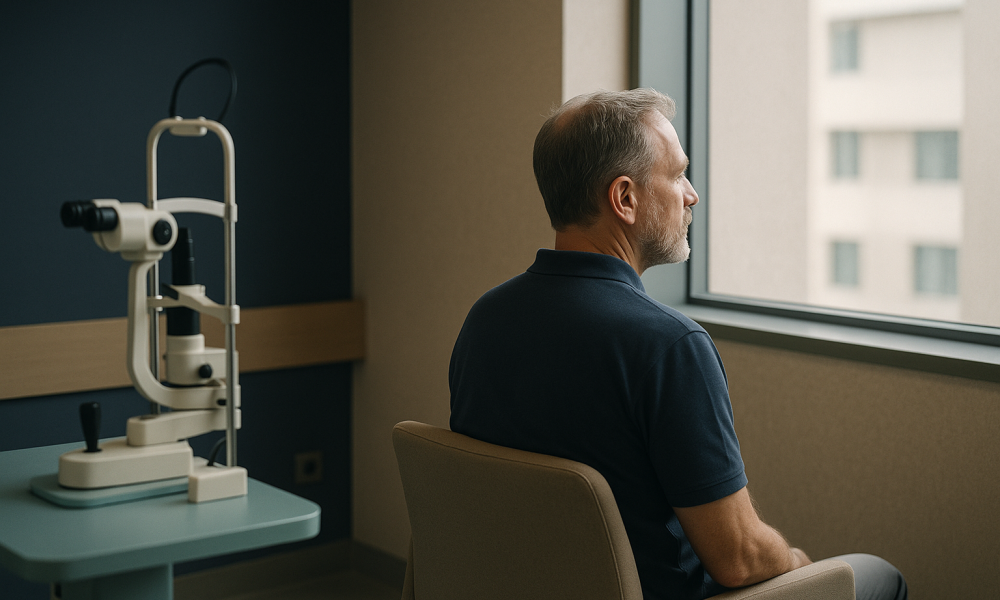
What Presbyopia Correction is and who it is for
Presbyopia is a common vision condition that typically begins to affect individuals in their 40s or 50s, where the eye’s lens loses flexibility, making it difficult to focus on close objects. This condition is a natural part of aging and affects nearly everyone to some degree. Fortunately, presbyopia correction procedures are available to help mitigate these effects. These procedures aim to restore clear vision across various distances by enhancing the eye’s focus ability.
There are several methods of presbyopia correction, including surgical and non-surgical options. Surgical options often involve procedures such as laser eye surgery, lens implants, or corneal inlays. Each of these methods has its unique approach. For instance, laser eye surgery might involve techniques like LASIK or PRK, which reshape the cornea to improve focus. Lens implants, such as multifocal or accommodating lenses, replace the eye’s natural lens, providing a range of focus. Corneal inlays are small devices inserted into the cornea to enhance near vision.
Non-surgical options primarily include the use of corrective lenses such as reading glasses or bifocals, which are the most straightforward approach but do not address the underlying issue permanently. For those seeking a more lasting solution, surgical interventions in Turkey offer a compelling choice due to their combination of high-quality care and cost-effectiveness.
Presbyopia correction in Turkey is particularly appealing due to the country’s advanced healthcare infrastructure and experienced ophthalmologists. The procedures performed adhere to international standards, with clinics utilising state-of-the-art technology. Patients often benefit from significant cost savings, with procedures typically ranging from £1,200 to £2,500, depending on the technique and clinic chosen. This is considerably lower than the costs in the UK, Europe, and North America, making Turkey an attractive destination for medical tourism.
Are you a good candidate?
Determining whether you are a suitable candidate for presbyopia correction involves several factors. It is essential to undergo a comprehensive eye examination and consult with an ophthalmologist to evaluate your specific needs and condition. Generally, good candidates for presbyopia correction are those who wish to reduce their dependency on reading glasses or bifocals and have realistic expectations about the outcomes.
The following checklist can help you assess your candidacy for presbyopia correction procedures:
- Age: Typically, candidates are 40 years or older, as this is when presbyopia commonly develops.
- Overall Eye Health: Candidates should have healthy eyes free from conditions such as glaucoma, cataracts, or severe dry eye syndrome.
- Vision Stability: Your prescription should be stable for at least a year before considering surgery.
- General Health: Being in good overall health is important; conditions like uncontrolled diabetes or autoimmune diseases may affect healing.
- Realistic Expectations: Understanding the potential outcomes and limitations of the procedure is crucial.
- Willingness to follow post-operative care instructions: Adherence to follow-up appointments and care advice is essential for optimal results.
It is important to note that not everyone is a suitable candidate for all types of presbyopia correction procedures. For instance, those with thin corneas may not be eligible for laser surgery, while individuals with certain lens opacities might not benefit from lens implants.
Your ophthalmologist in Turkey will conduct a thorough assessment, including tests to measure your corneal thickness, pupil size, and refractive errors, to determine the most appropriate procedure for your needs. This personalised approach ensures that the treatment plan is tailored to your specific visual requirements and health profile.
The procedure, step by step
Presbyopia correction procedures in Turkey typically involve advanced laser or lens-based techniques. This section provides a detailed step-by-step overview of what patients can expect during a typical presbyopia correction procedure.
- Initial Consultation: Prior to the procedure, an initial consultation is conducted where the ophthalmologist assesses the patient’s eye health, vision requirements, and suitability for various correction methods. This may include a comprehensive eye examination and discussing medical history. Patients should expect this consultation to last about 1 to 2 hours.
- Pre-Procedure Preparations: Once a suitable method is chosen, pre-procedure preparations are underway. Patients are advised to avoid wearing contact lenses for a few days before the procedure and may be given antibiotic eye drops to prevent infection. Instructions on fasting or avoiding certain medications might also be provided.
- The Day of the Procedure: On the day of the procedure, patients are usually required to arrive an hour before the scheduled time. They will undergo final assessments, and the eye area will be cleaned thoroughly. Anaesthetic eye drops are applied to numb the eyes, ensuring a painless experience.
- Performing the Procedure: The procedure itself typically takes between 15 to 30 minutes per eye, depending on the specific method used. For laser techniques like LASIK or PRK, the cornea is reshaped using a precision laser. For lens-based methods, such as Refractive Lens Exchange (RLE), the natural lens is removed and replaced with an artificial intraocular lens (IOL) designed to correct presbyopia.
- Post-Procedure Assessment: Immediately after the procedure, the ophthalmologist will examine the eyes to ensure everything went as planned. Protective shields or glasses may be provided to protect the eyes from bright light and accidental rubbing.
- Immediate Recovery: Patients are usually required to rest for a short period in the recovery area, where they are monitored for any immediate after-effects. Most patients can leave the clinic on the same day, but it is advisable to have someone accompany them, as vision may be blurry initially.
It is crucial for patients to follow the ophthalmologist’s post-procedure care instructions carefully to ensure a smooth recovery and optimal results.
Recovery timeline
The recovery process following presbyopia correction in Turkey involves a series of stages, each requiring specific care to ensure optimal healing and vision improvement. The timeline can vary based on the individual and the specific procedure performed, but the table below provides a general guideline:
| Period | What to expect | Care notes |
|---|---|---|
| Day 1 | Patients may experience blurred vision, mild discomfort, and sensitivity to light. It’s normal to feel a slight burning or itching sensation. | Rest is crucial. Use prescribed eye drops as directed. Avoid rubbing the eyes. Protective eyewear should be worn to prevent accidental contact. |
| Days 2-3 | Vision starts to improve, though fluctuations are common. Light sensitivity and glare may persist. | Continue using eye drops. Sunglasses can help with light sensitivity. Limit screen time and reading to reduce eye strain. |
| Week 1 | Significant vision improvement is often noticeable. Mild dry eye symptoms might occur. | Attend follow-up appointments. Keep up with eye drops to manage dryness and prevent infection. Avoid swimming and dusty environments. |
| Weeks 2-4 | Vision stabilises further, although minor fluctuations might still occur. | Most daily activities can be resumed. Avoid high-impact sports or activities that could lead to eye injury. |
| 1-3 Months | Full recovery is typically achieved, with stable and clear vision. | Regular follow-up visits are important to monitor healing. Report any unusual symptoms to the ophthalmologist promptly. |
During the recovery period, maintaining regular communication with the healthcare provider is essential to address any concerns and ensure a successful outcome.
What it costs: Turkey vs the UK, Europe and North America
When considering presbyopia correction, understanding the cost differences between regions is crucial. Prices for such procedures can vary significantly depending on the country, the type of surgery, and the specific clinic. Below, we provide a comparison table with indicative price ranges to give you an idea of what to expect when considering treatment in Turkey compared to the UK, Europe, and North America.
| Region | Indicative Price Range (GBP) | Typical Inclusions |
|---|---|---|
| Turkey | £1,200 – £2,500 | Initial consultation, surgery, post-operative care, accommodation, and airport transfers |
| UK | £3,000 – £5,000 | Initial consultation, surgery, post-operative care |
| Europe | £2,500 – £4,500 | Initial consultation, surgery, post-operative care |
| North America | £4,000 – £7,000 | Initial consultation, surgery, limited post-operative care |
These figures are indicative and can vary based on the specific clinic, the surgeon’s expertise, and the exact procedure chosen. In Turkey, the cost is generally lower, partly due to the lower cost of living and operational expenses. Additionally, many Turkish clinics offer comprehensive packages that include not only the medical procedure but also accommodation and airport transfers, making it a more appealing option for international patients.
In contrast, clinics in the UK, Europe, and North America might offer fewer package inclusions, often focusing primarily on the medical procedure itself. However, the higher costs in these regions can be attributed to higher operational costs, regulatory expenses, and sometimes the perceived prestige of undergoing treatment in these areas.
It’s important to remember that while cost is a significant factor, it should not be the sole determinant in your decision-making process. The quality of care, the surgeon’s experience, and the post-operative support are equally crucial considerations.
Risks and how accredited providers manage them
Presbyopia correction, like any surgical intervention, comes with inherent risks. It’s essential to understand these risks and how accredited providers in Turkey manage them to ensure patient safety and successful outcomes.
The primary risks associated with presbyopia correction include infection, dry eyes, over or under-correction of vision, glare, and halos around lights. In rare cases, there might be a risk of vision loss. However, these risks are generally low, especially when the procedure is performed by experienced and qualified surgeons.
- Infection: This risk is mitigated by strict adherence to sterilisation protocols and the use of antibiotics post-surgery. Accredited clinics in Turkey follow international hygiene standards to minimise this risk.
- Dry Eyes: This is a common temporary side effect managed by providing patients with lubricating eye drops and detailed post-operative care instructions.
- Over/Under-correction: Surgeons conduct thorough pre-operative assessments to customise the treatment plan, aiming to achieve the best possible correction. If necessary, follow-up procedures may be offered.
- Glare and Halos: These are typically temporary and reduce over time. Surgeons in accredited clinics use advanced technology and techniques to minimise these effects.
- Vision Loss: Although extremely rare, the risk is managed through meticulous surgical planning and the use of state-of-the-art equipment.
Accredited providers in Turkey ensure that all procedures are carried out by highly trained ophthalmologists who have undergone rigorous training and certification. Clinics are often equipped with the latest technology and adhere to international standards, which is a testament to their commitment to patient safety and care quality.
Moreover, these providers offer comprehensive pre-operative consultations to discuss potential risks and outcomes with patients transparently. They also provide robust post-operative care, including regular follow-ups, to monitor the patient’s recovery and address any complications promptly.
Choosing an accredited provider is crucial not only for reducing risks but also for ensuring that you receive the highest quality of care throughout your treatment journey. It is advisable for prospective patients to verify the accreditation of their chosen clinic and to discuss all potential risks with their surgeon before proceeding with the treatment.
How to choose the right provider
Choosing the right provider for presbyopia correction in Turkey involves careful consideration of several factors. Accreditation is a primary concern. Ensure that the facility is accredited by recognised international bodies such as the Joint Commission International (JCI) or has local accreditations that meet high standards. Accreditation ensures that the clinic adheres to strict safety and quality protocols.
Another crucial factor is the experience and qualifications of the surgeon. Look for surgeons who are board-certified and have substantial experience in performing presbyopia correction procedures. It’s beneficial to ask about their track record specifically with the procedure you’re considering, whether it’s LASIK, PRK, or lens implants. A surgeon with a high volume of successful procedures is generally more proficient.
Aftercare is an essential component of the treatment process. Inquire about the aftercare services offered by the provider. Comprehensive aftercare should include follow-up appointments, 24/7 access to medical advice, and a clear procedure for handling any complications that may arise post-surgery. Some clinics offer packages that include aftercare, while others charge separately, so it’s important to understand these details upfront.
Be vigilant for red flags that may indicate a less reputable provider. Be wary of clinics that make unrealistic promises or guarantee perfect vision post-surgery, as medical outcomes can never be guaranteed. Avoid clinics that lack transparency in pricing or those that pressure you to make quick decisions. A reputable clinic will provide detailed information, answer all your questions thoroughly, and allow you ample time to make an informed decision.
It’s advisable to seek testimonials and reviews from previous patients. These can offer insights into the patient experience and satisfaction levels. However, ensure these reviews are from credible sources or verified patients. Additionally, consider seeking recommendations from trusted medical tourism agencies that have vetted and partnered with reliable providers.
Planning your trip
Planning your trip for presbyopia correction in Turkey involves several key steps to ensure a smooth and stress-free experience. Begin by establishing a timeline for your travel. Ideally, you should start planning at least two to three months in advance. This allows ample time to research providers, book consultations, and arrange travel accommodations.
It’s essential to gather all necessary documents before your trip. These include a valid passport, a visa if required (UK and EU citizens typically do not need a visa for short stays in Turkey), medical records, and any correspondence with your chosen clinic. Ensure you have travel insurance that covers medical procedures abroad, which can provide peace of mind should any unexpected events occur.
The typical length of stay for presbyopia correction varies depending on the procedure. For laser-based corrections like LASIK or PRK, patients often need to stay between 3 to 7 days. This allows time for initial recovery and follow-up appointments. If you are undergoing lens implant surgery, you might need to stay a bit longer, typically 5 to 10 days, to ensure proper healing and care.
After returning home, follow-up care is crucial. Your provider should offer a clear plan for post-operative care, which may include remote consultations or coordinating with your local optometrist for ongoing check-ups. Ensure you understand the follow-up process and have contact information readily available should you need further assistance.
When planning your itinerary, consider additional time for rest and leisure activities to allow your eyes to recover properly. Avoid planning rigorous activities and give yourself time to relax and adapt to the changes in your vision. The key to a successful medical trip is careful planning, ensuring all logistical details are in place, and understanding the medical process thoroughly before embarking on your journey.
Frequently Asked Questions
What is the typical cost range for presbyopia correction in Turkey?
The cost of presbyopia correction in Turkey can vary depending on the type of procedure. Typically, laser-based corrections such as LASIK or PRK range from £1,000 to £2,500 per eye. Lens implant procedures can cost between £2,000 to £4,000 per eye. These figures are indicative and it's important to confirm the exact costs with your chosen provider as they may include or exclude additional fees such as aftercare or initial consultations.
Are there any risks associated with presbyopia correction?
As with any surgical procedure, there are risks involved in presbyopia correction. Potential risks include dry eyes, glare, halos, under or over-correction, and in rare cases, infection. It's crucial to discuss these risks with your surgeon beforehand and ensure they are equipped to handle any complications. Choosing a reputable clinic with experienced surgeons can significantly reduce the risks associated with the procedure.
How long will I need to stay in Turkey for the procedure?
The length of stay in Turkey depends on the type of presbyopia correction procedure. For laser-based corrections like LASIK or PRK, a stay of 3 to 7 days is typically sufficient. This allows for initial recovery and follow-up appointments. For lens implant surgeries, a stay of 5 to 10 days may be necessary to ensure proper healing and care. Your provider will give you a more precise timeline based on your individual treatment plan.
What should I consider when choosing a clinic in Turkey?
When choosing a clinic in Turkey, consider factors such as accreditation, surgeon experience, and aftercare services. Ensure the clinic is accredited by recognised international bodies and that the surgeon is board-certified with significant experience in presbyopia correction. Comprehensive aftercare is crucial for a successful recovery, so inquire about the services offered post-surgery. Avoid clinics that make unrealistic promises or lack transparency in pricing.
Do I need a visa to travel to Turkey for medical treatment?
Visa requirements for Turkey vary by nationality. UK and EU citizens typically do not need a visa for short stays in Turkey, often up to 90 days. However, it’s important to verify the current visa requirements before your trip, as regulations can change. Ensure your passport is valid for at least six months beyond your planned departure date. It's advisable to check with the Turkish embassy or consulate for the most current information.
Will my travel insurance cover medical procedures in Turkey?
Travel insurance policies vary, so it's crucial to check with your provider whether your policy covers medical procedures abroad. Some insurance plans may offer coverage for medical tourism, while others may not. It’s advisable to choose a policy that specifically includes coverage for medical treatments overseas, providing peace of mind against unexpected events or complications that may arise during your trip.
How can I verify the credentials of a Turkish surgeon?
Verifying the credentials of a Turkish surgeon involves checking their board certification, years of experience, and track record with presbyopia correction procedures. You can request this information directly from the clinic or surgeon. Additionally, look for reviews and testimonials from previous patients and seek recommendations from reputable medical tourism agencies that have partnerships with vetted providers.
What kind of aftercare should I expect following the procedure?
Aftercare following presbyopia correction should include scheduled follow-up appointments to monitor healing, 24/7 access to medical advice, and a clear plan for handling any complications. Some clinics offer comprehensive aftercare packages, while others may charge separately. It’s important to clarify these details before your procedure. Your provider should also coordinate with your local eye care professional for ongoing care once you return home.
How soon can I return to work after presbyopia correction surgery?
The recovery time after presbyopia correction surgery varies depending on the procedure. For laser-based corrections like LASIK or PRK, most patients can return to work within a few days to a week, although it’s advisable to avoid strenuous activities and extensive screen time initially. For lens implant surgeries, a longer recovery period of one to two weeks may be necessary. Your surgeon will give you specific guidelines based on your recovery progress.
Are there any age restrictions for presbyopia correction?
Presbyopia correction is generally recommended for individuals over the age of 40, as this is when presbyopia commonly develops. There is no upper age limit, but the suitability for the procedure depends on overall eye health and any pre-existing conditions. A thorough eye examination by a qualified ophthalmologist is essential to determine if you are a good candidate for the procedure, irrespective of age.
What are the follow-up care options available once I return home?
Follow-up care after returning home typically involves remote consultations with your Turkish provider and coordination with a local optometrist or ophthalmologist for ongoing check-ups. This ensures that your recovery is monitored and any complications are promptly addressed. Your Turkish provider should provide you with a detailed follow-up care plan, including contact information for any questions or concerns that may arise during your recovery.
How can I manage post-surgery discomfort effectively?
Managing post-surgery discomfort involves following your surgeon's post-operative care instructions closely. This may include using prescribed eye drops to reduce inflammation and prevent infection, wearing protective eyewear, and avoiding activities that strain the eyes. It’s important to rest your eyes regularly and follow any dietary or lifestyle recommendations provided by your surgeon. If you experience significant discomfort, contact your provider for advice.