
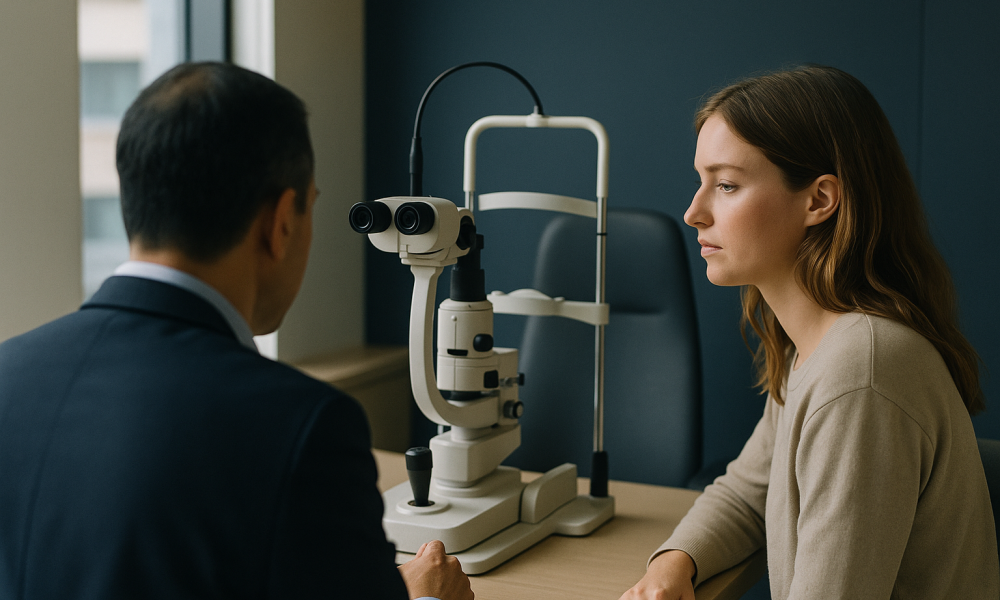
What Glaucoma Treatment Abroad is and who it is for
Glaucoma is a group of eye conditions that damage the optic nerve, a crucial component responsible for transmitting visual information from the eye to the brain. This damage is often caused by abnormally high pressure in the eye, known as intraocular pressure. If left untreated, glaucoma can lead to irreversible vision loss. In Canada, the prevalence of glaucoma is significant, and timely treatment is essential to prevent further deterioration of sight. However, long waiting times and high treatment costs have led many Canadians to consider seeking treatment abroad, with Turkey emerging as a popular destination.
Glaucoma treatment in Turkey offers a range of procedures tailored to the specific needs of each patient. These procedures include laser therapy, medication, and surgical interventions, each designed to reduce intraocular pressure and prevent further optic nerve damage. The choice of treatment depends on several factors, including the type and severity of the glaucoma, the patient’s overall health, and their personal preferences.
Turkey is renowned for its high-quality healthcare system, which combines advanced medical technology with experienced ophthalmologists. Many Turkish eye clinics are accredited by international health organisations, ensuring adherence to stringent safety and quality standards. Moreover, Turkey’s strategic location at the crossroads of Europe and Asia makes it an accessible and convenient destination for Canadian patients seeking treatment abroad.
Patients considering glaucoma treatment in Turkey can expect a comprehensive approach that includes pre-treatment consultations, detailed eye examinations, and personalised treatment plans. These plans are typically designed to address the specific type of glaucoma, whether it is open-angle, angle-closure, normal-tension, or congenital glaucoma. Additionally, post-treatment follow-up care is an integral part of the process, ensuring optimal recovery and monitoring for any potential complications.
For Canadian patients, the cost of glaucoma treatment in Turkey is often significantly lower than in Canada, with indicative prices ranging from £1,500 to £4,000, depending on the procedure and clinic. This cost-effectiveness, coupled with the opportunity to receive treatment without prolonged waiting periods, makes Turkey an attractive option for those seeking timely and affordable care.
Are you a good candidate?
Determining whether you are a suitable candidate for glaucoma treatment abroad involves several considerations. First and foremost, it is essential to have a confirmed diagnosis of glaucoma by a qualified ophthalmologist. This diagnosis typically involves a comprehensive eye examination and tests to assess the extent of optic nerve damage and intraocular pressure levels.
- Confirmed Diagnosis: You must have a confirmed diagnosis of glaucoma from a licensed ophthalmologist.
- Type of Glaucoma: Understanding the specific type of glaucoma you have is crucial, as it influences the treatment approach.
- Health Status: Your general health should permit travel and surgery, as some health conditions may complicate treatment.
- Previous Treatments: Consider your history with glaucoma treatments, including medications or surgeries, to determine the next steps.
- Travel Capability: Ensure you are physically able to travel to Turkey and manage the logistics of medical tourism.
- Financial Preparedness: Evaluate the costs associated with treatment, travel, and accommodation to ensure you are financially ready.
- Commitment to Follow-Up: Be prepared for post-treatment care, which may include follow-up appointments or additional treatments.
Understanding these criteria is crucial for making an informed decision about seeking glaucoma treatment in Turkey. It is recommended to consult with your local healthcare provider and a potential treatment centre in Turkey to discuss your specific circumstances and the suitability of treatment abroad.
Ultimately, the decision to pursue glaucoma treatment abroad should be based on a thorough assessment of your medical needs, personal circumstances, and the potential benefits and risks involved. By carefully considering these factors, you can make a well-informed choice that aligns with your health goals and financial situation.
3. The procedure, step by step
When considering glaucoma treatment abroad, particularly in Turkey, it is essential to understand the procedure in detail. The steps involved in glaucoma surgery can vary depending on the specific type of surgery recommended by your ophthalmologist. Common procedures include trabeculectomy, laser trabeculoplasty, and minimally invasive glaucoma surgery (MIGS), each having distinct steps.
- Initial Consultation and Assessment: The first step involves a thorough ophthalmic examination by a specialist. This includes a review of your medical history, comprehensive eye tests, and imaging to assess the extent of glaucoma damage. The ophthalmologist will discuss the most appropriate treatment plan based on your specific condition.
- Pre-operative Preparation: Once a surgical plan is agreed upon, you will undergo pre-operative tests which may include blood tests and an ECG to ensure you are fit for surgery. You will receive instructions on medication adjustments, such as ceasing blood thinners or specific eye drops, and fasting requirements if general anaesthesia is used.
- Admission and Anaesthesia: On the day of the surgery, you will be admitted to the clinic or hospital. Depending on the type of surgery, local anaesthesia (eye drops or injections) or general anaesthesia will be administered to ensure comfort.
- Surgical Procedure: For a trabeculectomy, the surgeon creates a small incision in the sclera (white part of the eye) to form a new drainage channel, allowing fluid to escape and reducing intraocular pressure. In laser trabeculoplasty, a laser is used to improve the drainage angle function. For MIGS, tiny devices are implanted to enhance fluid outflow with minimal tissue disruption.
- Post-operative Care: After surgery, you will be monitored in a recovery area. It is common to experience blurred vision and mild discomfort, which typically resolve within a few days. You will receive protective eyewear and detailed instructions on using prescribed eye drops to prevent infection and control inflammation.
- Follow-up Appointments: Follow-up visits with your ophthalmologist are crucial to monitor the healing process and evaluate the surgery’s success in lowering eye pressure. These appointments will be scheduled before your departure from Turkey.
Understanding each step helps alleviate anxiety and ensures you are well-prepared for your glaucoma treatment abroad.
4. Recovery timeline
The recovery timeline for glaucoma surgery varies based on the type of procedure performed, individual healing rates, and adherence to post-operative care. The following table outlines a typical recovery timeline from the first day after surgery to full recovery:
| Period | What to expect | Care notes |
|---|---|---|
| Day 1 | Expect some discomfort, blurred vision, and mild eye redness. Protective eye patch is usually in place. | Rest is crucial. Use prescribed eye drops as directed to prevent infection and reduce inflammation. Avoid rubbing the eye. |
| Week 1 | Vision may begin to clear, though some blurriness can persist. Swelling and redness should decrease. | Continue using eye drops. Attend follow-up appointment to check eye pressure and ensure proper healing. Limit physical activity. |
| Week 2-4 | Vision typically improves further, with most swelling subsiding. Eye pressure should stabilize. | Gradually resume normal activities but avoid heavy lifting or strenuous exercise. Wear sunglasses to protect from sunlight. |
| Month 1-3 | Full visual recovery is expected, with significant improvement in eye pressure control. | Continue regular follow-ups. Your ophthalmologist may adjust medication based on recovery progress. |
| Full recovery | Most patients achieve stable intraocular pressure and improved vision, but periodic monitoring remains essential. | Ongoing eye exams are necessary to monitor the condition and adjust treatment if needed. Always follow your ophthalmologist’s advice. |
Adhering to post-operative care instructions and attending all follow-up appointments are key to a successful recovery.
5. What it costs: Turkey vs Canada
When considering glaucoma treatment abroad, understanding the cost differences between Turkey and Canada can help in making an informed decision. It’s important to note that the figures provided here are indicative and can vary based on the specific clinic, the complexity of the procedure, and the inclusivity of the treatment package.
| Treatment Type | Typical Cost in Turkey (GBP) | Typical Cost in Canada (GBP) |
|---|---|---|
| Trabeculectomy | £1,500 – £2,500 | £3,000 – £5,500 |
| Laser Trabeculoplasty | £800 – £1,200 | £1,500 – £2,500 |
| Minimally Invasive Glaucoma Surgery (MIGS) | £2,000 – £3,500 | £4,000 – £7,000 |
These indicative cost ranges in Turkey generally offer significant savings compared to those in Canada. However, it is crucial to consider what is included in these prices. In Turkey, many clinics provide comprehensive packages that often include:
- Pre-operative assessments and diagnostics
- Surgery fees
- Post-operative care and follow-up consultations
- Accommodation arrangements
- Transportation between the airport, hotel, and clinic
In contrast, the costs in Canada might not cover additional services such as accommodation and transportation, potentially increasing the overall expenditure for patients travelling from afar.
It is also worth noting that currency fluctuations and changes in healthcare policies can impact these costs over time. Therefore, it is advisable to confirm the current pricing and package inclusions directly with the healthcare provider before making any decisions.
6. Risks and how accredited providers manage them
Glaucoma treatment, like any medical procedure, carries certain risks, which can be effectively managed by choosing an accredited provider in Turkey. These risks include complications such as infection, bleeding, or vision changes, which are rare but possible in any eye surgery.
Accredited clinics in Turkey adhere to strict international standards to minimise these risks. Many facilities are certified by international bodies such as the Joint Commission International (JCI), ensuring that they follow stringent safety protocols. These protocols include:
- Utilisation of state-of-the-art equipment for precise diagnostics and surgery
- Employing highly trained and experienced ophthalmologists
- Maintaining a sterile operating environment to prevent infections
- Providing comprehensive pre-operative assessments to tailor treatments to individual patient needs
In addition to these measures, Turkish clinics often emphasise thorough post-operative care. This includes:
- Regular follow-up appointments to monitor healing and detect any complications early
- Providing detailed instructions for post-surgery care to support optimal recovery
- 24/7 patient support lines for any urgent concerns
Moreover, communication is a key component of risk management. Many clinics offer multilingual services to ensure that international patients fully understand the procedures, associated risks, and post-operative care instructions. This approach helps in aligning patient expectations with realistic outcomes and enhances the overall treatment experience.
While the risks associated with glaucoma surgery cannot be entirely eliminated, selecting a reputable and accredited provider in Turkey significantly mitigates these risks. Patients are advised to conduct thorough research, seek second opinions if necessary, and engage in open discussions with medical professionals to ensure they are making well-informed decisions about their healthcare.
How to choose the right provider
Choosing the right healthcare provider for glaucoma treatment abroad is crucial to ensuring a safe and effective experience. Start by verifying the accreditation of the facility. Look for international accreditations such as Joint Commission International (JCI) or the European Foundation for Quality Management (EFQM). These accreditations indicate that the facility adheres to high standards of healthcare delivery.
Next, consider the experience and qualifications of the surgeons. Typically, a surgeon with at least 10 years of experience in ophthalmology, particularly in glaucoma treatment, is preferable. Review their educational background, board certifications, and any specialised training they may have undergone. Additionally, patient testimonials and reviews can provide insights into the surgeon’s expertise and patient satisfaction.
Aftercare is another critical component to evaluate. A comprehensive aftercare programme should include detailed follow-up appointments, access to emergency consultations, and a clear plan for managing any complications that may arise post-surgery. Ensure that the clinic provides a well-structured aftercare plan and has bilingual staff available to assist with communication barriers.
Be aware of red flags that may indicate a less reliable provider. These include a lack of transparency in pricing, reluctance to provide detailed information about the treatment process, and pressure to make quick decisions. Additionally, avoid clinics that guarantee specific outcomes or offer unusually low prices, as these can be signs of compromised quality.
- Verify international accreditation such as JCI or EFQM.
- Ensure the surgeon has at least 10 years of experience in ophthalmology.
- Evaluate the thoroughness of the aftercare programme.
- Watch out for red flags such as lack of transparency and pressure tactics.
Planning your trip
Planning your trip for glaucoma treatment in Turkey involves several key steps to ensure a smooth and stress-free experience. Begin by establishing a timeline. Ideally, you should start planning your trip at least three months in advance. This allows sufficient time for consultations, booking accommodations, and arranging travel logistics.
Ensure that you have all necessary documents prepared. This includes a valid passport, visa if required, medical records related to your glaucoma condition, and any correspondence or agreements with the treatment facility. It’s also advisable to carry copies of your prescriptions and a list of current medications.
Consider the typical length of stay for glaucoma treatment, which can range from one to two weeks. This duration includes pre-operative consultations, the surgery itself, and initial post-operative care. Confirm with your chosen provider about the recommended length of stay based on your specific treatment plan.
After returning home, follow-up care is essential. Discuss with your healthcare provider in Canada about coordinating follow-up appointments to monitor your recovery. Ensure that you have a clear understanding of any symptoms that would require immediate medical attention, and establish a communication channel with your surgeon in Turkey for any post-operative concerns.
| Step | Details |
|---|---|
| Timeline | Plan at least 3 months in advance. |
| Documents | Passport, visa, medical records, prescriptions. |
| Length of Stay | Typically 1-2 weeks. |
| Follow-up | Coordinate with your Canadian healthcare provider. |
By carefully planning each aspect of your trip, you can focus on your treatment and recovery, knowing that all logistical details have been managed effectively.
Frequently Asked Questions
What are the typical costs for glaucoma treatment in Turkey?
The costs for glaucoma treatment in Turkey can vary widely depending on the type of procedure and the facility. Generally, you can expect to pay between £1,500 and £3,500 for surgical interventions. It's important to note that these figures are indicative and can vary based on the specific requirements of the treatment and the level of aftercare provided.
How safe is glaucoma surgery in Turkey?
Glaucoma surgery in Turkey is generally considered safe, especially when performed at internationally accredited facilities. Surgeons often have extensive experience, and the healthcare system is well-regulated. However, it is crucial to conduct thorough research, verify credentials, and choose a reputable provider to ensure the highest standard of care.
Will my insurance cover glaucoma treatment abroad?
Coverage for glaucoma treatment abroad varies widely among insurance providers. Some may offer partial coverage or reimbursements for specific procedures, while others may not cover international treatments at all. It's essential to consult your insurance provider to understand the specifics of your policy and any potential out-of-pocket expenses.
What types of glaucoma treatments are available in Turkey?
Turkey offers a range of glaucoma treatments, including laser therapies like Selective Laser Trabeculoplasty (SLT) and surgical options such as trabeculectomy and tube shunt surgery. The choice of treatment depends on the specific type and stage of glaucoma, as well as the patient's overall health and preferences.
How do I arrange follow-up care after returning to Canada?
To arrange follow-up care, coordinate with your Canadian healthcare provider before travelling to Turkey. Share details of your treatment plan and ensure that all relevant medical records are transferred. This will facilitate continuity of care and allow for effective monitoring of your recovery.
What should I pack for my medical trip to Turkey?
When packing for your medical trip, include all essential documents such as your passport, visa, and medical records. Bring comfortable clothing, any prescribed medications, and items for your recovery period. Additionally, consider packing a travel guide and a phrasebook to assist with language barriers.
Is language a barrier in Turkish medical facilities?
Many medical facilities in Turkey, especially those catering to international patients, employ bilingual staff and offer translation services. However, it may still be beneficial to know basic Turkish phrases or have a translation app handy to facilitate communication during your stay.
How can I verify the credentials of a Turkish surgeon?
To verify a surgeon's credentials, check for board certifications in ophthalmology, memberships in professional organisations, and any international accreditations. Patient reviews and testimonials can also provide insights into the surgeon's reputation and expertise.
What is the typical recovery time after glaucoma surgery?
Recovery time can vary depending on the type of glaucoma surgery performed. Generally, patients can expect an initial recovery period of one to two weeks, with full healing taking several months. It's important to follow the post-operative care instructions provided by your surgeon to ensure a smooth recovery.
Are there any travel restrictions after glaucoma surgery?
After glaucoma surgery, it is usually advised to avoid flying for at least one week to prevent complications related to changes in air pressure. Your surgeon will provide specific guidance based on your individual recovery progress and any potential risks associated with travel.
Can I combine my treatment with a holiday in Turkey?
While it's possible to combine treatment with leisure activities, it's important to prioritise your health and follow your surgeon's advice regarding rest and recovery. If you plan to explore Turkey, schedule such activities before the procedure or after you've received clearance from your healthcare provider.
How do I manage pain after glaucoma surgery?
Post-operative pain management will be guided by your surgeon, who may prescribe medications such as analgesics or anti-inflammatory drugs. It's crucial to adhere to the prescribed regimen and report any severe pain or unusual symptoms to your healthcare provider promptly.