
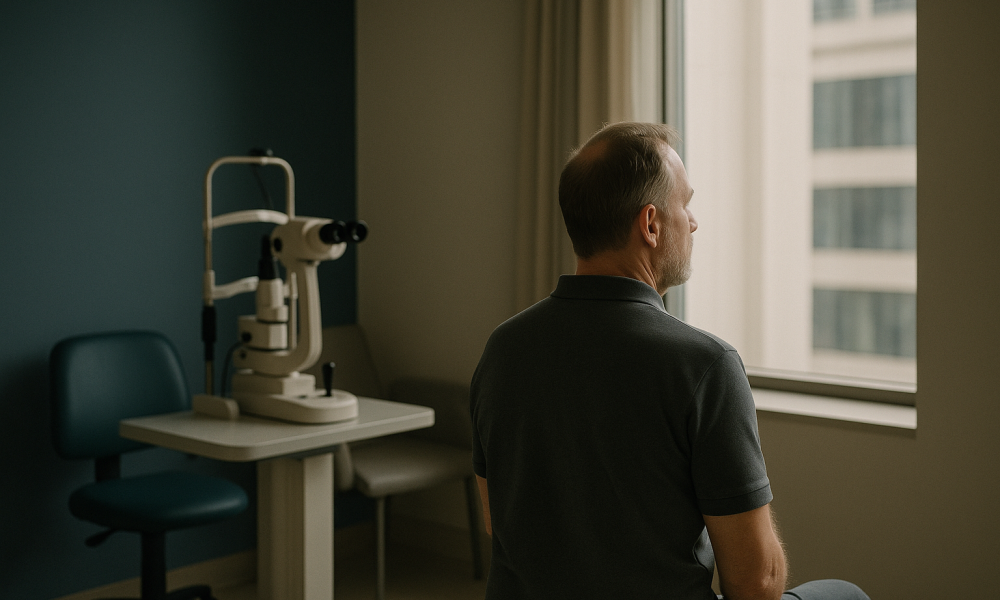
What Keratoconus Cross-Linking is and who it is for
Keratoconus is a progressive eye condition where the cornea, which is normally round, thins and begins to bulge into a cone-like shape. This irregular shape can cause significant vision impairment, as it affects the way light enters the eye and is focused onto the retina. Keratoconus Cross-Linking (CXL) is a minimally invasive procedure designed to halt the progression of keratoconus by strengthening the collagen fibres within the cornea. This is achieved through a process known as photochemical corneal collagen cross-linking, which involves the application of riboflavin (vitamin B2) eye drops followed by controlled exposure to ultraviolet (UV) light.
The procedure is particularly beneficial for patients who are experiencing a rapid deterioration in vision due to the progression of keratoconus. It is not typically used to reverse existing vision loss but rather to prevent further deterioration, making it an essential intervention for those in the early to moderate stages of the disease. The treatment is generally considered safe and effective, with a high success rate in stabilising the condition, although individual results can vary. Patients can typically expect a procedure time of around 60 to 90 minutes, performed under local anaesthesia, which numbs the surface of the eye to ensure comfort.
While the procedure does not usually require an overnight hospital stay, patients can expect to spend several hours at the clinic for pre- and post-procedure assessments. Most patients can resume normal activities, including returning to work, within a couple of days, although full recovery and stabilisation of the cornea can take one to three months. The results, in terms of halting the progression of keratoconus, are typically visible within three to six months post-procedure. It is important for patients to have realistic expectations and to understand that the primary goal of CXL is to stop the progression of keratoconus, rather than to improve vision significantly.
Are you a good candidate?
Keratoconus Cross-Linking is not suitable for everyone, and determining candidacy involves a thorough ophthalmic evaluation. This evaluation assesses the stage of keratoconus, the thickness of the cornea, and overall eye health. The following checklist can help determine if you might be a good candidate for the procedure:
- Age: Typically best suited for individuals aged 14 to 40, as keratoconus is often more progressive in younger patients.
- Corneal Thickness: Ideally, candidates should have a corneal thickness of at least 400 microns (μm) to ensure safety during the procedure.
- Progression: Evidence of recent progression in keratoconus is crucial, as CXL is most effective at halting the disease in its tracks.
- Vision Correction: Those who are experiencing difficulties with glasses or contact lenses due to the irregular shape of the cornea.
- Overall Eye Health: Candidates should not have any other significant eye conditions or infections that could complicate the procedure.
- Realistic Expectations: Understanding that the aim is to stop progression, not to restore vision to normal.
It’s important for prospective patients to consult with an experienced ophthalmologist to confirm their suitability for the procedure. A detailed eye examination will include corneal topography, pachymetry to measure corneal thickness, and a review of the patient’s medical history. Additionally, those with advanced keratoconus or corneal scarring may not be ideal candidates for CXL and might need to explore alternative treatments such as corneal transplant or other vision correction surgeries. Engaging in open discussions with healthcare professionals can help patients make informed decisions about their treatment options.
The procedure, step by step
Keratoconus cross-linking is a minimally invasive procedure designed to strengthen the cornea, thereby halting the progression of keratoconus. This procedure is typically performed in an outpatient setting and usually takes about 60 to 90 minutes per eye. Here is a detailed step-by-step guide of what you can expect during the procedure:
- Pre-procedure preparation: Upon arrival at the clinic, you will undergo a thorough eye examination to ensure that you are a suitable candidate for the procedure. This may include corneal topography, pachymetry, and visual acuity tests. Once confirmed, the medical team will explain the procedure and address any questions you may have.
- Anaesthetic application: Local anaesthetic eye drops will be administered to numb the surface of your eye. This ensures that you remain comfortable throughout the procedure. You may also be given a mild sedative to help you relax.
- Epithelium removal: In the standard procedure, the thin outer layer of the cornea, known as the epithelium, is gently removed. This step allows the riboflavin (vitamin B2) solution to penetrate the corneal tissue more effectively. Some variations of the procedure may leave the epithelium intact, known as ‘epi-on’ cross-linking.
- Riboflavin application: A riboflavin solution is applied to the corneal surface at regular intervals, typically every 2 to 3 minutes, for about 30 minutes. The riboflavin acts as a photosensitiser, which is crucial for the subsequent cross-linking process.
- UV light exposure: Your eye is then exposed to a controlled amount of ultraviolet (UV) light for approximately 30 minutes. The combination of riboflavin and UV light initiates a chemical reaction that strengthens the collagen fibres in the cornea, effectively stiffening the corneal structure.
- Post-procedure care: After the UV light exposure, antibiotic and anti-inflammatory eye drops are applied to prevent infection and reduce inflammation. A protective contact lens is often placed on the eye to aid in the healing process and is typically worn for about a week.
- Final assessment: Before you leave the clinic, the ophthalmologist will conduct a final check-up to ensure there are no immediate complications. You will be given a detailed recovery plan and instructions on how to care for your eye over the coming days and weeks.
It is important to follow all post-procedure instructions carefully to ensure optimal healing and outcome. Regular follow-up appointments will be scheduled to monitor your progress and assess the effectiveness of the treatment.
Recovery timeline
Recovery from keratoconus cross-linking is a gradual process that varies from person to person. Typically, patients can expect a recovery period that spans several weeks to months. Below is a detailed timeline of what you might expect during the recovery period, along with care notes to guide you through each phase:
| Period | What to expect | Care notes |
|---|---|---|
| Day 1 | Immediately after the procedure, you may experience discomfort, watering, and a gritty sensation in the treated eye. Vision may be blurry. | Rest and keep your eyes closed as much as possible. Use prescribed antibiotic and anti-inflammatory drops as directed. Avoid touching or rubbing your eyes. |
| Days 2-3 | Discomfort should gradually decrease. Vision remains blurry but may start to improve slightly. The protective contact lens remains in place. | Continue with prescribed medications. Wear sunglasses to reduce light sensitivity. Avoid strenuous activities and screen time. |
| Days 4-7 | The protective contact lens is usually removed by your doctor. Vision may fluctuate as the cornea continues to heal. | Attend your follow-up appointment for lens removal. Maintain proper hygiene when applying eye drops. Begin gentle activities as comfort allows. |
| Weeks 2-4 | Vision should gradually stabilise, although some fluctuations are normal. The corneal surface continues to heal. | Follow up with your ophthalmologist to monitor healing. Continue using eye drops as prescribed. Resume normal activities with caution. |
| Months 1-3 | Significant improvement in corneal stability can be expected. Vision may continue to improve and stabilise. | Regular check-ups are essential to assess long-term outcomes. Discuss any concerns with your doctor. Continue protecting your eyes from UV exposure. |
| Full recovery | Most patients achieve full recovery within 3 to 6 months, with stable vision and improved corneal strength. | Continue annual eye exams to monitor eye health. Discuss any persisting issues with your ophthalmologist. |
It is vital to adhere to your doctor’s recommendations and attend all scheduled follow-up appointments to ensure a smooth recovery and optimal results.
What it costs: Turkey vs the United Kingdom
When considering keratoconus cross-linking treatment, cost is a significant factor for many patients. Both Turkey and the United Kingdom offer this procedure, but the cost can vary considerably between these two countries. It’s essential to understand what these costs typically include and how they compare. Below is a table providing indicative price ranges in both Turkey and the UK, along with a summary of what packages usually encompass.
| Country | Indicative Price Range (GBP) | Typical Package Inclusions |
|---|---|---|
| Turkey | £1,000 – £2,500 |
|
| United Kingdom | £3,000 – £5,000 |
|
These figures are indicative and can vary based on several factors, including the clinic’s location, the surgeon’s experience, and additional services provided. In Turkey, the lower cost is often attributed to the lower cost of living and operational expenses, which enables clinics to offer competitive pricing without compromising on quality.
In both countries, the packages typically include the complete medical care required for the procedure, from the initial consultation to post-operative follow-up. In Turkey, some packages may also cover accommodation and airport transfers, making it an attractive option for international patients looking to combine treatment with travel.
It is crucial to verify what exactly is included in the package when comparing prices. Some clinics might offer lower initial prices but charge extra for consultations, medications, or follow-up visits. Prospective patients should ensure they have a comprehensive understanding of the total cost involved before making any decisions.
Risks and how accredited providers manage them
Keratoconus cross-linking is generally regarded as a safe and effective procedure, but like all medical treatments, it does carry some risks. Understanding these risks and how they are managed by accredited providers in Turkey is crucial for prospective patients.
The most common risks associated with cross-linking include:
- Infection: Although rare, there is a risk of infection following the procedure. Accredited clinics in Turkey adhere to stringent sterilisation protocols and use high-quality equipment to minimise this risk. Patients are also typically prescribed antibiotic eye drops as a preventive measure.
- Haze or clouding of the cornea: Some patients may experience temporary haze in the cornea. This condition usually resolves over time, and accredited providers monitor this closely during follow-up visits.
- Pain or discomfort: Post-operative discomfort is common but can be managed effectively with prescribed pain relief medications and artificial tears.
- Delayed healing: In some cases, the cornea may take longer to heal. Accredited providers ensure thorough follow-up care and are equipped to manage any complications should they arise.
Accredited clinics in Turkey are committed to maintaining high standards of patient safety. They employ experienced ophthalmologists who are trained in the latest cross-linking techniques and utilise advanced technology to enhance procedural accuracy. Pre-operative assessments are thorough, ensuring that only suitable candidates undergo the procedure, thereby reducing the risk of complications.
Moreover, these clinics often have multilingual staff who can communicate effectively with international patients, ensuring they understand all aspects of the procedure, including potential risks and the management strategies in place. This transparency helps build trust and confidence in the treatment process.
Patients are encouraged to discuss any concerns with their healthcare provider prior to the procedure. Accredited providers in Turkey often offer detailed consultations to address all questions and provide reassurance. They also emphasise the importance of adhering to post-operative care instructions, which are critical in minimising risks and ensuring a smooth recovery.
In summary, while keratoconus cross-linking is not without its risks, accredited providers in Turkey employ comprehensive risk management strategies to ensure patient safety and successful outcomes. Prospective patients should feel reassured that they are in capable hands when choosing an accredited clinic for their treatment.
How to choose the right provider
When selecting a provider for keratoconus cross-linking in Turkey, it is essential to consider several factors to ensure you receive the best possible care. Accreditation is a crucial element. Look for clinics accredited by reputable organisations such as the Joint Commission International (JCI) or the Turkish Ministry of Health. These accreditations indicate that the clinic adheres to international standards of medical care and patient safety.
The experience of the surgeon is another vital consideration. Seek out ophthalmologists who specialise in corneal diseases and have extensive experience performing cross-linking procedures. You might inquire about the number of procedures they have completed and their success rates, though it’s important to remember that outcomes can vary. Personal recommendations and patient reviews can also provide valuable insights into a surgeon’s reputation and skill.
Aftercare is an integral part of the treatment process. Ensure that the clinic offers comprehensive aftercare services, including follow-up appointments and access to medical staff for any concerns that may arise post-procedure. Some clinics may offer telemedicine consultations for international patients, providing convenient access to your surgeon even after returning home.
Be aware of potential red flags when choosing a provider. These might include clinics that make unrealistic promises, such as guaranteed outcomes, or those that pressure you into making quick decisions. A reputable provider will offer a thorough consultation process, discussing the risks and benefits of the procedure and allowing you ample time to make an informed decision.
Finally, consider the logistics of your visit, such as the location of the clinic and its proximity to accommodation and transportation options. Some clinics may provide support in arranging these aspects, which can be particularly beneficial for international patients.
Planning your trip
Planning your trip to Turkey for keratoconus cross-linking involves several key steps to ensure a smooth and stress-free experience. Begin by establishing a timeline for your travel. It is generally recommended to allow at least two weeks for the entire process, from the initial consultation to recovery before returning home.
Before travelling, ensure you have all necessary documents prepared. This includes your passport, visa (if required), and any medical records pertinent to your eye condition. It is also advisable to have a detailed itinerary, including appointment schedules and contact information for the clinic and your accommodation.
The length of stay in Turkey will depend on the specifics of your treatment plan. Typically, patients should plan to stay for a minimum of five to seven days. This allows time for the initial consultation, the procedure itself, and a follow-up appointment to assess the early results and ensure there are no immediate complications.
Regarding follow-up care upon returning to the UK, it is crucial to have arrangements in place for continued monitoring of your eye health. Your Turkish provider should communicate with your local ophthalmologist to ensure a seamless transition in care. Regular check-ups will help monitor the stability of your cornea and address any issues that may arise.
Financial considerations are also important. While the cost of keratoconus cross-linking in Turkey is generally lower than in the UK, you will need to factor in additional expenses such as travel, accommodation, and potential unforeseen costs. Typical treatment costs range from £1,200 to £2,500, depending on complexity and aftercare services.
Finally, consider travel insurance that covers medical tourism, ensuring you are protected against any unexpected events during your trip. This coverage should include medical complications and cancellation of travel plans, providing peace of mind throughout your journey.
Frequently Asked Questions
What is the typical cost of keratoconus cross-linking in Turkey?
The cost of keratoconus cross-linking in Turkey typically ranges from £1,200 to £2,500. This price can vary depending on the clinic, the surgeon's expertise, and the specific aftercare services included. It is important to request a detailed breakdown of costs from your prospective provider to understand what is covered.
Is keratoconus cross-linking safe?
Keratoconus cross-linking is generally considered a safe procedure with a good success rate in halting the progression of keratoconus. However, like any medical procedure, it carries some risks, such as infection, corneal haze, or vision changes. It's crucial to discuss these risks with your ophthalmologist to make an informed decision.
How long should I plan to stay in Turkey for the procedure?
You should plan to stay in Turkey for at least five to seven days. This duration allows for an initial consultation, the cross-linking procedure, and a follow-up appointment to ensure everything is proceeding as expected. Your specific treatment plan may require adjustments to this timeline.
What documents do I need to bring for my treatment?
You will need to bring your passport, visa (if required), and any relevant medical records related to your eye condition. Having a detailed itinerary, including appointment schedules and contact information for your clinic and accommodation, can also be helpful.
Can I fly immediately after the procedure?
It is generally recommended to wait at least a few days after the procedure before flying. This waiting period allows your eyes to begin healing and reduces the risk of complications during travel. Your surgeon will advise you on the appropriate timeline based on your specific case.
Will I need someone to accompany me for the treatment?
While it is not mandatory, having someone accompany you can be beneficial, especially on the day of the procedure. They can assist with transportation and help you manage any immediate post-procedure care. If travelling alone, ensure you have arranged for local support.
What aftercare services should be provided by the clinic?
Aftercare services should include follow-up appointments to monitor your recovery, access to medical staff for any concerns, and clear communication with your local ophthalmologist for continued care. Some clinics may offer telemedicine consultations to support international patients.
How do I ensure continuity of care once I return to the UK?
Ensure your Turkish provider communicates with your local ophthalmologist to facilitate a seamless transition in care. Regular check-ups should be scheduled to monitor the stability of your cornea and address any issues that may arise post-procedure.
Are there any red flags I should watch out for when choosing a provider?
Red flags include clinics making unrealistic promises, pressuring you into quick decisions, and lacking accreditation from reputable organisations. A thorough consultation process and transparent communication about risks and benefits are signs of a reputable provider.
What is the success rate of keratoconus cross-linking?
While success rates can vary, keratoconus cross-linking is generally effective in halting the progression of the condition. Success depends on various factors, including the severity of the keratoconus and the patient's adherence to post-procedure care. Discuss expected outcomes with your surgeon.
Can I combine my treatment with a holiday in Turkey?
While it is possible to combine treatment with leisure activities, it is essential to prioritise your recovery. Plan any sightseeing before the procedure, as post-treatment rest is crucial. Consult your surgeon about any restrictions on activities during your recovery period.
Will my insurance cover keratoconus cross-linking abroad?
Insurance coverage for medical procedures abroad varies by provider and policy. It is vital to check with your insurance company beforehand to understand what is covered. Some travel insurance policies offer medical tourism coverage, which can provide additional protection.