
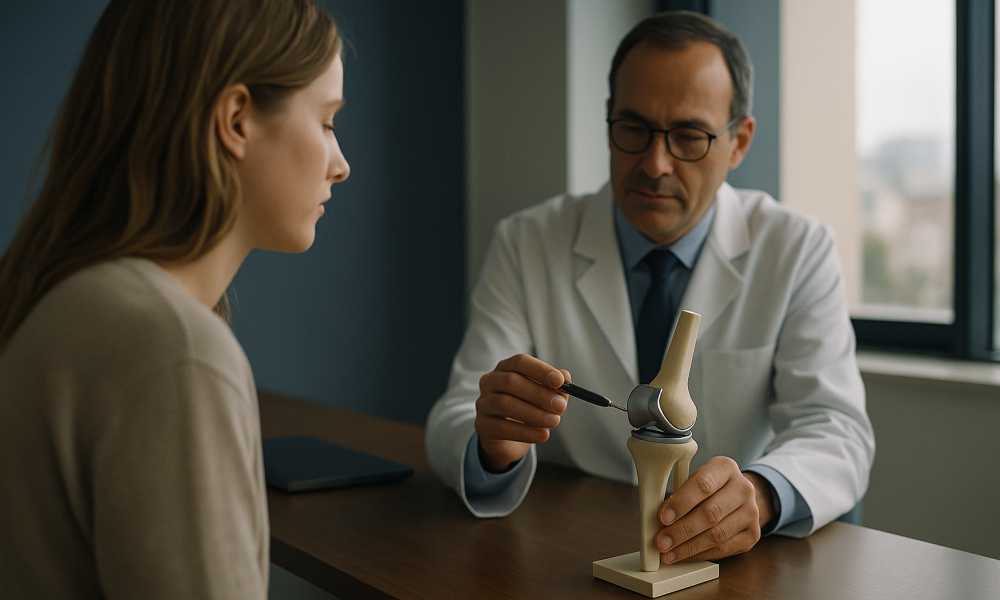
What Knee Replacement is and who it is for
Knee replacement, also known as knee arthroplasty, is a surgical procedure designed to replace the weight-bearing surfaces of the knee joint to relieve pain and disability. It is primarily performed for osteoarthritis, and also for other knee diseases such as rheumatoid arthritis and psoriatic arthritis. In a knee replacement surgery, damaged bone and cartilage from the thigh bone, shinbone, and kneecap are removed and replaced with an artificial joint (prosthesis) made of metal alloys, high-grade plastics, and polymers. The surgery aims to provide pain relief, restore function, and improve quality of life.
The procedure is typically recommended for individuals who have severe knee damage and have not responded to other treatments such as physical therapy, medications, or injections. Patients often report significant improvement in pain, mobility, and overall quality of life post-surgery. However, it’s important to note that while most knee replacements are successful, the surgery carries risks and potential complications, including infection, blood clots, and prosthesis problems. Therefore, careful consideration and a thorough discussion with a healthcare provider are crucial.
Knee replacement is common among individuals aged 60 and above, but younger patients may also undergo the procedure if their condition significantly affects their quality of life and other treatments have failed. The decision to proceed with surgery is typically based on the extent of pain, disability, and the impact of the knee condition on daily activities. Modern knee prostheses are designed to last many years, with studies showing a survival rate of around 85-90% at 15-20 years, although individual outcomes can vary.
Are you a good candidate?
Determining whether you are a good candidate for knee replacement surgery involves assessing several factors related to your health, lifestyle, and the severity of your knee condition. Generally, candidates for knee replacement have chronic knee pain and significant functional impairment that affects their day-to-day activities despite having tried conservative treatments.
- Chronic Pain: Experiencing severe knee pain that limits everyday activities such as walking, climbing stairs, and getting in and out of chairs.
- Functional Limitations: Difficulty performing tasks that require bending or kneeling, and stiffness in the knee joint that limits your range of motion.
- No Relief from Other Treatments: Lack of improvement with non-surgical treatments like medications, physical therapy, and lifestyle changes.
- Overall Health: Being in sufficient health to undergo surgery and participate in postoperative rehabilitation. Conditions like uncontrolled diabetes or severe heart disease may increase surgical risk.
- Adequate Bone Density: Having bones that are strong enough to support the prosthesis, which can be assessed through imaging studies.
- Realistic Expectations: Understanding the outcomes and having realistic expectations about the surgery’s benefits and limitations.
It’s crucial to consult with an orthopaedic surgeon to evaluate your specific condition. The surgeon will conduct a thorough examination, which may include physical assessments, imaging tests like X-rays or MRI, and a review of your medical history. This comprehensive evaluation helps to ensure that the surgery is appropriate for your individual circumstances.
The procedure, step by step
Undergoing a knee replacement in Turkey involves a series of meticulous steps designed to ensure the best possible outcome for the patient. Here is a detailed overview of what the procedure typically entails:
- Pre-operative Evaluation: Before the surgery, patients undergo a comprehensive evaluation which includes blood tests, imaging studies like X-rays or MRI scans, and a detailed review of medical history. This helps in planning the surgery and determining the most suitable type of prosthesis.
- Admission and Preparation: Patients are usually admitted to the hospital a day before the surgery. Pre-operative preparations involve fasting for around 8-12 hours and receiving medications to prevent infection and manage pain.
- Anaesthesia: On the day of surgery, anaesthesia is administered. This can be either general anaesthesia, where the patient is asleep, or regional anaesthesia, such as a spinal block, which numbs the lower body.
- Incision and Exposure: The surgeon makes an incision over the knee to expose the joint. This incision is typically 15-25 cm long, depending on the patient’s anatomy and the type of replacement being performed.
- Removal of Damaged Surfaces: The damaged cartilage and bone are carefully removed from the surface of the knee joint. Precise measurements are taken to ensure the correct alignment of the new components.
- Implantation: Metal and plastic prosthetic components are implanted to replace the removed bone and cartilage. These components mimic the natural movement of the knee and are fixed using special bone cement or a press-fit technique.
- Verification and Adjustment: The surgeon checks the alignment, balance, and range of motion of the new joint. Adjustments are made as necessary to ensure optimal fit and function.
- Closure: Once the prosthesis is correctly in place, the incision is closed with sutures or staples, and a sterile bandage is applied. A drain may be placed to remove excess fluid from the surgical site.
- Recovery Room: Post-surgery, the patient is transferred to a recovery room where vital signs are monitored closely as the effects of anaesthesia wear off.
Overall, the surgery itself typically lasts between 1 to 2 hours, though this can vary based on the complexity of the case and the specific techniques used.
Recovery timeline
Recovery from knee replacement surgery is a gradual process that involves several stages. Patients can expect the following timeline, though individual experiences may vary:
| Period | What to expect | Care notes |
|---|---|---|
| Day 1 | Patients are encouraged to begin moving their feet and ankles to increase blood flow to the leg muscles and help prevent swelling and blood clots. Pain is typically managed with medication. | Physiotherapy may start on the first day. Nurses will assist with initial movements, and patients will be shown breathing exercises to prevent lung congestion. |
| Days 2-3 | Most patients begin physical therapy exercises with the help of a therapist. Walking with a walker or crutches is encouraged to promote circulation and healing. | Continue with prescribed pain management and follow all physiotherapy instructions. Keep the surgical site clean and dry to prevent infection. |
| Week 1 | Stitches or staples are usually removed, and the patient may be able to walk short distances with a walker. Swelling and pain should gradually decrease. | Adhere to a balanced diet to aid recovery and maintain hydration. Attend follow-up appointments to monitor progress. |
| Weeks 2-4 | Patients typically increase their physical activity under guidance. Driving may be possible if medications are stopped and knee function is adequate. | Engage in regular physiotherapy sessions and home exercises. Monitor the knee for any signs of infection or complications. |
| Months 1-3 | Most patients experience significant improvement in pain and mobility. Physical therapy continues with an increased focus on strengthening exercises. | Continue to protect the knee from undue stress. Gradually return to normal activities as advised by your healthcare provider. |
| Full recovery (3-6 months) | By this stage, patients should expect substantial improvement in joint function and pain levels. Full recovery can take up to a year. | Adopt a long-term exercise routine to maintain joint health and consult with your doctor before resuming high-impact activities. |
While recovery times vary, adherence to post-operative care and physiotherapy significantly contributes to a successful outcome.
What it costs: Turkey vs Europe
When considering knee replacement surgery abroad, understanding the cost differences between Turkey and other European countries is crucial. It’s important to note that the figures provided are indicative and can vary based on the specific clinic, the complexity of the procedure, and the type of implant used.
In general, the cost of knee replacement surgery in Turkey is significantly lower than in many European countries. This cost-efficiency is largely due to lower living costs and operational expenses in Turkey, rather than a compromise in the quality of care. Patients can expect comprehensive packages that often include several services beyond the surgery itself.
| Country | Indicative Price Range (GBP) | Typical Package Inclusions |
|---|---|---|
| Turkey | £6,000 – £9,000 |
|
| United Kingdom | £10,000 – £15,000 |
|
| Germany | £12,000 – £18,000 |
|
| France | £11,000 – £16,000 |
|
As shown in the table, the cost of knee replacement in Turkey is considerably lower, often including additional services such as accommodation and airport transfers, which are typically not included in the package prices of European countries.
These packages aim to provide a seamless experience for international patients, reducing the stress associated with travelling for medical treatment. However, it is essential for patients to verify what is covered in the package and what might incur additional costs, such as medications or extended stays if complications arise.
Risks and how accredited providers manage them
Like any major surgical procedure, knee replacement surgery carries certain risks. These can include infection, blood clots, and issues related to anaesthesia. However, accredited healthcare providers in Turkey follow stringent protocols to mitigate these risks and ensure patient safety.
Infection is a primary concern in any surgical procedure. Accredited hospitals in Turkey adhere to international standards of hygiene and sterilisation. This includes the use of advanced sterilisation equipment and protocols to maintain a sterile environment in operating theatres and patient recovery areas.
Blood clots, particularly deep vein thrombosis (DVT), are another risk associated with knee replacement surgery. To minimise this risk, patients are often prescribed blood-thinning medications post-surgery. Additionally, patients are encouraged to mobilise early under the supervision of physiotherapists to promote circulation and prevent clot formation.
Anaesthesia-related complications, while rare, are also a consideration. Accredited facilities employ experienced anaesthesiologists who conduct thorough pre-operative assessments to tailor anaesthesia plans to the individual needs and health profile of each patient.
Accredited providers in Turkey also emphasise comprehensive pre-operative and post-operative care. Pre-operative assessments are critical to identify any potential risk factors that could complicate surgery or recovery. Post-operative care typically involves a multidisciplinary team approach, including surgeons, nurses, and physiotherapists, to monitor recovery and address any complications swiftly.
Furthermore, many Turkish hospitals are accredited by international bodies such as the Joint Commission International (JCI), which ensures adherence to global healthcare standards. This accreditation is a testament to their commitment to patient safety and quality care.
In summary, while there are risks associated with knee replacement surgery, accredited providers in Turkey are well-equipped to manage these risks through meticulous care and adherence to international standards. Patients are advised to discuss potential risks and management strategies with their chosen healthcare provider to ensure they are fully informed and comfortable with the care they will receive.
How to choose the right provider
Choosing the right provider for your knee replacement surgery in Turkey is a crucial step towards a successful outcome. Start by considering the accreditation of the hospital or clinic. Look for international accreditations such as JCI (Joint Commission International) or ISO (International Organization for Standardization) certification, which indicate adherence to global healthcare standards. These accreditations ensure that the facility maintains high levels of patient care and safety.
Surgeon experience is another critical factor. Research the surgeon’s credentials, including their training, years of experience, and the number of knee replacement surgeries they have performed. A surgeon with extensive experience and a history of successful outcomes can increase your confidence in the procedure. It may also be beneficial to inquire about the surgeon’s participation in ongoing professional development or memberships in orthopaedic associations.
Consider the aftercare services provided by the facility. Comprehensive aftercare is vital for a smooth recovery. This should include access to physiotherapy, regular follow-up appointments, and emergency contacts should complications arise. Some facilities offer remote consultations to monitor your progress once you return home, which can be a significant advantage.
Be vigilant about potential red flags. If a provider is unwilling to share their accreditation status or the surgeon’s qualifications, this may be a cause for concern. Similarly, avoid clinics that promise unrealistic outcomes or provide vague information about the procedure and recovery process. Transparency in all aspects, from costs to expected results, is a hallmark of a reputable provider.
Lastly, check patient reviews and testimonials. While these should be taken with some caution, consistent patterns of positive feedback can be a good indicator of the provider’s reliability and quality of care. Engaging with online forums or patient groups can also provide insights into others’ experiences with specific clinics or surgeons.
Planning your trip
Effective planning is essential to ensure a smooth trip for your knee replacement surgery in Turkey. Start by establishing a timeline before your travel. Ideally, begin your preparations at least three months in advance. This gives you ample time to research providers, arrange consultations, and gather necessary documents.
Ensure you have all the required documents. These typically include your passport, visa (if applicable), medical records, and any correspondence with the healthcare provider. Some clinics may require specific pre-operative tests, so confirm these requirements well in advance to avoid last-minute issues.
Plan for an appropriate length of stay. For knee replacement surgery, expect to stay in Turkey for approximately two to three weeks. This period allows for pre-operative consultations, the surgery itself, and initial recovery and rehabilitation. Discuss with your healthcare provider the recommended duration based on your specific health needs and recovery plan.
Consider the logistics of your follow-up care at home. Before departing for Turkey, arrange for follow-up appointments with your local healthcare provider. This ensures continuity of care and allows for monitoring your recovery progress. Some Turkish clinics offer telemedicine services to support your recovery once you return home, which can be a convenient option.
Travel arrangements should also include considerations for comfort and accessibility, especially for your return journey. Opt for flights with minimal layovers and request special assistance if needed. Accommodation near the clinic can be beneficial, providing ease of access during the early stages of recovery.
Lastly, ensure that you have a well-organized plan for your post-operative recovery. This includes arranging any necessary equipment, such as mobility aids, and ensuring that your home environment is conducive to recovery. Reach out to support networks, whether through family, friends, or professional carers, to assist you during this period.
Frequently Asked Questions
What should I consider when choosing a knee replacement provider in Turkey?
Consider the provider's accreditation, the surgeon's experience, aftercare services offered, and any red flags such as lack of transparency. Check for international accreditations like JCI or ISO, and ensure the surgeon has a strong track record with knee replacements. Patient testimonials and reviews can also provide insights into the quality of care.
How much does knee replacement surgery typically cost in Turkey?
The cost of knee replacement surgery in Turkey can vary widely based on the facility and the specifics of the procedure. Generally, you can expect prices to range from £5,000 to £10,000. This is an indicative range and includes the surgery, hospital stay, and initial aftercare, but always confirm with your chosen provider.
Is knee replacement surgery in Turkey safe?
Knee replacement surgery in Turkey is generally safe, especially when performed at accredited facilities by experienced surgeons. However, as with any medical procedure, it carries risks. Ensure that the hospital or clinic is accredited and that the surgeon has a proven track record to maximise safety.
What documents do I need for my knee replacement surgery in Turkey?
You will need your passport, visa (if applicable), detailed medical records, and any specific documentation requested by your healthcare provider. It’s advisable to keep copies of all correspondence with the clinic and any pre-operative test results they require.
How long will I need to stay in Turkey for the surgery and recovery?
Typically, patients should plan to stay in Turkey for about two to three weeks. This timeframe allows for pre-operative consultations, the surgery, and initial recovery and rehabilitation. The exact duration may vary based on individual recovery needs and should be discussed with your healthcare provider.
What kind of aftercare is available post-surgery in Turkey?
Reputable clinics offer comprehensive aftercare, including physiotherapy, follow-up appointments, and emergency contacts. Some also provide remote consultations to monitor your recovery once you're back home. Discuss the details with your provider to ensure you receive the necessary support.
Will I need follow-up care once I return home?
Yes, follow-up care is crucial for a successful recovery. Arrange appointments with your local healthcare provider before travelling. Some Turkish clinics offer telemedicine services for ongoing support, which can be a convenient way to continue your rehabilitation.
What should I pack for my medical trip to Turkey?
Pack essentials such as comfortable clothing, any prescribed medications, and important documents like your passport, medical records, and correspondence with the clinic. Consider bringing mobility aids if recommended, and ensure you have suitable clothing for the post-operative period.
How can I ensure a smooth return journey after surgery?
Plan for comfort and accessibility by booking flights with minimal layovers and requesting special assistance if needed. Arrange for someone to accompany you if possible, and discuss travel plans with your healthcare team to ensure they align with your recovery needs.
Are there any red flags I should watch out for when choosing a clinic?
Yes, be cautious of clinics that lack transparency about their accreditation or the surgeon's qualifications. Avoid providers that promise unrealistic outcomes or have vague information about the procedure and recovery process. Always verify patient reviews and testimonials for additional insights.
Can I bring a companion with me for the surgery?
Yes, bringing a companion can provide emotional support and assistance during your recovery. Most clinics accommodate companions, but confirm arrangements with your chosen provider. Ensure that your companion is aware of the post-operative care plan and their role in supporting you.
How do I arrange for my follow-up care at home?
Before travelling, schedule follow-up appointments with your local healthcare provider. Discuss your post-operative care plan with them to ensure they are prepared to support your recovery. Some clinics in Turkey may offer telemedicine services to assist with your follow-up care remotely.