
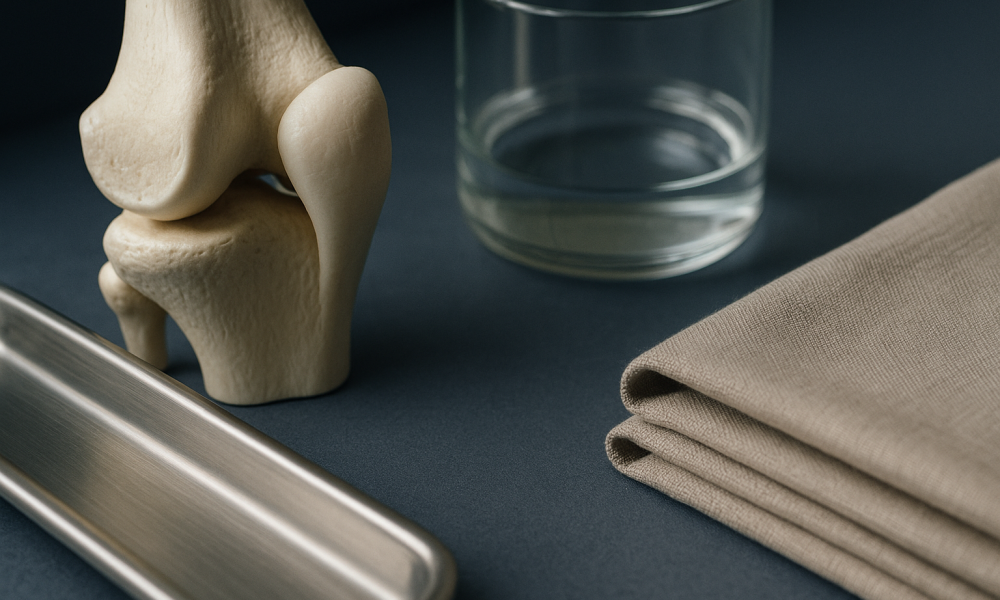
What Knee Cartilage Repair is and who it is for
Knee cartilage repair refers to a range of surgical procedures aimed at restoring the cartilage in the knee joint. Cartilage is a crucial component of the knee that acts as a cushion between bones, allowing for smooth and pain-free movement. Damage to this cartilage can result from injury, overuse, or degenerative conditions such as osteoarthritis. In Turkey, various techniques are employed to repair knee cartilage, including microfracture, autologous chondrocyte implantation (ACI), and osteochondral autograft transplantation.
The microfracture technique involves creating tiny fractures in the underlying bone. This stimulates the growth of new cartilage, albeit fibrocartilage, which is not as durable as the original hyaline cartilage. ACI, on the other hand, is a more advanced procedure where cartilage cells are harvested from the patient, cultured in a laboratory, and then re-implanted into the defect area. This technique aims to regenerate cartilage that closely resembles the original tissue. Osteochondral autograft transplantation involves transferring cartilage from a non-weight-bearing area of the joint to the damaged site, which is particularly useful for small defects.
These procedures are typically recommended for individuals who have localized cartilage damage. They are not typically suitable for patients with widespread arthritis, as they do not address the underlying degenerative changes. Ideal candidates are usually younger, active individuals who have experienced cartilage damage due to sports injuries or other trauma. The goal of these surgeries is to reduce pain, improve joint function, and delay the progression of arthritis.
It is important to note that while these procedures can be highly effective, they do not guarantee a complete return to pre-injury activity levels. The success of the surgery depends on various factors, including the size and location of the cartilage defect, the patient’s age, activity level, and adherence to post-operative rehabilitation protocols. As such, a thorough evaluation by a qualified orthopaedic surgeon is essential to determine the most appropriate treatment plan for each individual.
Are you a good candidate?
Determining candidacy for knee cartilage repair involves a comprehensive assessment by an orthopaedic specialist. This evaluation includes a thorough medical history review, physical examination, and imaging studies such as MRI or X-rays to assess the extent and location of the cartilage damage. The ideal candidate for knee cartilage repair is someone who meets specific criteria that make them likely to benefit from the procedure.
- Age: Typically, younger patients, usually under the age of 50, are better candidates as they tend to have better healing potential.
- Activity Level: Active individuals who wish to return to sports or physical activities are often considered good candidates.
- Extent of Damage: Localized cartilage damage is more amenable to repair than widespread degenerative changes.
- Overall Health: Good general health and a body mass index (BMI) within a healthy range improve surgical outcomes.
- Non-Smokers: Smoking can impair healing, so non-smokers or those willing to quit are preferred candidates.
- Realistic Expectations: Understanding that while the procedure can improve function and reduce pain, it may not restore the knee to its original state.
Patients who do not meet these criteria may still have other treatment options available, such as conservative management with physiotherapy or alternative surgical interventions. Ultimately, the decision to proceed with knee cartilage repair should be made collaboratively with your healthcare provider, taking into account your specific circumstances and treatment goals. A personalised rehabilitation programme post-surgery is critical to achieving optimal results, underscoring the importance of patient commitment to the recovery process.
The procedure, step by step
Knee cartilage repair is a complex procedure aimed at restoring the damaged cartilage surface of the knee joint. It is crucial for alleviating pain and improving function in patients suffering from cartilage damage due to injury or degenerative conditions. Here is a detailed step-by-step guide to what typically happens during a knee cartilage repair procedure in Turkey:
- Pre-operative Assessment: Prior to surgery, patients undergo a thorough medical evaluation including imaging studies such as MRI or X-rays to assess the extent of cartilage damage. This helps in planning the specific surgical approach tailored to the patient’s condition.
- Anaesthesia: The procedure is usually performed under general anaesthesia, although regional anaesthesia may be an option depending on the patient’s health and preferences. The anaesthetist will discuss the best option with the patient beforehand.
- Arthroscopic Examination: The surgeon begins with an arthroscopic examination, inserting a small camera through a tiny incision to view the inside of the knee joint. This allows for a detailed inspection of the cartilage damage.
- Debridement: If necessary, the surgeon may perform debridement, which involves removing loose fragments of cartilage and smoothing rough edges to prepare the site for repair.
- Cartilage Harvesting: Depending on the technique used, healthy cartilage cells may be harvested from a non-weight-bearing area of the knee. These cells can be cultivated in a laboratory to increase their number for later implantation.
- Implantation: The repair can be done using various techniques such as microfracture, autologous chondrocyte implantation (ACI), or osteochondral autograft transplantation. The choice of technique depends on the size and location of the cartilage defect.
- Closure and Dressing: Once the cartilage repair is complete, the incisions are closed with sutures or surgical staples. Sterile dressings are applied to protect the surgical site.
- Post-operative Monitoring: After the procedure, the patient is taken to a recovery room for monitoring as they wake from anaesthesia. Vital signs are closely observed to ensure a stable recovery.
- Discharge Planning: Patients typically stay in the hospital for one to two days post-surgery, during which time they receive instructions on pain management, wound care, and physical therapy.
Recovery timeline
Recovering from knee cartilage repair surgery is a gradual process that requires patience and adherence to a tailored rehabilitation plan. Below is a general timeline of what patients can expect during their recovery:
| Period | What to Expect | Care Notes |
|---|---|---|
| Day 1 – 3 | Initial recovery with pain and swelling common. Patients may be required to use crutches to avoid weight-bearing on the affected knee. | Pain management with prescribed medications. Ice packs may be used to reduce swelling. |
| Week 1 – 2 | Continued reduction in swelling and pain. Begin gentle range of motion exercises under guidance. | Attend follow-up appointments. Adhere to physiotherapy schedule. Maintain elevation and ice application as needed. |
| Week 3 – 6 | Improvement in mobility and gradual increase in weight-bearing activities. Continued physiotherapy to strengthen muscles. | Gradual return to normal activities, avoiding high-impact exercises. Consistent participation in physical therapy sessions. |
| Week 7 – 12 | Enhanced knee function with increased strength and flexibility. Patients may begin low-impact exercises like cycling. | Regular physiotherapy and adherence to home exercise programme. Monitor for any signs of complications. |
| 3 – 6 Months | Significant improvement with potential return to normal activities. Some patients may resume sports with medical clearance. | Regular follow-up with healthcare provider. Gradual reintroduction of sports and high-impact activities if cleared by the surgeon. |
| 6 – 12 Months | Full recovery is generally expected within this period, though individual experiences may vary. | Ongoing monitoring and occasional physiotherapy may be necessary. Continue strengthening exercises as advised. |
5. What it costs: Turkey vs the United Kingdom
When considering knee cartilage repair, cost is a significant factor for many patients. Turkey has become a popular destination for medical tourists from the United Kingdom, primarily due to its competitive pricing without compromising on quality. It is important to understand that the figures provided here are indicative and can vary based on the specific circumstances of each case, including the clinic, the surgeon’s expertise, and the specific type of procedure undertaken.
Below is a comparison of indicative price ranges between Turkey and the United Kingdom for knee cartilage repair:
| Item | Turkey (GBP) | United Kingdom (GBP) |
|---|---|---|
| Surgical Fee | 2,500 – 4,500 | 5,000 – 10,000 |
| Hospital Stay (per day) | 150 – 300 | 500 – 1,000 |
| Pre-operative Tests | 200 – 400 | 300 – 600 |
| Post-operative Care | 300 – 600 | 500 – 1,000 |
| Physical Therapy (per session) | 30 – 50 | 50 – 100 |
These indicative costs in Turkey typically include a comprehensive package that may cover the surgical fee, hospital stay, pre-operative tests, post-operative care, and some level of physical therapy. In contrast, costs in the United Kingdom are generally higher and may not always include such extensive packages.
Additionally, many Turkish clinics offer packages that include airport transfers, accommodation, and a personal assistant to help navigate the local healthcare system. These added services aim to provide a more seamless experience for international patients. It is crucial for prospective patients to thoroughly research and communicate with clinics to understand what is included in their specific package, and to ensure there are no hidden costs.
6. Risks and how accredited providers manage them
Undergoing knee cartilage repair, like any surgical procedure, involves certain risks. These can include infection, blood clots, stiffness of the joint, and in some cases, the failure of the cartilage to heal as expected. It is essential for patients to be aware of these risks and to choose their healthcare provider carefully.
Accredited medical providers in Turkey adhere to rigorous international standards to minimise these risks. Accreditation from bodies such as the Joint Commission International (JCI) ensures that clinics maintain high levels of hygiene, employ well-trained staff, and follow best practices in surgical procedures and patient care.
Here are some of the key ways accredited providers manage risks associated with knee cartilage repair:
- Pre-operative Assessment: A thorough pre-operative evaluation is conducted to assess the patient’s overall health and suitability for surgery. This includes reviewing medical history, conducting necessary tests, and discussing potential risks and benefits with the patient.
- Infection Control: Accredited clinics implement strict infection control protocols. This includes the use of sterilised equipment, clean operating environments, and the administration of prophylactic antibiotics when necessary.
- Experienced Surgeons: Procedures are performed by experienced and qualified orthopaedic surgeons who are well-versed in the latest techniques and technologies in cartilage repair.
- Post-operative Monitoring: After surgery, patients are closely monitored for any signs of complications. This includes regular follow-up appointments and access to a medical team for any concerns that may arise during recovery.
- Patient Education: Patients receive comprehensive information on post-operative care, including exercises, dietary recommendations, and signs of potential complications that should be reported immediately.
While no medical procedure can be entirely free of risk, choosing an accredited provider in Turkey can help ensure that risks are managed effectively. Patients are encouraged to ask questions and gather as much information as possible to make an informed decision about their care.
How to choose the right provider
Choosing the right provider for knee cartilage repair in Türkiye is crucial to ensure a successful outcome. One of the first things to consider is the accreditation of the hospital or clinic. Look for facilities that are accredited by international organisations such as the Joint Commission International (JCI) or the International Organization for Standardization (ISO). These accreditations indicate that the facility adheres to global standards of quality and safety.
The experience of the surgeon is another key factor. You should research the surgeon’s background, including their education, years of experience, and specific expertise in knee cartilage repair. It’s advisable to choose a surgeon who has performed a significant number of these procedures, as experience is often correlated with better outcomes. You can ask for statistics on their success rates, though keep in mind that these are not guarantees.
Consider the aftercare services offered by the provider. Comprehensive aftercare is essential for recovery and can include physical therapy, follow-up consultations, and access to a medical team for any post-operative concerns. Ensure that the facility provides clear information about the aftercare process and what it entails.
Be aware of red flags when choosing a provider. These can include a lack of transparency about the surgeon’s qualifications, no available patient testimonials, or pressure to commit to a procedure without detailed consultation. Additionally, beware of clinics that offer unrealistically low prices, as this may indicate compromised quality or hidden costs.
Planning your trip
Proper planning is essential for a smooth medical trip to Türkiye. Start by creating a timeline that includes all the necessary steps before your travel. Typically, you should begin planning at least three months in advance. This allows ample time to research providers, schedule consultations, and make travel arrangements.
Ensure you have all the required documents. This includes your medical records, a referral letter from your UK GP, and any necessary visas or travel permits. Most UK citizens can enter Türkiye for short stays without a visa, but it’s crucial to confirm current regulations.
Consider the length of stay required for your treatment. For knee cartilage repair, you might need to stay in Türkiye for one to two weeks. This includes pre-operative consultations, the surgery itself, and initial recovery. Discuss the expected duration with your chosen provider to plan accordingly.
It’s essential to arrange for follow-up care once you return home. Coordinate with your UK healthcare provider to ensure continuity of care. They can assist with any ongoing rehabilitation or monitoring needed after your surgery. Keep in contact with your Turkish provider for any post-operative inquiries or complications that may arise.
Frequently Asked Questions
What is the typical cost range for knee cartilage repair in Turkey?
The cost for knee cartilage repair in Türkiye typically ranges from £3,000 to £6,000. This range is indicative and can vary based on the specific clinic, the surgeon's experience, and the complexity of the procedure. Always ensure that you get a detailed cost breakdown from your provider to understand what is included.
Are there any additional costs I should be aware of?
Yes, additional costs can include pre-operative tests, post-operative care, and medications. Travel expenses, accommodation, and meals are also separate. It's important to discuss all potential costs with your provider beforehand to avoid any unexpected expenses.
Is it safe to have knee cartilage repair in Turkey?
Yes, knee cartilage repair in Türkiye can be safe if you choose a reputable, accredited clinic with experienced surgeons. Ensure the facility follows international standards and has positive patient reviews. It's also crucial to have a clear understanding of the aftercare services provided.
How long should I plan to stay in Turkey for the procedure?
You should plan to stay in Türkiye for approximately one to two weeks for knee cartilage repair. This duration includes time for pre-surgery consultations, the surgery itself, and initial recovery. Confirm the exact timeline with your healthcare provider to ensure you have sufficient time for all stages.
What should I look for in a surgeon?
Look for a surgeon with extensive experience in knee cartilage repair, preferably with a significant number of successful procedures. Verify their qualifications, training, and any affiliations with recognised medical organisations. Patient testimonials and success rates can also provide valuable insight.
What is the recovery time after knee cartilage repair?
Recovery time varies depending on the individual and the specific procedure performed, but generally, patients can expect to return to normal activities within three to six months. Physical therapy and regular follow-up consultations are crucial components of the recovery process.
Will I need physical therapy after the surgery?
Yes, physical therapy is often an essential part of the recovery process after knee cartilage repair. It helps restore strength and mobility to the knee joint. Your healthcare provider will typically design a personalised rehabilitation programme tailored to your specific needs.
Can I travel alone for the surgery, or should I bring someone with me?
While you can travel alone, it is generally recommended to bring a companion, especially for support during the initial recovery phase. Having someone to assist with logistics and provide emotional support can be beneficial during your stay in Türkiye.
How do I manage follow-up care once I'm back in the UK?
Coordinate with your UK healthcare provider for follow-up care. They can assist with rehabilitation and monitor your recovery progress. Maintaining communication with your Turkish surgeon for any post-operative concerns is also advisable.
What documents do I need to bring for the procedure?
You'll need your medical records, a referral letter from your UK GP, and identification documents. Check with your chosen healthcare provider for any additional specific documents they might require before your procedure.
Are there any risks associated with knee cartilage repair?
As with any surgical procedure, there are risks involved, including infection, blood clots, and complications related to anaesthesia. Discuss these risks with your surgeon, who can provide guidance on how they are mitigated and managed.
How can I verify the accreditation of a clinic in Turkey?
You can verify a clinic's accreditation by checking for international certifications such as Joint Commission International (JCI) or ISO. These organisations maintain directories of accredited facilities, which can be accessed online for confirmation.