
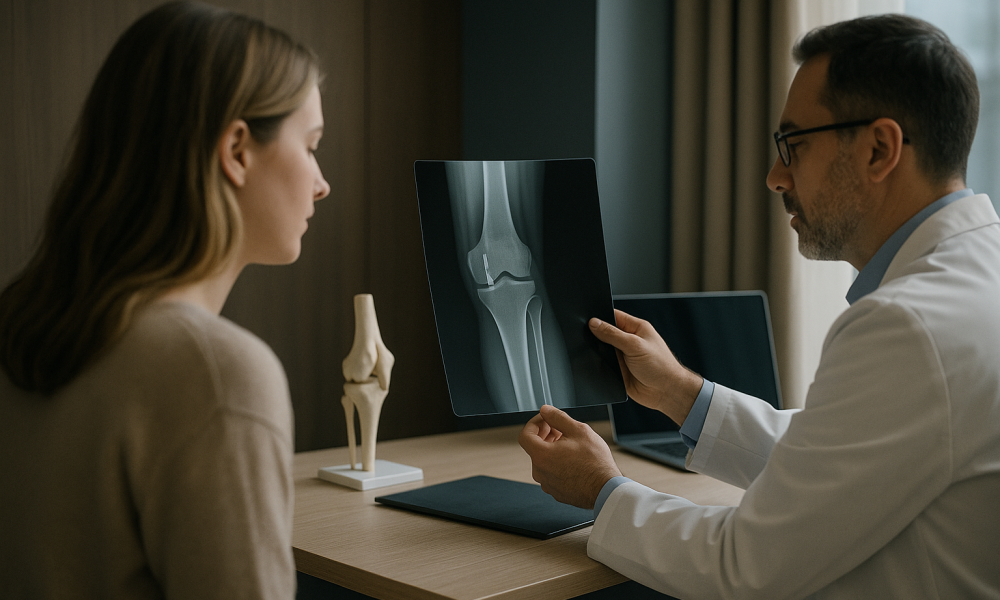
What ACL Reconstruction is and who it is for
The anterior cruciate ligament (ACL) is a critical ligament located in the knee, providing stability and allowing for a range of movements necessary for activities such as walking, running, and jumping. ACL reconstruction is a surgical procedure aimed at restoring the function of the knee after the ligament has been damaged or torn, which is a common injury among athletes and physically active individuals.
This surgery involves replacing the torn ligament with a graft, which is typically taken from another part of the patient’s body, such as the hamstring tendons or the patellar tendon. In some cases, a donor graft may be used. The procedure is usually performed arthroscopically, meaning it involves small incisions and the use of a camera to guide the surgeon, which can result in a faster recovery and less post-operative pain compared to open surgery.
ACL reconstruction is primarily recommended for individuals who have experienced a complete tear of the ACL and who wish to return to a high level of physical activity, particularly sports that involve pivoting or sudden changes in direction. It is also advised for those who experience knee instability in daily activities, as this can lead to further injury or damage to the knee joint.
The benefits of undergoing ACL reconstruction include the restoration of knee stability and function, a reduction in pain and swelling, and the prevention of further injury to the knee. However, it is important to understand that this procedure does not guarantee a return to pre-injury levels of activity or performance, and the success of the surgery can depend on factors such as the patient’s age, the extent of the injury, and adherence to rehabilitation protocols.
Are you a good candidate?
Determining whether you are a suitable candidate for ACL reconstruction involves a thorough assessment of your individual circumstances, including the nature of your injury and your personal health goals. Typically, candidates for this surgery include those with:
- Significant knee instability: Individuals who experience their knee giving way during routine activities might benefit from reconstruction.
- Active lifestyle: Those who engage in sports or physical activities that require knee stability, such as football, skiing, or basketball.
- Repeated knee injuries: Candidates who have suffered multiple knee injuries or have chronic knee pain that limits their activities.
- Younger patients: Younger individuals who are more likely to return to high-impact sports.
- Good overall health: Candidates should be in good general health to undergo surgery and participate in rehabilitation.
- Motivation for rehabilitation: A strong commitment to follow post-operative rehabilitation protocols, which are crucial for a successful recovery.
While ACL reconstruction is a common procedure, it is not suitable for everyone. Some individuals might manage their condition effectively with physical therapy and lifestyle modifications without surgery. A comprehensive evaluation by an orthopaedic specialist, often involving imaging tests such as MRI, is essential in making an informed decision. Your healthcare provider will consider factors such as your age, activity level, the degree of knee instability, and personal recovery goals to determine if surgery is the most appropriate option for you.
The procedure, step by step
Anterior Cruciate Ligament (ACL) reconstruction is a surgical procedure aimed at restoring knee stability and function after an ACL injury. Here’s a detailed step-by-step guide of what typically occurs during the procedure:
- Pre-operative Preparation: The process begins with a thorough pre-operative evaluation, including a physical examination and imaging tests such as MRI scans. These help the surgeon assess the extent of the injury. Patients are advised to avoid food and drink for a specified period before surgery, usually 6-12 hours, to minimise anaesthesia risks.
- Anaesthesia: On the day of the surgery, you will meet with an anaesthetist to discuss anaesthesia options. General anaesthesia is commonly used, putting you completely asleep during the procedure. Alternatively, regional anaesthesia, such as a spinal block, may be chosen to numb the lower body while allowing you to remain awake.
- Incision and Arthroscopy: The surgeon makes small incisions around the knee and inserts an arthroscope — a tiny camera that projects images onto a monitor. This minimally invasive approach allows for a detailed view of the knee joint and guides the surgeon during the procedure.
- Graft Harvesting: The next step involves obtaining a graft to replace the damaged ACL. Common sources include the patient’s own hamstring tendon or patellar tendon, or sometimes, a donor graft. The choice of graft depends on various factors, including the patient’s activity level and personal preference.
- Tunnel Creation: Small tunnels are drilled into the femur and tibia, the bones that connect to the knee joint. These tunnels serve as pathways for the new graft, allowing it to be positioned correctly.
- Graft Fixation: The harvested graft is threaded through the tunnels and secured using fixation devices such as screws or staples. This fixation ensures the graft remains stable while it integrates with the surrounding bone tissue over time.
- Closing the Incisions: Once the graft is secured, the surgeon closes the incisions with sutures or surgical staples. The knee is then bandaged, and a brace or splint may be applied to protect the joint and limit movement during the initial healing phase.
- Post-operative Monitoring: After the surgery, you will be moved to a recovery area where medical staff will monitor your vital signs and manage any immediate post-operative pain. Once stable, you will receive instructions on post-operative care before being discharged, usually within 24 hours.
This comprehensive procedure aims to ensure the best possible outcome, with the ultimate goal of restoring knee function and enabling a return to normal activities.
Recovery timeline
Recovering from ACL reconstruction surgery is a gradual process that requires patience and adherence to rehabilitation protocols. Here is a detailed timeline of what to expect from day one to full recovery:
| Period | What to expect | Care notes |
|---|---|---|
| Day 1-3 | Initial swelling and discomfort are common. Begin gentle movements to aid circulation. | Use prescribed pain relief and keep the leg elevated to reduce swelling. Ice packs can help. |
| Week 1-2 | Swelling begins to decrease. Focus on gentle range-of-motion exercises. | Attend follow-up appointments. Begin physical therapy as advised to improve mobility. |
| Week 3-6 | Improved range of motion and reduced swelling. Start weight-bearing exercises. | Continue physical therapy. Follow the physiotherapist’s guidance on exercises. |
| Week 7-12 | Strengthening exercises introduced. Return to normal daily activities. | Adhere to rehabilitation plan. Avoid high-impact activities until cleared by the surgeon. |
| Month 3-6 | Gradual return to sport-specific training. Enhanced knee stability. | Continue physiotherapy focusing on strength and endurance. Monitor for any pain or swelling. |
| Month 6-12 | Full recovery is typically achieved. Return to competitive sports upon medical clearance. | Regular check-ups to ensure full recovery. Maintain an exercise routine to support knee health. |
This timeline provides a general overview, but individual recovery can vary. Consistent communication with healthcare providers and adherence to rehabilitation protocols are vital for a successful recovery.
What it costs: Turkey vs the United Kingdom
When considering ACL reconstruction surgery, cost is a significant factor for many patients. Turkey has become a popular destination for medical tourism due to its competitive pricing and high-quality healthcare services. To provide a clearer picture of the financial aspect, it is essential to compare the indicative costs of ACL reconstruction in Turkey with those in the United Kingdom.
| Component | Turkey (GBP) | United Kingdom (GBP) |
|---|---|---|
| Surgery Cost | £2,500 – £4,500 | £7,000 – £11,000 |
| Hospital Stay (per night) | £50 – £150 | £200 – £400 |
| Physiotherapy Sessions (per session) | £20 – £40 | £50 – £80 |
| Consultation Fees | £30 – £60 | £100 – £200 |
It is important to note that these figures are indicative and can vary significantly depending on the specific healthcare provider, the complexity of the surgery, and the type of graft used. In Turkey, many healthcare facilities offer comprehensive packages that might include the surgery, hospital stay, initial physiotherapy, and even accommodation and transfer services for international patients. These packages can provide better value for money and simplify the logistical arrangements for patients travelling from abroad.
In contrast, in the United Kingdom, costs tend to be higher, and the inclusion of additional services such as physiotherapy or accommodation is less common in the base price. Patients may need to budget separately for these services, which can increase the overall cost.
While cost is a critical consideration, it should not be the sole factor in decision-making. Prospective patients should also evaluate the quality of care, the experience and qualifications of the medical team, and the accreditation of the facility. Many Turkish hospitals and clinics are accredited by international bodies, ensuring they meet high standards of care.
Risks and how accredited providers manage them
ACL reconstruction, like any surgical procedure, carries certain risks. Understanding these risks and how they are managed by accredited providers is crucial for prospective patients considering treatment abroad.
Common risks associated with ACL reconstruction include infection, blood clots, knee stiffness, graft failure, and complications related to anaesthesia. Additional risks might involve damage to surrounding structures such as nerves or blood vessels. Accredited healthcare providers in Turkey take these risks seriously and implement a range of strategies to mitigate them.
- Infection Control: Accredited hospitals adhere to stringent infection control protocols. This includes sterilisation of surgical instruments, use of antibiotics pre- and post-operatively, and maintaining a sterile operating environment to minimise the risk of infection.
- Blood Clot Prevention: To reduce the risk of deep vein thrombosis (DVT), patients are often encouraged to mobilise soon after surgery. Compression stockings and anticoagulant medications might also be used as preventive measures.
- Monitoring and Early Detection: Post-operative monitoring is critical. Accredited facilities often have protocols in place for regular checks to detect any early signs of complications, allowing for timely intervention.
- Experienced Surgical Teams: The skill and experience of the surgical team play a vital role in reducing risks. Accredited providers ensure that surgeons are highly trained and often have extensive experience in performing ACL reconstructions.
- Pain Management: Effective pain management strategies are employed to enhance patient comfort and facilitate early mobilisation, which is crucial for recovery. These might include a combination of medication and physical therapy.
Communication between the medical team and patient is also a key component of risk management. Patients are typically provided with comprehensive pre-operative assessments and post-operative care plans, which include detailed instructions on rehabilitation and warning signs of potential complications.
Accredited providers often offer follow-up consultations, even for international patients, to ensure ongoing recovery and address any concerns that may arise after returning home. This holistic approach aims to minimise risks and promote successful outcomes, though it is important to remember that no surgical procedure is entirely without risk.
Ultimately, while ACL reconstruction in Turkey offers potential cost savings and quality care, patients should conduct thorough research, including verifying the accreditation of the healthcare provider and consulting with medical professionals at home before making a decision.
How to choose the right provider
Choosing the right provider for ACL reconstruction in Turkey involves considering several critical factors to ensure a safe and effective experience. One of the first elements to assess is accreditation. Look for hospitals and clinics that are accredited by international bodies such as the Joint Commission International (JCI) or the International Organization for Standardization (ISO). These accreditations indicate adherence to high standards of medical care and patient safety.
Next, consider the experience of the surgeon. It is advisable to choose a surgeon who specialises in orthopaedic surgery with a specific focus on knee procedures. Verify their credentials, the number of ACL reconstructions they have performed, and their success rates. A surgeon with a history of at least 200 successful procedures may be considered experienced.
Aftercare is another crucial factor. A comprehensive aftercare programme should include physiotherapy, regular monitoring, and follow-up consultations. Ensure that the provider offers these services and enquire about the availability of English-speaking staff to facilitate communication.
Be vigilant for red flags when evaluating providers. Beware of clinics that promise guaranteed results or offer significantly lower prices than the average range of £3,500 to £6,500. Such offers may indicate compromised quality or hidden costs. Additionally, a lack of transparent information about the surgeon’s qualifications or the clinic’s accreditations should raise concerns.
Finally, consider patient reviews and testimonials. While these should not be the sole deciding factor, they can offer insights into the patient experience and satisfaction levels. Look for reviews that specifically mention aspects such as the professionalism of the staff, the cleanliness of the facilities, and the effectiveness of the aftercare.
Planning your trip
Proper planning is essential for a successful medical trip for ACL reconstruction in Turkey. Begin by establishing a timeline. It is generally advisable to start planning at least three months before your intended travel date. This period allows ample time to research providers, secure appointments, and arrange travel logistics.
Ensure you have all necessary documents ready. This includes a valid passport, travel visa if required, and any medical records pertinent to your ACL condition. These documents will be crucial for consultations and treatment planning.
Consider the length of stay. Typically, patients should plan to stay in Turkey for at least two weeks. This duration allows for pre-operative assessments, the surgery itself, and initial recovery and physiotherapy sessions. Most patients can expect to spend 1-3 days in the hospital, followed by a week or more in a nearby accommodation for further recovery and follow-up appointments.
Address follow-up care at home before you travel. Arrange for a physiotherapist in the UK who can continue your rehabilitation once you return. Your Turkish provider should offer a detailed rehabilitation plan to share with your UK-based physiotherapist. Additionally, schedule a follow-up appointment with your GP to monitor your recovery.
Finally, consider travel logistics such as flights and accommodation. Book flights that allow flexibility in case of unexpected changes to your recovery timeline. Choose accommodations close to the clinic to minimise travel stress. It may also be beneficial to arrange for a companion to assist with post-operative care and travel.
Frequently Asked Questions
What is the typical cost of ACL reconstruction in Turkey?
The typical cost of ACL reconstruction in Turkey ranges from £3,500 to £6,500. This cost usually includes the surgery, hospital stay, and initial aftercare. However, it is important to verify what is included in the quoted price to avoid unexpected expenses. Always ask for a detailed breakdown of costs before making any commitments.
How can I verify the accreditation of a Turkish clinic?
You can verify the accreditation of a Turkish clinic by checking if they are certified by recognised international bodies such as the Joint Commission International (JCI) or the International Organization for Standardization (ISO). These accreditations ensure that the clinic adheres to high standards of medical care and patient safety. Accreditation information is often available on the clinic's website or upon request.
What should I expect in terms of recovery time?
Recovery from ACL reconstruction generally takes 6 to 12 months, depending on individual circumstances. Initial recovery involves hospitalisation for 1-3 days, followed by a few weeks of intensive physiotherapy. Most patients can resume low-impact activities within 3 months, while returning to high-impact sports may take up to a year. Adhering to a rehabilitation programme is crucial for optimal recovery.
Is ACL reconstruction in Turkey safe?
ACL reconstruction in Turkey is generally safe, especially when conducted at accredited facilities with experienced surgeons. Turkey's healthcare system is well-regarded, and many hospitals are internationally accredited. To ensure safety, choose a provider with a strong reputation, check surgeon credentials, and confirm the availability of comprehensive aftercare services.
What documents do I need to bring for treatment in Turkey?
For ACL reconstruction in Turkey, you will need a valid passport, a travel visa (if required for your nationality), and any relevant medical records that detail your ACL condition. These documents will help facilitate the consultation process and ensure that the medical team has all necessary information to plan your treatment effectively.
How long should I plan to stay in Turkey for the surgery?
Plan to stay in Turkey for at least two weeks for ACL reconstruction. This time frame includes pre-operative assessments, the surgery, and initial recovery and physiotherapy sessions. Most patients spend 1-3 days in the hospital, followed by additional recovery time in nearby accommodation. Discuss your specific timeline with your healthcare provider.
What type of aftercare is provided after ACL surgery?
Aftercare following ACL reconstruction typically includes physiotherapy, regular follow-up consultations, and monitoring of your recovery progress. Many clinics offer a structured rehabilitation programme tailored to your needs. Ensure that the provider offers these services and confirm the availability of English-speaking staff to facilitate effective communication.
Will my health insurance cover ACL reconstruction in Turkey?
Coverage for ACL reconstruction abroad depends on your specific health insurance policy. Some policies may cover international procedures, while others may not. It is essential to contact your insurance provider to discuss your coverage options and determine whether ACL reconstruction in Turkey is included. Always obtain written confirmation of coverage before proceeding.
How do I arrange follow-up care once I return to the UK?
Arrange follow-up care in the UK by securing a physiotherapist who can continue your rehabilitation according to the plan provided by your Turkish healthcare provider. Additionally, schedule a follow-up appointment with your GP to monitor your recovery progress. Ensure that your Turkish provider supplies a detailed rehabilitation plan to share with your UK-based care team.
What are the risks associated with ACL reconstruction?
Like any surgical procedure, ACL reconstruction carries potential risks such as infection, blood clots, and knee stiffness. However, these risks are minimised by choosing an experienced surgeon and an accredited facility. Discuss potential risks and complications with your surgeon before the procedure to fully understand the safety measures in place.
Can I choose my surgeon in Turkey?
Yes, you can typically choose your surgeon in Turkey. It is advisable to research and select a surgeon based on their experience, credentials, and patient reviews. Many clinics provide profiles of their surgeons online, including their qualifications, areas of expertise, and the number of procedures performed. Discuss your choice with the clinic to ensure you are comfortable with your selection.
What should I look for in patient reviews?
When evaluating patient reviews, look for comments about the professionalism of the staff, the cleanliness and facilities of the clinic, and the effectiveness of the aftercare provided. Reviews that mention specific experiences with the surgeon, such as communication and bedside manner, can also be insightful. While reviews should not be the sole factor in your decision, they can provide valuable insights into the overall patient experience.