
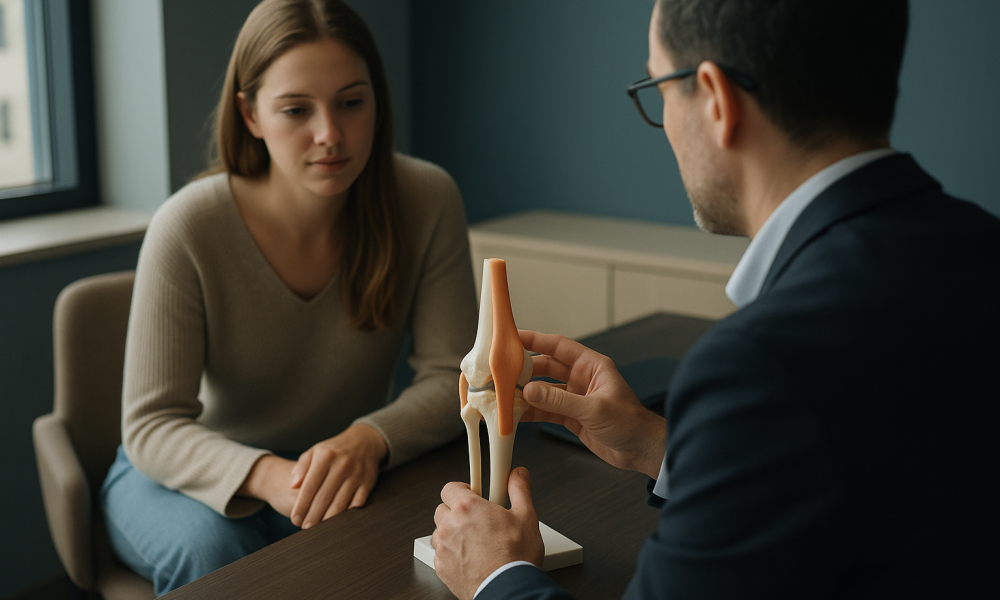
What ACL Reconstruction is and who it is for
The Anterior Cruciate Ligament (ACL) is a crucial ligament located in the knee, responsible for providing stability and flexibility during movement. ACL injuries are common among athletes and individuals who engage in activities that involve sudden stops, jumps, or changes in direction. An ACL reconstruction is a surgical procedure aimed at restoring the function and stability of the knee after an ACL tear. This procedure is often recommended for those who suffer from instability in the knee or whose daily activities are significantly affected by the injury.
The procedure involves replacing the torn ligament with a graft, which can be sourced from the patient’s own body (autograft) or from a donor (allograft). The most common sources for autografts include the patellar tendon, hamstring tendons, or quadriceps tendon. The choice of graft type depends on several factors, including the patient’s activity level, age, and specific medical condition.
ACL reconstruction is typically performed arthroscopically, meaning it is minimally invasive and involves the use of a small camera and instruments inserted through tiny incisions around the knee. This approach generally results in less postoperative pain and faster recovery times compared to traditional open surgery. The surgery usually takes about 1 to 2 hours, and patients are often discharged from the hospital within 1 to 2 days.
The primary goal of ACL reconstruction is to restore the normal function of the knee, allowing patients to return to their pre-injury levels of activity. While the procedure has a high success rate, it is important to note that recovery can be a lengthy process. Patients typically engage in a structured rehabilitation programme for several months post-surgery to ensure optimal outcomes. In general, patients can expect to return to work within 2 to 6 weeks, depending on the nature of their job, and full recovery, including a return to high-impact sports, may take 6 to 12 months.
Are you a good candidate?
Determining whether you are a suitable candidate for ACL reconstruction involves a comprehensive evaluation by an orthopaedic specialist. This decision is based on several factors, including the severity of the injury, your activity level, and your overall health status. Generally, ACL reconstruction is recommended for individuals who experience significant knee instability, have active lifestyles, or whose daily activities are limited by the injury. It is also often advised for young athletes who wish to return to sports that involve pivoting movements.
Before considering surgery, doctors will assess the extent of the ACL injury through a combination of physical examinations and imaging tests, such as MRI scans. These assessments help determine the best course of action and whether non-surgical treatments, like physical therapy, might be effective. However, for those who have sustained a complete tear or who experience persistent instability, surgery is often necessary.
Here is a checklist to help you determine if you might be a good candidate for ACL reconstruction:
- Age and Activity Level: Younger, active individuals, particularly athletes, benefit the most from the procedure.
- Severity of Tear: Complete tears or severe partial tears that affect stability.
- Knee Instability: Frequent episodes of the knee giving way during activity.
- Failed Conservative Treatment: Little to no improvement with physical therapy or bracing.
- Desire to Return to Sports: Intention to return to sports or activities requiring knee stability.
- Overall Health: Good general health to withstand surgery and rehabilitation.
Ultimately, the decision to proceed with ACL reconstruction should be made after thorough discussion with your healthcare provider, considering both the potential benefits and risks. It is essential to have realistic expectations and to commit to the rehabilitation process to achieve the best possible outcome.
The procedure, step by step
Anterior cruciate ligament (ACL) reconstruction is a surgical procedure to replace a torn ACL, a major ligament in the knee. This procedure is typically performed arthroscopically, which is minimally invasive, allowing for faster recovery times. Here is a step-by-step breakdown of what patients can expect during the surgery:
- Pre-operative Preparation: Before the procedure, patients undergo a thorough medical evaluation, including imaging tests such as MRI scans to assess the extent of the injury. Patients will meet with the anaesthetist to discuss anaesthesia options, usually general anaesthesia or regional block anaesthesia.
- Positioning and Anaesthesia: Once in the operating room, the patient is positioned on the surgical table, typically lying on their back. The anaesthesia is administered, and the surgical team ensures the patient is comfortable and stable before proceeding.
- Arthroscopic Examination: The surgeon makes small incisions around the knee to insert an arthroscope, a small camera that allows for a detailed view of the knee joint on a monitor. This step involves examining the knee’s internal structures to confirm the ACL tear and assess any additional damage, such as meniscal tears.
- Harvesting the Graft: The next step involves obtaining a graft to replace the torn ACL. Common graft options include the patellar tendon, hamstring tendon, or a donor graft (allograft). The choice depends on the patient’s specific needs and the surgeon’s recommendation.
- Graft Placement: Once the graft is prepared, the surgeon drills small tunnels into the femur and tibia bones at the original ACL attachment sites. The graft is threaded through these tunnels and secured with screws or other fixation devices to ensure stability.
- Closure and Dressing: After securing the graft, the surgeon closes the incisions with sutures or staples and applies a sterile dressing to protect the area. The knee is often wrapped in a bandage or placed in a brace to provide support during the initial recovery phase.
- Post-operative Care: Once the procedure is complete, the patient is moved to a recovery area where they are monitored as they wake up from anaesthesia. The medical team provides pain management and post-operative instructions, including how to use crutches and the importance of keeping the leg elevated to reduce swelling.
This detailed procedure aims to restore knee stability and function, allowing patients to return to their daily activities and sports with proper rehabilitation.
Recovery timeline
Recovery from ACL reconstruction surgery is a gradual process that involves several stages. Patients must adhere to a structured rehabilitation programme to ensure optimal recovery. Below is a detailed recovery timeline, highlighting what patients can expect and care notes for each period:
| Period | What to Expect | Care Notes |
|---|---|---|
| Day 1-3 | Initial recovery involves managing pain and swelling. Patients may experience discomfort and will likely need crutches to assist with mobility. | Focus on resting and keeping the leg elevated. Apply ice packs regularly to reduce swelling. Follow prescribed pain management protocol. |
| Week 1-2 | Swelling should begin to decrease, and patients can start gentle range-of-motion exercises. Weight-bearing may gradually increase with guidance from a physiotherapist. | Attend follow-up appointments. Engage in prescribed physiotherapy exercises. Continue using crutches as advised. |
| Week 3-6 | Improved mobility and strength. Patients should be able to walk without crutches. Begin more intensive physiotherapy sessions focusing on improving knee function. | Adhere to physiotherapy schedule. Avoid high-impact activities. Report any unusual pain or swelling to your doctor. |
| Month 2-3 | Continued improvement in knee stability and strength. Patients may start low-impact activities such as cycling or swimming. | Gradually increase activity levels as advised by your physiotherapist. Maintain regular check-ins with your healthcare provider. |
| Month 4-6 | Most patients can return to light sports and activities. Knee function should be significantly improved. | Continue strengthening exercises. Begin sport-specific drills if cleared by your physiotherapist. |
| Month 7-12 | Full recovery is typically expected within this period. Patients can return to high-impact sports with clearance from their healthcare team. | Ensure ongoing strength and conditioning exercises. Regularly assess knee function and consult your healthcare provider as needed. |
This structured recovery timeline helps ensure a safe and effective return to normal activities, although individual recovery rates may vary.
What it costs: Turkey vs the UK, Europe and North America
When considering ACL reconstruction, cost is a significant factor for many international patients. Turkey has emerged as a popular destination for this procedure due to its competitive pricing, which often includes comprehensive packages that cover various aspects of the treatment journey.
Below is a comparison of indicative price ranges for ACL reconstruction in Turkey, the UK, Europe, and North America. These figures are estimates and can vary based on factors such as the specific clinic, the surgeon’s experience, and the complexity of the case:
| Region | Indicative Price Range (GBP) | Typical Package Inclusions |
|---|---|---|
| Turkey | £3,000 – £5,000 | Consultation, surgery, hospital stay, physiotherapy, airport transfers, accommodation |
| UK | £8,000 – £12,000 | Consultation, surgery, hospital stay |
| Europe | £7,000 – £11,000 | Consultation, surgery, hospital stay |
| North America | £15,000 – £25,000 | Consultation, surgery, hospital stay |
In Turkey, the cost of ACL reconstruction typically includes a package that offers more than just the surgery itself. Patients can expect to have pre-operative consultations, the surgical procedure, and post-operative care, along with added conveniences such as airport transfers and accommodation during their recovery period. This comprehensive approach can provide peace of mind and add value to the overall treatment experience.
In contrast, the cost of ACL reconstruction in the UK and other parts of Europe often encompasses only the surgery and immediate hospital stay, with additional costs for follow-up consultations and physiotherapy. Similarly, in North America, the price is generally higher and may not include post-operative care or accommodations, which can lead to additional expenses.
It is crucial for patients to verify what is included in their treatment package and to consider all potential expenses, such as travel, accommodation, and additional medical care, when comparing costs across regions. Patients should also ensure that they understand the terms of payment and any available financing options to make an informed decision.
Risks and how accredited providers manage them
ACL reconstruction is a well-established surgical procedure with a high success rate, but like any surgery, it carries certain risks. Understanding these risks and how they are managed by accredited providers in Turkey is essential for making an informed decision.
Some potential risks associated with ACL reconstruction include:
- Infection: As with any surgery, there is a risk of infection. Accredited clinics in Turkey follow stringent sterilisation protocols and maintain high standards of hygiene to minimise this risk. Patients are usually prescribed antibiotics as a preventative measure.
- Blood clots: There is a possibility of developing blood clots post-surgery. To mitigate this risk, patients may be given anticoagulant medication and encouraged to mobilise soon after surgery to promote circulation.
- Stiffness or loss of motion: Post-operative stiffness can occur, but this is typically addressed through a tailored physiotherapy programme designed to restore full range of motion.
- Graft failure: Although rare, there is a possibility of the graft failing. Accredited providers employ experienced surgeons who use advanced techniques to ensure optimal graft placement and fixation.
- Nerve or blood vessel damage: This is an uncommon risk, and surgeons take great care to avoid such complications during the procedure.
Accredited providers in Turkey are equipped to manage these risks through comprehensive pre-operative assessments and meticulous surgical planning. They employ highly qualified surgeons who are experienced in performing ACL reconstructions and often hold international certifications or have trained abroad.
Moreover, these providers invest in state-of-the-art medical technology and adhere to international healthcare standards, ensuring that patients receive the highest quality of care. Post-operative care is a critical component of risk management, and patients are provided with detailed recovery plans, including physiotherapy regimens tailored to their specific needs.
Additionally, many clinics offer follow-up consultations to monitor the patient’s recovery and address any concerns promptly. This ongoing support helps to ensure that any potential complications are identified and managed effectively, further reducing the risk of adverse outcomes.
Ultimately, by choosing an accredited provider in Turkey, patients can be assured that comprehensive measures are in place to manage risks effectively, promoting a safe and successful recovery from ACL reconstruction.
How to choose the right provider
Choosing the right provider for ACL reconstruction in Turkey is a crucial step in ensuring a successful outcome. The first factor to consider is accreditation. Look for hospitals accredited by international bodies such as the Joint Commission International (JCI) or the International Organization for Standardization (ISO). These accreditations are indicators of high-quality standards in healthcare services.
Next, evaluate the surgeon’s experience. An experienced surgeon will have a significant number of ACL reconstructions performed annually. It’s advisable to inquire about the surgeon’s specific experience with ACL repairs, including their success rates and any specialised training they may have undergone. Surgeons who have completed fellowships in sports medicine or orthopaedic surgery are often well-qualified.
Consider the level of aftercare provided. Post-operative care is critical to recovery, and a reputable provider will offer comprehensive aftercare plans. This may include physical therapy, follow-up consultations, and a clear communication channel for any post-surgery concerns. Check if the hospital has a dedicated rehabilitation team and if they provide personalised rehabilitation plans tailored to your needs.
Be aware of red flags that might indicate a less reputable provider. These include a lack of transparent pricing, overly aggressive marketing tactics, or pressure to make immediate decisions. Additionally, avoid providers that offer guaranteed results or have a high volume of negative reviews online. It’s beneficial to seek testimonials from previous patients, which can provide insights into their experiences with the provider.
Inquire about the hospital’s facilities and technology. Advanced surgical facilities with state-of-the-art equipment can enhance the success of your surgery. Ensure that the hospital is equipped to handle any emergencies and has a well-trained staff to support the surgical team.
Finally, consider the language support available. Communication is key, and having access to staff who can speak your language fluently can ease the process significantly.
Planning your trip
Planning your trip for ACL reconstruction in Turkey involves several important considerations. Begin by establishing a timeline before travel. Typically, it is advisable to schedule your surgery at least 6-8 weeks in advance. This timeframe allows you to arrange necessary documentation, consult with your healthcare provider at home, and prepare for your stay in Turkey.
Ensure you have all documents in order. This includes your passport, visa (if required), medical records, and any referral letters from your home country. It’s beneficial to have these documents translated into Turkish if possible, as this can facilitate smoother communication with medical staff.
Consider the length of stay. For ACL reconstruction, you may need to stay in Turkey for approximately 10-14 days. This period includes pre-surgery consultations, the surgery itself, and initial post-operative care. Discuss with your surgeon the recommended duration of your stay and any specific post-operative appointments that may be necessary before returning home.
Think about follow-up care at home. Arrange for a follow-up appointment with your local healthcare provider to monitor your recovery. It’s essential to have a clear understanding of the rehabilitation process and to continue with prescribed physical therapy once you return. Ensure you have all necessary documentation and contact information for your Turkish healthcare provider in case any questions or issues arise during your recovery.
Consider travel insurance that covers medical procedures abroad. This insurance should cover not only the surgery but also any potential complications that may arise. Review the policy details carefully to ensure comprehensive coverage.
Lastly, explore accommodation options. Many hospitals in Turkey offer packages that include accommodation, but if you prefer to arrange your own, choose a location close to the hospital to minimise travel stress. Consider factors such as accessibility, comfort, and proximity to amenities like pharmacies and grocery stores.
Frequently Asked Questions
What is the typical cost of ACL reconstruction in Turkey?
The typical cost of ACL reconstruction in Turkey ranges from £3,000 to £5,000. This price can vary based on the hospital, the surgeon's experience, and the level of aftercare provided. It's important to note that these figures are indicative and may not include additional expenses such as travel, accommodation, and rehabilitation. Patients should contact the hospital directly for a detailed quote.
Is ACL reconstruction in Turkey safe?
Yes, ACL reconstruction in Turkey can be safe, particularly when performed in accredited hospitals with experienced surgeons. Turkey has numerous internationally accredited medical facilities and highly trained professionals. Patients should research providers, check for accreditation such as JCI or ISO, and read reviews from former patients to ensure safety and quality of care.
How long should I stay in Turkey after ACL surgery?
Patients typically stay in Turkey for about 10-14 days following ACL surgery. This duration allows for pre-surgery consultations, the surgery itself, and initial post-operative assessments. Your surgeon will provide specific recommendations based on your individual recovery needs. Ensure you have a plan for follow-up care once you return home.
What documents do I need for ACL surgery in Turkey?
You will need your passport, visa (if required), medical records, and any referral letters from your home healthcare provider. It's also beneficial to have these documents translated into Turkish. Ensure you have access to your medical history, including past surgeries and any current medications, to provide a comprehensive overview to your Turkish healthcare team.
What should I consider when choosing a surgeon in Turkey?
When choosing a surgeon in Turkey, consider their accreditation, experience, and patient reviews. Look for surgeons who have completed fellowships in orthopaedic surgery or sports medicine. Inquire about their success rates with ACL reconstruction and ask for patient testimonials. Ensure the hospital is accredited by international bodies such as JCI or ISO.
Will my insurance cover ACL reconstruction in Turkey?
Insurance coverage for ACL reconstruction in Turkey varies depending on your provider and policy. Some international insurance plans cover medical procedures abroad, but it's crucial to verify this with your insurer. Ensure you understand the policy details, including coverage limits and any required pre-authorisations, to avoid unexpected expenses.
How do I arrange follow-up care after returning home?
Arrange follow-up care by scheduling an appointment with your local healthcare provider before you travel. Share your surgical plan and post-operative instructions with them. Continue with prescribed physical therapy and maintain communication with your Turkish healthcare provider for any questions. Ensure you have all necessary documentation for a smooth transition in care.
Are there language barriers in Turkish hospitals?
Many hospitals in Turkey catering to international patients offer language support services. It's common for staff to speak English, and translation services are often available if needed. Confirm language support availability when choosing a provider, as clear communication is vital for effective healthcare delivery.
What is the recovery timeline for ACL reconstruction?
The recovery timeline for ACL reconstruction generally spans 6-12 months. Initial recovery involves rest and rehabilitation to restore knee function and strength. Physical therapy is crucial and typically begins soon after surgery. Patients should follow their surgeon's guidance closely to optimise recovery and return to normal activities.
Can I travel alone for ACL surgery in Turkey?
While it is possible to travel alone for ACL surgery, having a companion can be beneficial. A travel companion can provide support, assist with mobility post-surgery, and help manage logistics. If travelling alone, ensure you have arranged for assistance at your accommodation and during hospital visits.
What type of accommodation is available near hospitals in Turkey?
Accommodation options near hospitals in Turkey range from budget hotels to serviced apartments and luxury hotels. Some hospitals offer medical tourism packages that include accommodation. When choosing, consider proximity to the hospital, comfort, accessibility, and availability of amenities like pharmacies and grocery stores. Booking in advance is advisable.
Are there any red flags to watch out for when selecting a provider?
Yes, watch out for providers lacking transparent pricing, those with aggressive marketing tactics, or those pressuring you to make immediate decisions. Avoid clinics that guarantee results or have numerous negative reviews. Always verify the hospital's accreditation and the surgeon's credentials to ensure quality and safety.