
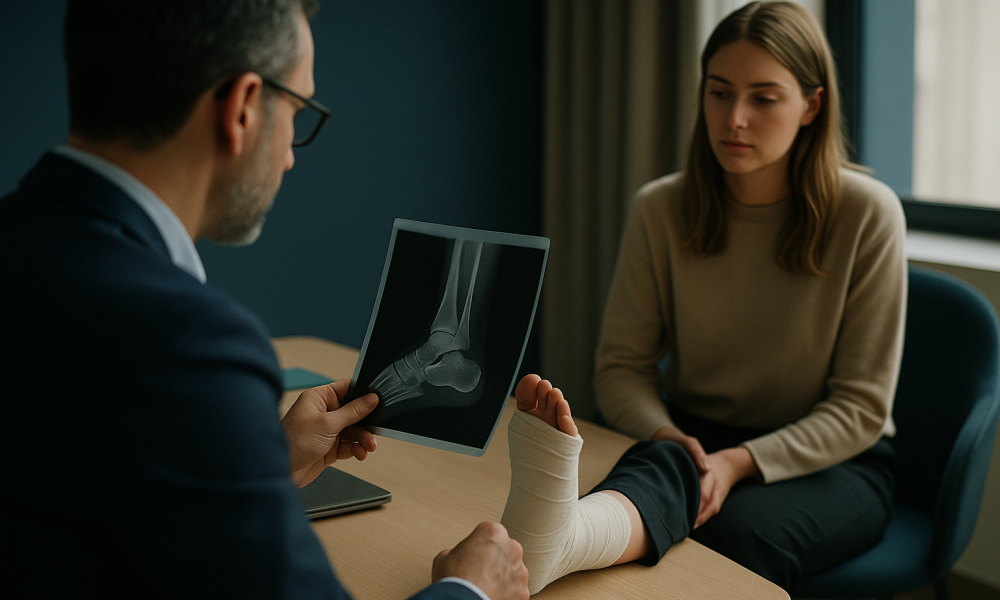
What Ankle Ligament Surgery is and who it is for
Ankle ligament surgery is a procedure aimed at repairing or reconstructing ligaments in the ankle, typically following injury or chronic instability. This surgery is often considered when non-surgical treatments, such as physiotherapy and bracing, have not provided sufficient relief or stability. The ligaments in question are strong bands of tissue that connect bones and provide stability to the ankle joint, enabling a range of motion necessary for walking, running, and other activities.
The most common reason for ankle ligament surgery is a significant ankle sprain that has not healed properly, leading to chronic instability. This instability can cause recurrent sprains, pain, and difficulty in performing daily activities, ultimately affecting the quality of life. Surgery may involve either repairing the damaged ligaments or reconstructing them using tissue grafts, which can be sourced from the patient (autograft) or a donor (allograft).
The procedure is generally performed under general anaesthesia, and the duration ranges from one to two hours depending on the complexity of the surgery. Post-surgery, patients may be required to stay in the hospital for one to two days for observation and initial recovery. The initial phase of recovery focuses on reducing swelling and pain, followed by a structured rehabilitation programme to restore strength and mobility.
Turkey has become a popular destination for this type of surgery due to its high-quality medical facilities and experienced orthopaedic surgeons. The cost of ankle ligament surgery in Turkey is typically in the range of £2,500 to £4,500, which is considerably lower than in many Western countries, making it an attractive option for international patients. However, it is crucial to understand that outcomes can vary based on individual circumstances, including the extent of the injury and adherence to post-operative care.
Are you a good candidate?
Determining whether you are a suitable candidate for ankle ligament surgery involves a thorough assessment of your medical history, current symptoms, and lifestyle. This evaluation is typically conducted by an orthopaedic specialist who will consider various factors to ensure the procedure is appropriate for your condition. Below is a checklist that may help you determine if you might be a good candidate for the surgery:
- Chronic Instability: You experience frequent ankle sprains or a persistent feeling of giving way during physical activities.
- Non-responsive to Conservative Treatment: Non-surgical interventions such as physiotherapy, bracing, or medication have not improved your symptoms.
- Significant Pain: You suffer from ongoing pain that limits your daily activities or affects your quality of life.
- Active Lifestyle: You wish to return to a high level of physical activity and your current ankle condition restricts this.
- Overall Health: You are in good general health and can tolerate surgery and anaesthesia.
- Realistic Expectations: You understand the potential risks and benefits of the surgery and have realistic expectations about the outcomes.
Before proceeding with surgery, imaging tests such as X-rays or MRI scans are often conducted to assess the extent of ligament damage and rule out other potential issues like fractures. Additionally, a comprehensive discussion with your surgeon regarding the procedure, recovery process, and potential complications is essential. This ensures that you are well-informed and can make a decision that aligns with your personal health goals.
The procedure, step by step
Ankle ligament surgery is typically recommended when non-surgical treatments have not sufficiently addressed the instability or pain in the ankle. The procedure aims to repair or reconstruct damaged ligaments to restore normal function and stability. Below is a step-by-step outline of the surgical process:
- Pre-operative assessment: Prior to surgery, you will undergo a thorough evaluation which may include physical examination, imaging studies such as MRI or X-rays, and discussions with your surgeon about your medical history and any medications you are taking.
- Anaesthesia: On the day of the surgery, you will be administered anaesthesia. This is usually general anaesthesia, meaning you will be asleep during the procedure. In some cases, regional anaesthesia may be used to numb the lower half of your body.
- Incision: The surgeon will make a small incision, typically on the outer side of your ankle. The size and location of the incision depend on the specific ligaments involved and the surgical technique employed.
- Repair or reconstruction: For a ligament repair, the surgeon will suture the torn ligaments back together. In cases where reconstruction is necessary, a tendon graft may be used to replace the damaged ligament. This graft can be taken from another part of your body or from a donor.
- Stabilisation: The repaired or reconstructed ligaments are then tested for stability. The surgeon may use small anchors to secure the ligaments to the bone, ensuring proper alignment and tension.
- Closure: Once the surgeon is satisfied with the stability, the incision is closed with sutures or staples. A sterile dressing is applied to protect the wound.
- Post-operative care: You will be taken to a recovery area where medical staff will monitor your vital signs as you wake from anaesthesia. Pain management and instructions for the initial recovery phase will be provided.
It is important to follow all pre-operative and post-operative instructions given by your healthcare team to promote a successful recovery and minimise complications.
Recovery timeline
Recovering from ankle ligament surgery is a gradual process that varies depending on the individual, the complexity of the surgery, and adherence to recovery protocols. Below is a general timeline of what you can expect during the recovery phase:
| Period | What to expect | Care notes |
|---|---|---|
| Day 1 | Post-surgery pain and swelling are common. | Keep the leg elevated and apply ice packs to reduce swelling. Take prescribed pain medication as directed. |
| Week 1 | Swelling and bruising may persist. Limited mobility. | Continue to rest and avoid weight-bearing activities. Use crutches if advised. Attend follow-up appointments. |
| Weeks 2-4 | Gradual reduction in swelling and pain. Begin gentle range-of-motion exercises. | Engage in physiotherapy as recommended. Keep the surgical area clean and monitor for signs of infection. |
| Month 1-2 | Improved mobility with continued physiotherapy. Transition from crutches to a walking boot. | Adhere to the rehabilitation plan. Avoid high-impact activities. |
| Months 3-6 | Increased strength and stability. Return to low-impact activities. | Gradually increase activity levels under the guidance of your therapist. Continue exercises to enhance strength and flexibility. |
| Full Recovery (6-12 months) | Return to normal activities, including sports, with surgeon’s approval. | Maintain a regular exercise routine to prevent re-injury. Attend follow-up consultations to ensure full recovery. |
It is crucial to follow your surgeon’s and physiotherapist’s advice throughout the recovery period to ensure optimal healing and regain full function of your ankle.
What it costs: Turkey vs Australia
When considering ankle ligament surgery abroad, cost is often a significant factor. Turkey has become a popular destination for this procedure due to its competitive pricing and high-quality care. However, it is essential to understand the typical costs involved and how they compare to those in Australia. Below is a table that provides an indicative comparison of the price ranges for ankle ligament surgery in Turkey and Australia, along with what is typically included in these packages.
| Country | Indicative Price Range (AUD) | What Packages Typically Include |
|---|---|---|
| Turkey | 6,000 – 10,000 |
|
| Australia | 15,000 – 25,000 |
|
It is important to note that these price ranges are indicative and can vary based on the specific hospital, surgeon’s expertise, and any additional services you may require. In Turkey, many medical tourism packages are designed to offer a comprehensive experience, including not only the medical procedure itself but also accommodations and some travel logistics. This can provide peace of mind and a more seamless experience, especially for international patients.
In Australia, while the cost may be higher, patients often have the advantage of being closer to home and within their own healthcare system, which can be a significant consideration for some. However, the comprehensive packages available in Turkey often make it a cost-effective option despite the travel involved.
When planning your medical trip, it is advisable to contact multiple providers in Turkey to obtain detailed quotes and understand exactly what is included in the package. This ensures that there are no hidden costs and that you receive the best possible care for your needs.
Risks and how accredited providers manage them
Ankle ligament surgery, like any surgical procedure, carries certain risks. Understanding these risks and how they are managed by accredited providers in Turkey is crucial for making an informed decision. Common risks associated with ankle ligament surgery include infection, blood clots, nerve damage, and stiffness in the ankle joint. However, the likelihood of these complications is generally low, especially when the surgery is performed by experienced surgeons in accredited facilities.
Accredited healthcare providers in Turkey adhere to stringent international standards to minimise these risks. Many hospitals and clinics are accredited by organisations such as the Joint Commission International (JCI), which ensures that they meet rigorous healthcare quality and safety standards. This accreditation is a testament to their commitment to providing high-quality medical care.
To manage infection risks, accredited facilities in Turkey implement strict sterilisation protocols and utilise advanced surgical techniques that minimise tissue damage. Patients are often given antibiotics before and after surgery to further reduce the risk of infection. Additionally, these facilities are equipped with state-of-the-art operating theatres that meet international hygiene standards.
Blood clots are another potential risk, particularly after surgery. Accredited providers in Turkey take proactive measures to mitigate this risk, such as encouraging early mobilisation post-surgery and using compression garments or medications to improve blood circulation. Physiotherapy is also a critical component of post-operative care, helping to restore mobility and reduce the likelihood of complications such as stiffness or nerve damage.
Moreover, communication is key in managing risks. Accredited providers ensure that patients are well-informed about the procedure and potential risks through comprehensive pre-operative consultations. This includes discussing the patient’s medical history, current medications, and any potential risk factors. By doing so, the healthcare team can tailor the surgical plan to the individual’s needs, further reducing the likelihood of complications.
Overall, while there are inherent risks in any surgical procedure, choosing an accredited provider in Turkey can significantly mitigate these risks. Patients can feel reassured that they are in capable hands, with a healthcare team that prioritises safety and quality care at every step of the process.
How to choose the right provider
Choosing the right provider for ankle ligament surgery in Turkey involves several crucial steps to ensure you receive high-quality care. First, consider the accreditation of the hospital or clinic. Look for institutions accredited by international bodies such as the Joint Commission International (JCI) or the European Foundation for Quality Management (EFQM). These accreditations indicate adherence to global healthcare standards.
Next, evaluate the experience and qualifications of the surgeon. Seek out surgeons who have specialised training in orthopaedic surgery and significant experience in performing ankle ligament surgeries. Verify their credentials through professional organisations like the Turkish Orthopaedics and Traumatology Association.
Aftercare is a critical component of successful surgery. Ensure the provider offers comprehensive aftercare services, including physiotherapy and regular follow-up consultations. Inquire about the availability of English-speaking staff and how they handle post-operative care for international patients.
Be vigilant for red flags that might indicate a less reputable provider. These include a lack of transparency in pricing, no verifiable accreditations, or pressure to make quick decisions. Always request detailed information about the procedure, recovery expectations, and potential risks to make an informed decision.
Finally, consider patient reviews and testimonials. While individual experiences can vary, consistent patterns in patient feedback can provide insights into the overall quality of care. Look for reviews on independent platforms and forums where patients share their experiences candidly.
Planning your trip
Planning your trip for ankle ligament surgery in Turkey involves several key steps to ensure a smooth experience. Begin by establishing a timeline before travel. Ideally, start planning 2-3 months in advance to allow ample time for research and consultation. This period should include obtaining medical clearance from your local healthcare provider and arranging consultations with prospective surgeons in Turkey.
Ensure you have all the necessary documents, including a valid passport, visa (if required), and medical records. It is advisable to have copies of recent imaging studies, such as MRIs or X-rays, and a summary of your medical history.
Consider the length of stay required. Typically, patients should plan to stay in Turkey for about 2-3 weeks. This allows time for pre-operative consultations, the surgery itself, initial recovery, and follow-up appointments. Some patients may require longer stays, depending on their specific recovery needs.
Plan for follow-up care at home before you travel. Discuss with your chosen provider how they coordinate with your local healthcare professionals for ongoing rehabilitation and monitoring. Ensure you have a clear understanding of what your post-operative care will entail and how to access support once you return home.
Finally, consider practical travel arrangements, such as booking flights and accommodation. Look for accommodation options near the hospital or clinic to minimize travel stress. Additionally, consider purchasing travel insurance that covers medical expenses, including unexpected complications, to safeguard your health and finances.
Frequently Asked Questions
What is the cost of ankle ligament surgery in Turkey?
The cost of ankle ligament surgery in Turkey typically ranges from £2,500 to £4,500. This price range is indicative and can vary based on the specific hospital or clinic, the surgeon's experience, and any additional services included in the package. It's important to request a detailed quote to understand what is covered.
Is ankle ligament surgery in Turkey safe?
Yes, ankle ligament surgery in Turkey is generally considered safe, especially when performed at accredited hospitals with experienced surgeons. Turkey has a strong healthcare system with many facilities accredited by international organisations. As with any surgery, it's vital to discuss potential risks with your surgeon.
How long should I plan to stay in Turkey for the surgery?
Patients typically stay in Turkey for 2-3 weeks for ankle ligament surgery. This duration includes pre-operative consultations, the surgery itself, initial recovery, and follow-up appointments. Some patients may need to stay longer, depending on their recovery progress.
What should I consider when choosing a surgeon?
When choosing a surgeon, consider their qualifications, experience in performing ankle ligament surgeries, and patient reviews. Verify their credentials through professional associations and ensure they are affiliated with accredited institutions. Consultation with the surgeon is also crucial to discuss your specific needs and expectations.
What type of aftercare is available post-surgery in Turkey?
Aftercare typically includes physiotherapy, follow-up consultations, and sometimes, additional treatments like hydrotherapy. Many clinics provide personalised rehabilitation plans and have English-speaking staff to assist international patients. Confirm the aftercare services offered as part of your treatment package.
Will I need a visa to travel to Turkey for surgery?
Australian citizens require an e-Visa to enter Turkey for medical treatment. The process is straightforward and can be completed online before travel. Ensure your passport is valid for at least six months from your date of entry into Turkey.
What documents should I bring for the surgery?
Bring a valid passport, visa, recent medical records, imaging studies like MRIs or X-rays, and a summary of your medical history. It's also useful to have contact details for your local healthcare provider for post-operative coordination.
How do I manage follow-up care once I return home?
Coordinate with your Turkish healthcare provider and local healthcare professionals to manage follow-up care. Ensure you have a clear rehabilitation plan and know how to access necessary support services at home. Regular communication with your surgeon in Turkey may be part of the follow-up process.
Are there language barriers in Turkish hospitals?
Most accredited hospitals in Turkey catering to international patients have English-speaking staff and interpreters available. It's advisable to confirm this during your initial consultations to ensure effective communication throughout your treatment.
Can I travel alone for the surgery?
It is possible to travel alone, but having a companion can be beneficial for support during recovery. If traveling alone, ensure you have arranged for assistance with transport and daily activities during the initial recovery phase.
What if I experience complications after returning home?
In case of complications, contact your surgeon in Turkey immediately for advice. They may coordinate with your local healthcare provider to manage the issue. Having travel insurance that covers medical complications is also advisable.
How can I verify the accreditation of a Turkish hospital?
Check the hospital's website for accreditation details and verify them with the accrediting body, such as the Joint Commission International (JCI). You can also request this information directly from the hospital during your initial inquiry.