
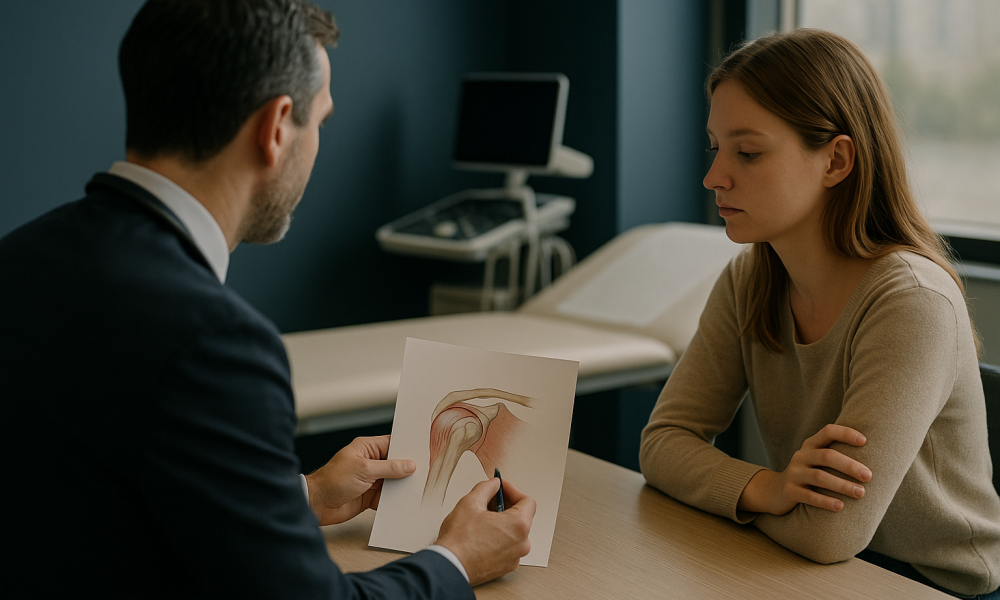
What Rotator Cuff Repair is and who it is for
The rotator cuff is a group of muscles and tendons that surround the shoulder joint, providing it with stability and a wide range of motion. Rotator cuff injuries can occur due to acute trauma, chronic overuse, or degenerative changes, often causing pain and limiting shoulder function. Rotator cuff repair is a surgical procedure aimed at restoring the normal anatomy and function of these tendons. This procedure can be performed using open surgery or minimally invasive arthroscopic techniques, depending on the severity and specifics of the tear.
Patients typically consider rotator cuff repair when non-surgical treatments, such as physical therapy, rest, and medication, fail to alleviate symptoms. The primary goal of the surgery is to reattach the torn tendon to the head of the humerus (upper arm bone) and to relieve pain and restore function to the shoulder. In Turkey, orthopaedic surgeons often employ advanced techniques and equipment to ensure optimal outcomes for international patients.
Rotator cuff repair is generally recommended for individuals experiencing persistent shoulder pain that interferes with daily activities and those who have a confirmed tear through imaging studies like MRI or ultrasound. Candidates often include athletes, manual labourers, or older adults who have suffered a recent injury or have developed tears over time due to repetitive movements. The decision to proceed with surgery involves considering the patient’s age, activity level, and overall health, as well as the size and location of the tear.
Patients choosing to undergo rotator cuff repair in Turkey can expect a comprehensive approach to care, from pre-operative evaluations to post-operative rehabilitation. The country is known for its highly qualified healthcare professionals and state-of-the-art medical facilities, making it a popular destination for medical tourists seeking quality care at more affordable prices compared to North America.
Are you a good candidate?
Determining candidacy for rotator cuff repair involves a thorough assessment by a qualified orthopaedic surgeon. This evaluation typically includes a detailed medical history, physical examination, and imaging studies. Here are some general criteria that may indicate you are a good candidate for the procedure:
- Persistent Pain: You have shoulder pain that persists despite conservative treatments such as rest, physical therapy, or medication.
- Confirmed Tear: An MRI or ultrasound has confirmed the presence of a rotator cuff tear.
- Functional Limitations: Your shoulder pain or weakness significantly limits your ability to perform daily activities or affects your quality of life.
- Non-responsive to Other Treatments: You have tried other non-surgical interventions without sufficient improvement.
- Good General Health: You are in overall good health and can tolerate anaesthesia and the recovery process.
- Realistic Expectations: You have a clear understanding of the surgery, recovery time, and potential outcomes, and you have realistic expectations about the results.
It is essential to have an open discussion with your healthcare provider about the potential benefits and risks of the surgery. Factors such as age, activity level, and the size and location of the tear will influence the decision-making process. In Turkey, patients benefit from a thorough pre-operative evaluation to ensure that the chosen treatment aligns with their individual needs and circumstances.
Ultimately, the goal of rotator cuff repair is to relieve pain and restore shoulder function. However, it is important to note that the success of the surgery can vary based on several factors, including the patient’s commitment to post-operative rehabilitation. In Turkey, patients can access comprehensive rehabilitation programmes, which are crucial for achieving the best possible outcomes.
The procedure, step by step
Undergoing a rotator cuff repair in Turkey involves a series of carefully orchestrated steps designed to maximise the potential for a successful outcome. This procedure is typically performed under general anaesthesia, ensuring the patient remains comfortable and unaware during the operation.
- Pre-operative Preparation: Before the surgery, patients undergo a thorough evaluation, including imaging tests such as MRI or ultrasound. These tests help in assessing the extent of the tear and planning the surgical approach. On the day of surgery, patients are advised to fast for at least 6-8 hours prior to the procedure.
- Incision and Access: The surgeon begins by making small incisions around the shoulder area. These incisions are typically 1-2 cm in length. Through these portals, a small camera (arthroscope) and surgical instruments are inserted.
- Visualisation and Assessment: The arthroscope transmits images to a monitor, allowing the surgeon to thoroughly examine the rotator cuff and surrounding structures. This step is crucial for identifying the exact nature and location of the tear.
- Repair of the Tear: Depending on the tear’s size and location, the surgeon may use sutures, anchors, or both to reattach the torn tendon to the bone. Anchors are small devices that are placed into the bone, and sutures are threaded through these anchors to secure the tendon.
- Additional Procedures: In some cases, additional procedures such as subacromial decompression or removal of bone spurs might be necessary to alleviate impingement and create more space for the repaired tendon.
- Closure and Dressing: Once the repair is complete, the surgeon closes the incisions with sutures or sterile strips. A sterile dressing is applied to protect the wounds and minimise infection risk.
- Post-operative Care: After the surgery, patients are monitored in a recovery room until they awaken from anaesthesia. Pain management and initial instructions for home care are provided before discharge.
It’s important to note that the specifics of the procedure can vary based on the individual case and the surgeon’s preferred techniques. Patients should engage in a detailed discussion with their surgical team to fully understand the approach that will be used.
Recovery timeline
The recovery process following a rotator cuff repair is crucial for regaining full function of the shoulder. It requires patience and adherence to a structured rehabilitation programme. Here is a general timeline of what patients can expect during their recovery journey:
| Period | What to expect | Care notes |
|---|---|---|
| Day 1-3 | Initial pain and swelling are common. The shoulder is immobilised in a sling to protect the repair. | Pain relief medication is prescribed. Ice packs are recommended to reduce swelling. Rest is crucial. |
| Week 1-2 | Swelling begins to decrease. Patients may start gentle passive movements under guidance. | Follow-up appointments are essential. Adhere strictly to physiotherapy instructions. |
| Week 3-6 | Begin active range of motion exercises. Sling use may gradually decrease based on the surgeon’s advice. | Continue physiotherapy. Avoid lifting or strenuous activities. |
| Week 7-12 | Strengthening exercises are introduced. Mobility improves significantly. | Regular physiotherapy sessions are important. Ensure exercises are done correctly to avoid re-injury. |
| 3-6 months | Most patients regain near-normal function. Some may still experience mild discomfort. | Continue exercises at home. Gradual return to daily activities is possible. |
| 6-12 months | Full recovery is typically achieved. Return to sports and heavy labour can be considered. | Final evaluation by the surgeon is recommended to assess recovery progress. |
Each patient’s recovery can vary based on individual health factors and adherence to post-operative care. Close communication with healthcare providers is essential to ensure a smooth recovery process.
What it costs: Turkey vs Canada
When considering rotator cuff repair surgery in Turkey, one of the most compelling factors is the cost, particularly when compared to the expenses in Canada. While prices can fluctuate based on various factors such as the complexity of the procedure, the type of facility, and the specific needs of the patient, Turkey generally offers a more affordable option for international patients.
In Turkey, the indicative cost range for rotator cuff repair surgery typically falls between £2,500 and £4,500. This range usually covers the surgical procedure itself, hospital charges, anaesthesia, and basic post-operative care. In contrast, the cost of similar surgery in Canada can range from £7,000 to £15,000, depending largely on whether it is covered by provincial healthcare (often with long wait times) or if the patient opts for private care.
| Country | Indicative Price Range (in GBP) | Typical Package Inclusions |
|---|---|---|
| Turkey | £2,500 – £4,500 | Surgical procedure, hospital stay, anaesthesia, basic post-op care, initial consultations |
| Canada | £7,000 – £15,000 | Surgical procedure, anaesthesia, hospital stay (private care), additional fees for consultations and post-op care |
Many Turkish healthcare providers offer comprehensive packages that include not only the surgery itself but also pre-operative consultations, diagnostic tests, and a certain number of follow-up appointments. Some packages may even include accommodation for the patient’s stay in Turkey, airport transfers, and a personal coordinator to assist with logistics. Always verify what is included in any quoted package to avoid unexpected expenses.
It is vital to understand that these figures are indicative and can vary. Patients are encouraged to contact clinics directly to get personalized quotes that reflect their specific medical needs and preferences.
Risks and how accredited providers manage them
As with any surgical procedure, rotator cuff repair surgery carries certain risks. These can include infection, bleeding, nerve damage, stiffness, or incomplete healing of the tendon. However, accredited healthcare providers in Turkey take a systematic approach to manage these risks effectively, ensuring patient safety and care quality.
Accredited facilities in Turkey adhere to international healthcare standards, with many hospitals being certified by the Joint Commission International (JCI) or similar accrediting bodies. These certifications ensure that the hospitals maintain rigorous protocols for hygiene, surgical procedures, and patient care.
To mitigate the risk of infection, Turkish hospitals implement strict aseptic techniques in their surgical theatres. This includes thorough sterilisation of all surgical instruments and the use of disposable materials whenever possible. Pre-operative antibiotics are commonly administered to further reduce infection risk.
Bleeding risks are managed by meticulous surgical techniques and comprehensive pre-operative assessments to identify patients who may have a higher risk of bleeding due to concurrent medications or underlying health conditions. Post-operative monitoring is crucial, with medical staff closely observing patients for any signs of excessive bleeding.
Nerve damage, while rare, is a known risk in shoulder surgeries. Surgeons in Turkey are often highly trained and experienced, utilising advanced imaging technologies such as MRI and CT scans to guide the surgery with precision, thus minimising the risk of nerve injury.
Stiffness and incomplete healing are addressed through a combination of surgical skill and post-operative rehabilitation. Accredited providers often include physiotherapy as part of the treatment package, offering tailored rehabilitation programmes designed to enhance recovery and restore function.
Patients are encouraged to discuss all potential risks with their healthcare provider before surgery. A detailed understanding of the risks, combined with the knowledge of how these are managed, provides reassurance and aids in making informed decisions regarding treatment abroad.
How to choose the right provider
Choosing the right provider for rotator cuff repair in Turkey involves several key considerations. Firstly, accreditation is crucial. Look for hospitals or clinics accredited by international bodies such as the Joint Commission International (JCI) or the European Hospital and Healthcare Federation (HOPE). These accreditations ensure that the facility meets high international standards for patient care and safety.
Surgeon experience is another critical factor. Research the surgeon’s qualifications, years of experience in orthopaedic surgery, and specific expertise in rotator cuff repair. It is advisable to select a surgeon who has performed a significant number of these procedures successfully. You may request information on their complication rates and patient outcomes, although remember that individual results can vary.
Aftercare is an integral part of the treatment process. Inquire about the aftercare services offered by the facility, including physical therapy, follow-up consultations, and support for any complications that may arise. A comprehensive aftercare plan can significantly enhance recovery and long-term outcomes.
Be vigilant for red flags such as a lack of transparency in pricing, reluctance to discuss the surgeon’s qualifications, or pressure to make quick decisions. A reputable provider will offer transparent communication, allowing you to make informed decisions at your own pace.
In summary, choosing the right provider involves thorough research into accreditations, surgeon experience, aftercare services, and being aware of potential red flags. This careful consideration will help ensure a safer and more successful treatment experience.
Planning your trip
Planning your trip for rotator cuff repair in Turkey requires careful attention to several logistical details. Begin by establishing a timeline well in advance of your intended travel date. Typically, you should start planning at least two to three months prior to your trip. This allows ample time for consultations, obtaining necessary documentation, and making travel arrangements.
Ensure your passport is valid for at least six months beyond your intended return date. You may need a visa to enter Turkey, which can often be obtained online via the Turkish e-Visa system. Check the latest travel advisories from both Canadian and Turkish authorities to ensure compliance with any entry requirements, including COVID-19 related regulations.
The typical duration of stay for rotator cuff repair may range from 10 to 14 days. This duration includes pre-operative consultations, the surgical procedure itself, and initial post-operative recovery. Discuss with your chosen provider the recommended length of stay based on your medical needs.
Consider travel insurance that covers medical expenses and any unexpected changes in your travel plans. Some policies specifically cater to medical tourists, providing coverage for treatment complications or extended stays.
Discuss follow-up care with your healthcare provider in Canada before departing. You may need to arrange physiotherapy or follow-up consultations upon your return. Having a clear plan for aftercare in Canada ensures continuity in your recovery process.
In essence, planning your trip involves early preparation, securing necessary documents, understanding your length of stay, and arranging follow-up care at home. These steps will help facilitate a smooth and successful medical journey.
Frequently Asked Questions
What are the typical costs for rotator cuff repair in Turkey?
The typical costs for rotator cuff repair in Turkey can range from £2,500 to £4,500. This range is indicative and can vary based on the hospital, surgeon's experience, and the specifics of your case. It's important to discuss with your chosen provider what is included in the quoted price, such as pre-operative consultations and post-operative care.
How do I ensure the hospital is accredited?
To ensure the hospital is accredited, look for certifications from international bodies like the Joint Commission International (JCI) or the European Hospital and Healthcare Federation (HOPE). These accreditations signify that the facility adheres to international standards of quality and safety. You can usually find this information on the hospital's website or by directly contacting them.
What should I ask my surgeon before the procedure?
Before the procedure, inquire about the surgeon's experience with rotator cuff repairs, their success rates, and any potential risks involved. It's also beneficial to ask about the expected recovery timeline and what kind of aftercare will be necessary. Clear communication with your surgeon can help set realistic expectations for your treatment and recovery.
How long will I need to stay in Turkey for the surgery?
For rotator cuff repair, you should plan to stay in Turkey for about 10 to 14 days. This period includes pre-operative consultations, the surgery itself, and initial recovery. Discuss with your healthcare provider to determine the exact duration based on your individual medical needs and circumstances.
Is it safe to travel to Turkey for surgery?
Travelling to Turkey for surgery is generally safe, particularly if you choose a reputable, accredited facility. It's crucial to stay informed about any travel advisories or health guidelines issued by both Canadian and Turkish authorities. Additionally, ensure you have travel insurance that covers medical procedures and any unexpected travel changes.
Will my Canadian health insurance cover treatment abroad?
Most Canadian health insurance plans do not cover elective procedures abroad. However, some private insurance policies may offer partial coverage. It's advisable to contact your insurance provider to understand your specific policy details and consider purchasing additional travel insurance that covers medical expenses abroad.
What documents do I need to travel for surgery?
You will need a valid passport, typically with at least six months validity beyond your return date, and possibly a visa, which can often be obtained via the Turkish e-Visa system. It's also wise to carry medical records, any referral letters, and details of your travel and health insurance policies.
How do I arrange follow-up care when I return to Canada?
Before you travel, discuss follow-up care with your healthcare provider in Canada. You may need to arrange for physiotherapy or follow-up consultations. Having a plan in place ensures that your recovery continues smoothly upon your return. Coordination between your Turkish and Canadian healthcare providers can facilitate this process.
What if I experience complications after returning home?
If you experience complications after returning home, contact your surgeon in Turkey to discuss your symptoms. It's also crucial to seek immediate care from your local healthcare provider. Having travel insurance that covers medical complications can be beneficial, as it may cover additional treatment or travel costs.
Are there language barriers to consider?
Many healthcare providers in Turkey catering to international patients have English-speaking staff. However, it's always a good idea to confirm this with your chosen facility. In cases where language barriers exist, hospitals often provide translation services to ensure clear communication throughout your treatment.
What types of aftercare services are available?
Aftercare services can include physical therapy, follow-up consultations, and support for managing any complications. Discuss with your provider what specific aftercare services are included in their package and what additional services might be available at an extra cost. A comprehensive aftercare plan is essential for optimal recovery.
How soon can I return to work after surgery?
The time it takes to return to work after rotator cuff repair varies depending on the nature of your job and your individual recovery. Generally, patients may need several weeks to a few months before resuming work. It's best to discuss your specific situation with your surgeon to get a personalised estimate.