
What Shoulder Arthroscopy is and who it is for
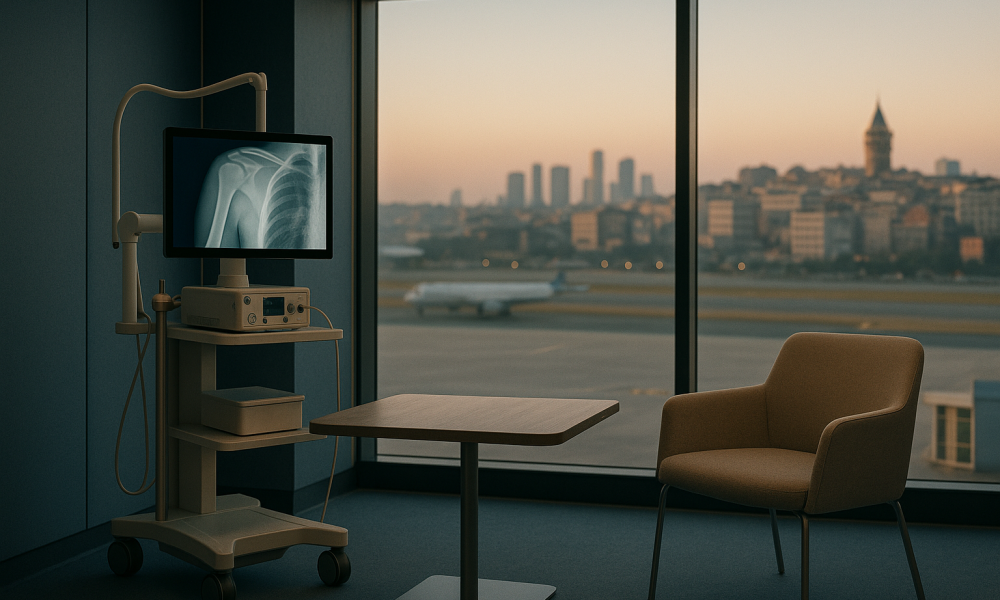
Shoulder arthroscopy is a minimally invasive surgical procedure that allows orthopaedic surgeons to diagnose and treat various shoulder joint issues. During the procedure, a small camera, called an arthroscope, is inserted into the shoulder joint through a small incision. This camera projects images onto a monitor, allowing the surgeon to see inside the joint and perform necessary repairs using specialised instruments.
This procedure is commonly used to address a range of shoulder problems, including rotator cuff tears, labrum tears, shoulder impingement syndrome, and shoulder instability. It is also utilised for removing loose bodies, repairing ligaments, and treating other conditions causing shoulder pain and dysfunction.
One of the advantages of shoulder arthroscopy is that it typically results in less pain and a quicker recovery compared to open surgery, due to the smaller incisions and minimally invasive nature of the procedure. As such, it is often recommended for patients who have not found relief from non-surgical treatments such as physical therapy, medications, or injections.
In Turkey, shoulder arthroscopy is performed by highly skilled orthopaedic surgeons, many of whom have trained and worked internationally. The country’s healthcare facilities are known for their state-of-the-art technology and adherence to international standards, making it an attractive destination for medical tourists seeking quality care at a more affordable cost than in the UK.
Typical shoulder arthroscopy procedures in Turkey are priced between £2,000 and £4,000, but this indicative range can vary depending on the complexity of the surgery, the specific clinic, and the surgeon’s expertise. This cost typically includes pre-operative consultations, the surgical procedure, and post-operative care, although patients should confirm the specifics with their chosen healthcare provider.
Are you a good candidate?
Determining whether you are a good candidate for shoulder arthroscopy involves a thorough evaluation of your medical history, symptoms, and previous treatments. This procedure is generally recommended for patients who have persistent shoulder pain or dysfunction that has not responded to conservative treatment methods. Below is a checklist of criteria that can help assess your suitability for shoulder arthroscopy:
- Persistent Shoulder Pain: You have ongoing shoulder pain that affects your daily activities and has not improved with physical therapy or medications.
- Imaging Evidence: Diagnostic imaging such as MRI or X-rays has identified structural issues like tears or impingement that may require surgical intervention.
- Failed Non-Surgical Treatments: You have tried and not found relief from non-surgical treatments, including corticosteroid injections, physiotherapy, and rest.
- Good Overall Health: You are in generally good health, without severe chronic conditions that could complicate surgery or recovery.
- Realistic Expectations: You have a clear understanding of the procedure, recovery timeline, and potential outcomes, and you have discussed these with your healthcare provider.
- Commitment to Rehabilitation: You are willing to adhere to a rehabilitation programme post-surgery to optimise recovery and outcomes.
Patients considering shoulder arthroscopy in Turkey should consult with both their local healthcare provider and a Turkish orthopaedic specialist to ensure that the procedure is appropriate for their specific condition and needs. It’s also important to verify the credentials and experience of the surgeon and the quality of the facility where the procedure will be performed.
The procedure, step by step
Shoulder arthroscopy is a minimally invasive surgical procedure used to diagnose and treat problems inside the shoulder joint. It typically involves a series of well-coordinated steps, ensuring safety and effectiveness while minimising recovery time. Here is a detailed look at each step of the procedure:
- Pre-operative Preparation: Prior to the surgery, patients will undergo a thorough medical evaluation. This includes blood tests, imaging studies such as X-rays or MRIs, and a detailed discussion with the surgeon about the procedure and expected outcomes. Patients are usually advised to refrain from eating or drinking for at least 8 hours before the surgery.
- Anaesthesia Administration: On the day of the surgery, the patient is brought to the operating room, where anaesthesia is administered. Depending on the complexity of the surgery and patient health, this could be general anaesthesia, rendering the patient fully unconscious, or regional anaesthesia, numbing the shoulder area while the patient remains awake.
- Incision and Arthroscope Insertion: The surgeon makes small incisions, typically about 1-2 centimetres, around the shoulder area. An arthroscope, a small camera attached to a fibre-optic light, is inserted through one of these incisions. The camera projects images onto a monitor, allowing the surgeon to see inside the joint.
- Joint Examination and Repair: The surgeon examines the structures within the shoulder joint, such as cartilage, bones, and tendons. If any repairs are needed, such as removing loose tissue, repairing torn rotator cuffs, or smoothing bone surfaces, specialised instruments are introduced through additional small incisions.
- Conclusion of Surgery: Once the necessary repairs are completed, the surgeon removes the instruments and arthroscope. The incisions are closed with stitches or steri-strips, and a sterile dressing is applied.
- Post-operative Care: The patient is moved to a recovery room where vital signs are monitored as they awaken from anaesthesia. Pain management is initiated with medications, and the shoulder is typically immobilised in a sling to protect the joint.
By following these structured steps, shoulder arthroscopy in Turkey is performed with precision and care, aiming to restore shoulder function while minimising discomfort and recovery time.
Recovery timeline
The recovery process after shoulder arthroscopy is crucial for ensuring optimal outcomes and regaining full shoulder functionality. It is important to follow a guided timeline that outlines what to expect and how to care for oneself during each stage of recovery. Here is a detailed breakdown:
| Period | What to expect | Care notes |
|---|---|---|
| Day 1 | Initial discomfort and swelling around the shoulder area are common. Patients may feel drowsy from anaesthesia. | Keep the arm in a sling as advised. Apply ice packs intermittently to reduce swelling. Take prescribed pain medications as directed. |
| Week 1 | Swelling begins to decrease. Limited shoulder movement is expected. | Attend follow-up appointments. Begin gentle range-of-motion exercises under guidance. Continue using ice and medications. |
| Weeks 2-4 | Improved mobility with reduced pain. Stitches may be removed. | Engage in physical therapy as recommended. Avoid heavy lifting or strenuous activities. Maintain a balanced diet for healing. |
| Months 1-3 | Significant improvement in shoulder strength and flexibility. | Progressively increase exercise intensity under supervision. Gradually return to normal activities, avoiding high-impact sports. |
| Full recovery (3-6 months) | Restoration of full shoulder function for most patients. | Continue with prescribed exercises to maintain strength. Regular check-ups to monitor recovery progress. |
Recovery times can vary based on individual factors, including the extent of the surgery, patient health, and adherence to rehabilitation protocols. Following the detailed care notes will aid in a smoother recovery and help achieve the best possible outcomes from the procedure.
5. What it costs: Turkey vs the United Kingdom
When considering shoulder arthroscopy, cost is often a significant factor for patients. Turkey has positioned itself as an attractive destination for medical tourism, offering competitive prices without compromising on quality. In this section, we will compare indicative cost ranges for shoulder arthroscopy in Turkey and the United Kingdom, and outline what these costs typically include.
The cost of shoulder arthroscopy can vary based on factors such as the complexity of the procedure, the surgeon’s expertise, and the specific location of the healthcare facility. However, the following table provides a general comparison of typical price ranges in each country:
| Country | Indicative Price Range (GBP) | Typical Inclusions |
|---|---|---|
| Turkey | £2,500 – £4,500 |
|
| United Kingdom | £5,000 – £8,000 |
|
Please note: The figures provided above are indicative and can vary based on individual circumstances and specific provider offerings. In Turkey, many healthcare providers offer comprehensive packages that include not only the medical procedure but also additional services such as accommodation and transportation. This can be particularly advantageous for international patients, offering both convenience and value for money.
In the UK, while the National Health Service (NHS) may cover some of the costs associated with shoulder arthroscopy, waiting times can be long, and eligibility criteria must be met. For private treatment, costs tend to be higher, and additional expenses such as consultation fees and follow-up appointments may not always be included in the initial quote.
Ultimately, the decision to undergo shoulder arthroscopy abroad should balance cost considerations with factors such as the quality of care, the experience of the surgical team, and the overall patient experience. Prospective patients are encouraged to conduct thorough research and consult with multiple providers to ensure they receive the best possible care for their needs.
6. Risks and how accredited providers manage them
Like any surgical procedure, shoulder arthroscopy carries certain risks. These may include infection, bleeding, nerve damage, stiffness, or complications related to anaesthesia. However, accredited healthcare providers in Turkey are well-equipped to manage these risks, ensuring a high standard of patient safety and care.
Accredited hospitals and clinics in Turkey adhere to international standards, often holding certifications from organisations such as the Joint Commission International (JCI). These accreditations indicate that the facility meets rigorous healthcare quality and patient safety standards. Here are some of the ways these providers manage the risks associated with shoulder arthroscopy:
- Pre-operative Assessment: A thorough pre-operative assessment is conducted to evaluate the patient’s overall health and suitability for surgery. This typically includes blood tests, imaging studies, and a detailed medical history review to identify any potential risk factors.
- Experienced Surgical Teams: Accredited providers in Turkey employ highly skilled and experienced orthopaedic surgeons who specialise in arthroscopic procedures. Their expertise helps minimise surgical risks and improve patient outcomes.
- Sterile Environment: Maintaining a sterile surgical environment is crucial in preventing post-operative infections. Accredited facilities adhere to strict sterilisation protocols, ensuring that all surgical instruments and operating rooms meet high cleanliness standards.
- Advanced Technology: The use of advanced arthroscopic equipment and techniques allows for minimally invasive surgery, which typically results in less pain, reduced risk of infection, and quicker recovery times.
- Post-operative Care: Comprehensive post-operative care is crucial in managing complications. Patients receive detailed instructions on wound care, pain management, and physical therapy to aid recovery and minimise the risk of complications such as stiffness or re-injury.
- Continuous Monitoring: Patients are closely monitored after the procedure to promptly identify and address any complications. This includes regular follow-up appointments to evaluate the patient’s recovery and adjust treatment plans as necessary.
It is important for patients to discuss all potential risks and their management with their healthcare provider before proceeding with surgery. By choosing an accredited provider, patients can be assured of a commitment to safety and quality, which are paramount in achieving successful surgical outcomes. Open communication and a thorough understanding of the procedure can help alleviate patient concerns and contribute to a more positive experience.
How to choose the right provider
When selecting a provider for shoulder arthroscopy in Turkey, you must consider several factors to ensure a safe and satisfactory experience. One of the primary aspects is accreditation. Look for hospitals or clinics accredited by international bodies such as the Joint Commission International (JCI) or the European Foundation for Quality Management (EFQM). Accreditation ensures that the facility meets high standards of care and safety.
Surgeon experience is another crucial element. Research the surgeon’s qualifications, including their education, specialised training in arthroscopy, and years of experience. Many reputable surgeons will have completed fellowships or additional training in countries with advanced healthcare systems. It’s advisable to choose a surgeon who has performed a substantial number of shoulder arthroscopies, ideally over 100 procedures, as this indicates a level of expertise and familiarity with potential complications.
Aftercare is an integral part of the treatment process. Verify that the provider offers comprehensive post-operative care, including physical therapy and follow-up consultations. Inquire about the availability of English-speaking staff, as clear communication is essential for effective aftercare. Some clinics offer virtual follow-up appointments, which can be a convenient option once you return home.
Be aware of red flags that may indicate subpar services. These include a lack of transparency about the surgeon’s credentials or the facility’s accreditation status. Be cautious of clinics that guarantee specific outcomes or do not provide detailed information about potential risks and complications. Additionally, avoid providers who offer significantly lower prices compared to the general market range, as this may indicate compromised quality or hidden costs.
In summary, choosing the right provider involves thorough research into the facility’s accreditation, the surgeon’s experience, the comprehensiveness of aftercare, and a cautious approach to offers that seem too good to be true. This due diligence is essential to ensure that your shoulder arthroscopy in Turkey is both safe and effective.
Planning your trip
Planning your trip for shoulder arthroscopy in Turkey requires careful consideration of several logistical elements to ensure a smooth process. Begin by creating a timeline that starts at least two to three months before your intended travel date. This allows ample time for consultations, obtaining necessary documents, and arranging travel accommodations.
Documentation is a critical part of your preparation. You will need a valid passport with at least six months remaining before expiration. Additionally, ensure that you have comprehensive travel insurance that covers medical procedures abroad. Some clinics may require medical records or a referral letter from your GP in the UK, so check with your chosen provider in advance.
The typical length of stay in Turkey for shoulder arthroscopy is around one to two weeks. This duration allows for pre-operative consultations, the procedure itself, and initial recovery. Post-surgery, you may need to attend follow-up appointments to ensure there are no complications. Your surgeon will provide a tailored recovery plan which may include physical therapy sessions before returning to the UK.
Consider your travel arrangements carefully. Book flights and accommodation well in advance, opting for flexible tickets in case of changes to your surgery schedule. Choose accommodation close to your medical facility to minimise travel stress post-surgery. Some clinics offer packages that include transportation from the airport and accommodation, which can simplify logistics.
Finally, plan for follow-up care once you return home. Arrange appointments with a physiotherapist in the UK for continued rehabilitation. Keep in touch with your Turkish surgeon for remote consultations if needed. With thorough planning, your trip for shoulder arthroscopy in Turkey can be a successful and stress-free experience.
Frequently Asked Questions
How much does shoulder arthroscopy typically cost in Turkey?
The cost of shoulder arthroscopy in Turkey can vary depending on the hospital or clinic, the surgeon's experience, and the specific procedure required. Typically, you can expect prices to range from £2,500 to £4,000. This is an indicative range and may include pre-operative consultations and post-operative care, but be sure to confirm what is covered in the quoted price.
What qualifications should I look for in a surgeon?
When selecting a surgeon for shoulder arthroscopy, look for qualifications such as a medical degree from a recognised university, specialised training in orthopaedic surgery, and specific experience in arthroscopic procedures. Ideally, the surgeon should have performed over 100 shoulder arthroscopies. Additional certifications from international medical boards or fellowships in countries known for advanced healthcare systems are also beneficial.
Is shoulder arthroscopy in Turkey safe?
Shoulder arthroscopy in Turkey is generally safe when performed by qualified and experienced surgeons at accredited facilities. Ensure that the clinic is accredited by international bodies such as JCI or EFQM. It's important to thoroughly research the provider, review patient testimonials, and discuss potential risks and complications with your surgeon before proceeding with the surgery.
What are the risks associated with shoulder arthroscopy?
As with any surgical procedure, shoulder arthroscopy carries certain risks. These may include infection, bleeding, blood clots, or nerve damage. Additionally, there is a possibility of stiffness or limited range of motion post-surgery. Discuss these risks with your surgeon, who can provide detailed information based on your specific medical history and condition.
Will I need to stay in Turkey for a long time after the surgery?
The typical length of stay in Turkey for shoulder arthroscopy is about one to two weeks. This includes time for pre-operative consultations, the surgery itself, and initial recovery and follow-up appointments. Your exact stay will depend on your individual recovery process and the surgeon's recommendations.
What should I pack for my medical trip to Turkey?
When travelling to Turkey for shoulder arthroscopy, pack comfortable clothing that is easy to put on and take off, as your shoulder movement may be restricted post-surgery. Include all necessary medical documents, medications, and toiletries. A travel pillow and lightweight luggage can also be helpful for ease of transport.
How soon can I travel back to the UK after the surgery?
Typically, patients can travel back to the UK one to two weeks after shoulder arthroscopy, depending on their recovery progress. Your surgeon will provide specific advice based on your condition and response to the surgery. Ensure you have follow-up care arranged in the UK before you leave Turkey.
Does travel insurance cover shoulder arthroscopy abroad?
Travel insurance policies vary, so it's crucial to check whether your policy covers medical procedures abroad, including shoulder arthroscopy. Some insurers offer specific medical tourism coverage, which includes complications and post-operative care. Always confirm the details with your insurer before travelling.
What is the recovery time for shoulder arthroscopy?
Recovery time for shoulder arthroscopy can vary depending on the complexity of the surgery and your individual healing process. Generally, you may need several weeks to a few months for full recovery, including physical therapy. Your surgeon will provide a detailed recovery plan tailored to your needs.
Can I have a consultation with the surgeon before travelling?
Yes, many clinics in Turkey offer virtual consultations with the surgeon before you travel. This initial meeting allows you to discuss your medical history, understand the procedure, and ask any questions you may have. It's a valuable opportunity to establish a rapport with your surgeon and clarify expectations.
What type of aftercare is provided in Turkey?
Aftercare in Turkey typically includes follow-up appointments with your surgeon, physical therapy sessions, and instructions for home care. Some clinics offer comprehensive packages that cover these aspects, while others might charge separately. Ensure you understand what aftercare is included in your treatment plan.
Are there any language barriers when receiving medical care in Turkey?
Many clinics catering to international patients in Turkey have English-speaking staff to facilitate communication. However, it's advisable to confirm this when choosing a provider. Some clinics also offer translation services if needed, ensuring that language does not become a barrier to receiving quality medical care.