
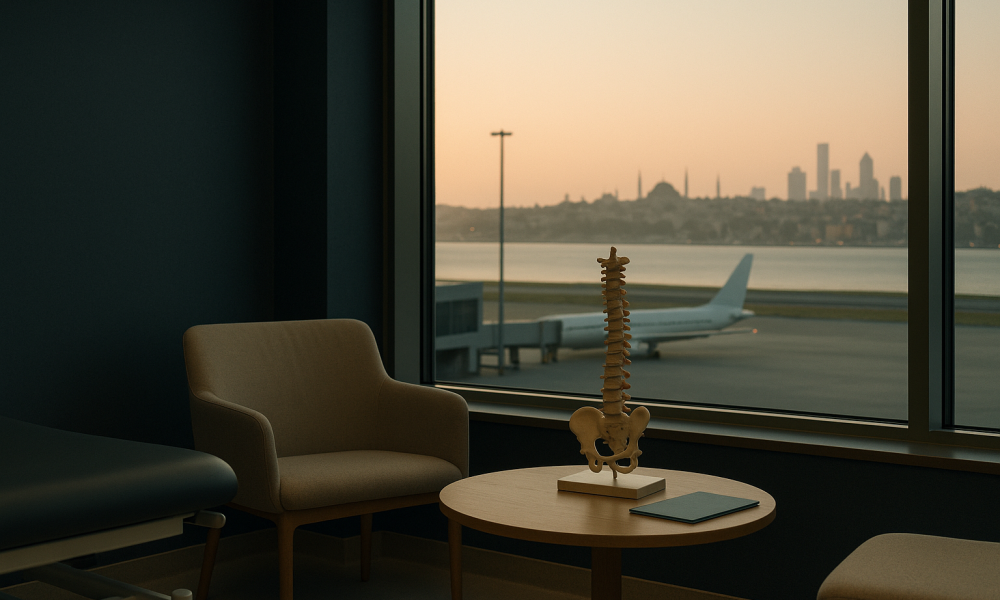
What Spine Surgery is and who it is for
Spine surgery encompasses a range of procedures aimed at addressing various spine-related issues, such as chronic back pain, spinal deformities, and injuries. These surgeries are typically considered after conservative treatments, like physiotherapy or medication, have failed to provide relief. The primary goal of spine surgery is to alleviate pain, improve mobility, and enhance overall quality of life.
There are several types of spine surgery, each tailored to specific conditions. Discectomy involves removing part of a herniated disc to relieve nerve pressure. Laminectomy is the removal of part of the vertebra to ease compression on the spinal cord or nerves. Spinal fusion joins two or more vertebrae to provide stability to the spine, often used in cases of degenerative disc disease or scoliosis. Another advanced option is minimally invasive spine surgery (MISS), which uses smaller incisions and specialised instruments to reduce recovery time and minimise tissue damage.
Spine surgery is generally recommended for individuals who experience significant, ongoing pain or neurological symptoms, such as numbness or weakness, that hinder daily activities. It’s also indicated for those with structural spinal issues, including herniated discs, spinal stenosis, or scoliosis, when these conditions severely impact function or quality of life.
In Turkey, patients benefit from state-of-the-art medical facilities and highly trained surgeons. The country is renowned for its healthcare infrastructure, which adheres to international standards. The cost of spine surgery in Turkey is often considerably lower than in the UK, making it an attractive option for many international patients. However, it’s crucial for prospective patients to thoroughly research and consult with medical professionals to understand the potential risks and benefits associated with spine surgery.
Are you a good candidate?
Determining whether you are a suitable candidate for spine surgery involves a comprehensive evaluation by a healthcare professional. This includes a detailed medical history, physical examination, and imaging studies such as X-rays, MRIs, or CT scans. The decision to undergo surgery should be based on a combination of clinical findings and personal circumstances.
Generally, candidates for spine surgery may include individuals who:
- Have chronic back pain that significantly impacts daily life and has not improved with non-surgical treatments.
- Experience neurological symptoms, such as numbness, tingling, or weakness in the limbs, due to spinal nerve compression.
- Have a diagnosed structural spinal issue, such as a herniated disc, spinal stenosis, or scoliosis.
- Are in good overall health and can tolerate anaesthesia and the recovery process.
- Have realistic expectations about the outcomes of surgery and are committed to following post-operative care instructions.
Before proceeding with surgery, a patient should consider all available treatment options and seek a second opinion if necessary. It’s important to weigh the potential benefits against the risks, which can include infection, blood clots, or issues related to anaesthesia. Additionally, patients should be aware that spine surgery is not a guaranteed cure and may not completely eliminate pain or restore full function.
In Turkey, patients can expect thorough pre-operative assessments and post-operative care plans designed to maximise the chances of a successful outcome. The emphasis is on personalised care, ensuring that each patient’s specific needs and health conditions are addressed. Consulting with a qualified spine surgeon in Turkey can provide clarity on whether surgery is the appropriate course of action for your individual situation.
The procedure, step by step
Spine surgery is a significant medical procedure, and understanding the process step by step can help set realistic expectations and reduce anxiety. Here is a detailed outline of what typically occurs during spine surgery in Turkey:
- Pre-operative Assessment: Prior to surgery, patients undergo a thorough evaluation, which includes medical history review, physical examination, and diagnostic imaging such as MRI or CT scans. This helps the surgical team to plan the procedure precisely.
- Anaesthesia: On the day of the surgery, the patient is administered anaesthesia. Depending on the type of spine surgery, either general anaesthesia or spinal anaesthesia is used. The anaesthesiologist will discuss the options with the patient beforehand.
- Incision: The surgeon makes an incision in the back or neck, depending on the location and type of surgery. The size of the incision varies based on whether the surgery is open or minimally invasive.
- Accessing the Spine: In open surgery, the surgeon moves muscles and tissues aside to access the spine. In minimally invasive procedures, special instruments and a tubular retractor provide a smaller path to the spine.
- Corrective Measures: The specific corrective actions depend on the condition being treated. This may involve removing a herniated disc, decompressing nerves, or fusing vertebrae using bone grafts and metal hardware such as rods and screws.
- Closing the Incision: Once the necessary corrections are made, the surgeon carefully closes the incision with sutures or staples. In minimally invasive surgeries, closure is often quicker and involves fewer stitches.
- Post-operative Monitoring: After surgery, patients are moved to a recovery room where medical staff monitor their vital signs as they wake from anaesthesia. Pain management begins immediately to ensure patient comfort.
- Initial Recovery: Patients usually spend a few days in the hospital. During this time, they will be encouraged to start moving, under supervision, as soon as it is safe to do so.
Each of these steps is crucial for the success of the surgery and the patient’s recovery. The surgical team, including experienced surgeons and nurses, ensures each stage is conducted with the utmost care and precision.
Recovery timeline
Recovery from spine surgery is a gradual process that varies depending on the type of surgery and individual patient factors. The following table outlines a typical recovery timeline:
| Period | What to expect | Care notes |
|---|---|---|
| Day 1 | Patients may feel groggy as they wake from anaesthesia. Pain and discomfort are common, and pain management will be provided. | Rest is crucial. Nurses will assist with initial movements and provide instructions on how to safely get out of bed. |
| Days 2-3 | Patients begin to move around with assistance. Physical therapy may start to encourage mobility and prevent complications. | Follow physiotherapist’s guidance closely. Use any prescribed supportive devices like a walker or brace. |
| Week 1 | Discharge from hospital is typical. Patients can walk short distances and perform basic self-care activities. | Avoid bending, twisting, or lifting heavy objects. Continue prescribed exercises at home. |
| Weeks 2-4 | Swelling and bruising subside. Mobility improves significantly, but fatigue may persist. | Gradually increase activity level under guidance. Regular follow-up appointments are essential. |
| Months 1-3 | Most patients return to light activities and work, if applicable. Pain continues to decrease. | Adhere to all medical advice regarding activity limitations. Engage in recommended physical therapy. |
| Month 6 onwards | Full recovery is typically achieved. Patients regain strength and return to normal activities. | Maintain a healthy lifestyle to support spine health. Regular check-ups ensure long-term success. |
It is important for patients to understand that recovery times can vary. Following medical advice and participating in rehabilitation programmes are key components of a successful recovery.
5. What it costs: Turkey vs the United Kingdom
When considering spine surgery, understanding the costs involved is crucial for making an informed decision. Turkey has become a popular destination for medical tourism, offering high-quality care at competitive prices. However, it’s important to note that figures provided here are indicative and can vary depending on the specific procedure, hospital, and surgeon chosen.
In the United Kingdom, the cost of spine surgery can be substantial, often influenced by factors such as the complexity of the surgery, the type of facility, and the length of hospital stay. Below is a comparison of indicative price ranges for some common spine surgeries in Turkey versus the UK.
| Procedure | Turkey (Indicative Range) | United Kingdom (Indicative Range) |
|---|---|---|
| Discectomy | £2,500 – £4,000 | £5,000 – £10,000 |
| Spinal Fusion | £5,000 – £8,000 | £15,000 – £25,000 |
| Laminectomy | £3,000 – £5,500 | £8,000 – £12,000 |
| Vertebroplasty | £2,000 – £3,500 | £4,000 – £7,000 |
These prices in Turkey typically include the cost of the surgery itself, hospital accommodation for the patient, nursing care, and sometimes even transport from the airport and local accommodation for a companion. In contrast, UK prices may not include additional costs such as pre-operative consultations, follow-up care, or accommodation for family members.
It’s essential for patients to communicate with their chosen healthcare provider to get a detailed breakdown of what is included in the package. Some Turkish hospitals offer comprehensive packages that cover not just the procedure but also post-operative care, medication, and even rehabilitation services, offering a more holistic approach to patient care.
6. Risks and how accredited providers manage them
Spine surgery, like any surgical procedure, carries certain risks. These can range from general risks associated with surgery, such as infection and blood clots, to more specific risks related to the spine, such as nerve damage or persistent pain. It’s important for prospective patients to understand these risks and how they are managed by accredited providers in Turkey.
Accredited healthcare facilities in Turkey adhere to international standards of care and safety, often holding accreditations from organisations such as the Joint Commission International (JCI). These accreditations ensure that hospitals maintain high standards in terms of surgical procedures, patient safety, and overall care quality.
To manage risks, Turkish hospitals employ a variety of strategies:
- Pre-operative Assessment: A thorough pre-operative assessment is conducted to evaluate the patient’s overall health and suitability for surgery. This includes a review of medical history, physical examinations, and necessary diagnostic tests.
- Advanced Surgical Techniques: Surgeons in Turkey are often trained in the latest minimally invasive techniques, which can reduce the risk of complications and lead to faster recovery times.
- Experienced Medical Teams: Accredited facilities employ highly qualified and experienced surgeons, anaesthetists, and nursing staff who are adept at managing complex cases and responding to any complications that may arise.
- Post-operative Care: Comprehensive post-operative care is essential for monitoring patient recovery and quickly addressing any issues. This includes regular check-ups, pain management, and physical therapy as needed.
- Infection Control: Strict infection control protocols are in place to minimise the risk of post-surgical infections. This includes sterilisation of surgical instruments and maintaining a sterile environment in operating rooms.
By ensuring these measures are in place, Turkish healthcare providers aim to minimise risks and enhance patient outcomes. Patients are encouraged to discuss any concerns with their healthcare team and ensure they have a clear understanding of the risks and benefits associated with their specific procedure.
Ultimately, while no surgery is without risk, choosing a reputable and accredited provider in Turkey can help mitigate these risks and provide reassurance to patients seeking treatment abroad.
How to choose the right provider
Choosing the right provider for spine surgery in Turkey is a critical decision that requires careful consideration of several factors. Accreditation is a key starting point. Look for hospitals and clinics that are accredited by internationally recognised organisations such as the Joint Commission International (JCI) or the Turkish Ministry of Health. These accreditations ensure that the facility adheres to high standards of medical care and patient safety.
Another crucial factor is the experience and qualifications of the surgeon. Research the surgeon’s credentials thoroughly. They should have extensive experience in spine surgery, ideally with a specialisation in the specific type of procedure you require, such as spinal fusion or disc replacement. Consider the number of surgeries they have performed and their success rates, although specific outcomes cannot be guaranteed.
Aftercare services are equally important. A comprehensive aftercare plan should include post-operative care, pain management, and physical therapy. Ensure that the provider offers these services and inquire about the availability of English-speaking staff to facilitate communication during your recovery process.
Be aware of red flags when selecting a provider. These include lack of transparency about the surgeon’s qualifications, inadequate patient testimonials, and facilities that are not forthcoming with information about their accreditation status. Additionally, steer clear of providers that promise specific outcomes or offer prices that seem too good to be true without a detailed breakdown of what is included.
Finally, consider the hospital’s location and the logistics of your stay in Turkey. Proximity to an international airport and easy access to accommodation can make a significant difference in your overall experience. By taking these factors into account, you can make a well-informed decision that prioritises your health and safety.
Planning your trip
Planning your trip for spine surgery in Turkey involves several steps to ensure a smooth experience. Begin by establishing a timeline that accommodates your medical needs and personal commitments. It is advisable to schedule your surgery at least three months in advance to allow ample time for preparation and recovery.
Ensure that your passport is valid for at least six months beyond your planned departure date. You may also need a medical visa, depending on your nationality and the length of your stay. Consult the Turkish consulate for specific visa requirements, and ensure you have comprehensive travel insurance that covers medical procedures and emergencies abroad.
Prepare all necessary medical documents, including recent medical records, imaging results, and any previous surgical notes. These documents will be crucial for your Turkish healthcare provider to plan your treatment effectively.
The typical length of stay in Turkey for spine surgery ranges from two to four weeks, depending on the complexity of the surgery and your recovery rate. This period includes pre-operative consultations, the surgical procedure, and initial post-operative recovery.
Plan your accommodation carefully. Many hospitals offer packages that include accommodation, but you may also choose to book a hotel or serviced apartment nearby. Consider proximity to the hospital and the quality of amenities offered.
After your surgery, follow-up care is essential. Before you leave Turkey, ensure you have a clear understanding of the follow-up plan, which may include virtual consultations or coordination with a local healthcare provider once you are back in the UK. This will help ensure a smooth transition and continued recovery.
Frequently Asked Questions
How much does spine surgery typically cost in Turkey?
The cost of spine surgery in Turkey can vary widely depending on the type of procedure and the facility chosen. Indicatively, prices can range from £4,000 to £12,000. These figures typically include the surgeon's fee, hospital charges, and basic post-operative care. However, it is crucial to confirm what is included in the price and whether any additional costs may arise.
Is spine surgery in Turkey safe?
Spine surgery in Turkey is generally safe, especially when performed in accredited hospitals by experienced surgeons. It is important to choose a facility that meets international standards, such as those accredited by the Joint Commission International (JCI). As with any surgery, there are inherent risks, so thorough research and consultation with healthcare professionals are essential.
What types of spine surgery are available in Turkey?
Turkey offers a wide range of spine surgeries, including minimally invasive procedures, spinal fusion, disc replacement, and laminectomy. The availability of specific procedures will depend on the hospital and the expertise of the surgeons. It's important to consult with a specialist to determine the most appropriate treatment for your condition.
How do I verify a surgeon's qualifications in Turkey?
You can verify a surgeon's qualifications by checking their credentials, such as medical degrees, board certifications, and membership in professional organisations. Reputable hospitals often provide detailed profiles of their medical staff, including their experience and areas of specialisation. You may also request this information directly from the hospital.
What is the typical recovery time after spine surgery?
Recovery time after spine surgery can vary based on the type of procedure and individual patient factors. Generally, patients can expect an initial recovery period of four to six weeks, with full recovery potentially taking several months. Your surgeon will provide a personalised recovery plan, including physical therapy and follow-up consultations.
Will I need someone to accompany me for the surgery?
It is highly recommended to have someone accompany you for spine surgery in Turkey. Having a companion can provide emotional support and assist with practical matters, such as communication with healthcare providers and managing daily activities during your recovery period. Some hospitals may also offer assistance services for international patients.
What should I pack for my medical trip to Turkey?
When packing for your medical trip to Turkey, include comfortable clothing, personal toiletries, any prescribed medications, and essential documents such as medical records and identification. Consider bringing a mobile device and charger for communication and entertainment during your stay. It's also advisable to pack a small amount of local currency for incidental expenses.
How do I arrange follow-up care after returning home?
Before leaving Turkey, discuss your follow-up care plan with your surgeon. They may provide recommendations for local healthcare providers in the UK or offer virtual follow-up consultations. Ensure you have copies of all medical records and contact information for your Turkish healthcare provider to facilitate ongoing communication and support.
Are there language barriers in Turkish hospitals?
Many Turkish hospitals catering to international patients have English-speaking staff, including doctors and nurses. It is advisable to confirm the availability of English language support when choosing a hospital. Some facilities also offer translation services to ensure clear communication throughout your treatment and recovery process.
What are the accommodation options during my stay in Turkey?
Accommodation options in Turkey range from hospital-provided lodging to nearby hotels and serviced apartments. Many hospitals offer medical tourism packages that include accommodation. When booking independently, consider the proximity to the hospital and the amenities offered. It's important to choose a comfortable and convenient place to facilitate your recovery.
How far in advance should I book my surgery in Turkey?
It is recommended to book your spine surgery in Turkey at least three months in advance. This timeframe allows for thorough research, consultation with the healthcare provider, and adequate preparation, including arranging travel documents and accommodation. Early booking also ensures availability of the desired surgeon and hospital facilities.
Can I combine my surgery with a holiday in Turkey?
While it is possible to combine surgery with leisure activities in Turkey, it is crucial to prioritise your health and recovery. Spine surgery requires significant rest and rehabilitation, which may limit your ability to engage in tourist activities. Consult with your healthcare provider to determine appropriate activities and timing before planning any leisure travel.