
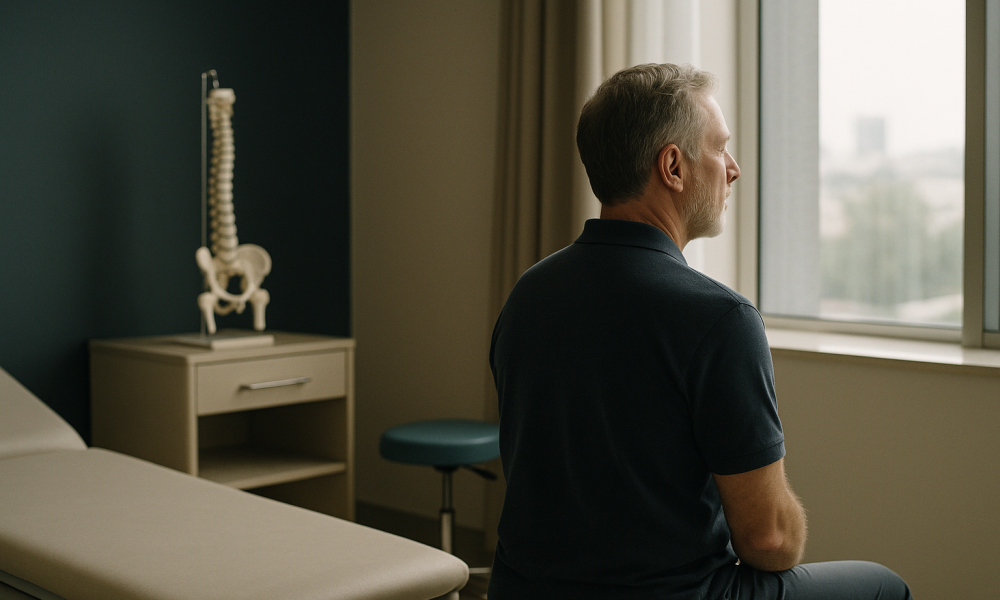
What Spine Surgery is and who it is for
Spine surgery encompasses a variety of procedures designed to address different spinal issues, such as herniated discs, scoliosis, spinal stenosis, and degenerative disc disease. The primary goal is to alleviate pain, restore function, and improve quality of life. These surgeries can range from minimally invasive techniques to more complex operations, depending on the specific condition and its severity.
Minimally invasive spine surgery (MISS) is an approach that uses smaller incisions and aims to reduce recovery time and minimise post-operative pain. Procedures like microdiscectomy and laminectomy often fall under this category. On the other hand, more extensive surgeries, such as spinal fusion or disc replacement, may be necessary for severe cases or when there is significant structural damage.
Spine surgery is typically recommended when conservative treatments, such as physical therapy, medications, or injections, have failed to provide relief. It is crucial for patients to have a thorough evaluation, which often includes imaging studies like MRI or CT scans, to accurately diagnose the underlying issue. In Turkey, spine surgery is performed by highly trained specialists in state-of-the-art facilities, offering an appealing option for international patients seeking high-quality care at more accessible costs.
It’s important to note that spine surgery carries risks, including infection, blood clots, or nerve damage. However, advancements in surgical techniques and post-operative care have significantly improved outcomes. Patients considering spine surgery should have a detailed discussion with their surgeon about the potential benefits and risks, as well as the expected recovery process.
Are you a good candidate?
Determining whether you are a suitable candidate for spine surgery involves several considerations. Firstly, you should have a confirmed diagnosis of a spinal condition that is amenable to surgical intervention. This often requires comprehensive imaging and possibly other diagnostic tests to pinpoint the issue.
Patients are generally considered for spine surgery if they meet the following criteria:
- Chronic back or neck pain that has lasted more than 6 months.
- Significant impairment in daily activities due to spinal issues.
- Failure to respond to non-surgical treatments, including pain management, physical therapy, or lifestyle modifications.
- Radiological evidence of a condition that can be improved through surgery, such as a herniated disc or spinal stenosis.
- Overall good health, without conditions that would significantly increase surgical risks, such as uncontrolled diabetes or severe heart disease.
- Realistic expectations regarding the outcomes of surgery, understanding both the potential benefits and the limitations.
In addition to these criteria, psychological readiness is also important. Candidates should be prepared for the recovery process, which can involve physical therapy and lifestyle changes. It’s also crucial to have a support system in place for post-operative care. Consulting with a qualified spine surgeon in Turkey can help clarify whether surgery is the appropriate path forward for your specific situation.
The procedure, step by step
Undergoing spine surgery is a significant decision and understanding the procedure step by step can alleviate some concerns. Here’s an in-depth look at what typically happens during spine surgery in Turkey:
- Pre-operative assessment: Before the surgery, a thorough evaluation is conducted, including imaging studies such as MRI or CT scans, to pinpoint the exact location and nature of the spinal issue. Blood tests and a physical examination are also performed to ensure the patient is fit for surgery.
- Anaesthesia: On the day of the surgery, patients will meet with the anaesthesiologist to discuss the type of anaesthesia to be used. General anaesthesia is commonly administered, ensuring the patient is unconscious and pain-free during the procedure.
- Positioning: The patient is carefully positioned on the operating table. The specific position depends on the type of spine surgery being performed. For example, for lumbar surgeries, the patient may be positioned face down.
- Incision: The surgeon makes an incision at the predetermined site. The size and location of the incision vary depending on the surgical approach and the condition being treated. Minimally invasive techniques often involve smaller incisions.
- Accessing the spine: Once the incision is made, the surgeon carefully moves aside muscles and tissues to access the spine. In minimally invasive procedures, this is done using specialised instruments and a tubular retractor system.
- Corrective procedure: Depending on the condition, the surgeon may remove herniated discs, decompress nerves, or fuse vertebrae. This stage is critical and requires high precision to ensure the desired outcome.
- Closure: After the corrective measures are completed, the surgeon closes the incision with sutures or staples. In some cases, a special adhesive may be used for smaller incisions.
- Post-operative monitoring: Immediately after surgery, the patient is moved to a recovery room where vital signs are closely monitored. This period is crucial for identifying any immediate complications.
- Initial recovery: Once stable, the patient is transferred to a hospital room where they begin the initial phase of recovery. Pain management and physiotherapy plans are initiated to promote healing.
Each step in the procedure is designed to maximise safety and effectiveness, with a strong focus on minimising risks and enhancing recovery.
Recovery timeline
Recovery from spine surgery is a gradual process, and understanding what to expect can help manage expectations and facilitate a smoother recovery. Below is a general recovery timeline:
| Period | What to expect | Care notes |
|---|---|---|
| Day 1 | Patients typically experience some pain and discomfort. Moving around may be difficult, and assistance will be needed. | Focus on pain management with prescribed medications. Begin gentle breathing exercises to prevent lung complications. |
| Week 1 | Improved mobility with assistance. Some patients may begin sitting up and walking short distances with help. | Continue pain management and start physiotherapy as advised. Follow the surgeon’s instructions on activity limitations. |
| Weeks 2-4 | Increased independence in daily activities. Pain and stiffness gradually decrease. | Attend regular physiotherapy sessions. Avoid strenuous activities and follow a balanced diet to aid recovery. |
| 1-3 months | Most patients return to light activities and possibly work. Full range of motion may still be limited. | Gradually increase activity levels as tolerated. Continue physiotherapy and follow-up appointments. |
| 3-6 months | Significant improvements in mobility and strength. Many patients resume normal activities. | Maintain regular check-ups. Discuss with your doctor when to safely return to more vigorous activities. |
| 6-12 months | Full recovery for most patients, though some may experience residual stiffness or discomfort. | Continue exercises to strengthen the back and maintain flexibility. Monitor for any persistent symptoms. |
It’s important to note that individual recovery times can vary significantly based on the specific procedure, the patient’s overall health, and adherence to post-operative care instructions.
What it costs: Turkey vs the UK, Europe and North America
When considering spine surgery abroad, understanding the potential costs is crucial. Turkey has become a popular destination for medical tourists due to its competitive pricing and high standards of care. Below, we provide a comparison of indicative price ranges for spine surgery in Turkey, the UK, Europe, and North America. It’s important to note that these figures are indicative and can vary based on the specific procedure, clinic, and individual patient needs.
| Procedure | Turkey (GBP) | UK (GBP) | Europe (GBP) | North America (GBP) |
|---|---|---|---|---|
| Discectomy | £3,000 – £5,000 | £7,000 – £10,000 | £8,000 – £12,000 | £15,000 – £25,000 |
| Laminectomy | £4,000 – £6,500 | £9,000 – £13,000 | £10,000 – £15,000 | £18,000 – £28,000 |
| Spinal Fusion | £6,000 – £10,000 | £14,000 – £20,000 | £16,000 – £22,000 | £25,000 – £40,000 |
In Turkey, these costs often include a comprehensive package covering hospital fees, surgeon fees, anaesthesia, pre-operative tests, and post-operative care. Many clinics also offer additional services such as airport transfers, accommodation, and translation services to facilitate a smooth experience for international patients.
In contrast, the initial quoted prices in the UK, Europe, and North America may not include all these additional services, potentially leading to higher overall costs. Patients should inquire about what is included in the quoted price to understand the full financial implication.
While cost is a significant factor, it’s essential to balance it with considerations of quality and safety. The lower prices in Turkey do not necessarily indicate lower quality. The country boasts numerous JCI-accredited hospitals and highly trained surgeons, many of whom have international experience.
Risks and how accredited providers manage them
Spine surgery, like any surgical procedure, carries inherent risks. These can include infection, bleeding, nerve damage, blood clots, and complications related to anaesthesia. The severity and likelihood of these risks can vary depending on the specific type of surgery, the patient’s overall health, and the surgeon’s expertise.
Accredited healthcare providers in Turkey are well-equipped to manage these risks effectively. Many hospitals in Turkey are accredited by the Joint Commission International (JCI), a global leader in healthcare quality standards. This accreditation ensures that the facilities adhere to rigorous international standards for patient safety and quality of care.
To mitigate risks, accredited providers in Turkey implement several strategies:
- Pre-operative Assessment: Comprehensive evaluations are conducted to assess the patient’s health status and identify any potential risk factors. This includes detailed medical history reviews, physical examinations, and diagnostic tests.
- Experienced Surgeons: Surgeons in accredited Turkish hospitals often have extensive training and experience, with many having completed fellowships or practice in leading medical institutions worldwide. Their expertise plays a critical role in minimizing surgical risks.
- State-of-the-art Facilities: Accredited hospitals are equipped with advanced medical technology and adhere to strict hygiene protocols to reduce the risk of infection.
- Post-operative Care: Close monitoring and follow-up care are essential components of the treatment process. This includes pain management, physiotherapy, and regular check-ups to ensure a smooth recovery.
- Patient Education: Educating patients about their procedure, the associated risks, and post-operative care requirements is crucial. Well-informed patients are more likely to follow post-surgery instructions, reducing the likelihood of complications.
While no surgical procedure can be entirely risk-free, choosing an accredited provider in Turkey can significantly enhance the safety and success of spine surgery. Patients are encouraged to discuss potential risks and their management with their healthcare provider to make informed decisions about their treatment.
How to choose the right provider
Choosing the right provider for spine surgery is a crucial step in ensuring a safe and successful outcome. When considering spine surgery in Turkey, it is important to evaluate several key factors, including accreditation, surgeon experience, aftercare, and potential red flags.
Accreditation: Start by verifying that the hospital or clinic is accredited by recognised international bodies such as the Joint Commission International (JCI) or ISO certification. These accreditations ensure that the facility adheres to international healthcare standards, offering a layer of assurance regarding quality and safety.
Surgeon Experience: The expertise of the surgeon is paramount. Look for surgeons who have extensive experience in spine surgery, ideally with specialised training in the specific procedure you require. It is beneficial to check if the surgeon is a member of relevant professional organisations, such as the Turkish Neurosurgical Society or similar international bodies, which often indicates a commitment to ongoing education and adherence to best practices.
Aftercare: Comprehensive aftercare is essential for recovery. Inquire about the aftercare services offered by the provider, including physiotherapy, pain management, and follow-up consultations. A well-structured aftercare programme can significantly influence recovery outcomes and patient satisfaction.
Red Flags: Be cautious of providers that make unrealistic promises, such as guaranteed outcomes or extremely low costs that deviate significantly from typical ranges. Transparency in communication, clear explanations of risks and benefits, and realistic outcome expectations are all signs of a trustworthy provider.
Recommendations and Reviews: Seek out reviews and testimonials from past patients. While online reviews can be insightful, personal recommendations from trusted sources are invaluable. Additionally, ask if the provider has patient liaisons who can facilitate communication and address any concerns you may have.
Planning your trip
Planning your trip for spine surgery in Turkey involves several logistical considerations to ensure a smooth experience. From the timeline before travel to necessary documents and follow-up care, careful planning is essential.
Timeline Before Travel: It is advisable to start planning at least three to six months in advance. This allows ample time to research providers, consult with your GP at home, and arrange for any necessary medical evaluations. Coordination with the chosen hospital or clinic regarding scheduling and pre-operative assessments is also crucial.
Documents: Ensure you have all necessary documents ready, including a valid passport, visa (if required), medical records, and any correspondence from your healthcare provider in Turkey. It is also wise to have copies of your travel insurance policy and contact information for your embassy or consulate in Turkey.
Length of Stay: The typical length of stay for spine surgery in Turkey can vary, with most patients advised to remain in the country for one to two weeks post-surgery. This duration allows for initial recovery and follow-up consultations. Discuss the expected length of stay with your provider to plan accommodations and travel arrangements accordingly.
Follow-up at Home: Arrange for follow-up care with your local healthcare provider before departing for Turkey. It is important to have a continuity of care plan in place, including a schedule for post-operative check-ups and rehabilitation. Ensure that your Turkish provider communicates any necessary information to your home provider to facilitate a seamless transition in your care.
Travel and Accommodation: Consider booking flexible travel arrangements to accommodate any changes in your recovery timeline. Many patients find it beneficial to stay in accommodations close to the hospital for convenience. Some hospitals offer assistance with travel and lodging, so inquire about these services when planning your trip.
Frequently Asked Questions
What is the cost range for spine surgery in Turkey?
The cost of spine surgery in Turkey typically ranges from £4,000 to £10,000, depending on the complexity of the procedure and the facility chosen. This range is indicative and can vary based on individual circumstances and specific requirements.
How do I verify the accreditation of a Turkish hospital?
You can verify a hospital's accreditation by checking if it is listed on the Joint Commission International (JCI) website or by asking the hospital directly for their accreditation certificates. Reputable hospitals will readily provide this information to prospective patients.
What should I expect in terms of aftercare following spine surgery?
After spine surgery, aftercare typically includes a combination of pain management, physiotherapy, and follow-up consultations. These services are designed to support your recovery and address any complications promptly. Discuss the specific aftercare plan with your provider before surgery.
Are there risks involved with spine surgery?
As with any major surgery, spine surgery carries risks, including infection, blood clots, and nerve damage. However, choosing a qualified and experienced surgeon, as well as a reputable medical facility, can help minimise these risks. It's important to discuss all potential risks with your surgeon.
How long should I plan to stay in Turkey after my surgery?
Patients are generally advised to stay in Turkey for one to two weeks after spine surgery. This allows time for initial recovery and follow-up consultations with the surgeon to ensure everything is progressing well before returning home.
What documents are necessary for my medical trip to Turkey?
You will need a valid passport, visa (if required), medical records, and any correspondence from your healthcare provider in Turkey. Additionally, having copies of your travel insurance and contact details for your embassy is recommended.
Can I choose my surgeon in Turkey?
Yes, most facilities allow you to choose your surgeon, often based on their experience and your specific medical needs. It's advisable to research the surgeon's credentials and experience beforehand to ensure they meet your expectations.
How do I arrange follow-up care once I return home?
Arrange follow-up care with your local healthcare provider before your trip. Ensure that your Turkish provider shares necessary details about your surgery and recovery with your home provider to facilitate continuity of care.
Is travel insurance necessary for medical travel to Turkey?
While not mandatory, travel insurance is highly recommended when travelling for medical treatment. Ensure your policy covers medical tourism, including potential complications and travel changes due to medical reasons.
What are the signs of a reputable medical provider in Turkey?
Reputable providers are accredited by international bodies, have experienced surgeons, offer comprehensive aftercare, and communicate transparently about risks and outcomes. Avoid providers with unrealistic promises or significantly lower costs than typical ranges.
How can I manage language barriers during my treatment in Turkey?
Many Turkish hospitals catering to international patients offer English-speaking staff or translation services. It's advisable to confirm this service availability in advance to ensure smooth communication during your treatment.
Will I need a visa to travel to Turkey for medical treatment?
Visa requirements vary depending on your nationality. UK, European, and North American citizens often need a visa, which can usually be obtained online in advance. Check the latest requirements from the Turkish consulate or embassy.