
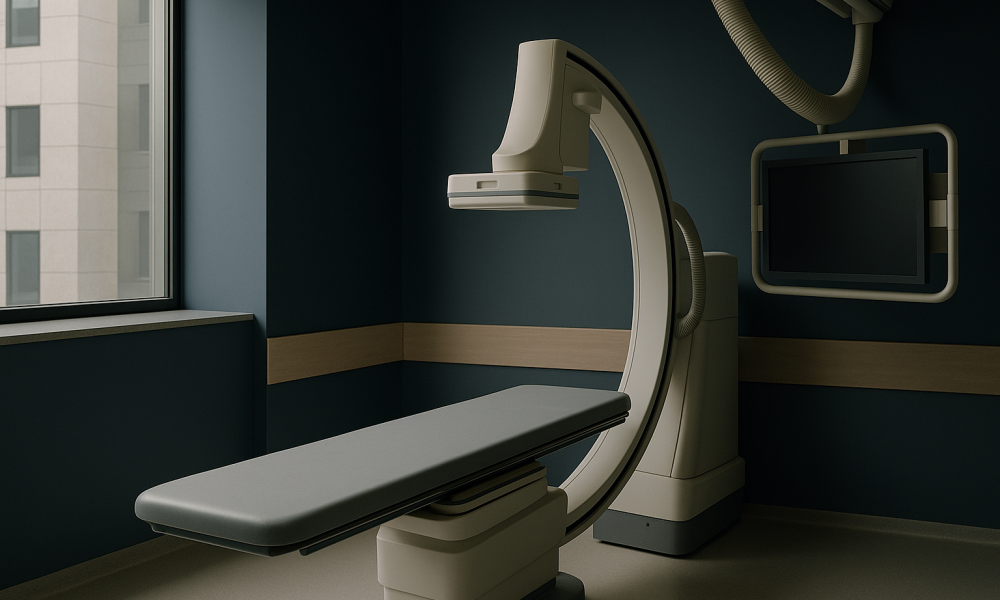
What Coronary Angiography Abroad is and who it is for
Coronary angiography is a diagnostic procedure used to assess the health of coronary arteries, which supply blood to the heart muscle. It is especially valuable in detecting blockages or narrowing that could lead to heart conditions such as angina or myocardial infarction. The procedure involves the insertion of a catheter into a blood vessel, typically through the wrist or groin, which is then guided to the heart. A contrast dye is injected, allowing X-ray images to show the condition of the coronary arteries.
Travelling to Turkey for coronary angiography is an increasingly popular choice for patients from the United States seeking high-quality medical care at more affordable prices. Turkey is known for its advanced healthcare infrastructure, accredited hospitals, and highly trained cardiologists. The cost of coronary angiography in Turkey typically ranges from $500 to $1,500, significantly lower than the $3,000 to $8,000 range often seen in the United States.
This procedure is usually recommended for individuals experiencing symptoms indicative of coronary artery disease, such as chest pain, shortness of breath, or unexplained fatigue. It is also used for patients who have abnormal results from other tests like an electrocardiogram (ECG) or stress test. Moreover, coronary angiography can be critical for patients with a family history of heart disease or those with risk factors such as high blood pressure, high cholesterol, smoking, or diabetes.
Patients considering this procedure abroad should be aware of the logistical aspects, including travel arrangements, accommodation, and post-procedure care. Many clinics in Turkey offer packages that assist with these logistics, ensuring a smooth and stress-free experience. It is important to ensure that any chosen facility is JCI-accredited, which indicates adherence to international healthcare standards.
Overall, coronary angiography in Turkey provides a viable option for those seeking quality medical care at more accessible prices, with the added benefit of exploring a culturally rich and historically significant country.
Are you a good candidate?
Determining whether you are a suitable candidate for coronary angiography involves several considerations. This procedure is primarily intended for individuals who have been advised by a healthcare professional to undergo further investigation of potential coronary artery disease. It is crucial to consult with your primary care physician or cardiologist to discuss your symptoms and medical history before considering treatment abroad.
Here is a checklist to help assess your candidacy for coronary angiography:
- Symptoms: Persistent chest pain, shortness of breath, or fatigue that might indicate heart issues.
- Test Results: Abnormal results from non-invasive tests such as ECG or stress tests.
- Risk Factors: Presence of risk factors like hypertension, hyperlipidemia, smoking, or diabetes.
- Family History: A family history of heart disease which might increase your risk.
- Previous Heart Issues: A history of heart attacks or previous heart surgeries.
- Physical Health: Generally good health, as severe health issues may complicate the procedure.
- Travel Readiness: Ability to travel and stay in Turkey for the duration of the procedure and recovery.
It is essential to have a thorough pre-procedure evaluation, which might include blood tests and additional imaging, to ensure that the procedure is necessary and safe for you. Patients must also consider potential risks such as bleeding, infection, or allergic reactions to the dye used during angiography. These risks, although rare, should be discussed with your healthcare provider.
Patients who are well-informed and have realistic expectations about the outcomes and recovery process are generally better candidates. Having a support system, whether friends or family, to accompany you can also be beneficial. Remember, the primary goal is to ensure your safety and the best possible outcome from the procedure.
The procedure, step by step
Coronary angiography is a diagnostic procedure that involves the use of X-ray imaging to view the heart’s blood vessels. This procedure is often recommended for individuals experiencing symptoms of coronary artery disease or those who have abnormal results from other heart tests. Here is a detailed step-by-step guide to what you can expect during a coronary angiography procedure in Turkey.
- Pre-procedure preparations: Before the procedure, you will be required to fast for about 6 to 8 hours. Upon arrival at the clinic or hospital, you’ll check in and complete necessary paperwork. You will change into a hospital gown, and a nurse will insert an intravenous (IV) line into your arm to administer any necessary medications.
- Initial assessments: Medical staff will conduct a series of pre-procedure checks, including blood tests and an electrocardiogram (ECG), to ensure you are fit for the procedure. You will also discuss any allergies or medications you’re taking with your healthcare provider.
- Local anaesthesia and access point preparation: The procedure typically begins with the administration of a local anaesthetic to numb the area where the catheter will be inserted, usually the groin or wrist. The skin is cleaned and sterilised to prevent infection.
- Catheter insertion: A small incision is made to access the artery. A sheath is inserted into the artery, and a thin, flexible tube called a catheter is carefully threaded through the sheath into the coronary arteries. This process is guided by real-time X-ray imaging.
- Contrast dye injection: Once the catheter is in place, a special dye (contrast material) is injected through the catheter into the coronary arteries. This dye makes the arteries visible on X-ray images, allowing the cardiologist to assess blood flow and identify any blockages or abnormalities.
- Image capturing: As the dye flows through your coronary arteries, a series of X-ray images are taken. You might be asked to hold your breath for short periods to obtain clear images.
- Catheter removal and sheath extraction: After the necessary images are captured, the catheter is carefully removed. Pressure is applied to the insertion site to prevent bleeding, and the sheath is removed once bleeding has stopped.
- Post-procedure monitoring: You will be moved to a recovery area where your vital signs will be monitored closely. You may need to lie flat for several hours, especially if the catheter was inserted through the groin, to ensure proper healing of the access site.
- Discussion of results: Once you are stable, the cardiologist will discuss the results of the angiography with you. This discussion will include whether further treatment is necessary, such as angioplasty or coronary artery bypass surgery.
This step-by-step guide is designed to provide clarity on what to expect during your coronary angiography procedure in Turkey, helping you feel informed and reassured throughout the process.
Recovery timeline
Recovery from coronary angiography is typically swift, but it varies depending on individual health conditions and the complexity of the procedure. Here is a detailed timeline of what you can expect during the recovery period, from the first day post-procedure to full recovery.
| Period | What to expect | Care notes |
|---|---|---|
| Day 1 | After the procedure, you will spend several hours in a recovery area where your vital signs are monitored. You may experience some soreness or bruising at the catheter insertion site. | Rest is crucial. Keep the insertion site clean and dry. If the catheter was inserted through the groin, avoid bending or lifting heavy objects. |
| Days 2-3 | Most patients can return home within 24 hours. Mild discomfort at the insertion site is normal, and some patients may feel tired. | Continue to rest and avoid strenuous activities. Follow any specific instructions provided by your healthcare provider regarding medication and activity levels. |
| Week 1 | During the first week, you may gradually return to normal activities, but avoid heavy lifting or vigorous exercise. Bruising and tenderness should begin to subside. | Monitor the insertion site for signs of infection such as increased redness, swelling, or discharge. Report any concerns to your doctor immediately. |
| Weeks 2-4 | By the second to fourth week, most patients feel fully recovered and can resume all normal activities. Any residual discomfort should have resolved. | It is important to attend any follow-up appointments and continue with prescribed medications to manage your heart health effectively. |
| Full recovery | Full recovery is generally expected by the end of the first month. Ongoing lifestyle changes may be recommended to improve heart health. | Maintain a heart-healthy lifestyle, including a balanced diet, regular exercise, and smoking cessation if applicable. Regular check-ups with your healthcare provider are essential. |
Understanding this recovery timeline can help you plan accordingly and ensure a smooth and successful recovery process following your coronary angiography in Turkey.
What it costs: Turkey vs the United States
Understanding the costs associated with coronary angiography can be crucial for patients considering treatment abroad. In Turkey, the cost of the procedure is often significantly lower than in the United States. However, it’s important to note that prices can vary depending on the specific clinic, the complexity of the patient’s condition, and the scope of additional services included in the treatment package.
| Location | Indicative Price Range (USD) | Typical Inclusions |
|---|---|---|
| Turkey | $1,200 – $3,000 |
|
| United States | $5,000 – $15,000 |
|
As shown in the table, the cost of coronary angiography in Turkey typically ranges from $1,200 to $3,000. This often includes the procedure itself, a pre-procedure consultation, post-procedure care, and a one-night hospital stay if required. Additionally, many Turkish clinics offer packages that include local transportation, which can help ease the logistical challenges of receiving treatment abroad.
In contrast, the cost in the United States can range from $5,000 to $15,000, with fewer inclusions typically covered in the base price. This higher cost can be attributed to various factors, including higher medical service fees, administrative costs, and insurance-related expenses.
It is crucial for patients to consider these indicative price ranges and what each package typically includes when making their decision. While lower costs in Turkey can be appealing, patients should ensure that the quality of care and safety standards meet their expectations and requirements. It is advisable to directly contact clinics to obtain detailed quotes and verify what is included in the price.
Risks and how accredited providers manage them
Coronary angiography is a common and generally safe procedure, but like all medical interventions, it carries certain risks. Understanding these risks and how they are managed by accredited providers in Turkey can help patients make informed decisions.
Some potential risks associated with coronary angiography include allergic reactions to the contrast dye, bleeding, infection at the catheter insertion site, and, in rare cases, heart attack or stroke. It is important to discuss these risks with your healthcare provider before the procedure.
Accredited healthcare providers in Turkey adhere to international standards to minimise these risks. Many clinics are certified by international organisations such as the Joint Commission International (JCI), which ensures that they maintain high standards of patient care and safety.
- Pre-procedure Assessment: Before the procedure, patients undergo a thorough assessment to evaluate their overall health and identify any potential risk factors. This assessment helps in tailoring the procedure to each patient’s specific needs.
- Use of Advanced Technology: Accredited clinics in Turkey are equipped with state-of-the-art imaging equipment, which increases the accuracy of the procedure and reduces the likelihood of complications.
- Experienced Medical Staff: The procedure is performed by experienced cardiologists who are trained in the latest techniques. Their expertise is crucial in managing any complications that may arise during the procedure.
- Post-procedure Monitoring: After the procedure, patients are closely monitored for any signs of complications. This includes regular checks of vital signs and the catheter insertion site.
- Infection Control Measures: Strict infection control protocols are in place to prevent infections, including sterilisation of equipment and maintaining a sterile environment during the procedure.
While the risks associated with coronary angiography are generally low, patients should feel confident that accredited providers in Turkey take comprehensive measures to manage these risks effectively. It is always advisable to discuss any concerns with your chosen healthcare provider to understand how they specifically address these risks.
How to choose the right provider
When considering coronary angiography abroad in Turkey, selecting the right provider is crucial. Begin by ensuring the healthcare facility is accredited by recognized international bodies such as the Joint Commission International (JCI) or the International Organization for Standardization (ISO). These accreditations signify adherence to global healthcare standards, providing reassurance about the quality of care you will receive.
Next, evaluate the experience and qualifications of the medical team. Look for cardiologists and interventional radiologists with extensive experience in performing coronary angiography. It is advisable to choose a provider where the lead surgeon has performed at least 200 procedures annually, as higher volumes often correlate with better outcomes.
Aftercare is another critical consideration. Enquire about the post-procedure support offered by the facility. A comprehensive aftercare program should include a detailed discharge plan, instructions for medication management, and scheduled follow-up consultations, either in person or via telemedicine, to monitor recovery and address any complications.
Be wary of red flags that may indicate subpar service. If a clinic promises guaranteed outcomes or uses high-pressure sales tactics, proceed with caution. Transparency about potential risks, realistic outcomes, and the possibility of complications is a hallmark of reputable providers. Additionally, avoid clinics that do not provide clear information about the credentials of their medical staff or the specifics of their accreditation.
Finally, seek out reviews and testimonials from previous patients. While individual experiences can vary, consistently positive feedback and high satisfaction rates can be indicative of a reliable provider. Forums and social media groups for medical tourism can also be valuable resources for gathering insights from others who have undergone similar procedures.
Planning your trip
Planning your medical trip to Turkey for coronary angiography involves several key steps to ensure a smooth experience. Begin by establishing a timeline that allows for thorough preparation. Ideally, start planning at least three months in advance to accommodate consultations, travel arrangements, and any necessary medical clearances.
Ensure all necessary documents are in order. This includes a valid passport, a medical visa if required, and comprehensive health insurance that covers international medical procedures. Additionally, gather your medical records, including recent ECGs, blood tests, and any other relevant diagnostic information, to facilitate a seamless transition of care.
Consider the length of your stay in Turkey. For coronary angiography, plan for a minimum stay of 7 to 10 days. This allows time for pre-procedure consultations, the procedure itself, and a short recovery period before travelling back. Discuss with your healthcare provider about the expected recovery time and any potential need for extended stay due to unforeseen complications.
Post-procedure follow-up is crucial. Arrange for follow-up care with your primary healthcare provider at home to ensure continuity of care. This should include a scheduled appointment within two weeks of your return to assess your recovery and manage any ongoing treatment needs.
Finally, consider the practical aspects of your trip. Book accommodation close to the medical facility to minimize travel stress. Look for hotels that offer medical tourism packages, which often include transportation to and from the hospital. Additionally, familiarize yourself with local customs and language, and consider hiring a translator if necessary to facilitate communication during your stay.
Frequently Asked Questions
What is the typical cost range for coronary angiography in Turkey?
The cost for coronary angiography in Turkey typically ranges from $1,200 to $3,000 USD. This indicative range can vary based on the specific healthcare provider, the complexity of the procedure, and any additional services such as extended aftercare or diagnostic tests. It's important to obtain a detailed quote from the provider beforehand to understand what is included in the price.
How do I verify the accreditation of a Turkish hospital?
To verify the accreditation of a Turkish hospital, check for certifications from recognized bodies such as the Joint Commission International (JCI) or the International Organization for Standardization (ISO). You can visit the official websites of these organizations to cross-reference the hospital's accreditation status. Additionally, ask the hospital directly for their accreditation documentation and any related quality assurance measures they follow.
What should I expect during the recovery process after coronary angiography?
Recovery from coronary angiography is typically swift. Most patients can resume normal activities within a day or two post-procedure. You may experience some bruising or soreness at the catheter insertion site. It's important to follow your doctor's instructions regarding medication, physical activity, and any dietary restrictions. Arrange follow-up appointments to monitor your recovery and address any concerns promptly.
Is it safe to travel soon after a coronary angiography?
Most patients can travel shortly after coronary angiography, typically within 24 hours if there are no complications. However, it's crucial to follow the specific advice of your healthcare provider, as individual recovery times can vary. Ensure that you have arrangements for medical support accessible during your travel if needed, and avoid strenuous activities until fully cleared by your doctor.
What documents do I need to bring for my procedure in Turkey?
For your procedure in Turkey, bring a valid passport, a medical visa if required, and comprehensive health insurance documentation. Additionally, prepare your medical records, including recent diagnostic results like ECGs and blood tests. These documents will help ensure a seamless transition of care and allow your Turkish healthcare provider to better understand your medical history.
How long should I plan to stay in Turkey for the procedure?
Plan to stay in Turkey for at least 7 to 10 days for coronary angiography. This duration allows time for pre-procedure consultations, the procedure itself, and a short recovery period before returning home. Discuss with your healthcare provider about the expected recovery time and any potential need for extended stay due to unforeseen complications.
How can I ensure continuity of care after returning home?
To ensure continuity of care after returning home, arrange a follow-up appointment with your primary healthcare provider within two weeks. Share all medical records and results from your procedure in Turkey with your local doctor. Discuss any ongoing treatment needs or adjustments to your medication regimen, and monitor your recovery closely in collaboration with your healthcare providers.
What are the risks associated with coronary angiography?
Coronary angiography is generally safe, but like any medical procedure, it carries some risks. Potential complications include bleeding or bruising at the catheter insertion site, allergic reactions to the contrast dye, and in rare cases, heart attack or stroke. Discuss these risks with your healthcare provider to understand them fully and to learn about the measures taken to mitigate them.
Will language be a barrier during my treatment in Turkey?
Language can pose a challenge, but many Turkish hospitals catering to international patients employ English-speaking staff and offer translation services. It's advisable to confirm the availability of these services in advance. If necessary, consider hiring a professional translator to accompany you during consultations and procedures to ensure clear communication.
Are there any red flags when choosing a healthcare provider in Turkey?
When selecting a healthcare provider in Turkey, be cautious of clinics that promise guaranteed outcomes or use high-pressure sales tactics. Lack of transparency about medical staff credentials or facility accreditation is another red flag. Reputable providers should openly share information about their qualifications, accreditations, and the potential risks and realistic outcomes of procedures.
How can I manage costs for medical treatment abroad?
To manage costs for medical treatment abroad, request a detailed quote from the healthcare provider that outlines all fees, including procedure, hospital stay, and aftercare. Compare multiple providers to find competitive pricing without compromising quality. Consider travel and accommodation packages that might offer additional savings. It's also wise to check if your health insurance covers international procedures.
What aftercare should I expect after coronary angiography in Turkey?
After coronary angiography in Turkey, expect to receive a detailed discharge plan that includes medication instructions, dietary recommendations, and scheduled follow-up consultations. The provider should offer support through telemedicine or in-person visits to monitor recovery. Ensure you have contact details for healthcare support in case of any post-procedure concerns or complications.