
What Coronary Angiography Abroad is and who it is for
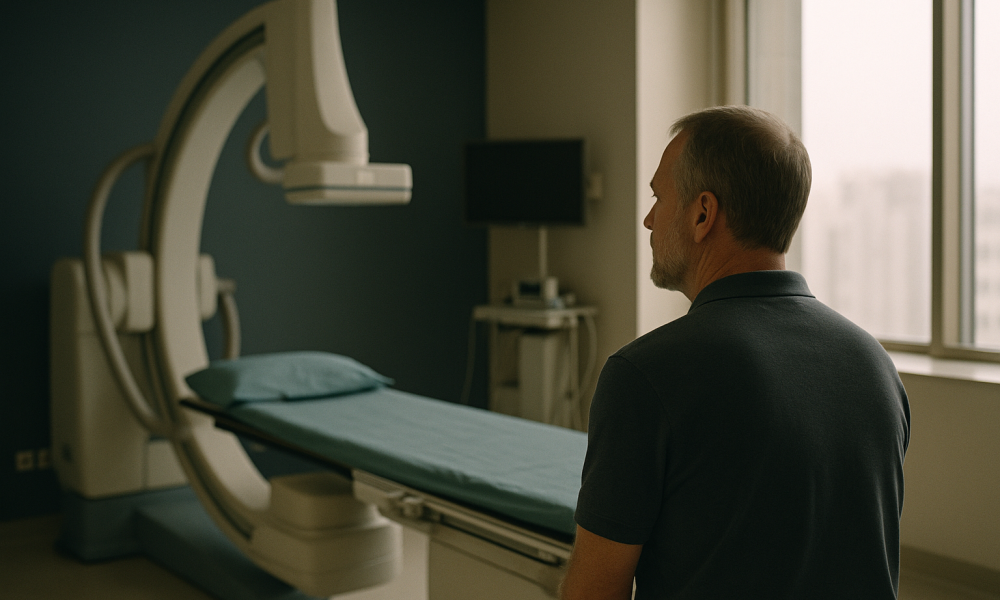
Coronary angiography is a diagnostic procedure used to examine the coronary arteries, which supply blood to the heart muscle. This test is crucial for identifying blockages or other abnormalities that might indicate coronary artery disease (CAD), a condition that can lead to heart attacks or other heart-related issues if untreated. In Turkey, coronary angiography is performed in state-of-the-art facilities by highly trained cardiologists, offering a compelling option for patients seeking quality care abroad.
Travelling to Turkey for coronary angiography provides the dual benefits of advanced medical care and significant cost savings. The procedure typically involves inserting a thin, flexible tube called a catheter into a blood vessel in the groin, arm, or wrist. This catheter is then guided to the heart using X-ray imaging. A special dye is injected through the catheter, making the coronary arteries visible on an X-ray, thus allowing the cardiologist to assess any blockages or narrowings.
Patients from Canada might consider Turkey for coronary angiography due to the shorter waiting times and lower costs. The procedure in Turkey generally costs between £800 and £1,500, a fraction of what it might cost in North America. Moreover, the procedure is usually completed within 30 to 60 minutes, and patients can expect to stay in the hospital for just one day. This makes it feasible to combine the procedure with a short stay in Turkey, allowing patients to recuperate in one of the country’s many serene locales.
Turkey’s healthcare system is well-regarded for its quality and affordability, with many hospitals accredited by international organisations such as the Joint Commission International (JCI). This ensures that the standards of care are comparable to those in Western countries. Furthermore, many Turkish cardiologists have trained and worked internationally, bringing a wealth of experience and expertise to their practice.
Coronary angiography is not only a diagnostic tool but also a precursor to potential treatment options. If blockages are found, patients can discuss further interventions like angioplasty or bypass surgery with their cardiologist. These follow-up treatments can often be performed in the same facility, providing a seamless continuum of care.
Are you a good candidate?
Determining whether you are a suitable candidate for coronary angiography involves assessing several health factors and symptoms. This procedure is generally recommended for individuals who are experiencing symptoms indicative of coronary artery disease or those who have undergone other tests suggesting the presence of heart issues. Here’s a checklist to help you evaluate your candidacy:
- Symptoms of Angina: Experiencing chest pain, pressure, or discomfort that may spread to the shoulders, arms, neck, or back, particularly when triggered by physical exertion or emotional stress.
- Abnormal Stress Test Results: If you’ve undergone a stress test that shows potential signs of reduced blood flow to the heart.
- High Risk of Heart Disease: A personal or family history of heart disease, high cholesterol levels, hypertension, or diabetes.
- Previous Heart Attack: A history of heart attacks, which may necessitate further investigation into the health of your coronary arteries.
- Unexplained Heart Symptoms: Symptoms such as shortness of breath, palpitations, or dizziness that warrant further exploration.
- Pre-surgical Evaluation: Prior to undergoing cardiac surgery or other major surgeries, to assess the heart’s blood supply.
Before proceeding with coronary angiography, it’s crucial to have a thorough consultation with a healthcare provider. This will typically involve a detailed medical history review and possibly some preliminary tests to ensure that the benefits of the procedure outweigh the risks for your specific situation.
It’s also important to consider your overall health status. Patients with severe kidney disease, bleeding disorders, or allergies to the contrast dye used in the procedure may require additional precautions or alternative diagnostic methods. Discussing these conditions with your healthcare provider in advance can help tailor the procedure to your needs and ensure your safety.
Ultimately, the decision to undergo coronary angiography should be made in collaboration with your healthcare team, taking into account your personal health circumstances, the potential benefits of the procedure, and the availability of post-procedural care, especially when considering treatment abroad.
The procedure, step by step
Coronary angiography is a medical imaging procedure used to visualise the inside of your heart’s blood vessels. It is an essential diagnostic tool for identifying blockages or narrowing that might lead to heart conditions. If you are considering undergoing this procedure in Turkey, here is a detailed step-by-step guide to what you can expect during the procedure.
- Preparation: Upon arrival at the hospital, you will undergo a series of preliminary checks, including blood tests and an ECG, to ensure you are fit for the procedure. You will also be asked to fast for at least 6-8 hours beforehand, as having an empty stomach reduces the risk of complications.
- Consent: Before the procedure, a cardiologist will discuss the risks and benefits, and you will be required to sign a consent form. This ensures you understand the procedure and its potential outcomes.
- Local Anaesthesia: The procedure typically begins with the administration of a local anaesthetic to numb the area where the catheter will be inserted, usually the wrist or the groin.
- Catheter Insertion: A small incision is made, and a sheath is inserted into the artery. Through this sheath, a thin, flexible tube called a catheter is carefully guided to the coronary arteries.
- Contrast Dye Injection: Once the catheter is in place, a contrast dye is injected through it. This dye helps the blood vessels appear more clearly on X-ray images.
- Imaging: X-ray machines capture real-time images of your heart’s blood vessels as the dye flows through them. This allows the cardiologist to identify any blockages or abnormalities.
- Assessment: The cardiologist assesses the images and determines the next steps, which could include medical management, angioplasty, or bypass surgery, depending on the findings.
- Completion: Once the imaging is complete, the catheter and sheath are removed. Pressure is applied to the insertion site to prevent bleeding, and a bandage is applied.
The entire procedure typically takes 30 minutes to an hour. However, you may spend several hours at the facility for preparation and recovery. It is important to arrange for someone to accompany you, as driving post-procedure is not recommended due to the sedative effects.
Recovery timeline
Recovery from coronary angiography is usually swift, but it varies depending on individual circumstances, including the site of catheter insertion and overall health. The following table outlines a typical recovery timeline from the day of the procedure until full recovery.
| Period | What to expect | Care notes |
|---|---|---|
| Day 1 | Immediately after the procedure, you may feel drowsy due to sedatives. The insertion site might be sore and bruised. You will be monitored for a few hours to ensure there are no complications. | Rest and avoid strenuous activity. Keep the bandage on and dry for the first 24 hours. Report any unusual pain or bleeding to your healthcare provider. |
| Days 2-3 | Most patients can resume light activities. The insertion site may still be tender, and some bruising is normal. | Avoid lifting heavy objects or engaging in vigorous exercise. Keep the area clean and dry. Continue to monitor for signs of infection. |
| Days 4-7 | Bruising should start to fade, and tenderness should decrease. Normal activities can usually be resumed, but with caution. | Gradually return to daily routines, but listen to your body. If you experience chest pain or shortness of breath, seek medical advice promptly. |
| Weeks 1-2 | Full recovery is expected for most patients. Any residual discomfort should have significantly reduced. | Follow up with your cardiologist for a review of the angiography results. Discuss any lifestyle changes or medications needed. |
| Weeks 3-4 | By this time, you should be fully recovered with no discomfort at the insertion site. | Maintain a healthy lifestyle and adhere to any treatment plans advised by your healthcare provider. Regular check-ups are recommended to monitor heart health. |
It is crucial to adhere to all post-procedure care instructions provided by your healthcare team to ensure a smooth recovery. This includes taking prescribed medications and attending follow-up appointments.
What it costs: Turkey vs Canada
When considering coronary angiography abroad, cost is a significant factor for many patients. Turkey is known for offering medical procedures at competitive prices, often lower than those in Canada. However, it’s important to understand what these costs typically include and how they compare.
Below is a comparison table illustrating indicative price ranges for coronary angiography in Turkey and Canada. Please note these are typical ranges and actual costs may vary depending on the specific hospital, the complexity of the procedure, and any additional services required.
| Country | Indicative Price Range (USD) | Typical Inclusions |
|---|---|---|
| Turkey | $1,500 – $3,000 |
|
| Canada | $4,000 – $7,000 |
|
In Turkey, many medical packages are comprehensive, often providing services beyond the procedure itself. These may include airport transfers, accommodation arrangements, and assistance from multilingual staff. Such packages are designed to make the experience as seamless as possible for international patients.
In contrast, while the cost of coronary angiography in Canada may include similar core elements, additional services like accommodation and transfers are typically not part of the package and would incur extra costs. This difference can make Turkey an attractive option for those looking to manage expenses while receiving quality care.
It is crucial to remember that the costs provided are indicative and should be verified with the healthcare provider. Patients are encouraged to directly contact medical institutions in Turkey to obtain a detailed quote tailored to their specific needs.
Risks and how accredited providers manage them
Coronary angiography, while generally safe, carries certain risks, as do all medical procedures. The most common risks include bleeding at the catheter insertion site, allergic reactions to the contrast dye, and, in rare cases, damage to blood vessels. Accredited providers in Turkey are well-prepared to manage these risks effectively.
Accredited hospitals in Turkey adhere to international standards, such as those set by the Joint Commission International (JCI), ensuring a high level of safety and quality. These institutions implement rigorous protocols to minimise risks associated with coronary angiography. This includes thorough pre-procedure assessments to identify any potential complications based on the patient’s medical history and current health status.
One of the key strategies to mitigate risks is the employment of highly trained and experienced cardiologists and healthcare staff. These professionals are adept at performing the procedure with precision and care, significantly reducing the likelihood of complications. Additionally, many hospitals in Turkey are equipped with state-of-the-art technology, allowing for accurate diagnostics and treatment.
In the event of an adverse reaction or complication, accredited providers have emergency protocols in place. This includes immediate access to intensive care units and specialists who can provide prompt and effective treatment. Post-procedure, patients are closely monitored to ensure early detection of any issues, enabling swift intervention if necessary.
Moreover, Turkish hospitals often offer thorough post-procedure care plans, which may include follow-up consultations and tailored advice on lifestyle modifications to support heart health. This holistic approach not only aids recovery but also helps in reducing the risk of future cardiac events.
While the risks of coronary angiography cannot be entirely eliminated, choosing an accredited provider in Turkey ensures that these risks are managed with the utmost professionalism and care. Patients should engage in open discussions with their healthcare providers to fully understand the procedure, associated risks, and the measures in place to mitigate them.
How to choose the right provider
Choosing the right provider for coronary angiography in Turkey requires a careful evaluation of several critical factors. Accreditation is a primary consideration; look for hospitals accredited by international bodies such as the Joint Commission International (JCI) or the European Foundation for Quality Management (EFQM). These accreditations ensure that the facility adheres to global healthcare standards, providing reassurance about the quality of care.
Surgeon experience is another crucial factor. Prospective patients should inquire about the cardiologist’s credentials, including their years of experience, educational background, and any specialisations in interventional cardiology. It is beneficial to know how many procedures they perform annually, as higher volumes can be indicative of proficiency.
Aftercare services are equally important when selecting a provider. Quality aftercare ensures that any complications are swiftly managed and that recovery is monitored effectively. Inquire about the post-procedure support offered, such as follow-up consultations, rehabilitation programmes, and emergency contact options. Some hospitals may provide virtual consultations for follow-up care once you return home, which can be a significant advantage.
Be vigilant for red flags that may indicate subpar services. These include a lack of transparency in pricing, an absence of accreditation, or overly aggressive marketing tactics promising guaranteed results. Also, be wary if the provider does not welcome questions or hesitates to provide detailed information about their services and success rates.
Finally, seek testimonials from previous international patients. Reviews and ratings can provide insights into the patient experience, the professionalism of the staff, and the overall satisfaction with the treatment received. Independent review sites and patient forums can be valuable resources in this regard.
Planning your trip
When planning your trip for coronary angiography in Turkey, it is crucial to consider several logistical aspects to ensure a smooth experience. Begin by establishing a timeline well in advance of your intended travel date. Ideally, you should start planning at least 2-3 months before the procedure. This timeframe allows for ample research, consultation, and coordination with the healthcare provider.
Ensure all necessary documents are prepared ahead of time. These typically include your medical records, a referral letter from your Canadian doctor, and any relevant health insurance documentation. Also, check the validity of your passport and visa requirements for Turkey. Canadian citizens can often obtain an e-Visa quickly online, but it is wise to confirm current entry requirements.
The typical length of stay for coronary angiography in Turkey may range from 5 to 10 days. This period allows for pre-procedure consultations, the procedure itself, and a recovery period sufficient for initial monitoring. Discuss with your healthcare provider to understand the specific timeline they recommend based on your health and the complexity of your case.
Consider the logistics of follow-up care once you return to Canada. Coordinate with your local healthcare provider to ensure they are informed about your procedure and can offer continued support and monitoring. Some Turkish hospitals provide telemedicine services, which can facilitate follow-up consultations and continuity of care.
Additionally, plan for any potential language barriers. While many medical professionals in Turkey speak English, bringing along a translator app or hiring a professional interpreter can ease communication during your stay.
Lastly, ensure you have travel insurance that covers medical procedures abroad, including potential complications. This coverage provides peace of mind and financial protection against unforeseen circumstances. By addressing these considerations, you can ensure that your medical trip is as seamless and stress-free as possible.
Frequently Asked Questions
What are the costs of coronary angiography in Turkey?
The cost of coronary angiography in Turkey typically ranges from £1,200 to £2,500. This price can vary based on the hospital, the specific healthcare package, and any additional services included. It's important to confirm what is covered in the quoted price, such as pre-procedure consultations, the procedure itself, and post-operative care.
Is it safe to undergo coronary angiography in Turkey?
Turkey is home to many internationally accredited hospitals with high standards of care, making it a safe option for coronary angiography. Facilities with accreditations from bodies such as the Joint Commission International (JCI) adhere to stringent safety and quality standards. Always research the credentials of the hospital and the experience of the medical team before proceeding.
How do I verify a hospital's accreditation?
You can verify a hospital's accreditation by checking its website for certifications from recognised international bodies such as the Joint Commission International (JCI) or the European Foundation for Quality Management (EFQM). Additionally, these accreditations can often be verified by contacting the accrediting body directly or through their official websites.
What should I consider regarding surgeon experience?
When evaluating surgeon experience, consider their credentials, years of practice, and specialisation in interventional cardiology. Ask about the number of procedures they perform annually, as this can indicate their proficiency. Patient testimonials and reviews can also provide insights into the surgeon's competence and patient care quality.
Are there any language barriers in Turkish hospitals?
Many Turkish healthcare professionals speak English, particularly in facilities catering to international patients. However, to ensure clear communication, you might consider using a translator app or hiring a professional interpreter, especially if you have specific medical concerns or require detailed explanations.
What is the typical recovery time after coronary angiography?
The initial recovery period after coronary angiography is usually short, often allowing patients to resume normal activities within a few days. However, it's important to follow your doctor's advice regarding activity restrictions and follow-up care. Full recovery and a return to strenuous activities should be guided by your healthcare provider.
How do I prepare for the procedure before travelling?
Preparation should include gathering medical records, obtaining a referral from your Canadian doctor, and confirming your travel documents, such as a valid passport and visa. Consult with your healthcare provider in Turkey about any pre-procedure requirements, such as fasting or medication adjustments.
Will my Canadian health insurance cover the procedure abroad?
Most Canadian health insurance policies do not cover elective procedures performed abroad. However, some may offer partial coverage or reimbursement for emergency care. It's advisable to review your policy details and consider purchasing travel insurance that includes medical procedures and potential complications abroad.
What are the visa requirements for Canadians travelling to Turkey?
Canadian citizens typically need a visa to enter Turkey, which can often be obtained as an e-Visa online. Ensure your passport is valid for at least six months beyond your intended stay. Always check the latest travel advisories and entry requirements before booking your trip.
How long should I plan to stay in Turkey for the procedure?
Plan to stay in Turkey for about 5 to 10 days for coronary angiography. This duration allows for pre-procedure consultations, the procedure itself, and a recovery period. Discuss the specific timeline with your healthcare provider to accommodate any individual medical needs.
Can I have follow-up care in Canada after the procedure?
Yes, follow-up care in Canada is essential for monitoring your recovery. Coordinate with your local healthcare provider to ensure they are informed about your procedure. Some Turkish hospitals offer telemedicine services, which can facilitate follow-up consultations and continuity of care once you return home.
What should I do if I experience complications after returning home?
If you experience complications after returning home, contact your local healthcare provider immediately. They can assess your condition and provide necessary treatment. Inform them of the details of your procedure in Turkey, and if possible, keep in touch with your Turkish healthcare provider for additional guidance.